Valuewell Asiapearl Corporation — Verified Supplier
About Valuewell Asiapearl Corporation - Mixed Waste Supplier in Pakistan
Valuewell Asiapearl Corporation is based in Pakistan and currently lists five distinct product lines in its catalogue. The supplier’s portfolio spans plastic scrap, used computer components, and marine harvests, reflected in the top‑level categories of Plastic Scrap, Used Computer Parts, and Crabs, Fillets, Lobsters & Other Sea Creatures. Among the five active entries are nylon fishnet wastes, nylon‑66 multifilament wastes, e‑waste computer scraps baled for recycling, silicone rubber wastes, and live mud crabs (HS 0306.33). The live mud crabs are identified as Scylla serrata and are offered as a live commodity. The remaining four items are classified as industrial waste streams intended for re‑processing or material recovery.
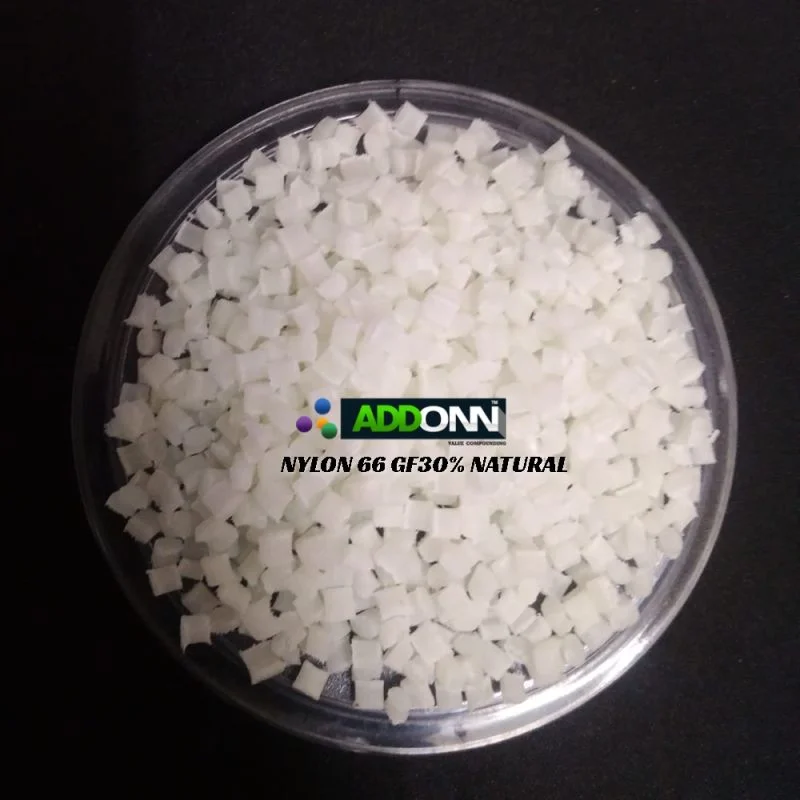
The nylon fishnet and nylon‑66 multifilament wastes fall under HS Chapter 39 (Plastics and articles thereof) and are typically re‑melted into granules for textile or automotive applications. The baled computer scraps correspond to HS 8471.30 (Parts of automatic data processing machines) and are processed under WEEE directives for metal and plastic recovery. Silicone rubber wastes are classified under HS 3917 (Polymers of ethylene in primary forms) and are commonly used for re‑vulcanisation or as feedstock for silicone compounds. The live mud crabs are listed under HS 0306.33, a code covering live crustaceans, and are exported in insulated containers to maintain temperature. All five entries are presented with the supplier’s “harbor” trust tier, indicating a verified trade relationship on the platform.
Product Range and Specialties of Valuewell Asiapearl Corporation
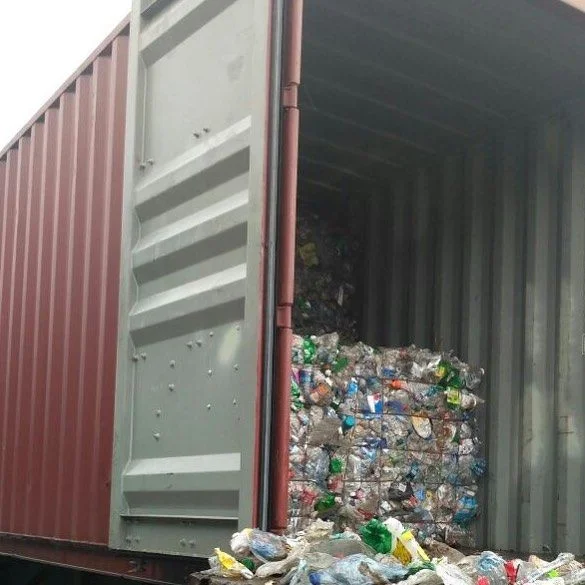
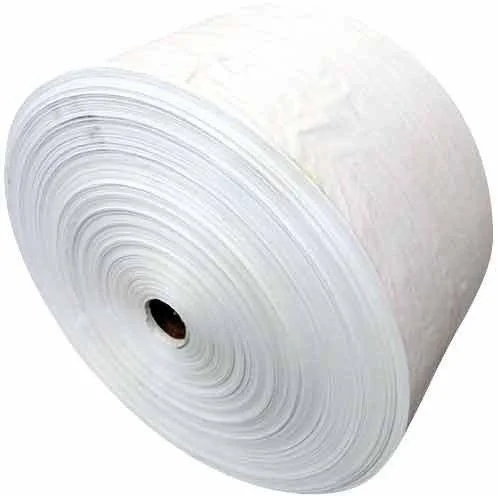
The catalogue includes nylon fishnet wastes, nylon‑66 multifilament wastes, baled computer scraps, silicone rubber wastes, and live mud crabs (HS 0306.33). In the plastics recycling market, nylon fishnet waste is usually graded by polymer type and moisture content, with typical melt flow indices ranging from 30 to 70 g/10 min for re‑processing. Nylon‑66 multifilament waste is assessed by fiber length (commonly 12 - 18 mm) and tensile strength, and buyers often request a DSC (Differential Scanning Calorimetry) report. E‑waste computer scraps are sorted by metal content; standard specifications cite copper recovery rates above 30 % and lead‑free compliance under RoHS. Silicone rubber waste is measured by silicone oil content and vulcanisation degree, with common purity levels of 95 % or higher. Live mud crabs are shipped live, with size grading by carapace width (typically 10 - 15 cm) and require a health certificate and a phytosanitary certificate for import.
Trade and Export Information - Valuewell Asiapearl Corporation
Pakistan’s plastic and e‑waste streams are frequently exported to India, China, and Southeast Asian recyclers, while live crustaceans from the Sindh coast are shipped to Middle Eastern and European seafood markets. HS 0306.33 live crabs are subject to the Codex Alimentarius standards for maximum residue limits and usually require a health certificate, a certificate of origin, and compliance with the importing country’s sanitary regulations. Plastic waste under HS 39 and electronic waste under HS 84 are inspected under Pakistan’s Export Control Regulations and often need a Material Safety Data Sheet (MSDS) and a declaration of non‑hazardous status.
Commonly required certifications for these categories include ISO 9001 for quality management, REACH compliance for chemical safety, and for e‑waste, the Basel Convention declaration. Buyers typically request container loading plans, 20‑ft or 40‑ft containers with moisture‑resistant liners for plastics, and insulated, ventilated containers for live mud crabs. Incoterms such as FOB Karachi Port or CIF Dubai are standard for these shipments, with freight forwarders handling cold‑chain logistics for the crustaceans.
Sourcing from Valuewell Asiapearl Corporation - Buyer Guidance
When sourcing nylon waste or silicone rubber waste from this supplier, request a recent laboratory analysis that includes polymer identification, moisture content, and any residual oil levels. Verify that the supplier can provide a batch‑specific MSDS and a chain‑of‑custody document confirming the waste originates from a licensed recycler.
For the live mud crabs, ask for a pre‑shipment health certificate, a phytosanitary certificate, and a size‑grading report. Confirm the supplier’s capacity to load the crabs in insulated containers that maintain 0‑4 °C and that the shipment will be accompanied by a temperature monitoring log. Typical minimum order quantities are one 20‑ft container (approximately 2,500 kg) for bulk waste streams, while live crab orders are often measured by total live weight per container. Lead times of 30 - 45 days from order confirmation to vessel loading are common for seafood shipments, whereas plastic and e‑waste batches can be ready within 15 - 20 days.
Frequently Asked Questions About Valuewell Asiapearl Corporation
What types of plastic waste does Valuewell Asiapearl offer?
The supplier lists nylon fishnet waste and nylon‑66 multifilament waste, both classified under HS Chapter 39. Buyers typically receive the material baled in 1 ton bundles, with moisture content below 1 % and a melt flow index report.
How is the e‑waste (computer scraps) prepared for export?
The computer scraps are collected, sorted, and compacted into standard 1 m³ bales. Export documentation normally includes a Basel Convention declaration, an MSDS, and a metal recovery estimate.
What certifications should a buyer request for the silicone rubber waste?
Buyers should request an ISO 9001 quality certificate, a REACH compliance statement, and a recent laboratory analysis showing silicone purity of at least 95 %. An MSDS covering any additives is also standard.
Which documents are required for importing the live mud crabs (HS 0306.33)?
Importers need a health certificate issued by a recognized veterinary authority, a phytosanitary certificate, and a certificate of origin. The shipment must also meet the destination country’s maximum residue limits under Codex standards.
What is the typical minimum order quantity and container size for the waste streams?
Plastic and silicone rubber wastes are usually sold in 20‑ft containers with a net weight of about 2,500 kg per container. E‑waste bales can be packed similarly, with a minimum of one container per order.
What lead times can a buyer expect for the live mud crab shipments?
Live mud crabs generally require 30 to 45 days from order confirmation to loading, to allow for harvesting, health inspections, and cold‑chain preparation. Plastic and e‑waste batches are typically ready within 15 to 20 days.
How are the products packaged for international shipment?
Nylon and silicone rubber wastes are packed in moisture‑resistant sealed sacks inside a container, while e‑waste bales are placed on pallets with stretch‑wrap. Live mud crabs are loaded in insulated, ventilated containers with ice or gel packs to maintain a temperature of 0‑4 °C throughout transit.




 , Pakistan