Pacific Fish Processing Co., Ltd. — Verified Supplier

About Pacific Fish Processing Co., Ltd. - Fish Supplier in Thailand

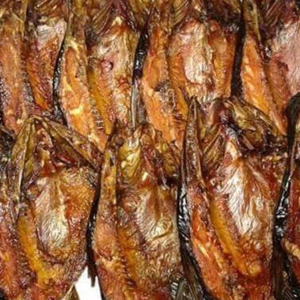
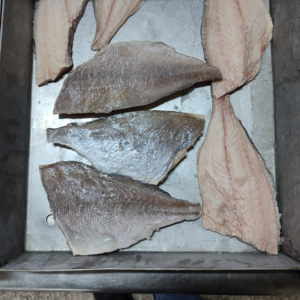
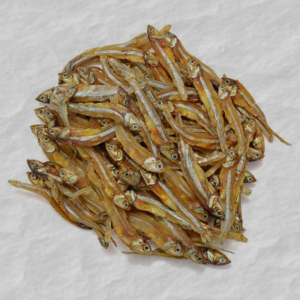
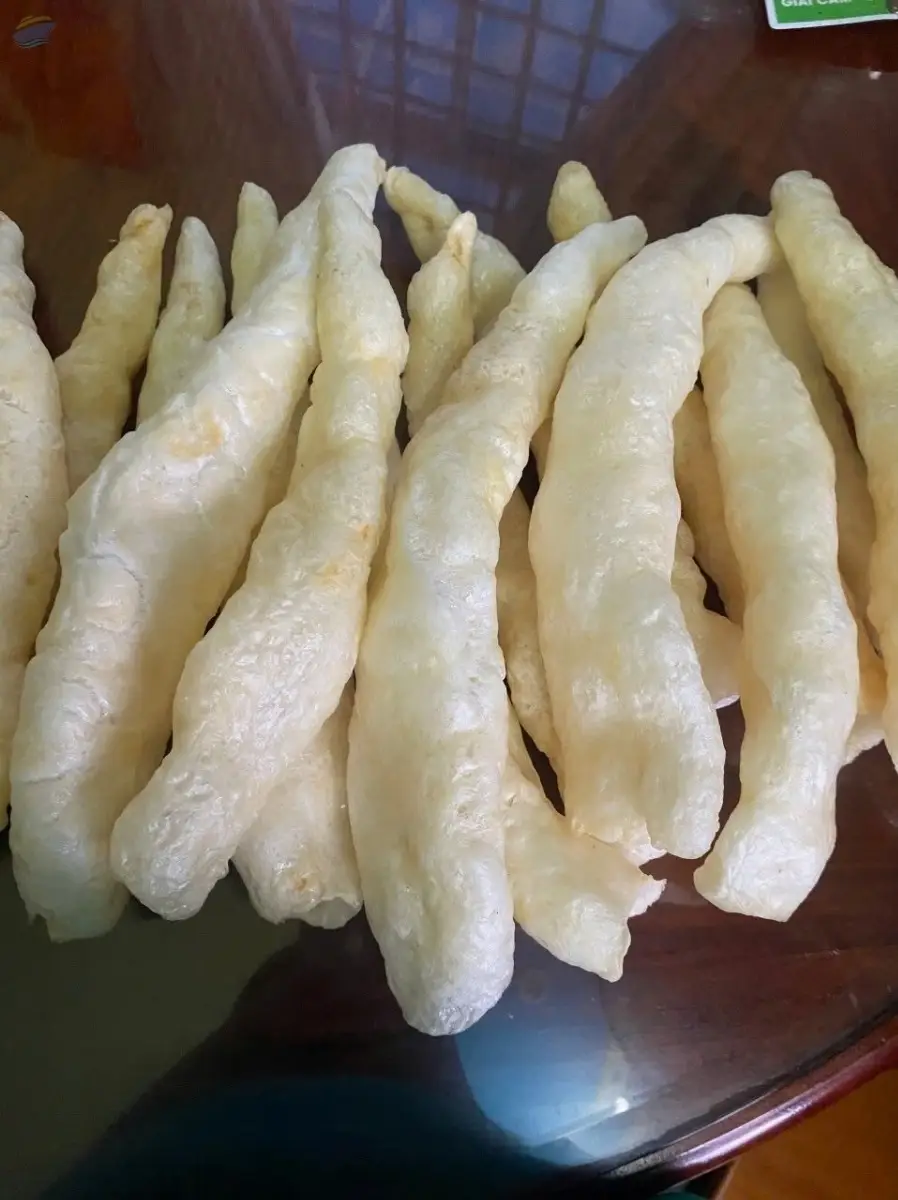
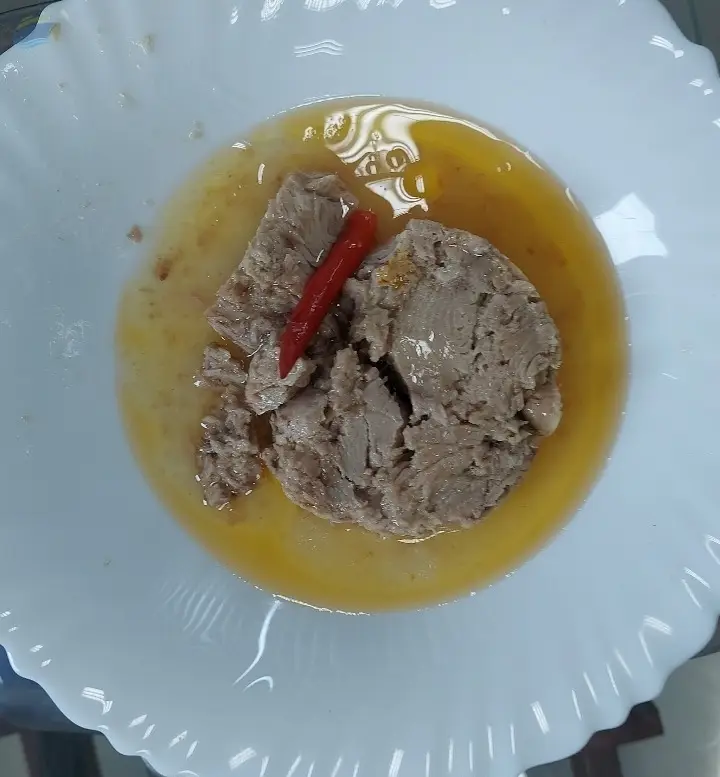
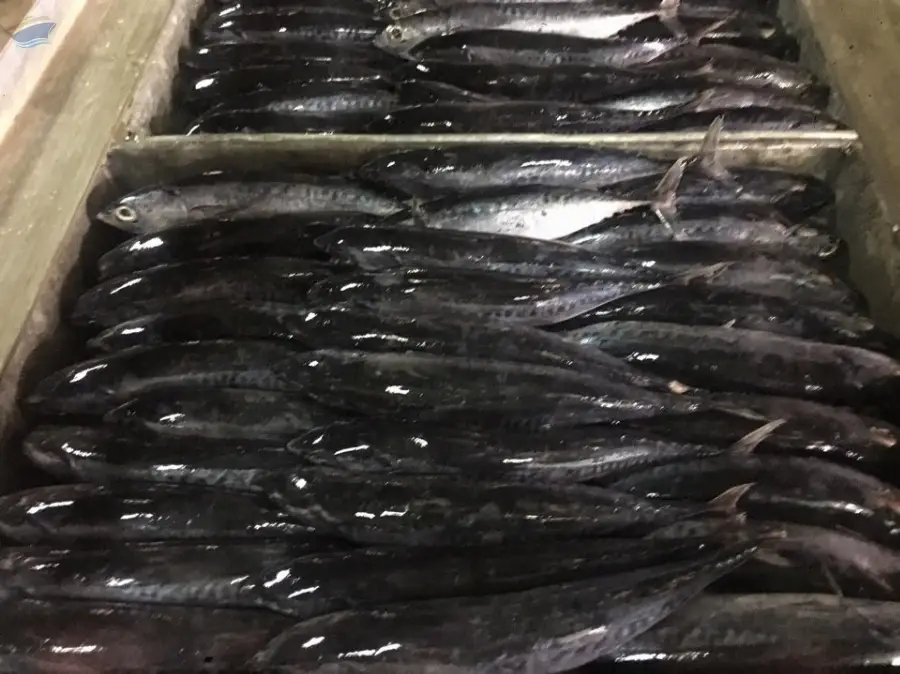
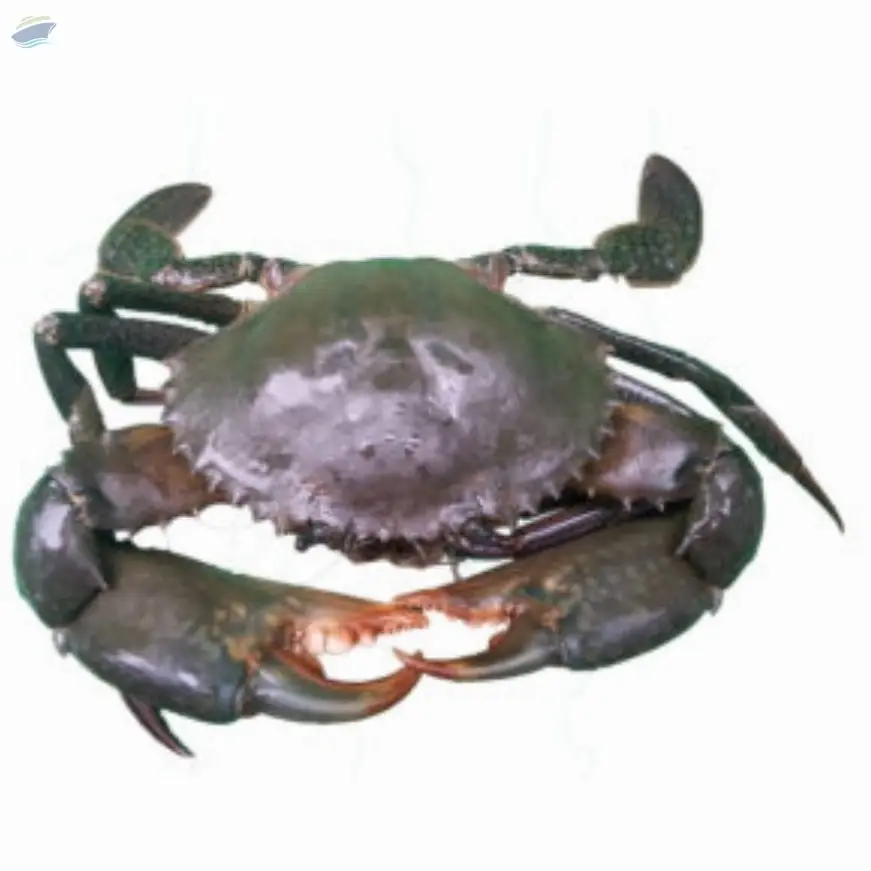
Pacific Fish Processing Co., Ltd. is based in Thailand and currently lists five active products in its catalogue. The catalogue includes tofu bun, tsumami, tuna roll, fish chip and bread crab claw. The fish chip is classified under HS code 0305.49 and is described as dried or processed fish such as tilapia, pollock or cod. The bread crab claw carries HS code 1605.10 and is a fully cooked, quick‑frozen, breaded crab claw derived from Portunus pelagicus or an equivalent species. The remaining items - tofu bun, tsumami and tuna roll - are presented without HS codes but fall under the broader seafood and processed food categories.

Product Range and Specialties of Pacific Fish Processing Co., Ltd.

The catalogue’s five items cover both ready‑to‑eat and processed seafood. Tofu bun and tsumami are snack‑type products that often use wheat‑based bun or rice flour dough, with typical moisture content between 30 % and 40 % for frozen storage. Tuna roll is a prepared sushi‑style roll, usually containing raw or cooked tuna fillet, rice and seaweed, with industry standards such as a maximum of 2 % total bacterial count (cfu/g) for ready‑to‑eat items. Fish chip, classified under HS 0305.49, is produced from white‑fleshed species like tilapia, pollock or cod; standard specifications include a moisture level below 12 % after drying and a protein content above 80 % on a dry basis. Bread crab claw, HS 1605.10, is a breaded product where the crustacean meat is typically coated with a wheat‑based batter; quality checks often include a frozen core temperature of - 18 °C or lower and a crust color measured by a standard browning index. In the global seafood market, fish chips are frequently graded by size (e.g., 10 mm to 30 mm strips) and by moisture loss during drying, while breaded crab claws are evaluated for coating adhesion and uniformity. Buyers commonly request HACCP compliance, BRC or ISO 22000 certification, and laboratory analysis for heavy metals such as arsenic and mercury, especially for species like cod. The Thai seafood sector also adheres to the ASEAN Good Agricultural Practices (GAP) framework for traceability.

Trade and Export Information - Pacific Fish Processing Co., Ltd.

Thailand is among the world’s top exporters of processed fish and crustacean products, with the European Union, United States, Japan and the Gulf Cooperation Council states representing the largest import destinations. Products under HS 0305.49 and 1605.10 are subject to the Codex Alimentarius standards for fish and crustacean hygiene, and many importers require certificates such as HACCP, BRC Global Standard for Food Safety, and ISO 22000. Shipping of frozen seafood from Thailand typically uses refrigerated (reefers) containers, with common Incoterms of FOB Bangkok Port or CIF destination port. Regulatory inspections often involve verification of species identification, residual pesticide limits, and compliance with the EU’s Rapid Alert System for Food and Feed (RASFF). Packaging standards include sealed polyethylene bags inside insulated liners, with labeling that lists HS code, country of origin, net weight and batch number. Export documentation generally comprises a commercial invoice, packing list, phytosanitary certificate (if required), and a certificate of origin, while buyers may also request a third‑party lab test report for microbiological and chemical parameters.

Sourcing from Pacific Fish Processing Co., Ltd. - Buyer Guidance

When sourcing fish chip or bread crab claw from Pacific Fish Processing Co., Ltd., buyers should request a product specification sheet that details moisture content, protein level, species source and freezer temperature. Sample testing for bacterial count, histamine (for fish), and heavy‑metal residues is standard practice before confirming larger orders. In addition, buyers should verify that the supplier can provide HACCP, BRC or ISO 22000 audit reports, as these certifications are commonly required for imported frozen seafood. For the snack items - tofu bun, tsumami and tuna roll - buyers typically ask for allergen declarations, ingredient lists and shelf‑life data under frozen storage conditions. Minimum order quantities (MOQ) for frozen seafood are often expressed in 20‑ft container loads, ranging from 10 metric tonnes for niche products to 25 metric tonnes for more common items, with lead times of 30 - 45 days from order confirmation to shipment. Confirming packaging dimensions, weight per carton and compliance with the buyer’s labeling requirements helps avoid customs delays.

Frequently Asked Questions About Pacific Fish Processing Co., Ltd.

What product categories does Pacific Fish Processing Co., Ltd. offer?

The supplier lists five products - tofu bun, tsumami, tuna roll, fish chip (HS 0305.49) and bread crab claw (HS 1605.10) - covering ready‑to‑eat snacks and processed frozen seafood.

Which HS codes apply to the supplier’s seafood items?

Fish chip is classified under HS 0305.49 for dried/processed fish such as tilapia, pollock or cod, while bread crab claw falls under HS 1605.10 for fully cooked, quick‑frozen breaded crab.

What certifications are typically required for importing the fish chip and bread crab claw?

Importers usually request HACCP, BRC or ISO 22000 food safety certificates, as well as laboratory test reports for microbiological limits and heavy‑metal residues.

What are the common packaging and shipping methods for these products?

Frozen items are packed in sealed polyethylene bags within insulated liners, placed on pallets, and shipped in temperature‑controlled 20‑ft or 40‑ft reefers, often on FOB Bangkok or CIF terms.

What specifications should a buyer verify before placing an order?

Buyers should confirm moisture content (below 12 % for fish chip), protein level (above 80 % dry basis), frozen core temperature ( - 18 °C or lower), and request species verification and allergen statements for the snack products.

What is the typical lead time and minimum order quantity for the supplier’s frozen seafood?

Lead times are generally 30 - 45 days from order confirmation, with MOQs commonly expressed as one 20‑ft container load, roughly 10 - 25 metric tonnes depending on the product.

How can a buyer obtain samples for quality assessment?

The supplier can provide a small frozen sample batch, usually 5 kg per product, shipped under refrigerated conditions; buyers should request accompanying test reports and ingredient documentation with the sample.


Other Suppliers in Fish

Top Trusted Suppliers

Related Products in Fish

Trending in Parent Category

More Suppliers in Parent Category

Related Products

Other Suppliers

EximNext
58.4K+ live requirements
Register Free🎁 5 free buy-lead credits
Post Requirement
🌍 Trusted by 224.4K+ businesses in 200+ countries|
58.4K+ active requirements right now
✉️ [email protected]
|
Sell on EximNextPost Requirement
EximNext
AgricultureApparelConstructionElectronicFoodHomeIndustrialMineralsMiscellaneous
🔥 Deals|✨ AI Match|🏭 Suppliers|📋 Buy Leads|💰 Trade Finance|⭐ Upgrade
58.4K+ live RFQs·194.5K+ suppliers
🎁 5 free credits →
EximNext
EximNext
Register Free
🎁 5 free buy-lead credits
Sign In
📋Post Requirement💬Get QuotesAI Match📋RFQ Marketplace
All Categories
Services & Tools
🏭Supplier Directory🔥Today's Deals💰Trade FinanceMembership
Sell on EximNext
AboutContactBlogHelp
🏭

Pacific Fish Processing Co., Ltd.

Harbor
Country flag , Thailand
🛡️
56/100
Trust Score

Pacific Fish Processing Co., Ltd. Product Catalog

Showing 5 of 5 products
View all products →
Fish chip
Harbor
Fish chip
Contact
MOQ: 1 Unit
Bread crab claw
Harbor
Bread crab claw
Contact
MOQ: 1 Unit
Tuna roll
Harbor
Tuna roll
Contact
MOQ: 1 Unit
Tsumami
Harbor
Tsumami
Contact
MOQ: 1 Unit
Tofu Bun
Harbor
Tofu Bun
Contact
MOQ: 1 Unit

About Pacific Fish Processing Co., Ltd. - Fish Supplier in Thailand

Pacific Fish Processing Co., Ltd. is based in Thailand and currently lists five active products in its catalogue. The catalogue includes tofu bun, tsumami, tuna roll, fish chip and bread crab claw. The fish chip is classified under HS code 0305.49 and is described as dried or processed fish such as tilapia, pollock or cod. The bread crab claw carries HS code 1605.10 and is a fully cooked, quick‑frozen, breaded crab claw derived from Portunus pelagicus or an equivalent species. The remaining items - tofu bun, tsumami and tuna roll - are presented without HS codes but fall under the broader seafood and processed food categories.

Product Range and Specialties of Pacific Fish Processing Co., Ltd.

The catalogue’s five items cover both ready‑to‑eat and processed seafood. Tofu bun and tsumami are snack‑type products that often use wheat‑based bun or rice flour dough, with typical moisture content between 30 % and 40 % for frozen storage. Tuna roll is a prepared sushi‑style roll, usually containing raw or cooked tuna fillet, rice and seaweed, with industry standards such as a maximum of 2 % total bacterial count (cfu/g) for ready‑to‑eat items. Fish chip, classified under HS 0305.49, is produced from white‑fleshed species like tilapia, pollock or cod; standard specifications include a moisture level below 12 % after drying and a protein content above 80 % on a dry basis. Bread crab claw, HS 1605.10, is a breaded product where the crustacean meat is typically coated with a wheat‑based batter; quality checks often include a frozen core temperature of - 18 °C or lower and a crust color measured by a standard browning index. In the global seafood market, fish chips are frequently graded by size (e.g., 10 mm to 30 mm strips) and by moisture loss during drying, while breaded crab claws are evaluated for coating adhesion and uniformity. Buyers commonly request HACCP compliance, BRC or ISO 22000 certification, and laboratory analysis for heavy metals such as arsenic and mercury, especially for species like cod. The Thai seafood sector also adheres to the ASEAN Good Agricultural Practices (GAP) framework for traceability.

Trade and Export Information - Pacific Fish Processing Co., Ltd.

Thailand is among the world’s top exporters of processed fish and crustacean products, with the European Union, United States, Japan and the Gulf Cooperation Council states representing the largest import destinations. Products under HS 0305.49 and 1605.10 are subject to the Codex Alimentarius standards for fish and crustacean hygiene, and many importers require certificates such as HACCP, BRC Global Standard for Food Safety, and ISO 22000. Shipping of frozen seafood from Thailand typically uses refrigerated (reefers) containers, with common Incoterms of FOB Bangkok Port or CIF destination port. Regulatory inspections often involve verification of species identification, residual pesticide limits, and compliance with the EU’s Rapid Alert System for Food and Feed (RASFF). Packaging standards include sealed polyethylene bags inside insulated liners, with labeling that lists HS code, country of origin, net weight and batch number. Export documentation generally comprises a commercial invoice, packing list, phytosanitary certificate (if required), and a certificate of origin, while buyers may also request a third‑party lab test report for microbiological and chemical parameters.

Sourcing from Pacific Fish Processing Co., Ltd. - Buyer Guidance

When sourcing fish chip or bread crab claw from Pacific Fish Processing Co., Ltd., buyers should request a product specification sheet that details moisture content, protein level, species source and freezer temperature. Sample testing for bacterial count, histamine (for fish), and heavy‑metal residues is standard practice before confirming larger orders. In addition, buyers should verify that the supplier can provide HACCP, BRC or ISO 22000 audit reports, as these certifications are commonly required for imported frozen seafood. For the snack items - tofu bun, tsumami and tuna roll - buyers typically ask for allergen declarations, ingredient lists and shelf‑life data under frozen storage conditions. Minimum order quantities (MOQ) for frozen seafood are often expressed in 20‑ft container loads, ranging from 10 metric tonnes for niche products to 25 metric tonnes for more common items, with lead times of 30 - 45 days from order confirmation to shipment. Confirming packaging dimensions, weight per carton and compliance with the buyer’s labeling requirements helps avoid customs delays.

Frequently Asked Questions About Pacific Fish Processing Co., Ltd.

What product categories does Pacific Fish Processing Co., Ltd. offer?

The supplier lists five products - tofu bun, tsumami, tuna roll, fish chip (HS 0305.49) and bread crab claw (HS 1605.10) - covering ready‑to‑eat snacks and processed frozen seafood.

Which HS codes apply to the supplier’s seafood items?

Fish chip is classified under HS 0305.49 for dried/processed fish such as tilapia, pollock or cod, while bread crab claw falls under HS 1605.10 for fully cooked, quick‑frozen breaded crab.

What certifications are typically required for importing the fish chip and bread crab claw?

Importers usually request HACCP, BRC or ISO 22000 food safety certificates, as well as laboratory test reports for microbiological limits and heavy‑metal residues.

What are the common packaging and shipping methods for these products?

Frozen items are packed in sealed polyethylene bags within insulated liners, placed on pallets, and shipped in temperature‑controlled 20‑ft or 40‑ft reefers, often on FOB Bangkok or CIF terms.

What specifications should a buyer verify before placing an order?

Buyers should confirm moisture content (below 12 % for fish chip), protein level (above 80 % dry basis), frozen core temperature ( - 18 °C or lower), and request species verification and allergen statements for the snack products.

What is the typical lead time and minimum order quantity for the supplier’s frozen seafood?

Lead times are generally 30 - 45 days from order confirmation, with MOQs commonly expressed as one 20‑ft container load, roughly 10 - 25 metric tonnes depending on the product.

How can a buyer obtain samples for quality assessment?

The supplier can provide a small frozen sample batch, usually 5 kg per product, shipped under refrigerated conditions; buyers should request accompanying test reports and ingredient documentation with the sample.

About Pacific Fish Processing Co., Ltd. - Fish Supplier in Thailand

Pacific Fish Processing Co., Ltd. is based in Thailand and currently lists five active products in its catalogue. The catalogue includes tofu bun, tsumami, tuna roll, fish chip and bread crab claw. The fish chip is classified under HS code 0305.49 and is described as dried or processed fish such as tilapia, pollock or cod. The bread crab claw carries HS code 1605.10 and is a fully cooked, quick‑frozen, breaded crab claw derived from Portunus pelagicus or an equivalent species. The remaining items - tofu bun, tsumami and tuna roll - are presented without HS codes but fall under the broader seafood and processed food categories.

Product Range and Specialties of Pacific Fish Processing Co., Ltd.

The catalogue’s five items cover both ready‑to‑eat and processed seafood. Tofu bun and tsumami are snack‑type products that often use wheat‑based bun or rice flour dough, with typical moisture content between 30 % and 40 % for frozen storage. Tuna roll is a prepared sushi‑style roll, usually containing raw or cooked tuna fillet, rice and seaweed, with industry standards such as a maximum of 2 % total bacterial count (cfu/g) for ready‑to‑eat items. Fish chip, classified under HS 0305.49, is produced from white‑fleshed species like tilapia, pollock or cod; standard specifications include a moisture level below 12 % after drying and a protein content above 80 % on a dry basis. Bread crab claw, HS 1605.10, is a breaded product where the crustacean meat is typically coated with a wheat‑based batter; quality checks often include a frozen core temperature of - 18 °C or lower and a crust color measured by a standard browning index. In the global seafood market, fish chips are frequently graded by size (e.g., 10 mm to 30 mm strips) and by moisture loss during drying, while breaded crab claws are evaluated for coating adhesion and uniformity. Buyers commonly request HACCP compliance, BRC or ISO 22000 certification, and laboratory analysis for heavy metals such as arsenic and mercury, especially for species like cod. The Thai seafood sector also adheres to the ASEAN Good Agricultural Practices (GAP) framework for traceability.

Trade and Export Information - Pacific Fish Processing Co., Ltd.

Thailand is among the world’s top exporters of processed fish and crustacean products, with the European Union, United States, Japan and the Gulf Cooperation Council states representing the largest import destinations. Products under HS 0305.49 and 1605.10 are subject to the Codex Alimentarius standards for fish and crustacean hygiene, and many importers require certificates such as HACCP, BRC Global Standard for Food Safety, and ISO 22000. Shipping of frozen seafood from Thailand typically uses refrigerated (reefers) containers, with common Incoterms of FOB Bangkok Port or CIF destination port. Regulatory inspections often involve verification of species identification, residual pesticide limits, and compliance with the EU’s Rapid Alert System for Food and Feed (RASFF). Packaging standards include sealed polyethylene bags inside insulated liners, with labeling that lists HS code, country of origin, net weight and batch number. Export documentation generally comprises a commercial invoice, packing list, phytosanitary certificate (if required), and a certificate of origin, while buyers may also request a third‑party lab test report for microbiological and chemical parameters.

Sourcing from Pacific Fish Processing Co., Ltd. - Buyer Guidance

When sourcing fish chip or bread crab claw from Pacific Fish Processing Co., Ltd., buyers should request a product specification sheet that details moisture content, protein level, species source and freezer temperature. Sample testing for bacterial count, histamine (for fish), and heavy‑metal residues is standard practice before confirming larger orders. In addition, buyers should verify that the supplier can provide HACCP, BRC or ISO 22000 audit reports, as these certifications are commonly required for imported frozen seafood. For the snack items - tofu bun, tsumami and tuna roll - buyers typically ask for allergen declarations, ingredient lists and shelf‑life data under frozen storage conditions. Minimum order quantities (MOQ) for frozen seafood are often expressed in 20‑ft container loads, ranging from 10 metric tonnes for niche products to 25 metric tonnes for more common items, with lead times of 30 - 45 days from order confirmation to shipment. Confirming packaging dimensions, weight per carton and compliance with the buyer’s labeling requirements helps avoid customs delays.

Frequently Asked Questions About Pacific Fish Processing Co., Ltd.
What product categories does Pacific Fish Processing Co., Ltd. offer?
The supplier lists five products - tofu bun, tsumami, tuna roll, fish chip (HS 0305.49) and bread crab claw (HS 1605.10) - covering ready‑to‑eat snacks and processed frozen seafood.
Which HS codes apply to the supplier’s seafood items?
Fish chip is classified under HS 0305.49 for dried/processed fish such as tilapia, pollock or cod, while bread crab claw falls under HS 1605.10 for fully cooked, quick‑frozen breaded crab.
What certifications are typically required for importing the fish chip and bread crab claw?
Importers usually request HACCP, BRC or ISO 22000 food safety certificates, as well as laboratory test reports for microbiological limits and heavy‑metal residues.
What are the common packaging and shipping methods for these products?
Frozen items are packed in sealed polyethylene bags within insulated liners, placed on pallets, and shipped in temperature‑controlled 20‑ft or 40‑ft reefers, often on FOB Bangkok or CIF terms.
What specifications should a buyer verify before placing an order?
Buyers should confirm moisture content (below 12 % for fish chip), protein level (above 80 % dry basis), frozen core temperature ( - 18 °C or lower), and request species verification and allergen statements for the snack products.
What is the typical lead time and minimum order quantity for the supplier’s frozen seafood?
Lead times are generally 30 - 45 days from order confirmation, with MOQs commonly expressed as one 20‑ft container load, roughly 10 - 25 metric tonnes depending on the product.
How can a buyer obtain samples for quality assessment?
The supplier can provide a small frozen sample batch, usually 5 kg per product, shipped under refrigerated conditions; buyers should request accompanying test reports and ingredient documentation with the sample.

🏭
Pacific Fish Processing Co., Ltd.
Country flag , Thailand
Harbor
56/100
Trust Score
📦
5
Products
Free to contact — no commission
Escrow payment available
Verified business identity
Compare more suppliers
Post a requirement — get 10 quotes free
Let verified suppliers compete for your business. Free, fast, no commitment.
EximNext Verified Supplier
Business identity verified
Physical address confirmed
Financial history checked
Certifications authenticated
Trade references validated
Due Diligence
Verify this supplier's real shipping history.
Every shipment, every buyer, every port. Trade data that can't be faked.
Run due diligence →
Discover More

Related Suppliers & Products

Explore similar suppliers, related products and trending categories

Other Suppliers in Fish

Top Trusted Suppliers

Related Products in Fish

Trending in Parent Category

More Suppliers in Parent Category

Stay ahead in global trade
Weekly market insights & new supplier alerts.
EximNext
Exim Next is a leading global B2B marketplace, connecting over 205,000 verified suppliers and buyers across 200+ countries. As a trusted import export marketplace, it serves as the essential B2B portal for businesses worldwide, empowering them to expand their international reach. With Exim Next, businesses can trade smarter and grow faster.
SECURE PAYMENTS
VISAMastercardPayPalSWIFTL/CEscrow
Follow us
© 2026 EximNext