AFG GLOBAL — Verified Trader & Wholesale Supplier
About AFG GLOBAL - Food Ingredients Supplier in South Africa
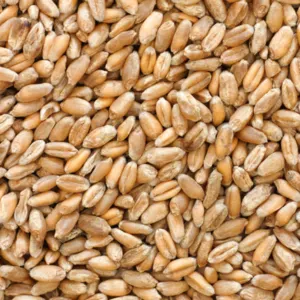
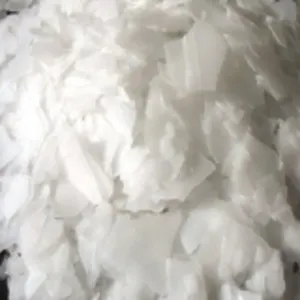
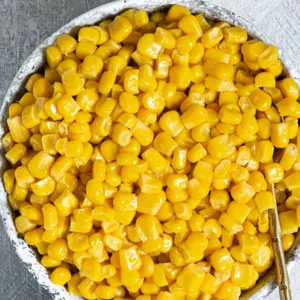
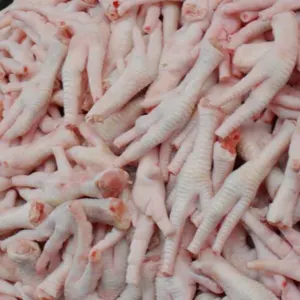
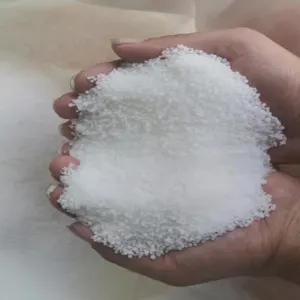
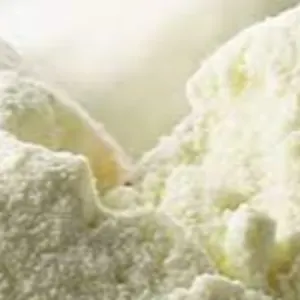
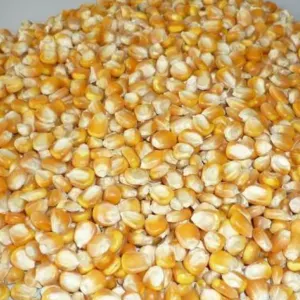
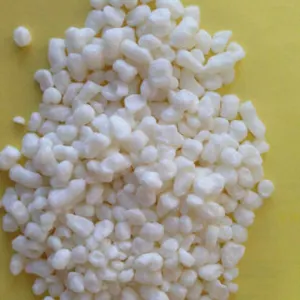
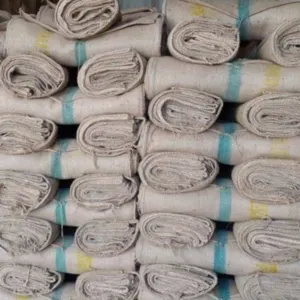
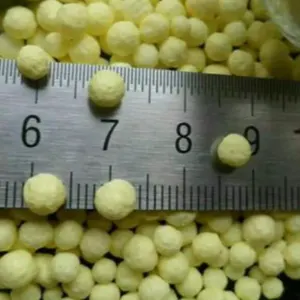
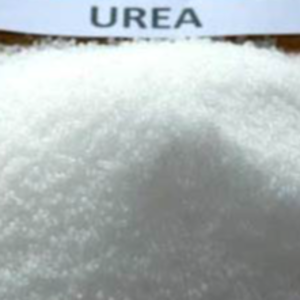
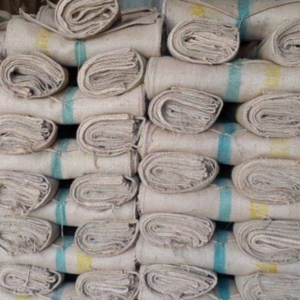
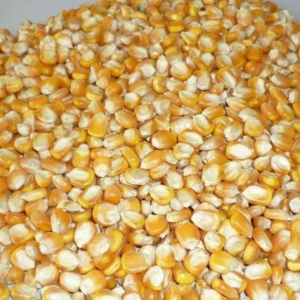
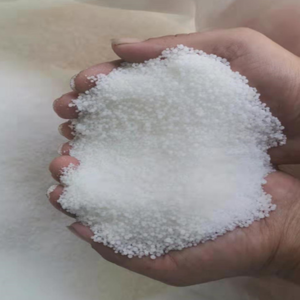
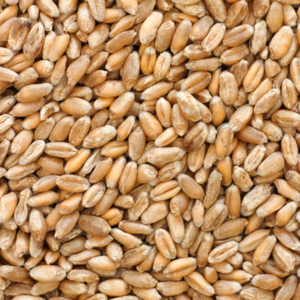
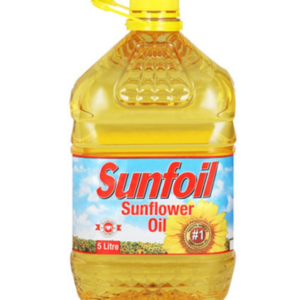
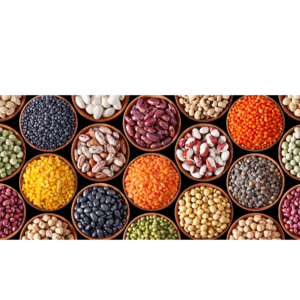
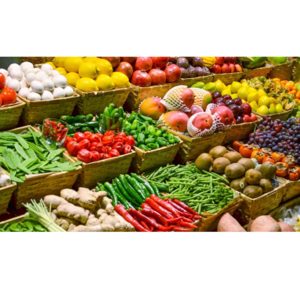
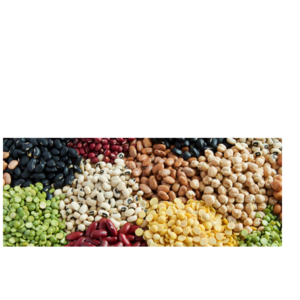
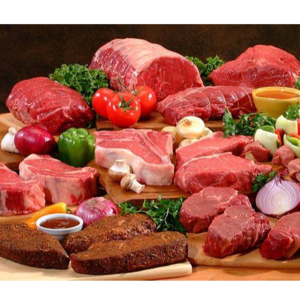
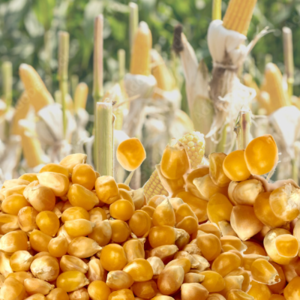
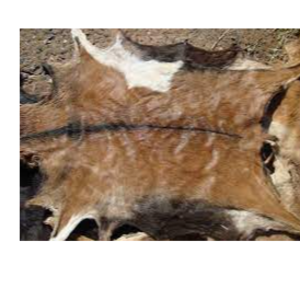
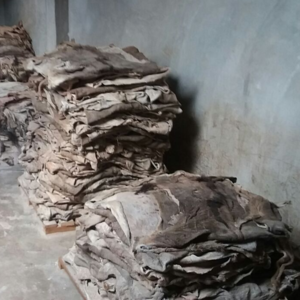
South Africa hosts AFG GLOBAL, a supplier that lists 24 distinct products in its catalogue. The list includes refined sunflower oil (HS 1512.19), dried pulses and legumes such as chickpeas and lentils (HS 0713.20), fresh citrus varieties like oranges and lemons (HS 0805.10), raw almond nuts (HS 0802.12), fresh whole apples (HS 0808.10), live bovine, ovine and caprine animals (HS 0102.29), mixed metal scrap containing copper, aluminium and steel (HS 7404.00), fish meal for animal feed (HS 2301.20), Grade A/AA fresh chicken eggs (HS 0407.21), virgin wood pulp paper (HS 4802.56), urea granules (HS 3102.10), sulphur granules (HS 2503.00), jute bags (HS 6305.10), vegetable‑oil based soap noodles (HS 3401.11), non‑GMO corn/maize (HS 1005.90), milk powder (HS 0402.21), chicken feet (HS 0207.14), canned sweet corn (HS 2008.95), caustic soda flakes (HS 2815.11), wheat grains (HS 1001.99) and live crab (HS 0306.32).
Product Range and Specialties of AFG GLOBAL
The catalogue groups products by common HS code families used in global trade. Sunflower oil is typically refined to an ICUMSA 45 colour, free fatty acid level below 0.1 % and peroxide value under 10 meq O₂/kg. Dried pulses are usually graded by moisture content (≤12 %) and protein level (15‑25 % for chickpeas, 20‑30 % for soybeans). Fresh citrus fruits are exported as US No. 1 or EU Class A, with Brix values between 11 and 13 and skin blemish limits below 5 %. Almonds and other raw nuts are commonly sold with moisture ≤5 %, aflatoxin < 5 µg kg⁻¹, and size grades such as 12‑14 mm. Live animal shipments follow HS 0102.29 and require health certificates, while metal scrap is classified by copper content (e.g., 99 % Cu cathodes) and must meet REACH compliance. Fish meal is usually 60‑65 % crude protein, with ash ≤10 % and heavy‑metal limits per Codex standards. These industry benchmarks provide buyers with clear quality expectations for the items listed by AFG GLOBAL.
Trade and Export Information - AFG GLOBAL
South Africa is a recognized exporter of agricultural commodities, metal scrap and industrial chemicals. Buyers in the EU, Middle East, North Africa and Southeast Asia frequently import the HS code families represented in AFG GLOBAL’s catalogue. Typical certifications requested for food items include ISO 22000, HACCP, and a phytosanitary certificate that confirms compliance with the importing country’s plant‑health regulations. For metal scrap, customs authorities often require a declaration of metal composition and a REACH‑compliant safety data sheet. Standard logistics involve 20‑ft or 40‑ft containers for bulk goods, jute bags for nuts, refrigerated containers for live animals and fresh produce, and bulk break‑bulk for scrap metal. Export documentation generally comprises a commercial invoice, packing list, bill of lading, certificate of origin and, where applicable, a sanitary or veterinary certificate.
Sourcing from AFG GLOBAL - Buyer Guidance
When sourcing from AFG GLOBAL, buyers should request a recent laboratory analysis report that covers moisture, protein, pesticide residues or heavy‑metal limits depending on the product category. For sunflower oil, ask for free fatty acid, peroxide value and ICUMSA colour; for pulses, request moisture and protein percentages; for nuts, request aflatoxin test results and size grading. Live animal purchases must be accompanied by a veterinary health certificate, quarantine clearance and transport permits. Metal scrap orders should be supported by an assay report indicating copper, aluminium and lead percentages, as well as an REACH compliance statement. Confirm packaging details - such as 25 kg jute bags for nuts or 1 ton bulk bags for urea - and verify that the supplier can meet standard Incoterms such as FOB or CIF for the target port.
Frequently Asked Questions About AFG GLOBAL
What HS codes does AFG GLOBAL use for its sunflower oil and how is the product classified?
Sunflower oil is listed under HS 1512.19, which covers refined vegetable oils not elsewhere specified. The product is described as Refined Sunflower Oil (Helianthus Annuus) and is typically exported in bulk containers.
Which certifications should a buyer request for the dried pulses offered by AFG GLOBAL?
Buyers should ask for a recent analysis report showing moisture ≤12 % and pesticide residue levels within Codex limits. Additional certifications such as ISO 22000 or HACCP are common for bulk pulse shipments.
How are fresh citrus fruits packaged for export and what documentation is required?
Fresh citrus fruits (HS 0805.10) are usually packed in ventilated cardboard boxes or export‑grade crates to preserve quality. Required documents include a phytosanitary certificate, certificate of origin and a commercial invoice.
What quality parameters are typical for raw almond nuts from AFG GLOBAL?
Raw almonds (HS 0802.12) are generally sold with moisture ≤5 %, aflatoxin < 5 µg kg⁻¹ and a size grade of 12‑14 mm. A buyer should request a lab report confirming these parameters.
Can AFG GLOBAL supply live bovine or ovine animals, and what are the export requirements?
Live bovine, ovine and caprine animals are listed under HS 0102.29. Export requires a veterinary health certificate, a certificate of origin and compliance with the importing country’s quarantine regulations.
What are the standard specifications for fish meal listed by AFG GLOBAL?
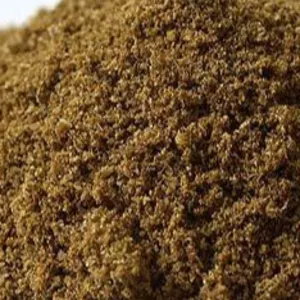
Fish meal (HS 2301.20) is typically 60‑65 % crude protein, ash ≤10 % and must meet heavy‑metal limits set by Codex. Buyers should request a recent proximate analysis and a heavy‑metal test report.
How is mixed metal scrap classified and what assay information should be obtained?
Mixed metal scrap is recorded under HS 7404.00 and includes copper, aluminium, steel and lead. An assay report detailing the percentage of each metal and a REACH compliance statement are essential before shipment.




 , South Africa