Uddup — Supplier
About Uddup - Sarees Supplier in India
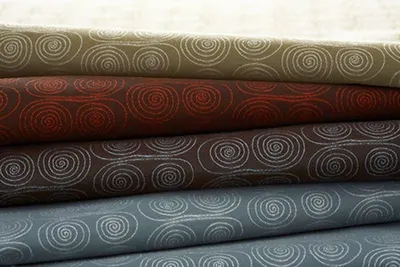
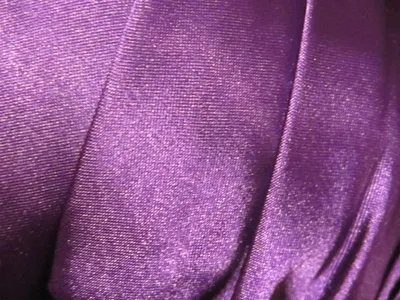
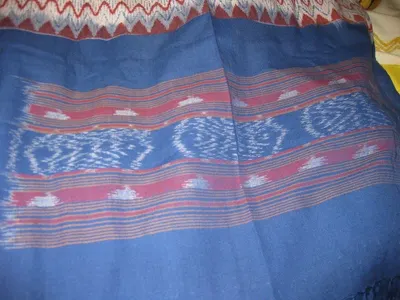
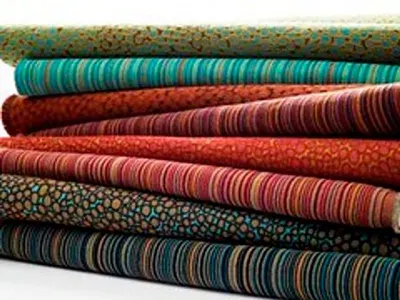
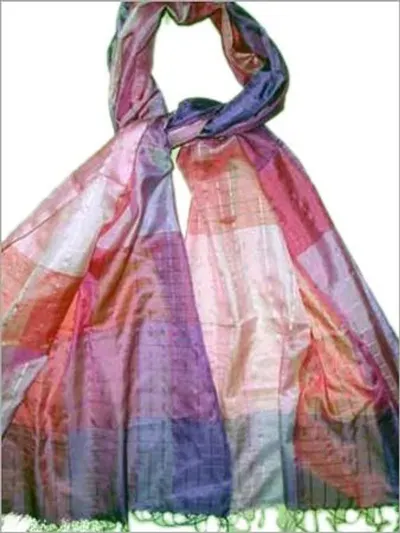
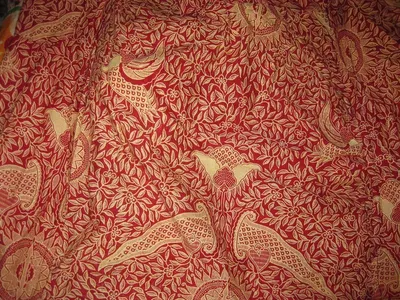
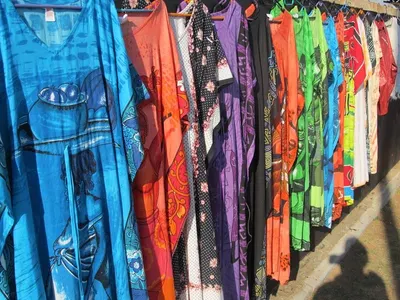
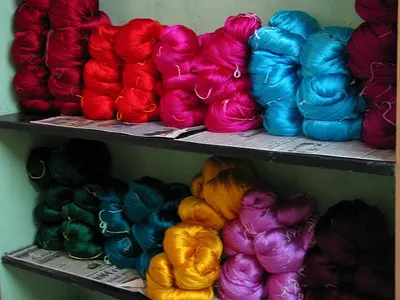
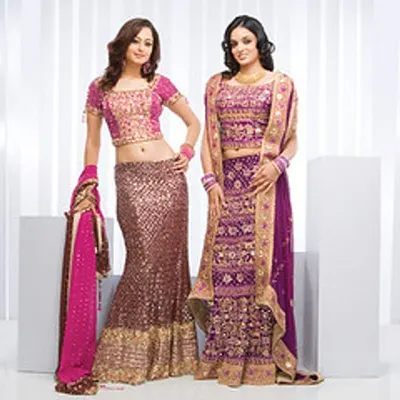
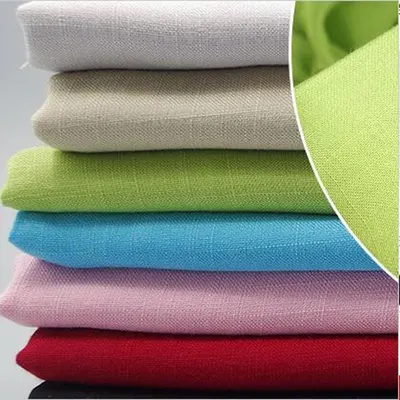
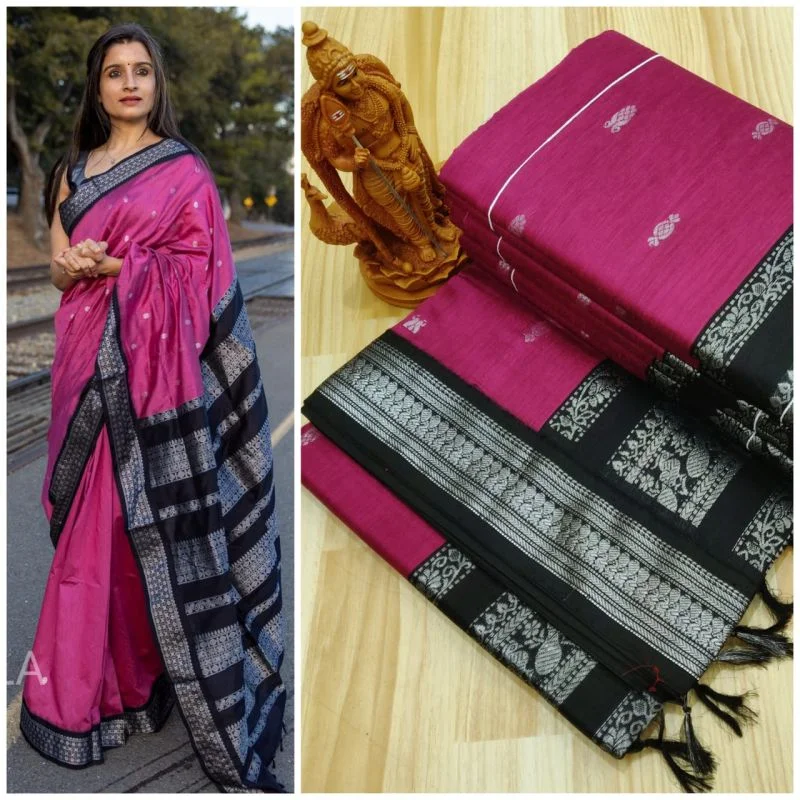
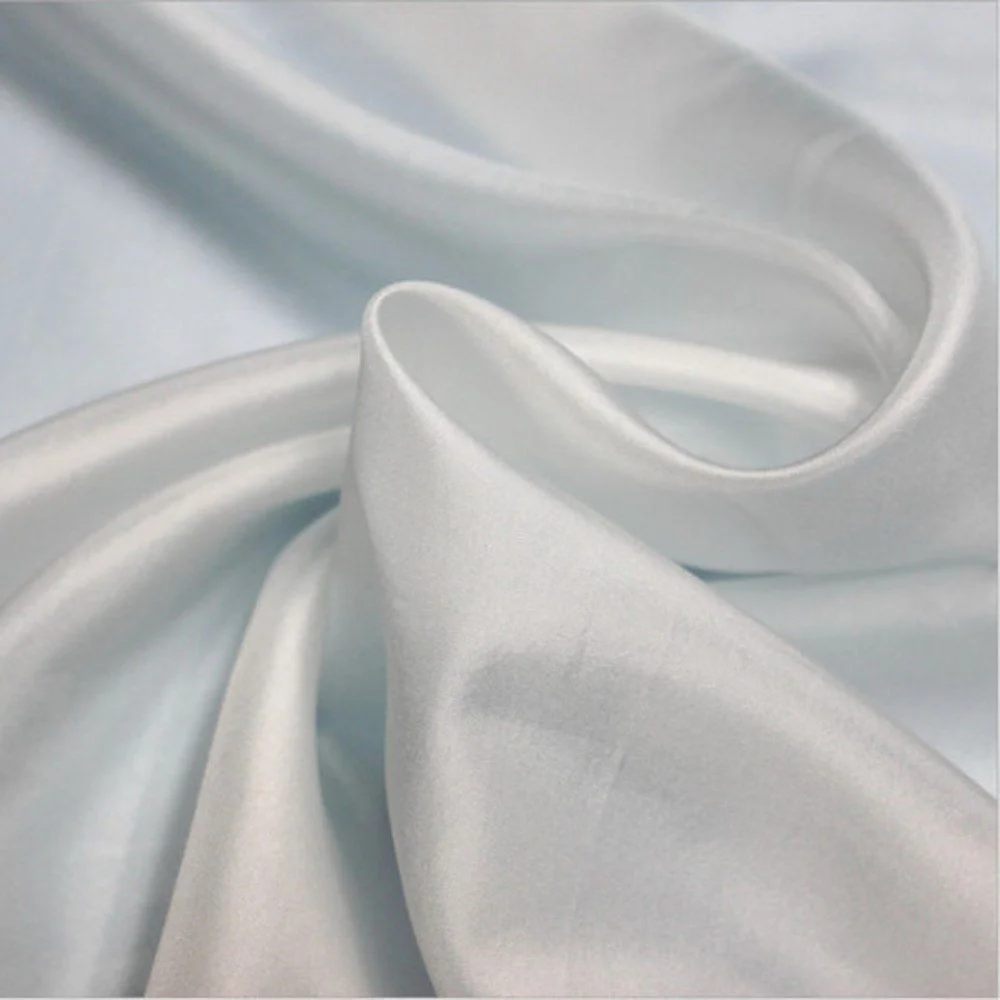
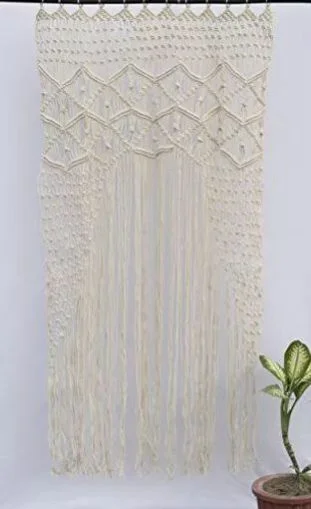
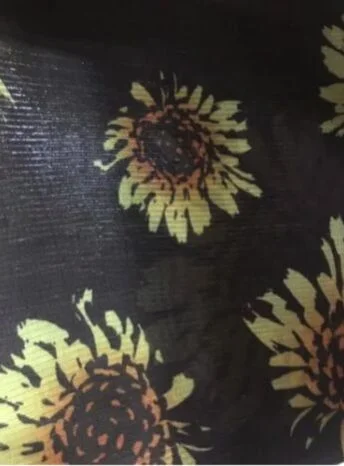
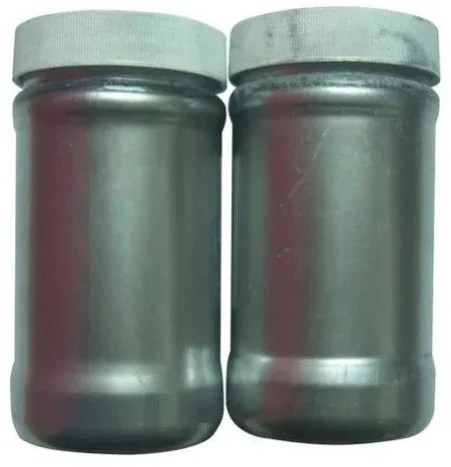
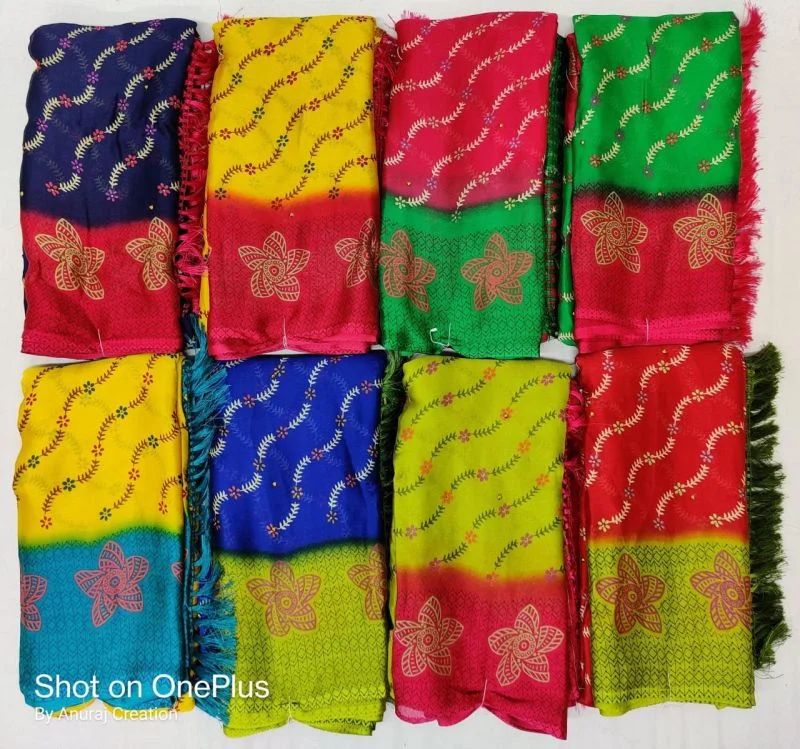
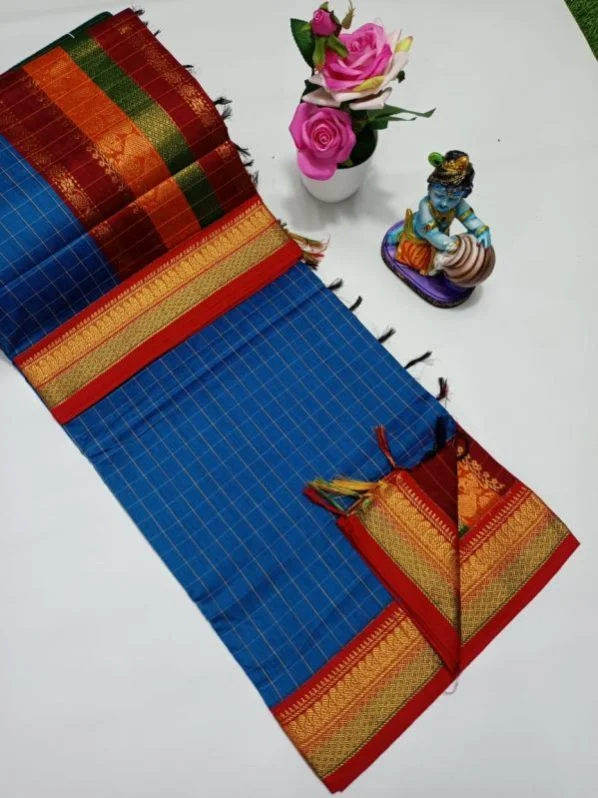
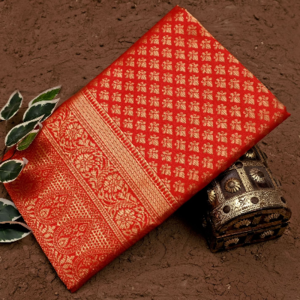
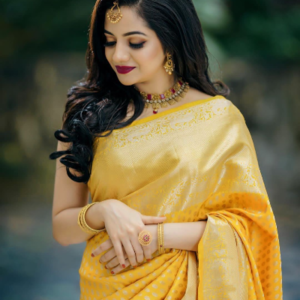
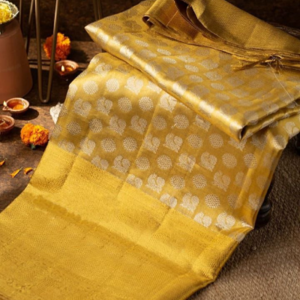
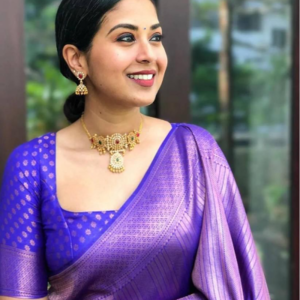
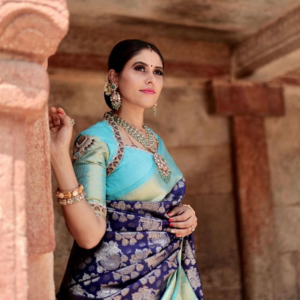
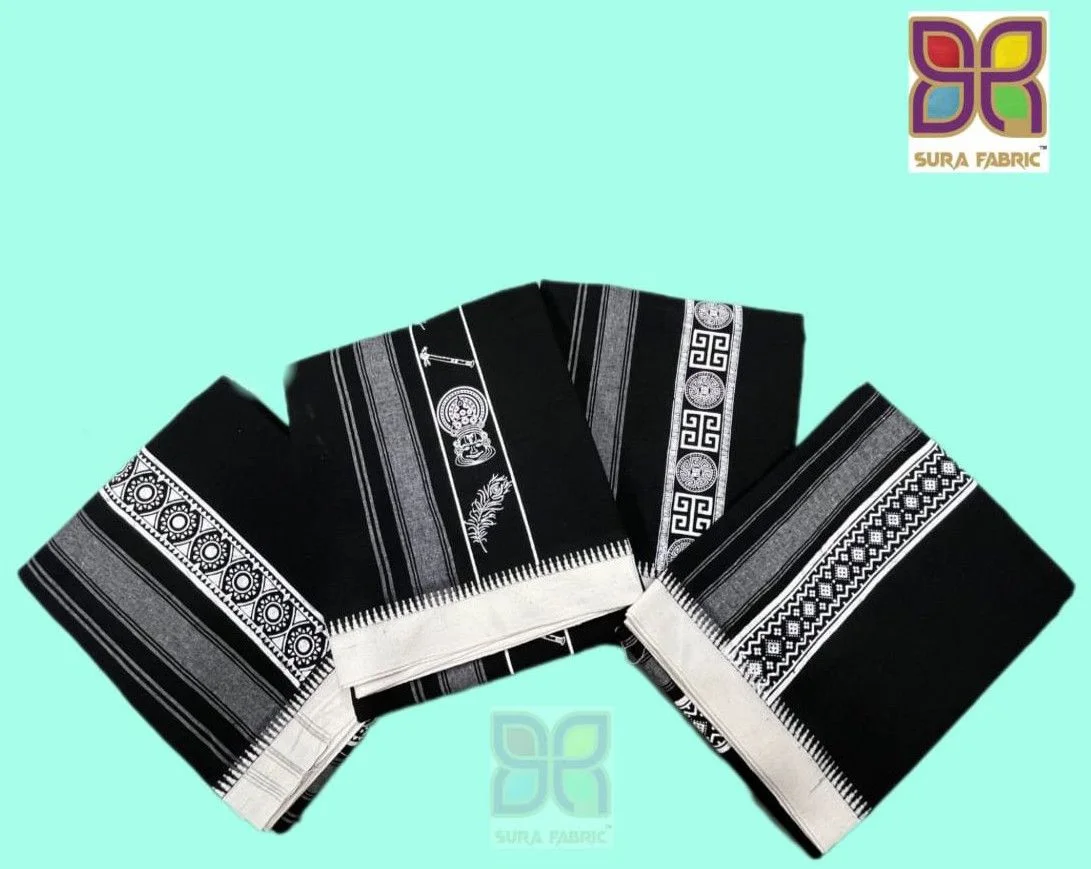
India hosts Uddup, a supplier that lists twelve active products across textile and related categories. The catalogue includes Exclusive Sarees, Customized Cotton Fabric, Silk Stole And Scarfs, dyeing on stoles, Raw Silk Sarees, Lenin Fabric Printing, Lenin Stoles, generic Fabrics, Designer Curtain, Cotton Sarong's, Lenin Fabrics From Uddup, and Satin Fabric. Each entry falls under the broader categories of Sarees, Scarves/Stoles, Cotton, Printing Inks, Knitted & Woven Fabrics, Curtains, and other ladies dresses or raw fabric material. The product titles indicate both finished garments such as sarees and curtains and raw textile inputs like cotton fabric and silk for further processing. Uddup’s catalogue therefore spans finished apparel, home décor textiles, and fabric‑based printing services.
The supplier’s catalogue does not specify HS codes, but the listed items belong to HS chapters 50 (silk), 51 (wool, fine or coarse animal hair), 52 (cotton), 53 (other vegetable textile fibres), 58 (woven fabrics), 59 (knitted fabrics), and 63 (other made‑up textile articles). The presence of Printing Inks suggests a complementary chemical segment that typically uses HS code 3213 for printing inks. By covering both raw materials (cotton, silk) and finished products (sarees, curtains), Uddup can serve buyers looking for end‑use garments as well as those needing base fabrics for further design or printing.
Product Range and Specialties of Uddup
Uddup’s product list features a mix of traditional Indian garments and fabric substrates. Exclusive Sarees and Raw Silk Sarees are typically woven from mulberry silk with a weight between 30‑45 g/m² and a silk content of 100 %, while Cotton Sarong's are made from 100 % cotton with a GSM range of 150‑200. The Customized Cotton Fabric and Lenin Fabrics From Uddup are offered in standard cotton counts such as 20s‑40s and may be supplied in widths of 1.2 m to 1.5 m. Silk Stole And Scarfs and Lenin Stoles usually employ silk or silk‑blend yarns with a typical length of 150‑180 cm and a drape weight of 40‑60 g/m². Printing services like Lenin Fabric Printing use water‑based or solvent inks that meet ISO 12647 colour standards, and the Designer Curtain line conforms to typical curtain fabric specifications of 250‑350 g/m², UV‑resistance and flame‑retardant treatments where required.
Industry practice for Indian textile exporters includes offering ICUMSA‑45 to ICUMSA‑70 cotton grades, silk grades such as Mulberry 6A‑8A, and fabric finishes like mercerisation or anti‑pilling treatments. Buyers often request detailed lab reports on fibre content, colour fastness (AATCC 61), and dimensional stability. For printed fabrics, the standard is a minimum of 300 dpi resolution and ink adhesion tests according to ASTM D-543. Uddup’s catalogue aligns with these typical specifications, allowing buyers to match product attributes with market requirements.
Trade and Export Information - Uddup
India is a major exporter of textiles and garments, with the European Union, United States, Middle East and Southeast Asian markets accounting for the largest share of textile imports. Products such as sarees, silk fabrics and printed cotton are classified under HS chapters 50‑63, which are subject to customs inspections for fibre composition, country of origin marking and, where applicable, compliance with the EU REACH chemical regulations. Common certifications requested by overseas buyers include ISO 9001 for quality management, Oeko‑Tex Standard 100 for harmful substance testing, and GOTS for organic cotton, although Uddup’s specific certifications are not listed in the provided facts. Typical export packaging involves compacted rolls or folded garments packed in double‑wall corrugated cartons, with container loads ranging from 20‑ft (≈18 m³) to 40‑ft (≈36 m³) containers depending on product volume. Incoterms most frequently used for Indian textile shipments are FOB Mumbai or CIF Dubai, reflecting the logistical hubs used for onward distribution.
Regulatory considerations for Indian textile exports include compliance with the Cotton Textiles (Inspection and Certification) Regulations and the Silk Export Policy, which set limits on permissible pesticide residues and require phytosanitary certificates for raw silk. Buyers importing printing inks must verify that the inks meet the destination country’s hazardous substances limits, often through a Safety Data Sheet (SDS) and conformity to ISO 9001 or ISO 14001 environmental standards. Understanding these industry‑wide requirements helps buyers align Uddup’s product offerings with import regulations and quality expectations.
Sourcing from Uddup - Buyer Guidance
When sourcing from Uddup, buyers should first request a product sample that includes a fabric swatch or a finished garment piece, accompanied by a lab report detailing fibre composition, GSM, colour fastness and any applicable treatment finishes. For printed fabrics, a printed sample with the intended ink type (water‑based or solvent) should be examined for colour consistency, edge sharpness and resistance to washing (AATCC 61) and light (ISO 105‑B02). Buyers are advised to confirm the presence of any certifications such as Oeko‑Tex or ISO‑9001, and to obtain a declaration of conformity for the HS codes used (e.g., 5208 for woven cotton fabrics, 6204 for women’s garments).
Typical minimum order quantities (MOQs) for raw fabrics range from 500 kg to 1 ton, while finished garments like sarees may have MOQs of 200‑300 pieces, depending on design complexity and dyeing requirements. Lead times for customized cotton fabric or silk printing generally span 30‑45 days from order confirmation, with additional time for sample approval. Buyers should verify packaging dimensions, weight per carton and whether the supplier can accommodate container‑load consolidation, especially when ordering a mix of garments and raw fabrics.
Frequently Asked Questions About Uddup
What textile categories does Uddup list in its catalogue?
Uddup lists items in the Sarees, Scarves/Stoles, Cotton, Printing Inks, Knitted & Woven Fabrics, Curtains and other ladies dresses or raw fabric material categories.
How many distinct products are shown in Uddup’s active catalogue?
The catalogue contains twelve distinct product entries, ranging from Exclusive Sarees to Satin Fabric.
Which HS code chapters are relevant to Uddup’s products?
Typical HS chapters are 50 for silk, 52 for cotton, 58 for woven fabrics, 59 for knitted fabrics, 63 for other textile articles, and 3213 for printing inks.
What specifications should a buyer request for Uddup’s silk sarees?
Buyers should ask for silk content (100 % mulberry), fabric weight (30‑45 g/m²), length (typically 5‑6 m), colour fastness ratings and a certificate of origin.
Are certifications such as Oeko‑Tex or ISO‑9001 required for these textiles?
These certifications are commonly requested for Indian textile exports; buyers should verify whether Uddup holds them or request supporting test reports.
What is a typical MOQ for Uddup’s customized cotton fabric?
MOQ for custom cotton fabric usually starts at 500 kg, with fabric width options of 1.2 m or 1.5 m and GSM between 150‑200.
How long does it take to produce printed fabric orders?
Printed fabric orders generally require 30‑45 days from design approval, including printing, drying and quality inspection.
What packaging and shipping formats are used for Uddup’s textile products?
Products are packed in double‑wall corrugated cartons, stacked on pallets for sea freight, with typical container loads of 20‑ft or 40‑ft depending on volume.




 , India