Rojasilks — Verified Supplier
About Rojasilks - Sarees Supplier in India
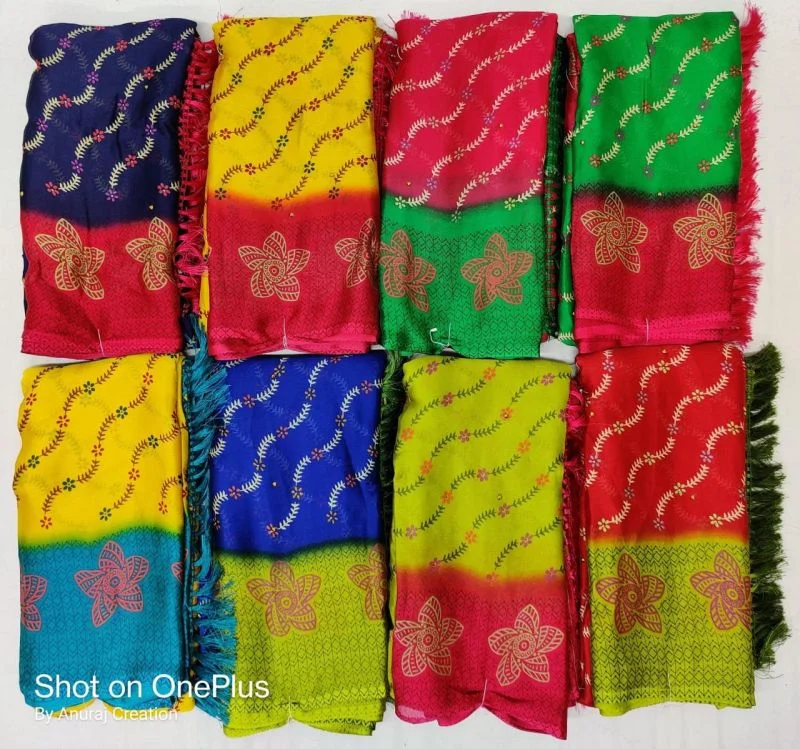
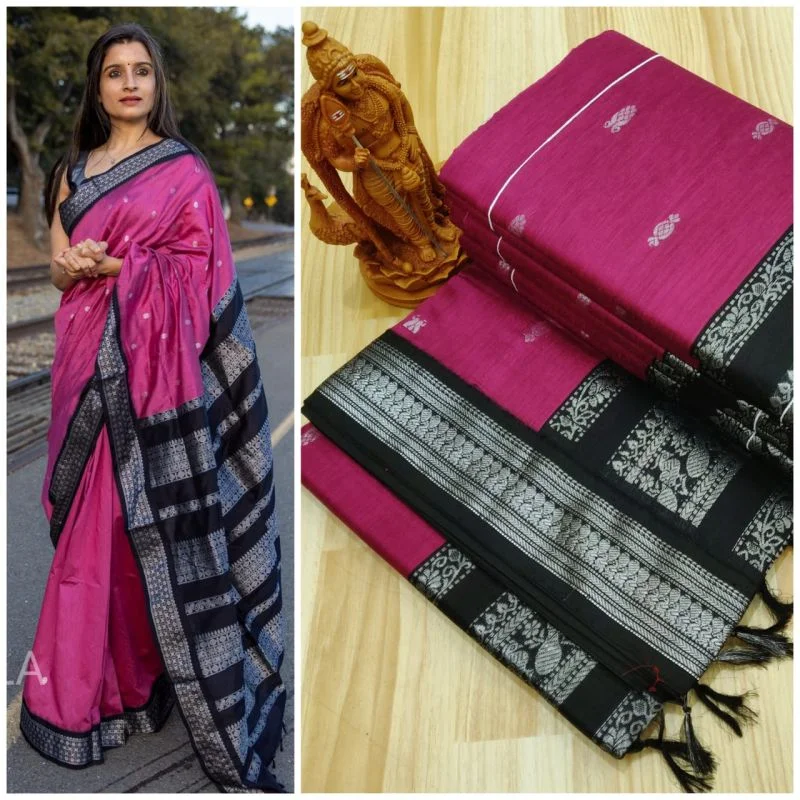
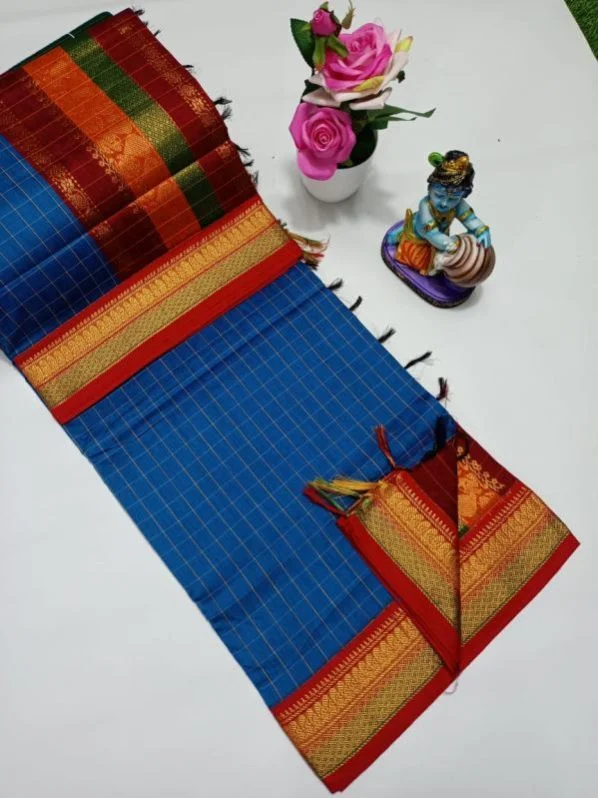
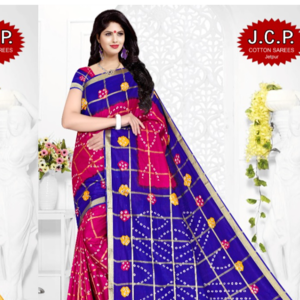
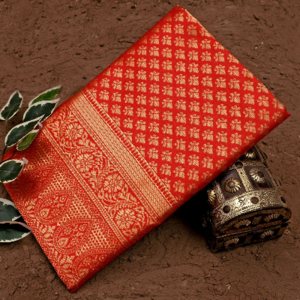
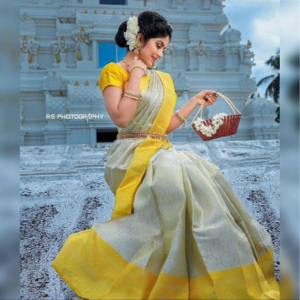
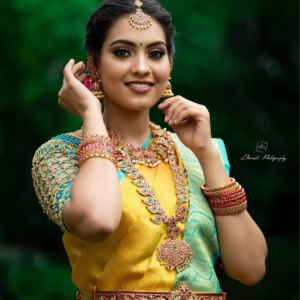
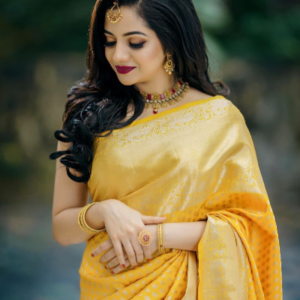
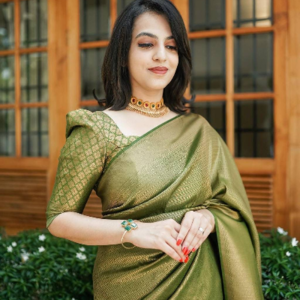
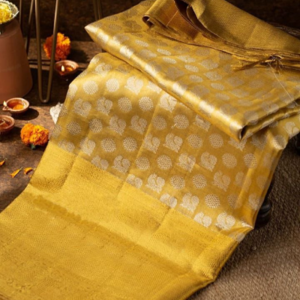
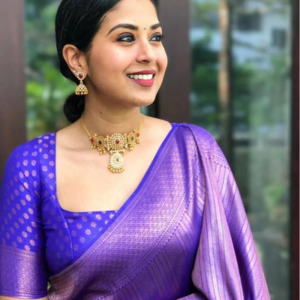
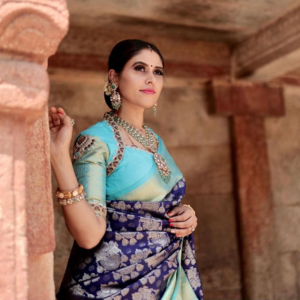
Rojasilks, located in India, offers a diverse range of 20 active products, primarily focusing on Sarees. Their product catalogue includes various types of Sarees, such as Swarnalatha saree, Sneha saree, Poornima saree, and more. Buyers can expect to find a wide variety of Sarees, each with its unique characteristics and designs. The Sarees industry in India is known for its rich cultural heritage and traditional craftsmanship. Exporters of Sarees from India typically cater to buyers from around the world, particularly from regions with a strong affinity for Indian textiles.
The Sarees supplied by Rojasilks are part of the larger Indian textile industry, which is renowned for its quality fabrics and intricate designs. The country's textile sector is one of the oldest and most significant contributors to its economy. India's Sarees exporters often adhere to international standards and regulations, ensuring that their products meet the required quality and safety norms.
Product Range and Specialties of Rojasilks
Rojasilks' product range includes various types of Sarees, each made from quality materials and crafted with attention to detail. The Sarees industry typically involves the use of natural fibers like silk, cotton, and wool, as well as synthetic fibers like polyester and nylon. Buyers of Sarees usually look for products that meet specific standards, such as the Indian government's Handloom Mark or the Silk Mark, which guarantee the authenticity and quality of the products.
In the Sarees category, buyers often request samples and test reports to verify the quality and authenticity of the products. The typical specifications for Sarees include factors like fabric type, weave, and design. The common materials used in Sarees production include silk, cotton, and blends of these fibers. Variants of Sarees may differ in terms of their fabric, embroidery, or print.
Trade and Export Information - Rojasilks
Exporters of Sarees from India, like Rojasilks, typically cater to buyers from regions with a strong demand for traditional Indian textiles. The HS code for Sarees is usually 6204 or 6211, depending on the type of fabric and embroidery. Buyers of Sarees usually require certifications like the Handloom Mark or the Silk Mark, which ensure the products' quality and authenticity. The Sarees industry is subject to regulations like the Textile Policy and the Export-Import Policy of India.
The logistics and packaging of Sarees exports from India usually involve careful handling and storage to prevent damage. The common Incoterms used in Sarees exports are CIF (Cost, Insurance, and Freight) or FOB (Free on Board). The origin country's export context for Sarees involves adherence to international standards and regulations, ensuring that the products meet the required quality and safety norms. The typical target markets for Indian Sarees exporters include countries in the Middle East, Europe, and North America.
Sourcing from Rojasilks - Buyer Guidance
When sourcing from Rojasilks, buyers should request specifications, samples, and test reports to verify the quality and authenticity of the Sarees. It is essential to confirm the products' compliance with international standards and regulations. Buyers should also verify the supplier's certifications, like the Handloom Mark or the Silk Mark, to ensure the products' quality and authenticity.
Buyers of Sarees should be aware of the typical quality parameters and tests involved in the Sarees industry. The common quality parameters include factors like fabric type, weave, and design. The typical tests involved include checking for color fastness, shrinkage, and fabric strength. It is crucial to confirm the MOQ (Minimum Order Quantity) and lead time with the supplier to ensure a smooth and timely delivery.
Frequently Asked Questions About Rojasilks
What types of Sarees does Rojasilks offer?
Rojasilks offers a diverse range of Sarees, including Swarnalatha saree, Sneha saree, Poornima saree, and more. Each type of Saree has its unique characteristics and designs.
What is the typical material used in Sarees production?
The common materials used in Sarees production include silk, cotton, and blends of these fibers. The choice of material often depends on the desired quality, durability, and price of the final product.
What certifications should buyers request from Rojasilks?
Buyers should request certifications like the Handloom Mark or the Silk Mark, which guarantee the authenticity and quality of the Sarees. These certifications ensure that the products meet international standards and regulations.
What is the typical MOQ and lead time for Sarees orders?
The MOQ and lead time for Sarees orders may vary depending on the supplier and the specific product. Buyers should confirm these details with Rojasilks to ensure a smooth and timely delivery.
How do buyers verify the quality and authenticity of Sarees?
Buyers can verify the quality and authenticity of Sarees by requesting specifications, samples, and test reports. They should also check for certifications like the Handloom Mark or the Silk Mark, and confirm the products' compliance with international standards and regulations.
What is the common Incoterms used in Sarees exports?
The common Incoterms used in Sarees exports are CIF (Cost, Insurance, and Freight) or FOB (Free on Board). Buyers should confirm the Incoterms with Rojasilks to ensure a smooth and efficient delivery.
What are the typical target markets for Indian Sarees exporters?
The typical target markets for Indian Sarees exporters include countries in the Middle East, Europe, and North America. These regions have a strong demand for traditional Indian textiles and are major importers of Sarees.
What regulations do Sarees exporters from India need to adhere to?
Sarees exporters from India need to adhere to international standards and regulations, as well as the country's Textile Policy and Export-Import Policy. They must ensure that their products meet the required quality and safety norms.




 , India