TN Online Solutions — Verified Supplier
About TN Online Solutions - Dried Nuts Supplier in United States
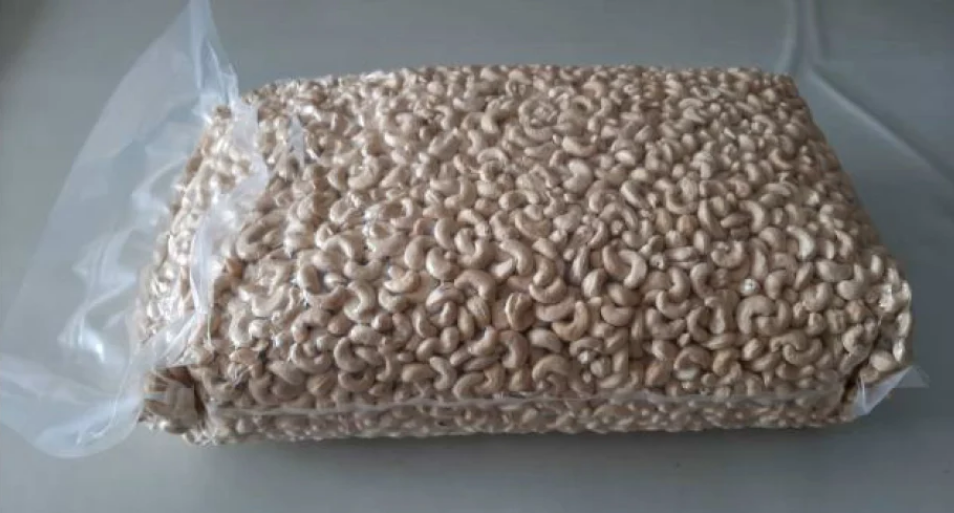
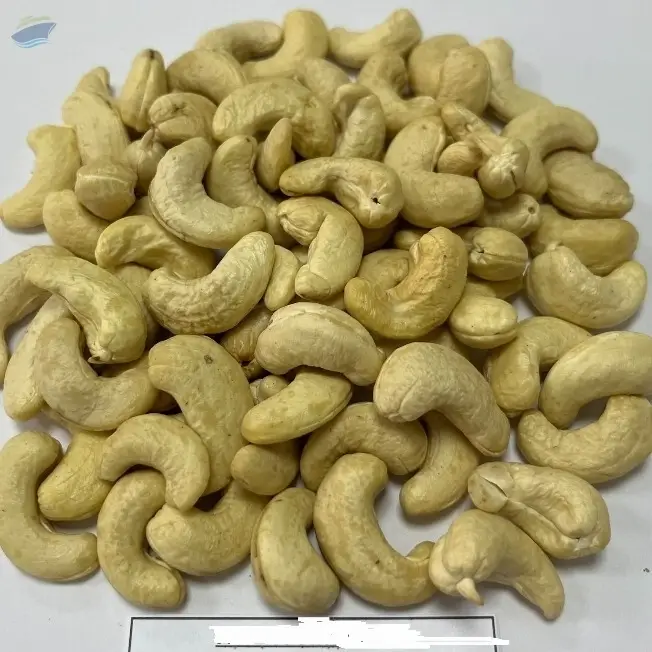
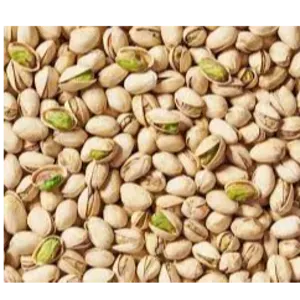
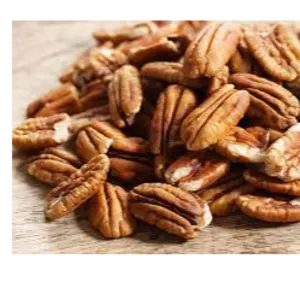
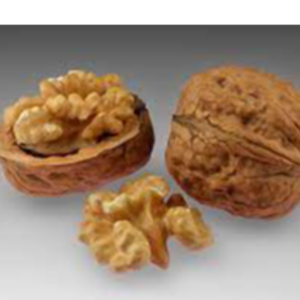
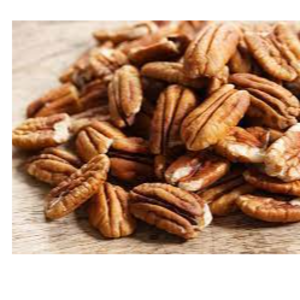
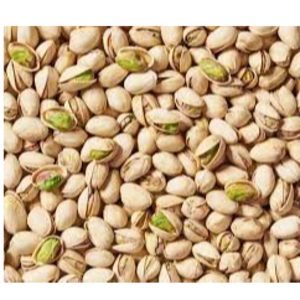
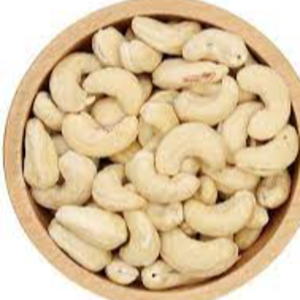
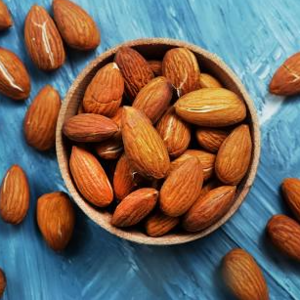
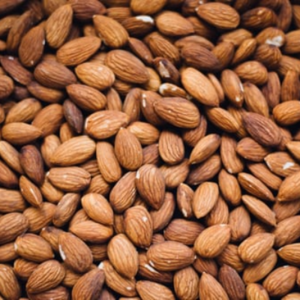
United States, California, hosts TN Online Solutions with an active product count of nine distinct nut items. The catalogue lists almonds (HS 0802.12), walnuts - organic and shelled (HS 0802.32), pecans (HS 0802.92), pistachios in‑shell (HS 0802.51), macadamia both in‑shell and kernel (HS 0802.60), and raw cashew kernels (HS 0801.32). Additional entries for cashew nuts, pistachio nuts and macadamia nuts appear without HS codes, bringing the total to nine products across the HS 0801 and HS 0802 families.
The listed products cover raw, in‑shell, shelled and organic variants that are typical for the U.S. nut export segment. Industry practice separates grade‑1 kernels by size (e.g., almonds 8‑12 mm, walnuts 25‑35 mm) and limits moisture to below 5 % for shelf stability. Standard packaging includes 20 kg or 25 kg food‑grade polypropylene bags, and full‑container loads of 18‑20 tonnes in a 40 ft container are common for these commodities.
Product Range and Specialties of TN Online Solutions
TN Online Solutions’ catalogue contains raw almonds, organic shelled walnuts, fresh or dried pecans, raw in‑shell pistachios, raw in‑shell and kernel macadamia, and raw cashew kernels, each identified by specific HS sub‑headings. In the broader nut trade, buyers typically request US Grade No.1 kernels, size classifications, shelling percentages above 95 % for shelled nuts, and aflatoxin limits not exceeding 10 ppb. Common material specifications also include a maximum oil content of 50 % for pistachios and a minimum kernel recovery of 55 % for macadamia.
Additional industry standards frequently applied to U.S. nuts are ISO 22000 for food safety management, HACCP plans, and USDA Organic certification when the product is marketed as organic. Export shipments are usually palletized on wooden pallets with a 1 m × 1 m footprint, allowing efficient container loading and handling.
Trade and Export Information - TN Online Solutions
The United States is a major exporter of tree nuts, with primary destinations in the European Union, the Middle East (UAE, Saudi Arabia), and East Asia (China, Japan, South Korea). HS 0801 covers cashew nuts, while HS 0802 encompasses almonds, walnuts, pecans, pistachios, macadamia and other tree nuts; customs authorities often inspect these codes for tariff rates and phytosanitary compliance. Importers typically require a Phytosanitary Certificate, a Certificate of Origin, and, where applicable, USDA Organic or Non‑GMO verification. Packaging for international freight follows food‑grade standards, with bags sealed in 20 kg or 25 kg units, placed in 40 ft containers under FOB California or CIF terms depending on buyer preference.
U.S. exporters must comply with FDA food safety regulations, and many buyers request ISO 9001 or ISO 22000 audit reports as part of the due‑diligence process. Moisture content, aflatoxin levels and shelling percentages are routinely tested by accredited labs before loading.
Sourcing from TN Online Solutions - Buyer Guidance
Buyers should request a product specification sheet that lists size range, moisture content, shelling yield, aflatoxin test results and any organic or non‑GMO certifications. A sample batch of 5 kg is standard for quality verification, allowing the buyer to assess flavor, texture and compliance with size grades before confirming a full order. Verify that the HS code on the commercial invoice matches the specific nut variety and that the accompanying Phytosanitary Certificate reflects the correct origin state (California).
When negotiating terms, confirm the supplier’s packaging format (e.g., 20 kg PP bags) and container loading plan to ensure compatibility with the buyer’s warehouse equipment. Request copies of any ISO 22000/HACCP audit reports, USDA Organic certificates or other third‑party test reports that are relevant to the buyer’s market requirements. Confirm lead time - typical U.S. nut exporters quote 30‑45 days from order confirmation to shipment, subject to seasonal harvest windows.
Frequently Asked Questions About TN Online Solutions
What nut varieties does TN Online Solutions list in its catalogue?
The catalogue includes raw almonds (HS 0802.12), organic shelled walnuts (HS 0802.32), pecans (HS 0802.92), raw in‑shell pistachios (HS 0802.51), raw in‑shell and kernel macadamia (HS 0802.60) and raw cashew kernels (HS 0801.32), plus entries for cashew nuts, pistachio nuts and macadamia nuts without HS codes.
Which HS codes are associated with the listed products?
Almonds use HS 0802.12, walnuts HS 0802.32, pecans HS 0802.92, pistachios HS 0802.51, macadamia HS 0802.60, and cashews HS 0801.32. The three additional entries lack specific HS codes in the catalogue.
What are the typical packaging sizes for these nuts?
Industry practice for U.S. tree nuts is to pack kernels in food‑grade polypropylene bags of 20 kg or 25 kg. Full‑container loads usually consist of 18‑20 tonnes in a 40 ft container.
Which certifications should a buyer request from this supplier?
Buyers normally request a Phytosanitary Certificate, Certificate of Origin, and, where applicable, USDA Organic or Non‑GMO certificates. Food safety audits such as ISO 22000 or HACCP reports are also commonly required.
What quality parameters are typically tested for these nuts?
Key parameters include size grading (e.g., almonds 8‑12 mm), moisture content below 5 %, shelling yield above 95 % for shelled products, and aflatoxin levels not exceeding 10 ppb. Oil content and kernel recovery are also monitored for pistachios and macadamia.
What is the usual lead time for an order from TN Online Solutions?
Typical lead times range from 30 to 45 days from order confirmation to shipment, depending on harvest season and container availability.
How can a buyer obtain a sample before placing a full order?
A standard sample size of 5 kg can be requested; the supplier will ship the sample in a sealed bag with accompanying test results for moisture, size and aflatoxin.
What Incoterms are commonly used for shipping these nuts from California?
Exporters from California often quote FOB California for buyers who arrange freight, while CIF to the destination port is also offered when the buyer prefers the supplier to handle shipping costs.




 , United States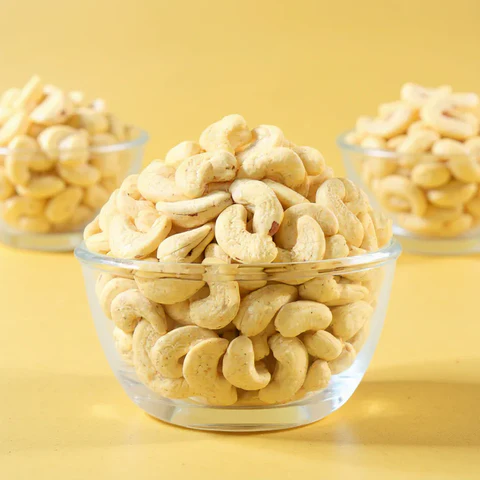








.jpg.png)