Thai Sataworn Trading Co., Ltd. — Verified Supplier
About Thai Sataworn Trading Co., Ltd. - Rice Supplier in Thailand
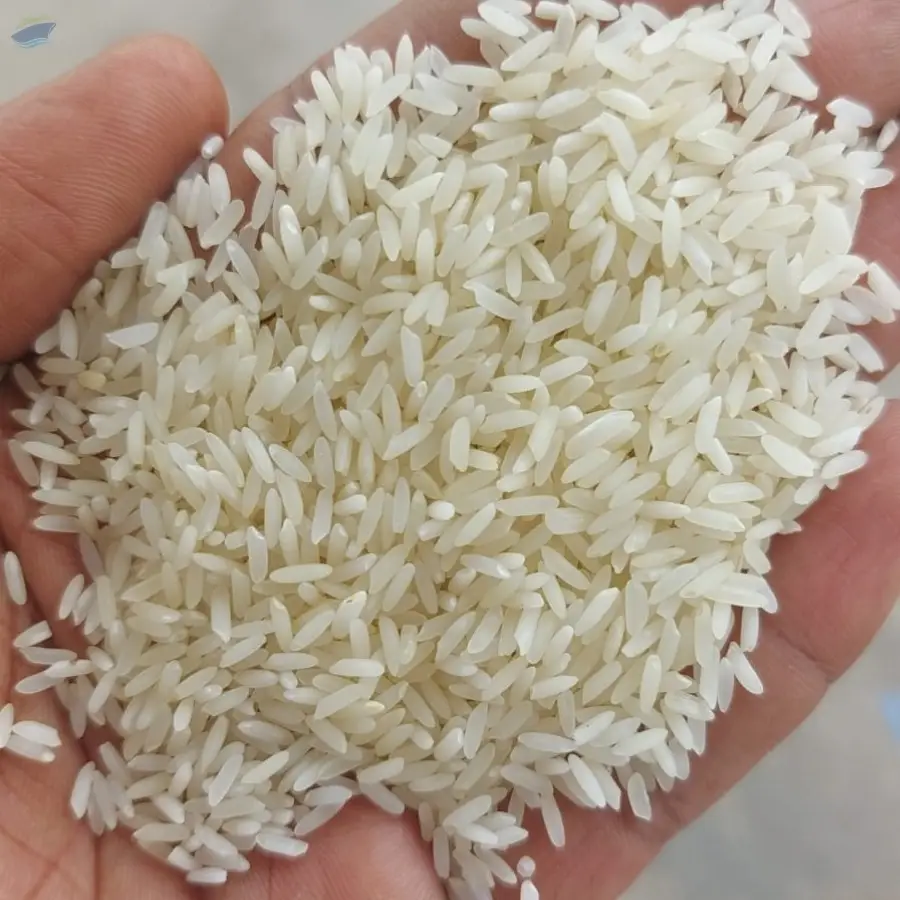
Thai Sataworn Trading Co., Ltd. operates from Thailand and currently lists five active products in its catalogue. The catalogue covers two top categories - Broken Rice and Rice - and includes Jasmine fragrant rice, Thai white long grain rice, Broken rice, Cargo rice and Parboiled rice 100% sotexed. Each product is presented under the broader HS‑10 heading for cereals, specifically the 1006 sub‑heading that groups milled or polished rice and broken rice. The supplier’s product set reflects the typical Thai rice export portfolio that spans both specialty and bulk grades.
The five items fall under the HS code family 1006.30 for milled rice and 1006.90 for broken rice, which are the standard tariff classifications used by most importing countries. Thai rice exporters usually provide a phytosanitary certificate, a certificate of origin and, where required, ISO 22000 or HACCP documentation to satisfy food safety regulations. The catalogue does not list any additional certifications held by the supplier, so buyers should request the relevant certificates during the quotation process.
Product Range and Specialties of Thai Sataworn Trading Co., Ltd.
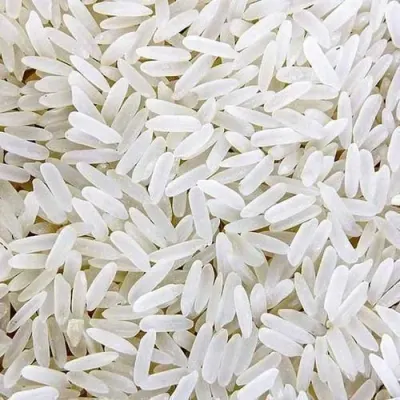
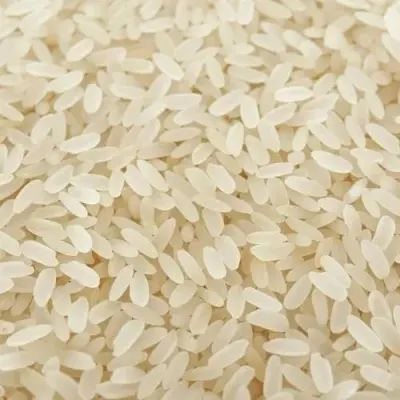
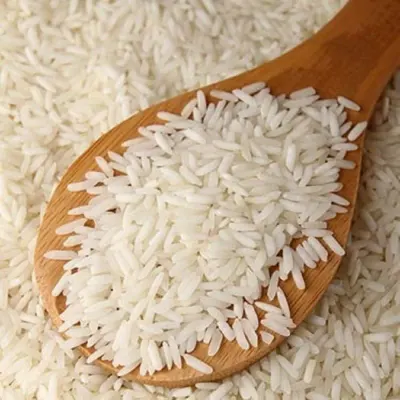
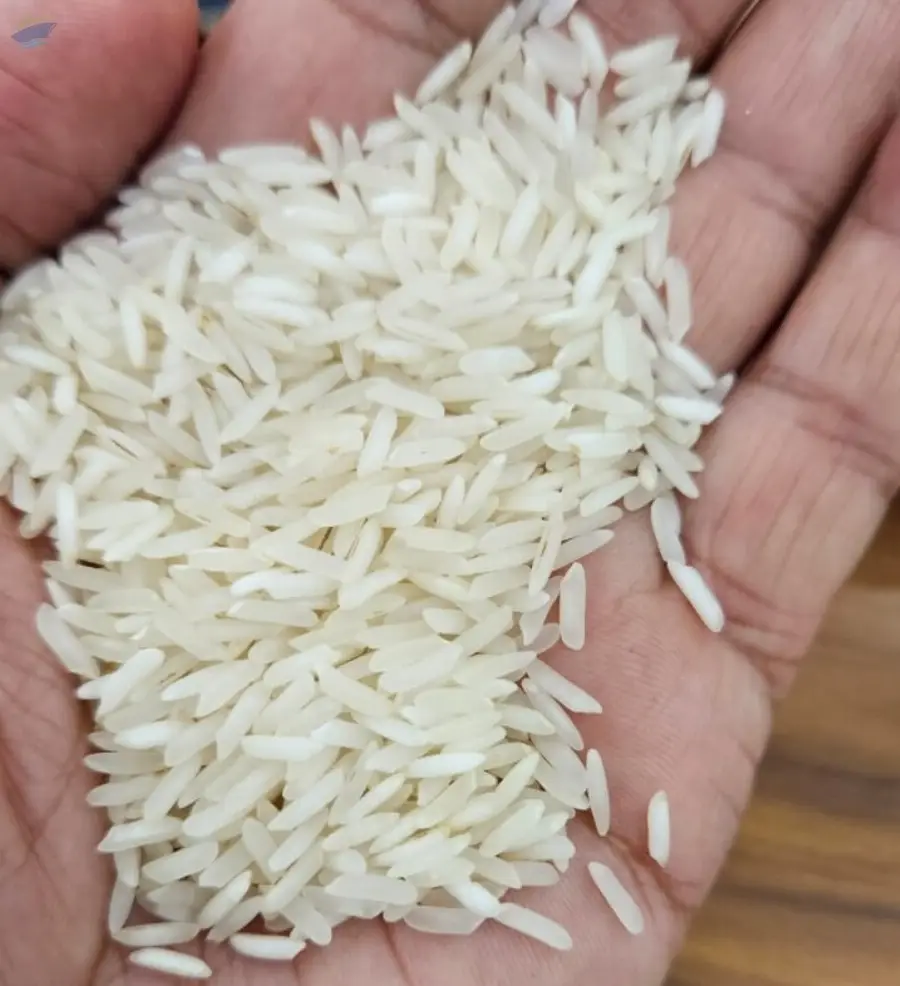
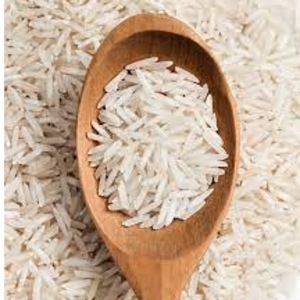
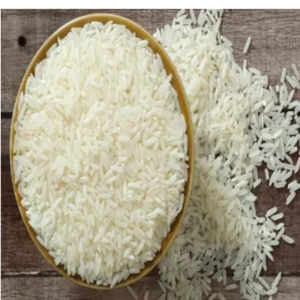
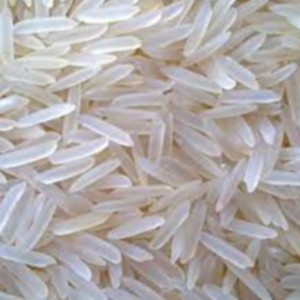
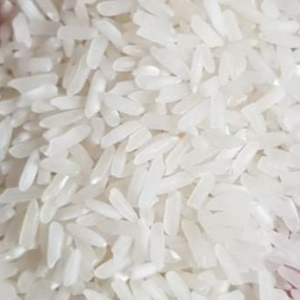
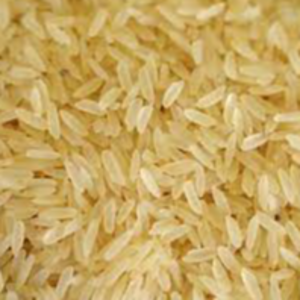
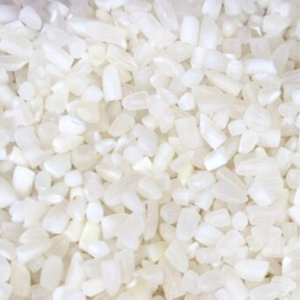
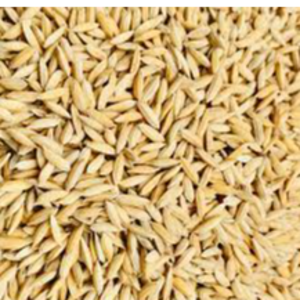
The catalogue offers Jasmine fragrant rice, a premium long‑grain variety known for its aromatic profile and a typical moisture content of 12‑14 %. Thai white long grain rice is a standard milled white rice with a head‑rice recovery of 70‑75 % and broken rice content below 5 %. Broken rice is listed as a bulk commodity, usually sized between 3‑5 mm and sold in large sacks for industrial use. Cargo rice refers to bulk shipments of milled rice packed in 25 kg woven bags or bulk containers, commonly used for large‑scale distribution. Parboiled rice 100 % sotexed is a fully parboiled product where the grains are pre‑steamed, resulting in a firmer texture and a typical amylose content of 22‑24 %.
Industry standards for these Thai rice varieties include ICUMSA colour grades (e.g., ICUMSA 30‑35 for premium white rice) and aroma intensity measured by sensory panels for Jasmine rice. Broken rice is frequently graded by particle size and percentage of fines, while parboiled rice is evaluated for head‑rice recovery and moisture uniformity. Buyers often specify these parameters in purchase orders to ensure consistency across shipments.
Trade and Export Information - Thai Sataworn Trading Co., Ltd.
Thailand is one of the world’s largest exporters of milled and parboiled rice, with major destination markets in the Middle East, Africa, Europe and Southeast Asia. The HS‑10 chapter covering cereals is routinely inspected by customs authorities, and shipments of rice from Thailand are subject to phytosanitary inspection and, where applicable, residue testing for pesticides such as chlorpyrifos and organophosphates. Commonly required certifications include ISO 22000, HACCP, and a certificate of analysis confirming moisture (12‑14 %), broken rice ratio (<5 %) and compliance with maximum pesticide residue limits set by the EU or the US FDA.
Typical export packaging consists of 25 kg polypropylene woven bags placed on wooden pallets, with a 20‑foot container capable of holding approximately 900‑1,000 bags (≈22‑25 tonnes). Buyers may also receive bulk shipments in bulk‑handling containers for cargo rice. Preferred Incoterms are FOB Thailand Port (Laem Chabang or Bangkok) or CIF to the buyer’s destination port, depending on the buyer’s logistics preferences.
Sourcing from Thai Sataworn Trading Co., Ltd. - Buyer Guidance
When sourcing rice from Thai Sataworn Trading Co., Ltd., buyers should request a sample analysis covering moisture content, broken rice percentage, colour grade (ICUMSA) and pesticide residue levels. Asking for the latest phytosanitary certificate, certificate of origin and any food‑safety certifications (ISO 22000 or HACCP) will help verify compliance with importing country regulations. Verify the packaging specifications - 25 kg woven bags, pallet dimensions and container loading plan - to ensure compatibility with the buyer’s warehouse handling equipment.
Confirm the lead time for each product, which typically ranges from 15 to 30 days for milled rice and up to 45 days for bulk cargo rice, depending on harvest season and shipping schedules. Buyers should also clarify the minimum order quantity, often expressed in metric tonnes (e.g., 5 tonnes for sample orders, 20 tonnes for regular shipments), and agree on the inspection regime, such as pre‑shipment inspection by an accredited third‑party agency.
Frequently Asked Questions About Thai Sataworn Trading Co., Ltd.
What rice varieties does Thai Sataworn Trading Co., Ltd. offer?
The supplier lists Jasmine fragrant rice, Thai white long grain rice, broken rice, cargo rice and 100 % sotexed parboiled rice, covering both premium and bulk grades.
Which HS code is applied to the rice products?
Thai rice exports fall under HS chapter 10, heading 1006 - milled or polished rice (1006.30) and broken rice (1006.90).
What certifications should a buyer request?
Buyers should request a phytosanitary certificate, certificate of origin and any food‑safety certifications the supplier holds, such as ISO 22000 or HACCP, plus a certificate of analysis for each batch.
What are the typical packaging and container capacities?
Products are packed in 25 kg woven bags, stacked on pallets; a 20‑foot container can accommodate about 900‑1,000 bags (≈22‑25 tonnes) and a 40‑foot container roughly double that volume.
What quality parameters are normally inspected?
Key parameters include moisture content (12‑14 %), broken rice ratio (<5 % for whole grain), ICUMSA colour grade (30‑35 for premium white rice) and compliance with pesticide residue limits.
What is the usual lead time for an order?
Lead times range from 15 days for milled rice to 45 days for bulk cargo rice, depending on harvest timing and shipping arrangements.
How can a buyer obtain a sample?
Buyers can request a small‑quantity sample (typically 5 kg) shipped under FOB terms; the supplier will provide a certificate of analysis with the sample.
Which markets commonly import Thai rice?
Major import markets include countries in the Middle East, Africa, the European Union and Asian regions such as the United Arab Emirates, Saudi Arabia, Kenya, Saudi Arabia, the Netherlands and Japan.




 , Thailand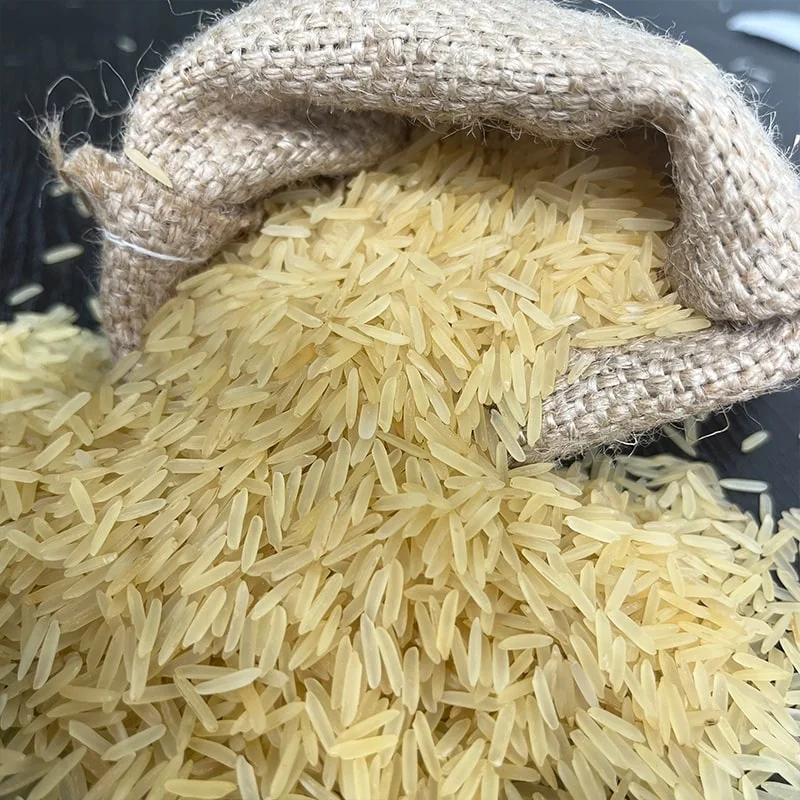

.jpg.png)