Tarbigem — Verified Supplier
About Tarbigem - Soybean Meal Supplier in Turkey
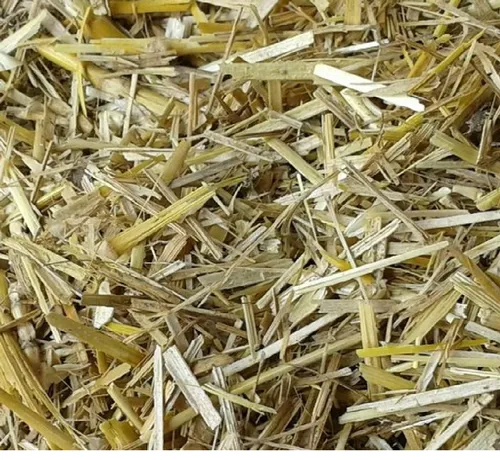
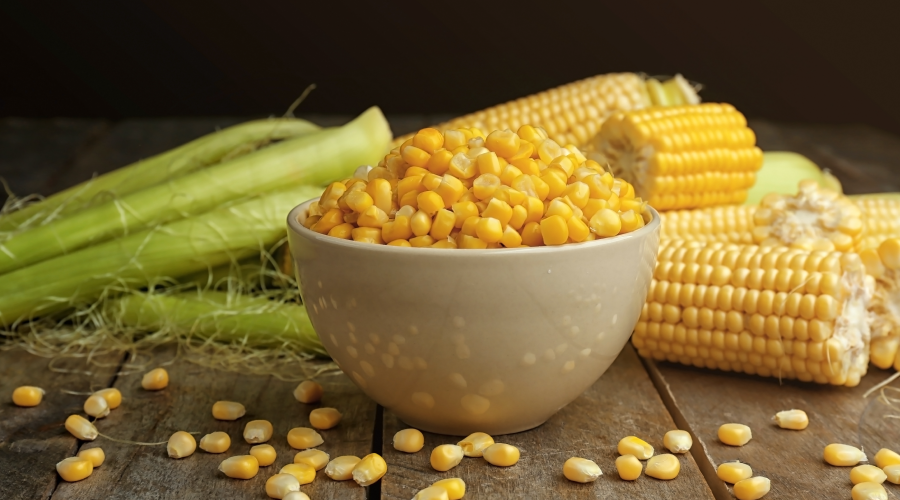
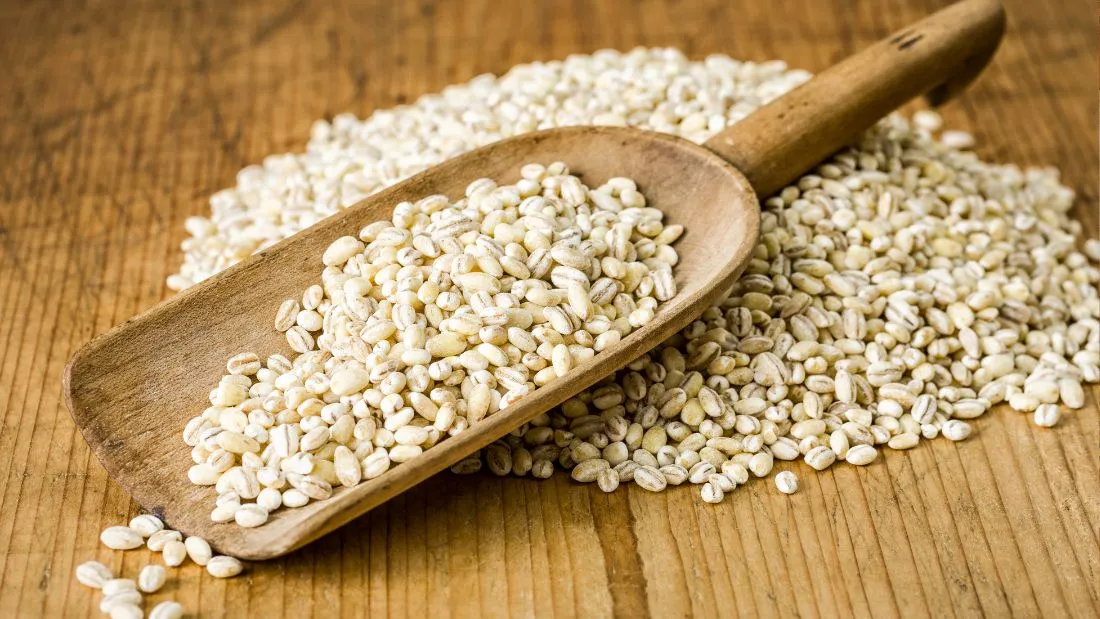
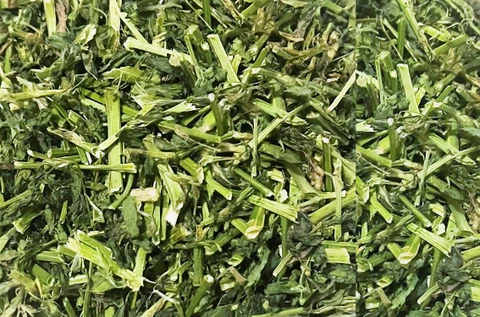
Tarbigem operates from Turkey and currently lists 16 distinct agricultural and related products in its catalogue. The portfolio includes soybean meal, alfalfa hay (both bulk and baled forms), yellow maize, sunflower oil, rapeseed, rapeseed oil, soybean oil, soybeans, milling wheat, rye, yellow corn, feed barley (HS code 1003.90, feed grade Hordeum vulgare) and additional items such as Mzuri Pro‑till. The product titles follow standard commodity naming used in international trade, and the feed barley entry specifies the HS classification for cereals and milled grain. Tarbigem's catalogue groups both feed ingredients and edible oils under the same listing structure. The supplier is classified in the harbor trust tier, indicating its presence on a major trade platform.
The listed items cover major feed and oilseed categories that are regularly traded globally. Soybean meal and soybean oil represent protein and oil fractions of the soybean crop, while rapeseed and rapeseed oil provide comparable products from Brassica napus. Alfalfa hay and baled alfalfa are common for livestock nutrition, and cereals such as yellow maize, yellow corn, milling wheat, rye and feed barley serve as staple feed grains. Sunflower oil adds a high‑oleic edible oil option. The inclusion of Mzuri Pro‑till suggests a specialty agronomic input, though no HS code is provided for that item.
Product Range and Specialties of Tarbigem
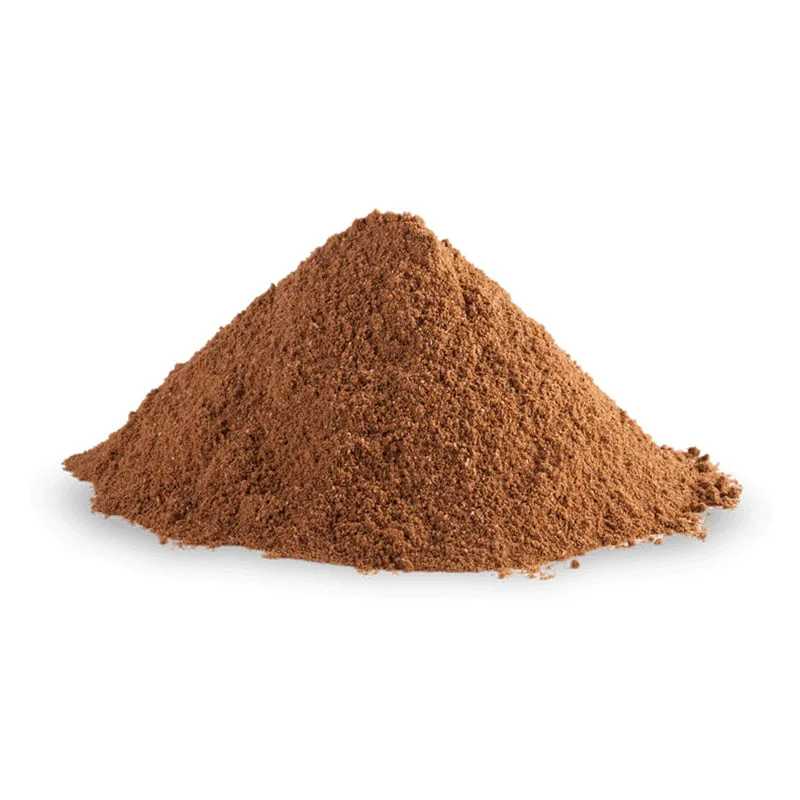
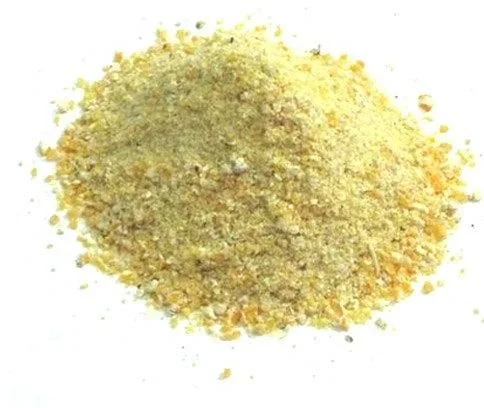
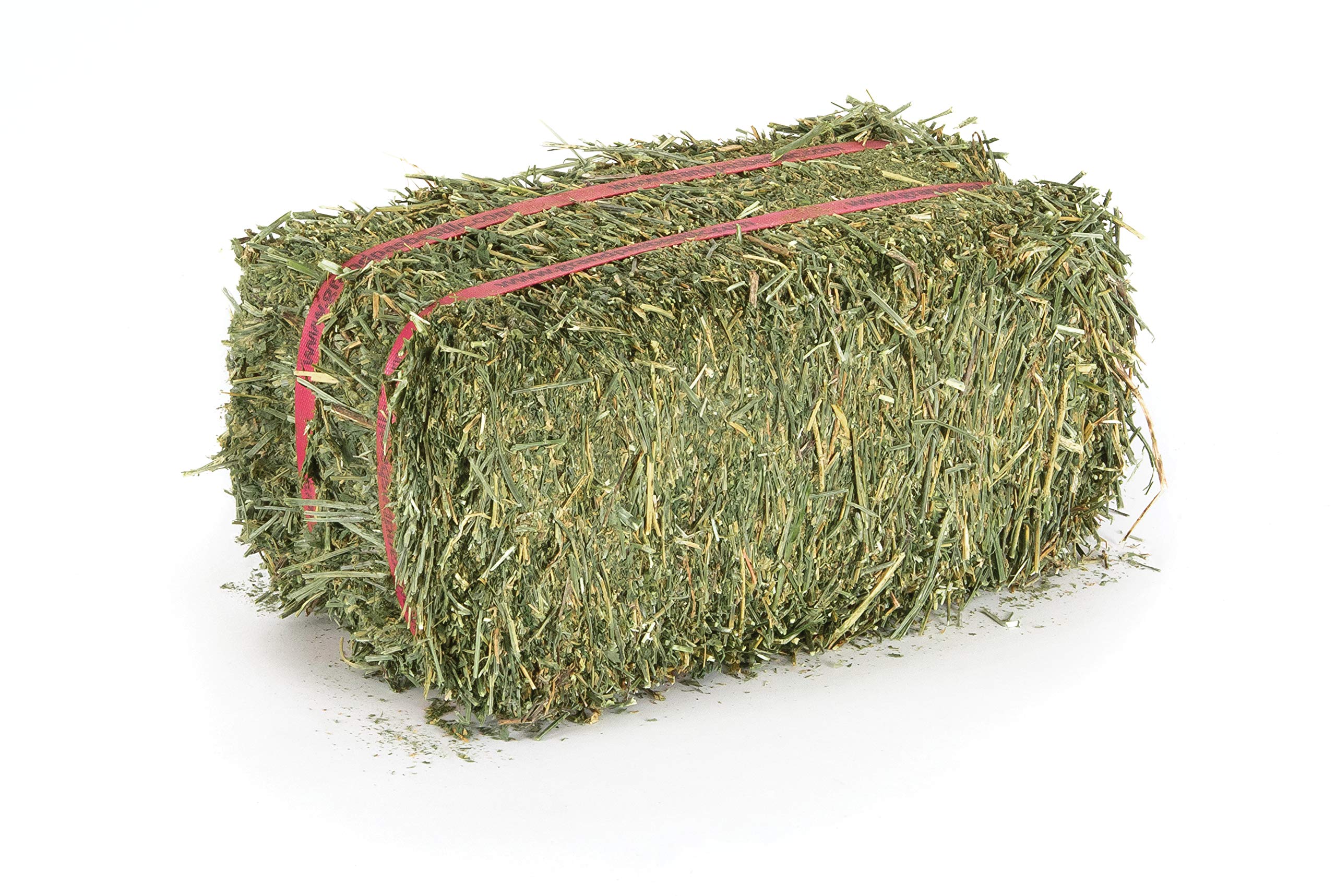
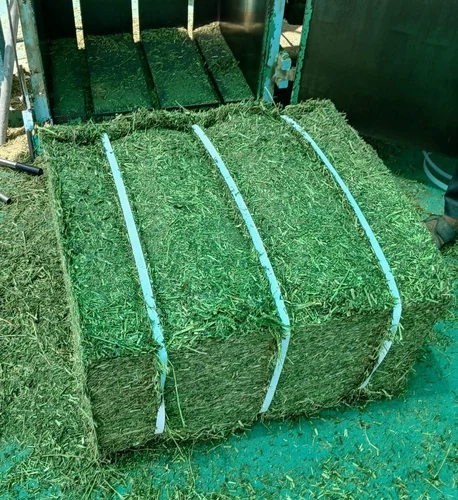
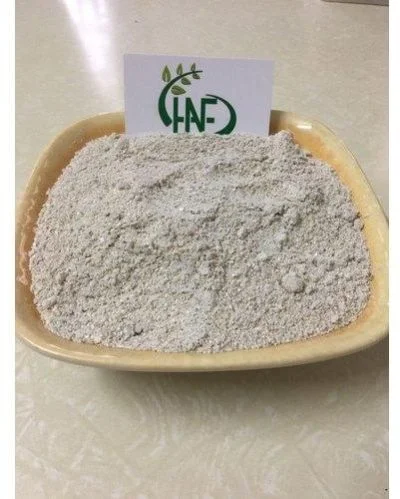
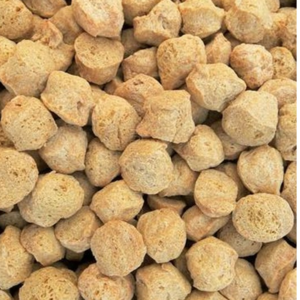
The catalogue lists soybean meal, soybean oil, rapeseed, rapeseed oil, sunflower oil, alfalfa hay (including baled alfalfa), yellow maize, yellow corn, milling wheat, rye, feed barley (HS 1003.90) and soybeans. In the feed industry, soybean meal is typically graded at 44‑48 % crude protein with moisture below 10 % and limited fiber, while feed barley under HS 1003.90 is usually supplied with test weight around 78 kg / hl and moisture under 14 %. Alfalfa hay is commonly evaluated by dry matter content (≥85 %) and leaf‑to‑stem ratio, and baled alfalfa is packed in 1 ton or 20 ft container loads. Maize and corn grains are generally traded with moisture 13‑14 % and kernel hardness specifications for feed use. Edible oils such as sunflower, rapeseed and soybean oil are frequently required to meet free fatty acid levels below 0.1 % and iodine values of 115‑130 for rapeseed oil, 120‑140 for soybean oil, and 115‑130 for sunflower oil. These industry standards provide buyers with reference points when evaluating Tarbigem’s product listings.
Trade and Export Information - Tarbigem
Turkey is a significant exporter of feed grains, oilseeds and edible oils to markets in the European Union, the Middle East and North Africa. Commodity shipments from Turkey usually follow Incoterms CIF or FOB, with containerised loads for bulk grains (e.g., 20 ft or 40 ft containers) and drum or bulk tanker shipments for oils. HS chapter 10 (e.g., 1003.90 for feed barley) and chapter 15 for vegetable oils are routinely inspected under the EU’s import health regime, requiring phytosanitary certificates, import permits and, where applicable, HACCP or ISO 22000 compliance. Buyers often request certificates of analysis confirming protein, moisture and mycotoxin levels for soybean meal, and oil quality reports showing free fatty acid, peroxide value and iodine value for vegetable oils. Turkish exporters commonly obtain ISO 9001 quality management certification, and many buyers ask for a recent laboratory report issued by an accredited lab in Turkey or an internationally recognised testing house.
Sourcing from Tarbigem - Buyer Guidance
When sourcing from Tarbigem, buyers should request a current Certificate of Analysis for each grain or oil, covering moisture, protein (for meals), free fatty acid and peroxide values (for oils), and mycotoxin limits according to EU or CODEX standards. For alfalfa hay, a sample analysis showing dry matter, crude protein and ash content will help verify quality. The feed barley entry already lists HS code 1003.90, so buyers can cross‑check the HS classification with their customs brokers and ensure the shipment includes a phytosanitary certificate and a fumigation declaration if required. Verify whether the supplier holds ISO 9001 or HACCP certification and ask for copies of those certificates before confirming a contract. Typical minimum order quantities are container‑based for bulk grains (approximately 20 tons for a 20 ft container) and 1 ton drums for oils, with lead times ranging from 15 to 30 days depending on product availability and seasonal harvest cycles.
Frequently Asked Questions About Tarbigem
What feed grain products does Tarbigem list in its catalogue?
The catalogue includes soybean meal, feed barley (HS 1003.90, feed grade Hordeum vulgare), yellow maize, yellow corn, milling wheat, rye and additional grain items such as Mzuri Pro‑till.
Which edible oil products are offered by Tarbigem?
Tarbigem lists sunflower oil, rapeseed oil and soybean oil, each typically subject to free fatty acid limits below 0.1 % and standard iodine values for the respective oil type.
Is there an HS code provided for any of the products?
Yes, feed barley is listed with HS code 1003.90, which falls under the HS chapter for cereals and milled grain.
What certifications should a buyer request from Tarbigem?
Buyers should request copies of any ISO 9001, HACCP or ISO 22000 certifications the supplier holds, as well as a Certificate of Analysis for each product batch.
What are the typical minimum order quantities for the grain and oil products?
Bulk grain shipments are usually ordered by container load, roughly 20 tons for a 20 ft container, while edible oils are commonly supplied in 1 ton drums or bulk tanker loads.
What documentation is needed for customs clearance of Turkish feed and oil exports?
Customs clearance typically requires a commercial invoice, packing list, phytosanitary certificate for feed items, Certificate of Analysis, and any relevant import permits for the destination country.
How long does it take to ship products from Turkey after order confirmation?
Lead times generally range from 15 to 30 days, depending on product availability, seasonal harvest periods and the chosen Incoterm such as CIF or FOB.




 , Turkey