Wudi Deda Agriculture Co., Ltd. — Supplier

About Wudi Deda Agriculture Co., Ltd. - Animal & Cattle Feed Supplier in China

China‑based Wudi Deda Agriculture Co., Ltd. lists 20 active products across animal & cattle feed, chemicals & allied products, corn meal, soybean meal and food additives. The catalogue includes raw protein meals such as fish meal, shrimp meal, blood meal and feather meal, as well as processed feed additives like lysine, DL‑methionine, choline chloride and dicalcium phosphate. Each product falls under HS‑code families 2920‑2930 for amino acids, 2835 for phosphates and 2923 for choline compounds, reflecting standard customs classification for feed additives. The company also offers grain‑derived meals (corn gluten, wheat gluten, rice protein) and specialty additives such as fish oil, yeast and meat bone meal. Several items carry explicit HS codes: lysine (2922.41), DL‑methionine (2930.40), dicalcium phosphate (2835.25) and choline chloride (2923.10). The material descriptions indicate feed‑grade purity levels, for example L‑lysine hydrochloride and zinc‑methionine chelate, which are typical specifications demanded by livestock nutrition formulators.

Product Range and Specialties of Wudi Deda Agriculture Co., Ltd.

The catalogue covers high‑protein meals (fish, shrimp, blood, feather, corn gluten, wheat gluten, rice protein) that are commonly graded by crude protein content ranging from 45 % to 70 % and moisture below 12 %. Amino‑acid additives such as L‑lysine and DL‑methionine are supplied in feed‑grade purity of ≥98 % and are often offered in crystal or premix forms. Dicalcium phosphate is listed as dihydrate, a standard source of calcium and phosphorus with typical particle size 200‑400 µm. Choline chloride is available in 50 %, 60 % and 75 % concentrations, matching the usual dosage ranges for poultry and swine diets. Industry practice for these categories includes ISO 9001 quality management, HACCP food safety plans and, where required, certification to the European Feed Materials Register (EFSA) or the Chinese GB standards for feed additives. Buyers frequently request analysis reports for amino‑acid content, heavy‑metal limits (e.g., <10 ppm lead) and microbial counts (e.g., <10⁴ CFU/g).

Trade and Export Information - Wudi Deda Agriculture Co., Ltd.

China is a major exporter of animal‑feed raw materials and synthetic amino acids, supplying South‑East Asia, the Middle East and African livestock markets. HS‑code 2922 covers lysine products, while 2930 is used for methionine derivatives; both codes are subject to mandatory phytosanitary certificates and, for certain destinations, a Certificate of Origin. Dicalcium phosphate (HS 2835) and choline chloride (HS 2923) often require compliance with the Codex Alimentarius limits for contaminants and may be inspected under the EU feed additive regulation (Regulation 183/2005). Typical packaging includes 25 kg polypropylene bags for meals and 1‑ton bulk bags for amino‑acid powders, with freight usually arranged on 20‑ft or 40‑ft containers under CIF or FOB terms. Export logistics from Chinese ports such as Qingdao or Tianjin follow standard customs clearance procedures, and buyers commonly request pre‑shipment inspection reports (e.g., SGS or Intertek) to verify product specifications before loading. The Chinese government’s export licensing for feed additives mandates that exporters hold a Feed Additive Production License, which buyers should confirm when negotiating contracts.

Sourcing from Wudi Deda Agriculture Co., Ltd. - Buyer Guidance

When sourcing from Wudi Deda Agriculture, buyers should request the latest Certificate of Analysis for each amino‑acid product, confirming purity, moisture and heavy‑metal limits. For meal products, a proximate analysis (protein, fat, fiber, ash) and mycotoxin screening (e.g., aflatoxin <20 ppb) are standard verification documents. Because the catalogue does not list specific certifications, buyers are advised to ask for copies of ISO 9001, HACCP or any national feed‑additive registration that the supplier holds. Samples are typically provided in 1‑kg quantities for powders and 5‑kg for meals, shipped under air freight for rapid testing. Prior to placing a full order, confirm the packaging material (polypropylene vs. multi‑wall bags) and the container loading plan to ensure compliance with the buyer’s import regulations. Verification of the HS‑code declaration and the presence of a valid Export License from Chinese authorities reduces the risk of customs delays.

Frequently Asked Questions About Wudi Deda Agriculture Co., Ltd.

What HS codes apply to the amino‑acid products listed by Wudi Deda Agriculture?

Lysine products use HS 2922.41 and DL‑methionine uses HS 2930.40; both codes fall under the broader 2920‑2930 chapter for organic chemicals.

Which purity levels are typical for the lysine and methionine additives?

Feed‑grade lysine and methionine are usually supplied at ≥98 % purity, with moisture below 2 % and heavy‑metal limits under 10 ppm.

What documentation should a buyer request before ordering dicalcium phosphate?

Request the Certificate of Analysis, the Chinese Feed Additive Production License, and any relevant safety data sheet that lists particle size and impurity limits.

Are there standard certifications buyers should verify for the feed meals?

Buyers commonly look for ISO 9001 or HACCP certification, plus any national feed‑material registration such as China’s GB standards or EU feed additive registration if exporting to Europe.

What are the typical packaging formats for the meals and additives?

Meals are usually packed in 25 kg polypropylene bags; amino‑acid powders are often shipped in 1‑kg sample bags for testing and in bulk 1‑ton multi‑wall bags for production orders.

Which regions import Chinese animal‑feed additives most frequently?

South‑East Asian countries (Vietnam, Thailand, Indonesia), the Middle East (Saudi Arabia, UAE) and several African nations are the primary import markets for Chinese feed additives.

What inspection reports are advisable to obtain before shipment?

Pre‑shipment inspection reports from accredited labs (e.g., SGS, Intertek) covering purity, moisture, heavy‑metal content and microbial limits are standard for feed‑grade chemicals.

What Incoterms are commonly used for these feed products?

Buyers and sellers often negotiate FOB at Chinese ports or CIF to the destination port, depending on the buyer’s preference for freight handling.


Other Suppliers in Animal & Cattle Feed

Top Trusted Suppliers

Related Products in Animal & Cattle Feed

Trending in Parent Category

More Suppliers in Parent Category

Related Products

Other Suppliers

EximNext
7.1K+ live requirements
Register Free🎁 Reach global buyers
Post Requirement
🌍 Trusted by 225K+ businesses in 200+ countries|
7.1K+ active requirements right now
✉️ [email protected]
|
Sell on EximNextPost Requirement
EximNext
AgricultureApparelConstructionElectronicFoodHomeIndustrialMineralsMiscellaneous
🔥 Deals|✨ AI Match|🏭 Suppliers|📋 Buy Leads|💰 Trade Finance
7.1K+ live RFQs·194.8K+ suppliers
🎁 Reach global buyers →
EximNext
EximNext
Register Free
🎁 Reach global buyers
Sign In
📋Post Requirement💬Get Quotes✨AI Match📋RFQ Marketplace
All Categories
Services & Tools
🏭Supplier Directory🔥Today's Deals💰Trade Finance
Sell on EximNext →
AboutContactBlogHelp
Agriculture & Food  ·  China
20
products listed

Wudi Deda Agriculture Co., Ltd.

⚓ Harbor
Country flag , ChinaNew supplier / no reviews yet
🛡️
79/100
Trust Score

Wudi Deda Agriculture Co., Ltd. Product Catalog

Showing 12 of 20 products
View all products →
Choline Chloride
⚓ Harbor
Choline Chloride
Contact
MOQ: 1 Unit
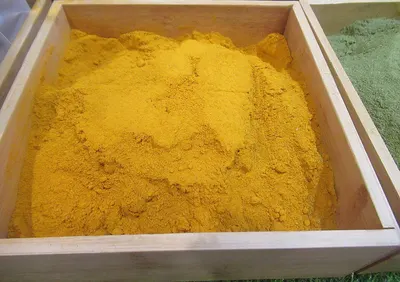
Yeast Feed Additives
⚓ Harbor
Yeast Feed Additives
Contact
MOQ: 1 Unit
Fish Feed Animal Feed
⚓ Harbor
Fish Feed Animal Feed
Contact
MOQ: 1 Unit
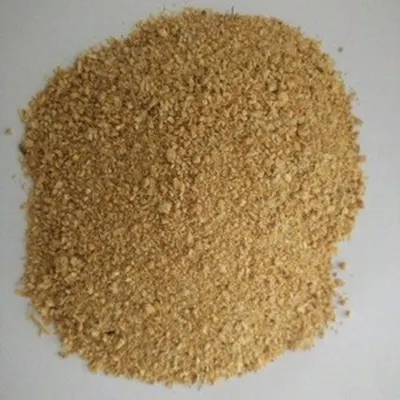
High Protein Corn Gluten Meal
⚓ Harbor
High Protein Corn Gluten Meal
Contact
MOQ: 1 Unit
Corn Gluten Meal
⚓ Harbor
Corn Gluten Meal
Contact
MOQ: 1 Unit
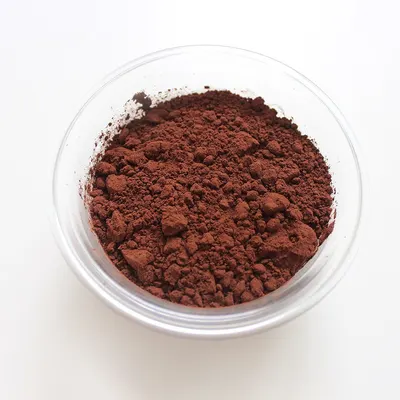
Blood Meal
⚓ Harbor
Blood Meal
Contact
MOQ: 1 Unit
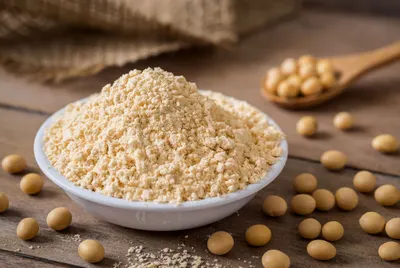
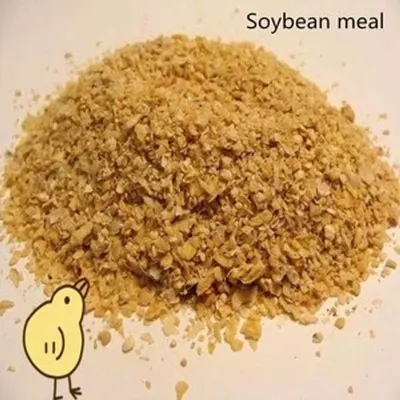
Soybean Meal Animal Feed Raw Metarial
⚓ Harbor
Soybean Meal Animal Feed Raw Metarial
Contact
MOQ: 1 Unit
Feather Meal
⚓ Harbor
Feather Meal
Contact
MOQ: 1 Unit
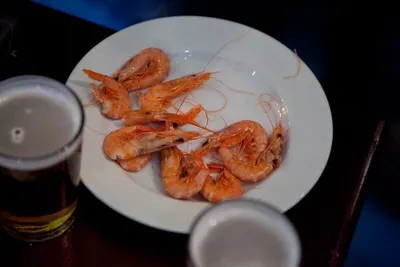
Shrimp Meal
⚓ Harbor
Shrimp Meal
Contact
MOQ: 1 Unit
DCP
⚓ Harbor
DCP
Contact
MOQ: 1 Unit
Fish Oil Feed Additives
⚓ Harbor
Fish Oil Feed Additives
Contact
MOQ: 1 Unit
Wheat Gluten Meal
⚓ Harbor
Wheat Gluten Meal
Contact
MOQ: 1 Unit

About Wudi Deda Agriculture Co., Ltd. - Animal & Cattle Feed Supplier in China

China‑based Wudi Deda Agriculture Co., Ltd. lists 20 active products across animal & cattle feed, chemicals & allied products, corn meal, soybean meal and food additives. The catalogue includes raw protein meals such as fish meal, shrimp meal, blood meal and feather meal, as well as processed feed additives like lysine, DL‑methionine, choline chloride and dicalcium phosphate. Each product falls under HS‑code families 2920‑2930 for amino acids, 2835 for phosphates and 2923 for choline compounds, reflecting standard customs classification for feed additives. The company also offers grain‑derived meals (corn gluten, wheat gluten, rice protein) and specialty additives such as fish oil, yeast and meat bone meal. Several items carry explicit HS codes: lysine (2922.41), DL‑methionine (2930.40), dicalcium phosphate (2835.25) and choline chloride (2923.10). The material descriptions indicate feed‑grade purity levels, for example L‑lysine hydrochloride and zinc‑methionine chelate, which are typical specifications demanded by livestock nutrition formulators.

Product Range and Specialties of Wudi Deda Agriculture Co., Ltd.

The catalogue covers high‑protein meals (fish, shrimp, blood, feather, corn gluten, wheat gluten, rice protein) that are commonly graded by crude protein content ranging from 45 % to 70 % and moisture below 12 %. Amino‑acid additives such as L‑lysine and DL‑methionine are supplied in feed‑grade purity of ≥98 % and are often offered in crystal or premix forms. Dicalcium phosphate is listed as dihydrate, a standard source of calcium and phosphorus with typical particle size 200‑400 µm. Choline chloride is available in 50 %, 60 % and 75 % concentrations, matching the usual dosage ranges for poultry and swine diets. Industry practice for these categories includes ISO 9001 quality management, HACCP food safety plans and, where required, certification to the European Feed Materials Register (EFSA) or the Chinese GB standards for feed additives. Buyers frequently request analysis reports for amino‑acid content, heavy‑metal limits (e.g., <10 ppm lead) and microbial counts (e.g., <10⁴ CFU/g).

Trade and Export Information - Wudi Deda Agriculture Co., Ltd.

China is a major exporter of animal‑feed raw materials and synthetic amino acids, supplying South‑East Asia, the Middle East and African livestock markets. HS‑code 2922 covers lysine products, while 2930 is used for methionine derivatives; both codes are subject to mandatory phytosanitary certificates and, for certain destinations, a Certificate of Origin. Dicalcium phosphate (HS 2835) and choline chloride (HS 2923) often require compliance with the Codex Alimentarius limits for contaminants and may be inspected under the EU feed additive regulation (Regulation 183/2005). Typical packaging includes 25 kg polypropylene bags for meals and 1‑ton bulk bags for amino‑acid powders, with freight usually arranged on 20‑ft or 40‑ft containers under CIF or FOB terms. Export logistics from Chinese ports such as Qingdao or Tianjin follow standard customs clearance procedures, and buyers commonly request pre‑shipment inspection reports (e.g., SGS or Intertek) to verify product specifications before loading. The Chinese government’s export licensing for feed additives mandates that exporters hold a Feed Additive Production License, which buyers should confirm when negotiating contracts.

Sourcing from Wudi Deda Agriculture Co., Ltd. - Buyer Guidance

When sourcing from Wudi Deda Agriculture, buyers should request the latest Certificate of Analysis for each amino‑acid product, confirming purity, moisture and heavy‑metal limits. For meal products, a proximate analysis (protein, fat, fiber, ash) and mycotoxin screening (e.g., aflatoxin <20 ppb) are standard verification documents. Because the catalogue does not list specific certifications, buyers are advised to ask for copies of ISO 9001, HACCP or any national feed‑additive registration that the supplier holds. Samples are typically provided in 1‑kg quantities for powders and 5‑kg for meals, shipped under air freight for rapid testing. Prior to placing a full order, confirm the packaging material (polypropylene vs. multi‑wall bags) and the container loading plan to ensure compliance with the buyer’s import regulations. Verification of the HS‑code declaration and the presence of a valid Export License from Chinese authorities reduces the risk of customs delays.

Frequently Asked Questions About Wudi Deda Agriculture Co., Ltd.

What HS codes apply to the amino‑acid products listed by Wudi Deda Agriculture?

Lysine products use HS 2922.41 and DL‑methionine uses HS 2930.40; both codes fall under the broader 2920‑2930 chapter for organic chemicals.

Which purity levels are typical for the lysine and methionine additives?

Feed‑grade lysine and methionine are usually supplied at ≥98 % purity, with moisture below 2 % and heavy‑metal limits under 10 ppm.

What documentation should a buyer request before ordering dicalcium phosphate?

Request the Certificate of Analysis, the Chinese Feed Additive Production License, and any relevant safety data sheet that lists particle size and impurity limits.

Are there standard certifications buyers should verify for the feed meals?

Buyers commonly look for ISO 9001 or HACCP certification, plus any national feed‑material registration such as China’s GB standards or EU feed additive registration if exporting to Europe.

What are the typical packaging formats for the meals and additives?

Meals are usually packed in 25 kg polypropylene bags; amino‑acid powders are often shipped in 1‑kg sample bags for testing and in bulk 1‑ton multi‑wall bags for production orders.

Which regions import Chinese animal‑feed additives most frequently?

South‑East Asian countries (Vietnam, Thailand, Indonesia), the Middle East (Saudi Arabia, UAE) and several African nations are the primary import markets for Chinese feed additives.

What inspection reports are advisable to obtain before shipment?

Pre‑shipment inspection reports from accredited labs (e.g., SGS, Intertek) covering purity, moisture, heavy‑metal content and microbial limits are standard for feed‑grade chemicals.

What Incoterms are commonly used for these feed products?

Buyers and sellers often negotiate FOB at Chinese ports or CIF to the destination port, depending on the buyer’s preference for freight handling.

About Wudi Deda Agriculture Co., Ltd. - Animal & Cattle Feed Supplier in China

China‑based Wudi Deda Agriculture Co., Ltd. lists 20 active products across animal & cattle feed, chemicals & allied products, corn meal, soybean meal and food additives. The catalogue includes raw protein meals such as fish meal, shrimp meal, blood meal and feather meal, as well as processed feed additives like lysine, DL‑methionine, choline chloride and dicalcium phosphate. Each product falls under HS‑code families 2920‑2930 for amino acids, 2835 for phosphates and 2923 for choline compounds, reflecting standard customs classification for feed additives. The company also offers grain‑derived meals (corn gluten, wheat gluten, rice protein) and specialty additives such as fish oil, yeast and meat bone meal. Several items carry explicit HS codes: lysine (2922.41), DL‑methionine (2930.40), dicalcium phosphate (2835.25) and choline chloride (2923.10). The material descriptions indicate feed‑grade purity levels, for example L‑lysine hydrochloride and zinc‑methionine chelate, which are typical specifications demanded by livestock nutrition formulators.

Product Range and Specialties of Wudi Deda Agriculture Co., Ltd.

The catalogue covers high‑protein meals (fish, shrimp, blood, feather, corn gluten, wheat gluten, rice protein) that are commonly graded by crude protein content ranging from 45 % to 70 % and moisture below 12 %. Amino‑acid additives such as L‑lysine and DL‑methionine are supplied in feed‑grade purity of ≥98 % and are often offered in crystal or premix forms. Dicalcium phosphate is listed as dihydrate, a standard source of calcium and phosphorus with typical particle size 200‑400 µm. Choline chloride is available in 50 %, 60 % and 75 % concentrations, matching the usual dosage ranges for poultry and swine diets. Industry practice for these categories includes ISO 9001 quality management, HACCP food safety plans and, where required, certification to the European Feed Materials Register (EFSA) or the Chinese GB standards for feed additives. Buyers frequently request analysis reports for amino‑acid content, heavy‑metal limits (e.g., <10 ppm lead) and microbial counts (e.g., <10⁴ CFU/g).

Trade and Export Information - Wudi Deda Agriculture Co., Ltd.

China is a major exporter of animal‑feed raw materials and synthetic amino acids, supplying South‑East Asia, the Middle East and African livestock markets. HS‑code 2922 covers lysine products, while 2930 is used for methionine derivatives; both codes are subject to mandatory phytosanitary certificates and, for certain destinations, a Certificate of Origin. Dicalcium phosphate (HS 2835) and choline chloride (HS 2923) often require compliance with the Codex Alimentarius limits for contaminants and may be inspected under the EU feed additive regulation (Regulation 183/2005). Typical packaging includes 25 kg polypropylene bags for meals and 1‑ton bulk bags for amino‑acid powders, with freight usually arranged on 20‑ft or 40‑ft containers under CIF or FOB terms. Export logistics from Chinese ports such as Qingdao or Tianjin follow standard customs clearance procedures, and buyers commonly request pre‑shipment inspection reports (e.g., SGS or Intertek) to verify product specifications before loading. The Chinese government’s export licensing for feed additives mandates that exporters hold a Feed Additive Production License, which buyers should confirm when negotiating contracts.

Sourcing from Wudi Deda Agriculture Co., Ltd. - Buyer Guidance

When sourcing from Wudi Deda Agriculture, buyers should request the latest Certificate of Analysis for each amino‑acid product, confirming purity, moisture and heavy‑metal limits. For meal products, a proximate analysis (protein, fat, fiber, ash) and mycotoxin screening (e.g., aflatoxin <20 ppb) are standard verification documents. Because the catalogue does not list specific certifications, buyers are advised to ask for copies of ISO 9001, HACCP or any national feed‑additive registration that the supplier holds. Samples are typically provided in 1‑kg quantities for powders and 5‑kg for meals, shipped under air freight for rapid testing. Prior to placing a full order, confirm the packaging material (polypropylene vs. multi‑wall bags) and the container loading plan to ensure compliance with the buyer’s import regulations. Verification of the HS‑code declaration and the presence of a valid Export License from Chinese authorities reduces the risk of customs delays.

Frequently Asked Questions About Wudi Deda Agriculture Co., Ltd.
What HS codes apply to the amino‑acid products listed by Wudi Deda Agriculture?
Lysine products use HS 2922.41 and DL‑methionine uses HS 2930.40; both codes fall under the broader 2920‑2930 chapter for organic chemicals.
Which purity levels are typical for the lysine and methionine additives?
Feed‑grade lysine and methionine are usually supplied at ≥98 % purity, with moisture below 2 % and heavy‑metal limits under 10 ppm.
What documentation should a buyer request before ordering dicalcium phosphate?
Request the Certificate of Analysis, the Chinese Feed Additive Production License, and any relevant safety data sheet that lists particle size and impurity limits.
Are there standard certifications buyers should verify for the feed meals?
Buyers commonly look for ISO 9001 or HACCP certification, plus any national feed‑material registration such as China’s GB standards or EU feed additive registration if exporting to Europe.
What are the typical packaging formats for the meals and additives?
Meals are usually packed in 25 kg polypropylene bags; amino‑acid powders are often shipped in 1‑kg sample bags for testing and in bulk 1‑ton multi‑wall bags for production orders.
Which regions import Chinese animal‑feed additives most frequently?
South‑East Asian countries (Vietnam, Thailand, Indonesia), the Middle East (Saudi Arabia, UAE) and several African nations are the primary import markets for Chinese feed additives.
What inspection reports are advisable to obtain before shipment?
Pre‑shipment inspection reports from accredited labs (e.g., SGS, Intertek) covering purity, moisture, heavy‑metal content and microbial limits are standard for feed‑grade chemicals.
What Incoterms are commonly used for these feed products?
Buyers and sellers often negotiate FOB at Chinese ports or CIF to the destination port, depending on the buyer’s preference for freight handling.

Wudi Deda Agriculture Co., Ltd.
Country flag China
⚓ HarborAgriculture & Food
79/100
Trust Score
20
Products
✓ Free to contact — no commission
✓ Escrow payment available
✓ Verified business identity
Compare more suppliers
Post a requirement — get 10 quotes free
Let verified suppliers compete for your business. Free, fast, no commitment.
Due Diligence
Verify this supplier's real shipping history.
Every shipment, every buyer, every port. Trade data that can't be faked.
Run due diligence →
Discover More

Related Suppliers & Products

Explore similar suppliers, related products and trending categories

Other Suppliers in Animal & Cattle Feed

Top Trusted Suppliers

Related Products in Animal & Cattle Feed

Trending in Parent Category

More Suppliers in Parent Category

Stay ahead in global trade
Weekly market insights & new supplier alerts.
EximNext
Exim Next is a leading global B2B marketplace, connecting over 220,000 registered suppliers and buyers across 200+ countries. As a trusted import export marketplace, it serves as the essential B2B portal for businesses worldwide, empowering them to expand their international reach. With Exim Next, businesses can trade smarter and grow faster.
SECURE PAYMENTS
VISAMastercardPayPalSWIFTL/CEscrow
Follow us
© 2026 EximNext