Ponik Holding Sp. Z.O.O. — Verified Supplier

About Ponik Holding Sp. Z.O.O. - Food Raw Material Supplier in Poland

Poland‑based Ponik Holding Sp. Z.O.O. lists 41 active products across several food‑raw‑material categories. The catalogue includes frozen horse mackerel fish, a variety of nuts such as cashew, almond, walnut, pistachio and raw peanuts, multiple vegetable oils (sunflower, soybean, refined palm and avocado oil), legumes and pulses (soybean meal, soybeans, chickpeas, red kidney beans), fresh vegetables and fruits (garlic, onion, ginger, tomato, strawberry, orange, lemon, avocado, Cavendish bananas) and other bulk agricultural items. Each product aligns with standard HS‑code families - for example fish under 0304, nuts under 0802, vegetable oils under 1509, soybeans under 1201 and soybean meal under 1207, and fresh produce under the relevant 07 and 08 chapters.

The supplier also mentions trade in ancillary goods such as animal feed, A4 paper, coffee, drinking water, animal/vegetable fats and sugars, but the primary focus remains on bulk food raw materials. All items are described as “quality assured” and are offered for wholesale to customers in multiple countries, reflecting a broad export orientation without specifying individual buyer names.

Product Range and Specialties of Ponik Holding Sp. Z.O.O.

The product list covers frozen seafood (horse mackerel) which in international trade is typically shipped at - 18 °C with an ice glaze of 2 - 3 mm and moisture content below 70 %. Nuts such as cashew, almond, walnut, pistachio and raw peanuts are usually graded “A” with moisture limits of 5 % or less and aflatoxin limits of 10 ppb in most importing markets. Vegetable oils (sunflower, soybean, refined palm, avocado) are commonly evaluated by free fatty acid (FFA) values below 0.1 % and peroxide values under 10 meq kg⁻¹; avocado oil may also be specified by an iodine value above 80. Soybean meal is generally required to contain 44 - 48 % crude protein and moisture under 12 %. Fresh produce such as garlic, onion, ginger, tomato, strawberry, citrus fruits and bananas are assessed for size, firmness, pesticide residue limits and compliance with EU phytosanitary standards. Packaging for bulk nuts and legumes is usually 20 kg woven bags, oils are supplied in 25 kg drums or bulk tankers, and frozen fish is loaded in refrigerated 20 ft containers with temperature monitoring devices.

Trade and Export Information - Ponik Holding Sp. Z.O.O.

Poland, as an EU member, exports agricultural commodities to other EU states, the Middle East and Asian markets. The HS‑code families represented - 0304 (frozen fish), 0802 (nuts), 1509 (vegetable oils), 1201/1207 (soybeans and soybean meal), 0703/0709 (onions, garlic), 0805/0806 (tomatoes, citrus) - are subject to EU food‑safety regulations, requiring HACCP plans, ISO 22000 or BRC certification, and, for fresh produce, GlobalGAP or equivalent phytosanitary certificates. Refrigerated containers (Reefer) are standard for frozen fish, while dry bulk bags and wooden pallets are typical for nuts, legumes and oils. Common Incoterms used by Polish exporters include FOB Gdańsk and CIF for destination ports in the Middle East or Asia.

Importers of these categories often request documentation such as a Certificate of Origin, a Health Certificate for fish, a Phytosanitary Certificate for fresh produce, and laboratory analysis reports confirming moisture, oil content, pesticide residues and microbial limits. Export logistics from Poland benefit from well‑developed road and rail links to Baltic ports, enabling efficient loading of 20 ft and 40 ft containers for bulk shipments.

Sourcing from Ponik Holding Sp. Z.O.O. - Buyer Guidance

Buyers should ask for HACCP or ISO 22000 certificates that cover the entire processing line for nuts, oils and frozen fish. For nuts and legumes, request aflatoxin test reports and moisture analysis; for oils, ask for free fatty acid, peroxide value and iodine value data; for frozen fish, obtain a health certificate, temperature log and ice glaze thickness report. Fresh produce requires a phytosanitary certificate, pesticide residue analysis and, where applicable, a GlobalGAP audit report.

Typical minimum order quantities in the bulk trade are 5 t for nuts, 10 t for vegetable oils and 2 t for frozen fish, with lead times of 2 - 4 weeks after order confirmation, extending to 6 weeks for seasonal fresh fruits. Verify that packaging meets the buyer’s destination requirements - e.g., insulated containers for frozen fish, food‑grade bulk bags for nuts, and sealed drums for oils - and confirm the Incoterm before finalising the contract.

Frequently Asked Questions About Ponik Holding Sp. Z.O.O.

What product categories does Ponik Holding Sp. Z.O.O. list in its catalogue?

The catalogue includes frozen horse mackerel fish, a range of nuts (cashew, almond, walnut, pistachio, raw peanuts), vegetable oils (sunflower, soybean, refined palm, avocado), soybeans, soybean meal, legumes (chickpeas, red kidney beans), fresh vegetables and fruits such as garlic, onion, ginger, tomato, strawberry, orange, lemon, avocado and Cavendish bananas.

Are there standard quality specifications for the nuts offered?

Nuts are typically supplied as Grade A with moisture ≤5 % and aflatoxin limits of ≤10 ppb. Buyers usually request moisture and aflatoxin test reports before shipment.

What certifications are normally required for the frozen fish product?

Importers generally require a HACCP or ISO 22000 certification, a health certificate for the fish, and a temperature log confirming storage at - 18 °C with an ice glaze of 2 - 3 mm.

Which HS codes apply to the vegetable oils in the catalogue?

Vegetable oils such as sunflower, soybean, refined palm and avocado oil fall under HS chapter 15, specifically code 1509 for vegetable oils and fats.

What documentation should a buyer request for fresh produce like garlic or tomatoes?

Buyers should request a phytosanitary certificate, pesticide residue analysis, and, where applicable, a GlobalGAP audit report to verify compliance with EU import standards.

What are typical packaging formats for bulk soybeans and soybean meal?

Soybeans are commonly packed in 25 kg bags or bulk bulk containers, while soybean meal is usually shipped in 20 kg woven bags or bulk bulk bags suitable for container loading.

What Incoterms are commonly used for shipments from Poland?

Polish exporters frequently use FOB Gdańsk for sea freight and CIF for deliveries to destination ports in the Middle East or Asia, depending on the buyer’s preference.

What are the usual minimum order quantities and lead times?

Typical minimum orders are 5 t for nuts, 10 t for vegetable oils and 2 t for frozen fish, with lead times ranging from 2 weeks to 4 weeks after order confirmation, longer for seasonal fresh produce.

Other Suppliers in Food Raw Material

Top Trusted Suppliers

Related Products in Food Raw Material

Trending in Parent Category

More Suppliers in Parent Category

Related Products

Other Suppliers

EximNext
58.4K+ live requirements
Register Free🎁 5 free buy-lead credits
Post Requirement
🌍 Trusted by 224.3K+ businesses in 200+ countries|
58.4K+ active requirements right now
✉️ [email protected]
|
Sell on EximNextPost Requirement
EximNext
AgricultureApparelConstructionElectronicFoodHomeIndustrialMineralsMiscellaneous
🔥 Deals|✨ AI Match|🏭 Suppliers|📋 Buy Leads|💰 Trade Finance|⭐ Upgrade
58.4K+ live RFQs·194.4K+ suppliers
🎁 5 free credits →
EximNext
EximNext
Register Free
🎁 5 free buy-lead credits
Sign In
📋Post Requirement💬Get QuotesAI Match📋RFQ Marketplace
All Categories
Services & Tools
🏭Supplier Directory🔥Today's Deals💰Trade FinanceMembership
Sell on EximNext
AboutContactBlogHelp
🏭

Ponik Holding Sp. Z.O.O.

Harbor
Country flag , Poland
🛡️
79/100
Trust Score

Ponik Holding Sp. Z.O.O. Product Catalog

Showing 12 of 41 products
View all products →
Maize/Yellow
Harbor
Maize/Yellow
Contact
MOQ: 1 Unit
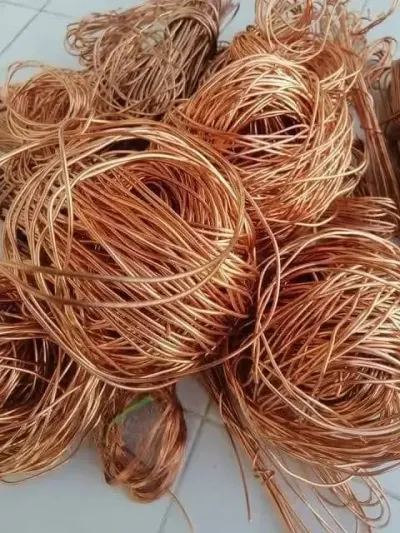
Copper Wire Scrap
Harbor
Copper Wire Scrap
Contact
MOQ: 1 Unit
Aluminium Scrap
Harbor
Aluminium Scrap
Contact
MOQ: 1 Unit
Copper Cathode
Harbor
Copper Cathode
Contact
MOQ: 1 Unit
Maize
Harbor
Maize
Contact
MOQ: 1 Unit
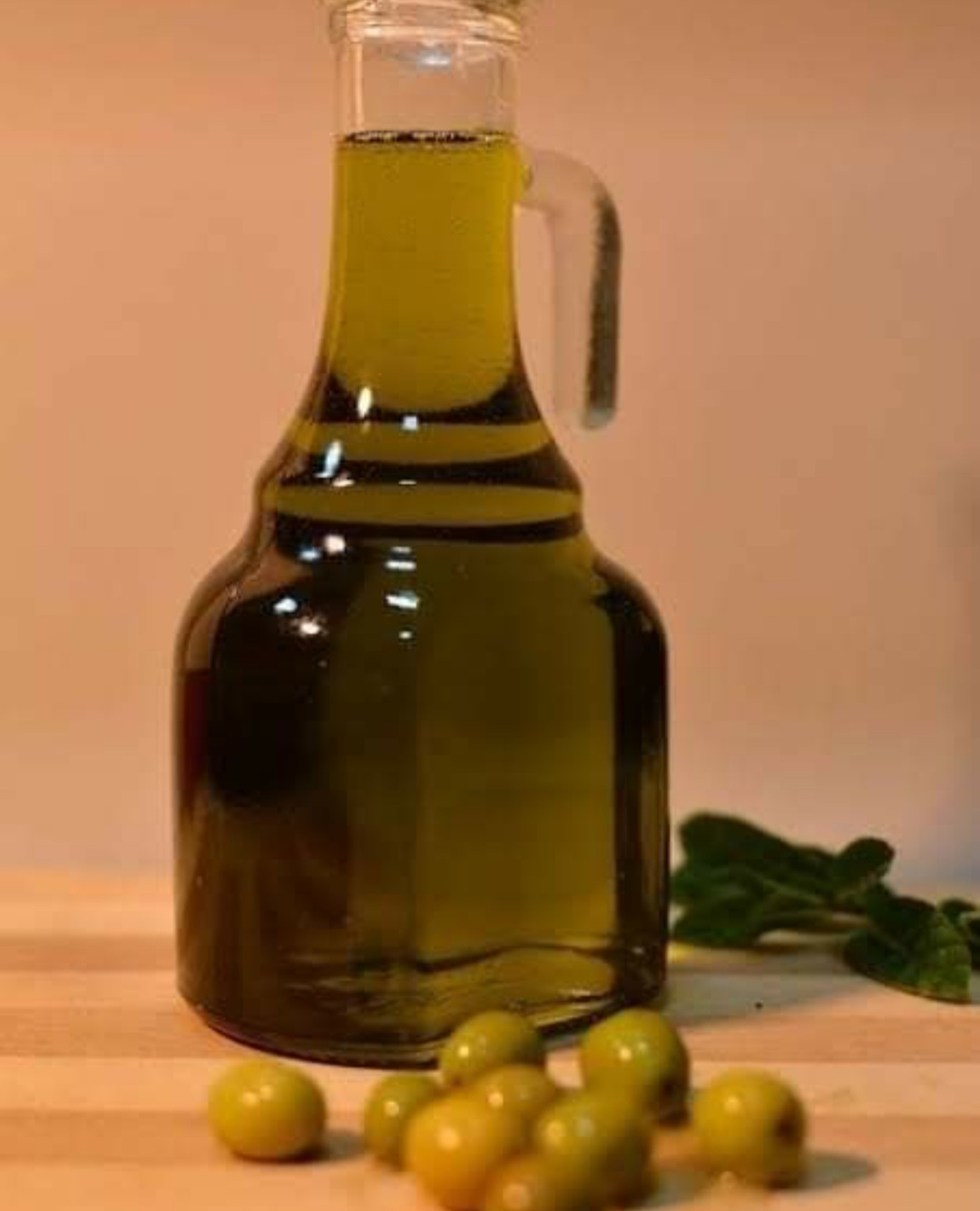
Olive Oil
Harbor
Olive Oil
Contact
MOQ: 1 Unit
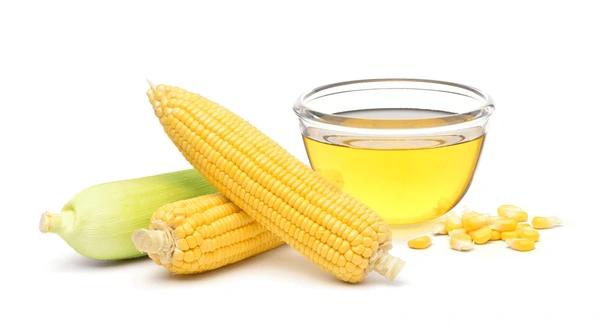
Corn Oil
Harbor
Corn Oil
Contact
MOQ: 1 Unit
Cumin Seeds
Harbor
Cumin Seeds
Contact
MOQ: 1 Unit
Hazelnuts
Harbor
Hazelnuts
Contact
MOQ: 1 Unit
Aluminiun 6063
Harbor
Aluminiun 6063
Contact
MOQ: 1 Unit
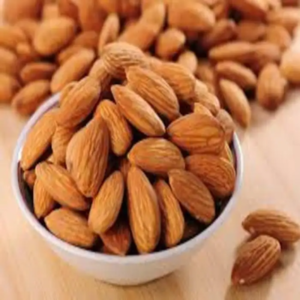
Almonds
Harbor
Almonds
Contact
MOQ: 1 Unit
Avocado oil
Harbor
Avocado oil
Contact
MOQ: 1 Unit

About Ponik Holding Sp. Z.O.O. - Food Raw Material Supplier in Poland

Poland‑based Ponik Holding Sp. Z.O.O. lists 41 active products across several food‑raw‑material categories. The catalogue includes frozen horse mackerel fish, a variety of nuts such as cashew, almond, walnut, pistachio and raw peanuts, multiple vegetable oils (sunflower, soybean, refined palm and avocado oil), legumes and pulses (soybean meal, soybeans, chickpeas, red kidney beans), fresh vegetables and fruits (garlic, onion, ginger, tomato, strawberry, orange, lemon, avocado, Cavendish bananas) and other bulk agricultural items. Each product aligns with standard HS‑code families - for example fish under 0304, nuts under 0802, vegetable oils under 1509, soybeans under 1201 and soybean meal under 1207, and fresh produce under the relevant 07 and 08 chapters.

The supplier also mentions trade in ancillary goods such as animal feed, A4 paper, coffee, drinking water, animal/vegetable fats and sugars, but the primary focus remains on bulk food raw materials. All items are described as “quality assured” and are offered for wholesale to customers in multiple countries, reflecting a broad export orientation without specifying individual buyer names.

Product Range and Specialties of Ponik Holding Sp. Z.O.O.

The product list covers frozen seafood (horse mackerel) which in international trade is typically shipped at - 18 °C with an ice glaze of 2 - 3 mm and moisture content below 70 %. Nuts such as cashew, almond, walnut, pistachio and raw peanuts are usually graded “A” with moisture limits of 5 % or less and aflatoxin limits of 10 ppb in most importing markets. Vegetable oils (sunflower, soybean, refined palm, avocado) are commonly evaluated by free fatty acid (FFA) values below 0.1 % and peroxide values under 10 meq kg⁻¹; avocado oil may also be specified by an iodine value above 80. Soybean meal is generally required to contain 44 - 48 % crude protein and moisture under 12 %. Fresh produce such as garlic, onion, ginger, tomato, strawberry, citrus fruits and bananas are assessed for size, firmness, pesticide residue limits and compliance with EU phytosanitary standards. Packaging for bulk nuts and legumes is usually 20 kg woven bags, oils are supplied in 25 kg drums or bulk tankers, and frozen fish is loaded in refrigerated 20 ft containers with temperature monitoring devices.

Trade and Export Information - Ponik Holding Sp. Z.O.O.

Poland, as an EU member, exports agricultural commodities to other EU states, the Middle East and Asian markets. The HS‑code families represented - 0304 (frozen fish), 0802 (nuts), 1509 (vegetable oils), 1201/1207 (soybeans and soybean meal), 0703/0709 (onions, garlic), 0805/0806 (tomatoes, citrus) - are subject to EU food‑safety regulations, requiring HACCP plans, ISO 22000 or BRC certification, and, for fresh produce, GlobalGAP or equivalent phytosanitary certificates. Refrigerated containers (Reefer) are standard for frozen fish, while dry bulk bags and wooden pallets are typical for nuts, legumes and oils. Common Incoterms used by Polish exporters include FOB Gdańsk and CIF for destination ports in the Middle East or Asia.

Importers of these categories often request documentation such as a Certificate of Origin, a Health Certificate for fish, a Phytosanitary Certificate for fresh produce, and laboratory analysis reports confirming moisture, oil content, pesticide residues and microbial limits. Export logistics from Poland benefit from well‑developed road and rail links to Baltic ports, enabling efficient loading of 20 ft and 40 ft containers for bulk shipments.

Sourcing from Ponik Holding Sp. Z.O.O. - Buyer Guidance

Buyers should ask for HACCP or ISO 22000 certificates that cover the entire processing line for nuts, oils and frozen fish. For nuts and legumes, request aflatoxin test reports and moisture analysis; for oils, ask for free fatty acid, peroxide value and iodine value data; for frozen fish, obtain a health certificate, temperature log and ice glaze thickness report. Fresh produce requires a phytosanitary certificate, pesticide residue analysis and, where applicable, a GlobalGAP audit report.

Typical minimum order quantities in the bulk trade are 5 t for nuts, 10 t for vegetable oils and 2 t for frozen fish, with lead times of 2 - 4 weeks after order confirmation, extending to 6 weeks for seasonal fresh fruits. Verify that packaging meets the buyer’s destination requirements - e.g., insulated containers for frozen fish, food‑grade bulk bags for nuts, and sealed drums for oils - and confirm the Incoterm before finalising the contract.

Frequently Asked Questions About Ponik Holding Sp. Z.O.O.

What product categories does Ponik Holding Sp. Z.O.O. list in its catalogue?

The catalogue includes frozen horse mackerel fish, a range of nuts (cashew, almond, walnut, pistachio, raw peanuts), vegetable oils (sunflower, soybean, refined palm, avocado), soybeans, soybean meal, legumes (chickpeas, red kidney beans), fresh vegetables and fruits such as garlic, onion, ginger, tomato, strawberry, orange, lemon, avocado and Cavendish bananas.

Are there standard quality specifications for the nuts offered?

Nuts are typically supplied as Grade A with moisture ≤5 % and aflatoxin limits of ≤10 ppb. Buyers usually request moisture and aflatoxin test reports before shipment.

What certifications are normally required for the frozen fish product?

Importers generally require a HACCP or ISO 22000 certification, a health certificate for the fish, and a temperature log confirming storage at - 18 °C with an ice glaze of 2 - 3 mm.

Which HS codes apply to the vegetable oils in the catalogue?

Vegetable oils such as sunflower, soybean, refined palm and avocado oil fall under HS chapter 15, specifically code 1509 for vegetable oils and fats.

What documentation should a buyer request for fresh produce like garlic or tomatoes?

Buyers should request a phytosanitary certificate, pesticide residue analysis, and, where applicable, a GlobalGAP audit report to verify compliance with EU import standards.

What are typical packaging formats for bulk soybeans and soybean meal?

Soybeans are commonly packed in 25 kg bags or bulk bulk containers, while soybean meal is usually shipped in 20 kg woven bags or bulk bulk bags suitable for container loading.

What Incoterms are commonly used for shipments from Poland?

Polish exporters frequently use FOB Gdańsk for sea freight and CIF for deliveries to destination ports in the Middle East or Asia, depending on the buyer’s preference.

What are the usual minimum order quantities and lead times?

Typical minimum orders are 5 t for nuts, 10 t for vegetable oils and 2 t for frozen fish, with lead times ranging from 2 weeks to 4 weeks after order confirmation, longer for seasonal fresh produce.

About Ponik Holding Sp. Z.O.O. - Food Raw Material Supplier in Poland

Poland‑based Ponik Holding Sp. Z.O.O. lists 41 active products across several food‑raw‑material categories. The catalogue includes frozen horse mackerel fish, a variety of nuts such as cashew, almond, walnut, pistachio and raw peanuts, multiple vegetable oils (sunflower, soybean, refined palm and avocado oil), legumes and pulses (soybean meal, soybeans, chickpeas, red kidney beans), fresh vegetables and fruits (garlic, onion, ginger, tomato, strawberry, orange, lemon, avocado, Cavendish bananas) and other bulk agricultural items. Each product aligns with standard HS‑code families - for example fish under 0304, nuts under 0802, vegetable oils under 1509, soybeans under 1201 and soybean meal under 1207, and fresh produce under the relevant 07 and 08 chapters.

The supplier also mentions trade in ancillary goods such as animal feed, A4 paper, coffee, drinking water, animal/vegetable fats and sugars, but the primary focus remains on bulk food raw materials. All items are described as “quality assured” and are offered for wholesale to customers in multiple countries, reflecting a broad export orientation without specifying individual buyer names.

Product Range and Specialties of Ponik Holding Sp. Z.O.O.

The product list covers frozen seafood (horse mackerel) which in international trade is typically shipped at - 18 °C with an ice glaze of 2 - 3 mm and moisture content below 70 %. Nuts such as cashew, almond, walnut, pistachio and raw peanuts are usually graded “A” with moisture limits of 5 % or less and aflatoxin limits of 10 ppb in most importing markets. Vegetable oils (sunflower, soybean, refined palm, avocado) are commonly evaluated by free fatty acid (FFA) values below 0.1 % and peroxide values under 10 meq kg⁻¹; avocado oil may also be specified by an iodine value above 80. Soybean meal is generally required to contain 44 - 48 % crude protein and moisture under 12 %. Fresh produce such as garlic, onion, ginger, tomato, strawberry, citrus fruits and bananas are assessed for size, firmness, pesticide residue limits and compliance with EU phytosanitary standards. Packaging for bulk nuts and legumes is usually 20 kg woven bags, oils are supplied in 25 kg drums or bulk tankers, and frozen fish is loaded in refrigerated 20 ft containers with temperature monitoring devices.

Trade and Export Information - Ponik Holding Sp. Z.O.O.

Poland, as an EU member, exports agricultural commodities to other EU states, the Middle East and Asian markets. The HS‑code families represented - 0304 (frozen fish), 0802 (nuts), 1509 (vegetable oils), 1201/1207 (soybeans and soybean meal), 0703/0709 (onions, garlic), 0805/0806 (tomatoes, citrus) - are subject to EU food‑safety regulations, requiring HACCP plans, ISO 22000 or BRC certification, and, for fresh produce, GlobalGAP or equivalent phytosanitary certificates. Refrigerated containers (Reefer) are standard for frozen fish, while dry bulk bags and wooden pallets are typical for nuts, legumes and oils. Common Incoterms used by Polish exporters include FOB Gdańsk and CIF for destination ports in the Middle East or Asia.

Importers of these categories often request documentation such as a Certificate of Origin, a Health Certificate for fish, a Phytosanitary Certificate for fresh produce, and laboratory analysis reports confirming moisture, oil content, pesticide residues and microbial limits. Export logistics from Poland benefit from well‑developed road and rail links to Baltic ports, enabling efficient loading of 20 ft and 40 ft containers for bulk shipments.

Sourcing from Ponik Holding Sp. Z.O.O. - Buyer Guidance

Buyers should ask for HACCP or ISO 22000 certificates that cover the entire processing line for nuts, oils and frozen fish. For nuts and legumes, request aflatoxin test reports and moisture analysis; for oils, ask for free fatty acid, peroxide value and iodine value data; for frozen fish, obtain a health certificate, temperature log and ice glaze thickness report. Fresh produce requires a phytosanitary certificate, pesticide residue analysis and, where applicable, a GlobalGAP audit report.

Typical minimum order quantities in the bulk trade are 5 t for nuts, 10 t for vegetable oils and 2 t for frozen fish, with lead times of 2 - 4 weeks after order confirmation, extending to 6 weeks for seasonal fresh fruits. Verify that packaging meets the buyer’s destination requirements - e.g., insulated containers for frozen fish, food‑grade bulk bags for nuts, and sealed drums for oils - and confirm the Incoterm before finalising the contract.

Frequently Asked Questions About Ponik Holding Sp. Z.O.O.
What product categories does Ponik Holding Sp. Z.O.O. list in its catalogue?
The catalogue includes frozen horse mackerel fish, a range of nuts (cashew, almond, walnut, pistachio, raw peanuts), vegetable oils (sunflower, soybean, refined palm, avocado), soybeans, soybean meal, legumes (chickpeas, red kidney beans), fresh vegetables and fruits such as garlic, onion, ginger, tomato, strawberry, orange, lemon, avocado and Cavendish bananas.
Are there standard quality specifications for the nuts offered?
Nuts are typically supplied as Grade A with moisture ≤5 % and aflatoxin limits of ≤10 ppb. Buyers usually request moisture and aflatoxin test reports before shipment.
What certifications are normally required for the frozen fish product?
Importers generally require a HACCP or ISO 22000 certification, a health certificate for the fish, and a temperature log confirming storage at - 18 °C with an ice glaze of 2 - 3 mm.
Which HS codes apply to the vegetable oils in the catalogue?
Vegetable oils such as sunflower, soybean, refined palm and avocado oil fall under HS chapter 15, specifically code 1509 for vegetable oils and fats.
What documentation should a buyer request for fresh produce like garlic or tomatoes?
Buyers should request a phytosanitary certificate, pesticide residue analysis, and, where applicable, a GlobalGAP audit report to verify compliance with EU import standards.
What are typical packaging formats for bulk soybeans and soybean meal?
Soybeans are commonly packed in 25 kg bags or bulk bulk containers, while soybean meal is usually shipped in 20 kg woven bags or bulk bulk bags suitable for container loading.
What Incoterms are commonly used for shipments from Poland?
Polish exporters frequently use FOB Gdańsk for sea freight and CIF for deliveries to destination ports in the Middle East or Asia, depending on the buyer’s preference.
What are the usual minimum order quantities and lead times?
Typical minimum orders are 5 t for nuts, 10 t for vegetable oils and 2 t for frozen fish, with lead times ranging from 2 weeks to 4 weeks after order confirmation, longer for seasonal fresh produce.

🏭
Ponik Holding Sp. Z.O.O.
Country flag , Poland
Harbor
79/100
Trust Score
📦
41
Products
Free to contact — no commission
Escrow payment available
Verified business identity
Compare more suppliers
Post a requirement — get 10 quotes free
Let verified suppliers compete for your business. Free, fast, no commitment.
EximNext Verified Supplier
Business identity verified
Physical address confirmed
Financial history checked
Certifications authenticated
Trade references validated
Due Diligence
Verify this supplier's real shipping history.
Every shipment, every buyer, every port. Trade data that can't be faked.
Run due diligence →
Discover More

Related Suppliers & Products

Explore similar suppliers, related products and trending categories

Other Suppliers in Food Raw Material

Top Trusted Suppliers

Related Products in Food Raw Material

Trending in Parent Category

More Suppliers in Parent Category

Stay ahead in global trade
Weekly market insights & new supplier alerts.
EximNext
Exim Next is a leading global B2B marketplace, connecting over 205,000 verified suppliers and buyers across 200+ countries. As a trusted import export marketplace, it serves as the essential B2B portal for businesses worldwide, empowering them to expand their international reach. With Exim Next, businesses can trade smarter and grow faster.
SECURE PAYMENTS
VISAMastercardPayPalSWIFTL/CEscrow
Follow us
© 2026 EximNext