Swetha Exports — Verified Supplier

About Swetha Exports - Mixed Goods Supplier in India

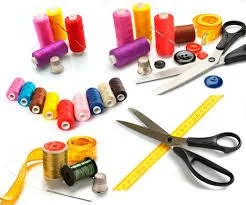
India hosts Swetha Exports, which currently lists eight distinct products in its catalogue. The portfolio spans staple grains such as IR64 raw rice and its parboiled variant, a starch source in the form of sago (Motidana), and a refined wheat flour known as Maida. It also includes animal protein with frozen buffalo meat, two types of tailoring buttons - polyester resin buttons and natural buffalo/ox horn button blanks - both classified under HS code 9606.29, and a natural fibre product, Palmyra fiber. Each item is recorded with its material composition where applicable, for example polyester resin for the synthetic buttons and keratin‑based horn for the natural blanks. The HS code for Maida is 1101.00, aligning it with other refined wheat flours in international trade.

Product Range and Specialties of Swetha Exports

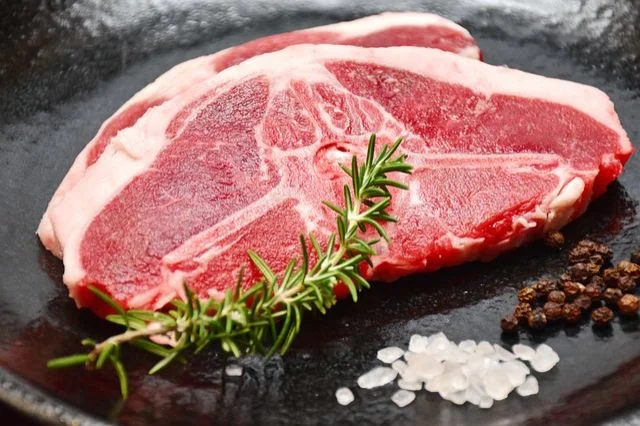
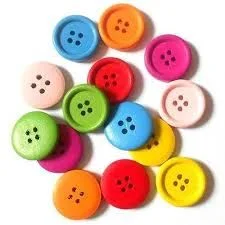
Swetha Exports’ catalogue includes IR64 raw rice and its parboiled counterpart, both of which are widely cultivated in the Indian plains and known for a medium grain length of 6.5‑7.0 mm and an amylose content around 22 %. Buyers typically require moisture levels below 14 % and broken grain percentages under 5 % for premium shipments. The sago (Motidana) supplied is a starch‑rich tuber product, commonly evaluated for a moisture content of 10‑12 % and a starch purity exceeding 80 %. Polyester buttons are produced from resin with a typical melt flow index of 8‑12 g/10 min and are available in diameters from 15 mm to 30 mm; the natural buffalo/ox horn blanks are keratin‑based, often milled to a hardness of 70‑80 Shore A and sized for later finishing. Maida, classified under HS 1101.00, is a finely milled wheat flour with an ash content not exceeding 0.6 % and protein levels around 10 % - specifications commonly required by bakeries. The frozen buffalo meat is supplied at - 18 °C in vacuum‑packed trays, with standard microbiological limits of ≤10⁴ cfu/g for total plate count. Palmyra fiber, harvested from the Borassus flabellifer palm, is typically sold in bundles of 25 kg with fibre lengths of 200‑400 mm, suitable for rope and mat production.

Trade and Export Information - Swetha Exports

India is a major exporter of milled rice, with shipments of IR64 varieties directed to the Middle East, Africa and South‑East Asian markets, where the HS chapter 1006 family governs customs duties. The parboiled form benefits from a reduced breakage rate during transport and is frequently demanded by institutional buyers in the Gulf region. Maida flour is exported under HS 1101.00 to bakeries in the United Arab Emirates, Saudi Arabia and East Africa, where compliance with ISO 22000 and local food safety standards is routinely inspected. Tailoring buttons, both synthetic polyester and natural horn, fall under HS 9606.29 and are sourced by garment manufacturers in Bangladesh, Vietnam and Turkey; buyers often request ISO 9001 quality management certificates and, for natural horn, CITES documentation to confirm legal sourcing. Frozen buffalo meat is classified under HS 0203.30 and typically requires HACCP certification and a veterinary health certificate for entry into European Union or Gulf markets. Palmyra fibre, categorized under HS 1401.90, is exported mainly to the construction and handicraft sectors in Southeast Asia, with phytosanitary certificates commonly required to prevent pest entry.

Sourcing from Swetha Exports - Buyer Guidance

When evaluating Swetha Exports’ rice and sago, buyers should request a recent laboratory analysis covering moisture, broken grain, pesticide residues and aflatoxin levels, as well as a certificate of origin to benefit from any preferential duty rates under the India‑UAE trade agreement. For Maida, a specification sheet confirming ash content, protein percentage and particle size distribution, together with an ISO 22000 or FSSC 22000 audit report, is standard practice. Potential purchasers of the polyester and horn buttons should obtain material safety data sheets (MSDS) and, for the horn blanks, a CITES export permit confirming sustainable sourcing. The frozen buffalo meat must be accompanied by a HACCP audit report, a veterinary health certificate, and a temperature log confirming maintenance at - 18 °C throughout shipment. For Palmyra fibre, buyers normally ask for a phytosanitary certificate and a sample batch to verify fibre length and tensile strength before confirming a container load.

Frequently Asked Questions About Swetha Exports

What product categories does Swetha Exports list?

Swetha Exports lists eight products: sago (Motidana), IR64 raw rice, IR64 parboiled rice, polyester buttons, frozen buffalo meat, buffalo/ox horn button blanks, Maida (refined wheat flour) and Palmyra fibre.

Which HS codes apply to the button products?

Both the polyester buttons and the buffalo/ox horn button blanks are classified under HS code 9606.29, which covers other articles of plastics and natural horns.

How is the Maida flour identified in customs?

Maida is recorded under HS code 1101.00, the heading for wheat flour, and is described as refined wheat flour derived from Triticum aestivum.

What quality specifications are typical for IR64 rice?

Buyers usually require moisture below 14 %, broken grain under 5 % and an amylose content around 22 % for IR64 milled rice. Grain length of 6.5‑7.0 mm is also commonly specified.

What certifications should a buyer request for the frozen buffalo meat?

A HACCP audit report, a veterinary health certificate, and a temperature maintenance log confirming storage at - 18 °C are standard documents for frozen buffalo meat imports.

Are there any special permits needed for the natural horn button blanks?

Because the blanks are keratin‑based, importers often need a CITES export permit or equivalent documentation proving legal sourcing of the animal material.

What packaging and container size are typical for the Palmyra fibre?

Palmyra fibre is usually packed in 25 kg polypropylene bags. A 20‑foot container can accommodate roughly 1,200 kg of fibre, while a 40‑foot container holds about 2,400 kg.

Featured Products from this Supplier

Other Suppliers in Primary Category

Top Trusted Suppliers

Related Products

Trending in Parent Category

More Suppliers in Category

Related Products

Other Suppliers

EximNext
58.5K+ live requirements
Register Free🎁 Reach verified global buyers
Post Requirement
🌍 Trusted by 224.6K+ businesses in 200+ countries|
58.5K+ active requirements right now
✉️ [email protected]
|
Sell on EximNextPost Requirement
EximNext
AgricultureApparelConstructionElectronicFoodHomeIndustrialMineralsMiscellaneous
🔥 Deals|✨ AI Match|🏭 Suppliers|📋 Buy Leads|💰 Trade Finance
58.5K+ live RFQs·194.6K+ suppliers
🎁 Reach global buyers →
EximNext
EximNext
Register Free
🎁 Reach verified global buyers
Sign In
📋Post Requirement💬Get QuotesAI Match📋RFQ Marketplace
All Categories
Services & Tools
🏭Supplier Directory🔥Today's Deals💰Trade Finance
Sell on EximNext
AboutContactBlogHelp
🏭

Swetha Exports

Harbor
Country flag , India
🛡️
54/100
Trust Score

Swetha Exports Product Catalog

Showing 8 of 8 products
View all products →
Sago (Motidana)
Harbor
Sago (Motidana)
Contact
MOQ: 1 Unit
IR64 Raw Rice
Harbor
IR64 Raw Rice
Contact
MOQ: 1 Unit
IR 64 Parboiled Rice
Harbor
IR 64 Parboiled Rice
Contact
MOQ: 1 Unit
Polyester Buttons
Harbor
Polyester Buttons
Contact
MOQ: 1 Unit
Buffalo Frozen Meat
Harbor
Buffalo Frozen Meat
Contact
MOQ: 1 Unit
Buffalo/Ox Horn Button Blanks
Harbor
Buffalo/Ox Horn Button Blanks
Contact
MOQ: 1 Unit
Maida
Harbor
Maida
Contact
MOQ: 1 Unit
Palmyra Fiber
Harbor
Palmyra Fiber
Contact
MOQ: 1 Unit

About Swetha Exports - Mixed Goods Supplier in India

India hosts Swetha Exports, which currently lists eight distinct products in its catalogue. The portfolio spans staple grains such as IR64 raw rice and its parboiled variant, a starch source in the form of sago (Motidana), and a refined wheat flour known as Maida. It also includes animal protein with frozen buffalo meat, two types of tailoring buttons - polyester resin buttons and natural buffalo/ox horn button blanks - both classified under HS code 9606.29, and a natural fibre product, Palmyra fiber. Each item is recorded with its material composition where applicable, for example polyester resin for the synthetic buttons and keratin‑based horn for the natural blanks. The HS code for Maida is 1101.00, aligning it with other refined wheat flours in international trade.

Product Range and Specialties of Swetha Exports

Swetha Exports’ catalogue includes IR64 raw rice and its parboiled counterpart, both of which are widely cultivated in the Indian plains and known for a medium grain length of 6.5‑7.0 mm and an amylose content around 22 %. Buyers typically require moisture levels below 14 % and broken grain percentages under 5 % for premium shipments. The sago (Motidana) supplied is a starch‑rich tuber product, commonly evaluated for a moisture content of 10‑12 % and a starch purity exceeding 80 %. Polyester buttons are produced from resin with a typical melt flow index of 8‑12 g/10 min and are available in diameters from 15 mm to 30 mm; the natural buffalo/ox horn blanks are keratin‑based, often milled to a hardness of 70‑80 Shore A and sized for later finishing. Maida, classified under HS 1101.00, is a finely milled wheat flour with an ash content not exceeding 0.6 % and protein levels around 10 % - specifications commonly required by bakeries. The frozen buffalo meat is supplied at - 18 °C in vacuum‑packed trays, with standard microbiological limits of ≤10⁴ cfu/g for total plate count. Palmyra fiber, harvested from the Borassus flabellifer palm, is typically sold in bundles of 25 kg with fibre lengths of 200‑400 mm, suitable for rope and mat production.

Trade and Export Information - Swetha Exports

India is a major exporter of milled rice, with shipments of IR64 varieties directed to the Middle East, Africa and South‑East Asian markets, where the HS chapter 1006 family governs customs duties. The parboiled form benefits from a reduced breakage rate during transport and is frequently demanded by institutional buyers in the Gulf region. Maida flour is exported under HS 1101.00 to bakeries in the United Arab Emirates, Saudi Arabia and East Africa, where compliance with ISO 22000 and local food safety standards is routinely inspected. Tailoring buttons, both synthetic polyester and natural horn, fall under HS 9606.29 and are sourced by garment manufacturers in Bangladesh, Vietnam and Turkey; buyers often request ISO 9001 quality management certificates and, for natural horn, CITES documentation to confirm legal sourcing. Frozen buffalo meat is classified under HS 0203.30 and typically requires HACCP certification and a veterinary health certificate for entry into European Union or Gulf markets. Palmyra fibre, categorized under HS 1401.90, is exported mainly to the construction and handicraft sectors in Southeast Asia, with phytosanitary certificates commonly required to prevent pest entry.

Sourcing from Swetha Exports - Buyer Guidance

When evaluating Swetha Exports’ rice and sago, buyers should request a recent laboratory analysis covering moisture, broken grain, pesticide residues and aflatoxin levels, as well as a certificate of origin to benefit from any preferential duty rates under the India‑UAE trade agreement. For Maida, a specification sheet confirming ash content, protein percentage and particle size distribution, together with an ISO 22000 or FSSC 22000 audit report, is standard practice. Potential purchasers of the polyester and horn buttons should obtain material safety data sheets (MSDS) and, for the horn blanks, a CITES export permit confirming sustainable sourcing. The frozen buffalo meat must be accompanied by a HACCP audit report, a veterinary health certificate, and a temperature log confirming maintenance at - 18 °C throughout shipment. For Palmyra fibre, buyers normally ask for a phytosanitary certificate and a sample batch to verify fibre length and tensile strength before confirming a container load.

Frequently Asked Questions About Swetha Exports

What product categories does Swetha Exports list?

Swetha Exports lists eight products: sago (Motidana), IR64 raw rice, IR64 parboiled rice, polyester buttons, frozen buffalo meat, buffalo/ox horn button blanks, Maida (refined wheat flour) and Palmyra fibre.

Which HS codes apply to the button products?

Both the polyester buttons and the buffalo/ox horn button blanks are classified under HS code 9606.29, which covers other articles of plastics and natural horns.

How is the Maida flour identified in customs?

Maida is recorded under HS code 1101.00, the heading for wheat flour, and is described as refined wheat flour derived from Triticum aestivum.

What quality specifications are typical for IR64 rice?

Buyers usually require moisture below 14 %, broken grain under 5 % and an amylose content around 22 % for IR64 milled rice. Grain length of 6.5‑7.0 mm is also commonly specified.

What certifications should a buyer request for the frozen buffalo meat?

A HACCP audit report, a veterinary health certificate, and a temperature maintenance log confirming storage at - 18 °C are standard documents for frozen buffalo meat imports.

Are there any special permits needed for the natural horn button blanks?

Because the blanks are keratin‑based, importers often need a CITES export permit or equivalent documentation proving legal sourcing of the animal material.

What packaging and container size are typical for the Palmyra fibre?

Palmyra fibre is usually packed in 25 kg polypropylene bags. A 20‑foot container can accommodate roughly 1,200 kg of fibre, while a 40‑foot container holds about 2,400 kg.

About Swetha Exports - Mixed Goods Supplier in India

India hosts Swetha Exports, which currently lists eight distinct products in its catalogue. The portfolio spans staple grains such as IR64 raw rice and its parboiled variant, a starch source in the form of sago (Motidana), and a refined wheat flour known as Maida. It also includes animal protein with frozen buffalo meat, two types of tailoring buttons - polyester resin buttons and natural buffalo/ox horn button blanks - both classified under HS code 9606.29, and a natural fibre product, Palmyra fiber. Each item is recorded with its material composition where applicable, for example polyester resin for the synthetic buttons and keratin‑based horn for the natural blanks. The HS code for Maida is 1101.00, aligning it with other refined wheat flours in international trade.

Product Range and Specialties of Swetha Exports

Swetha Exports’ catalogue includes IR64 raw rice and its parboiled counterpart, both of which are widely cultivated in the Indian plains and known for a medium grain length of 6.5‑7.0 mm and an amylose content around 22 %. Buyers typically require moisture levels below 14 % and broken grain percentages under 5 % for premium shipments. The sago (Motidana) supplied is a starch‑rich tuber product, commonly evaluated for a moisture content of 10‑12 % and a starch purity exceeding 80 %. Polyester buttons are produced from resin with a typical melt flow index of 8‑12 g/10 min and are available in diameters from 15 mm to 30 mm; the natural buffalo/ox horn blanks are keratin‑based, often milled to a hardness of 70‑80 Shore A and sized for later finishing. Maida, classified under HS 1101.00, is a finely milled wheat flour with an ash content not exceeding 0.6 % and protein levels around 10 % - specifications commonly required by bakeries. The frozen buffalo meat is supplied at - 18 °C in vacuum‑packed trays, with standard microbiological limits of ≤10⁴ cfu/g for total plate count. Palmyra fiber, harvested from the Borassus flabellifer palm, is typically sold in bundles of 25 kg with fibre lengths of 200‑400 mm, suitable for rope and mat production.

Trade and Export Information - Swetha Exports

India is a major exporter of milled rice, with shipments of IR64 varieties directed to the Middle East, Africa and South‑East Asian markets, where the HS chapter 1006 family governs customs duties. The parboiled form benefits from a reduced breakage rate during transport and is frequently demanded by institutional buyers in the Gulf region. Maida flour is exported under HS 1101.00 to bakeries in the United Arab Emirates, Saudi Arabia and East Africa, where compliance with ISO 22000 and local food safety standards is routinely inspected. Tailoring buttons, both synthetic polyester and natural horn, fall under HS 9606.29 and are sourced by garment manufacturers in Bangladesh, Vietnam and Turkey; buyers often request ISO 9001 quality management certificates and, for natural horn, CITES documentation to confirm legal sourcing. Frozen buffalo meat is classified under HS 0203.30 and typically requires HACCP certification and a veterinary health certificate for entry into European Union or Gulf markets. Palmyra fibre, categorized under HS 1401.90, is exported mainly to the construction and handicraft sectors in Southeast Asia, with phytosanitary certificates commonly required to prevent pest entry.

Sourcing from Swetha Exports - Buyer Guidance

When evaluating Swetha Exports’ rice and sago, buyers should request a recent laboratory analysis covering moisture, broken grain, pesticide residues and aflatoxin levels, as well as a certificate of origin to benefit from any preferential duty rates under the India‑UAE trade agreement. For Maida, a specification sheet confirming ash content, protein percentage and particle size distribution, together with an ISO 22000 or FSSC 22000 audit report, is standard practice. Potential purchasers of the polyester and horn buttons should obtain material safety data sheets (MSDS) and, for the horn blanks, a CITES export permit confirming sustainable sourcing. The frozen buffalo meat must be accompanied by a HACCP audit report, a veterinary health certificate, and a temperature log confirming maintenance at - 18 °C throughout shipment. For Palmyra fibre, buyers normally ask for a phytosanitary certificate and a sample batch to verify fibre length and tensile strength before confirming a container load.

Frequently Asked Questions About Swetha Exports
What product categories does Swetha Exports list?
Swetha Exports lists eight products: sago (Motidana), IR64 raw rice, IR64 parboiled rice, polyester buttons, frozen buffalo meat, buffalo/ox horn button blanks, Maida (refined wheat flour) and Palmyra fibre.
Which HS codes apply to the button products?
Both the polyester buttons and the buffalo/ox horn button blanks are classified under HS code 9606.29, which covers other articles of plastics and natural horns.
How is the Maida flour identified in customs?
Maida is recorded under HS code 1101.00, the heading for wheat flour, and is described as refined wheat flour derived from Triticum aestivum.
What quality specifications are typical for IR64 rice?
Buyers usually require moisture below 14 %, broken grain under 5 % and an amylose content around 22 % for IR64 milled rice. Grain length of 6.5‑7.0 mm is also commonly specified.
What certifications should a buyer request for the frozen buffalo meat?
A HACCP audit report, a veterinary health certificate, and a temperature maintenance log confirming storage at - 18 °C are standard documents for frozen buffalo meat imports.
Are there any special permits needed for the natural horn button blanks?
Because the blanks are keratin‑based, importers often need a CITES export permit or equivalent documentation proving legal sourcing of the animal material.
What packaging and container size are typical for the Palmyra fibre?
Palmyra fibre is usually packed in 25 kg polypropylene bags. A 20‑foot container can accommodate roughly 1,200 kg of fibre, while a 40‑foot container holds about 2,400 kg.

🏭
Swetha Exports
Country flag , India
Harbor
54/100
Trust Score
📦
8
Products
Free to contact — no commission
Escrow payment available
Verified business identity
Compare more suppliers
Post a requirement — get 10 quotes free
Let verified suppliers compete for your business. Free, fast, no commitment.
EximNext Verified Supplier
Business identity verified
Physical address confirmed
Financial history checked
Certifications authenticated
Trade references validated
Due Diligence
Verify this supplier's real shipping history.
Every shipment, every buyer, every port. Trade data that can't be faked.
Run due diligence →
Discover More

Related Suppliers & Products

Explore similar suppliers, related products and trending categories

Featured Products from this Supplier

Other Suppliers in Primary Category

Top Trusted Suppliers

Related Products

Trending in Parent Category

More Suppliers in Category

Stay ahead in global trade
Weekly market insights & new supplier alerts.
EximNext
Exim Next is a leading global B2B marketplace, connecting over 205,000 verified suppliers and buyers across 200+ countries. As a trusted import export marketplace, it serves as the essential B2B portal for businesses worldwide, empowering them to expand their international reach. With Exim Next, businesses can trade smarter and grow faster.
SECURE PAYMENTS
VISAMastercardPayPalSWIFTL/CEscrow
Follow us
© 2026 EximNext