Splendent Technologies Pte, Ltd. — Supplier
About Splendent Technologies Pte, Ltd. - Electric Components Supplier in Japan
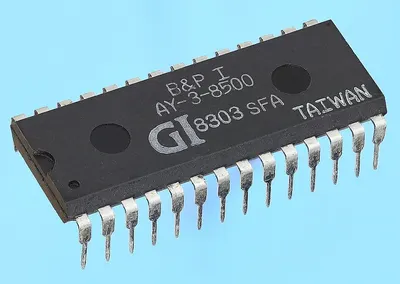
Splendent Technologies Pte, Ltd. is based in Japan and currently lists five active products in its catalogue. The items - Saa7111ahz, Dm9000aep, Sst39vf040-70-4c-whe, Max494esd+t and Sl811hst-axc-1.5 - fall under the electric components and electronic chips categories, which are classified in the HS‑code chapter 85, commonly under heading 8542 for integrated circuits.
The five products represent semiconductor integrated circuits used for video decoding, digital modulation, memory storage, voltage regulation and switching power conversion. Such components are typical in consumer electronics, automotive electronics, telecommunications equipment and industrial control systems, and they are normally supplied in anti‑static trays or moisture‑sealed bags for export.
Product Range and Specialties of Splendent Technologies Pte, Ltd.
The catalogue includes a video decoder IC (Saa7111ahz), a digital modulation IC (Dm9000aep), a static RAM device (Sst39vf040-70-4c-whe), a low‑dropout voltage regulator (Max494esd+t) and a switching regulator (Sl811hst-axc-1.5). In the broader market, video decoder chips are specified by capture resolution (e.g., 720p, 1080i) and supply voltage ranges of 3.3 V to 5 V. Modulation ICs for cable or satellite systems are evaluated by carrier frequency, output power and compliance with standards such as DVB‑C. SRAM parts are graded by access time (typically 45 ns to 70 ns) and package type (e.g., 32‑pin SOP). Voltage regulators are categorized by output tolerance (±1 % to ±5 %), dropout voltage (often <0.5 V for LDOs) and protection features like over‑current shutdown. Switching regulators are described by switching frequency (hundreds of kHz to several MHz) and efficiency (usually >85 %).
Trade and Export Information - Splendent Technologies Pte, Ltd.
Japan is a major exporter of semiconductor components, with the majority of shipments destined for North America, Europe and other Asian markets. Products like those listed are usually declared under HS code 8542.31 (digital integrated circuits) or 8542.39 (other electronic integrated circuits). Importers typically require RoHS compliance, REACH registration for any hazardous substances, and CE or FCC declarations depending on the end‑use market. Standard packaging involves moisture‑barrier bags with desiccant and anti‑static liners, and shipments are often sent in 20‑foot containers holding up to 1,200 kg of components. Common Incoterms used by Japanese exporters include FOB Tokyo Port or CIF for European destinations.
Buyers should verify that the supplier can provide certificates of conformity to the relevant standards and that the export documentation includes a commercial invoice, packing list, and certificate of origin. Japanese exporters also follow the JETRO export guidelines, which recommend labeling each package with the HS code, net weight and handling instructions to avoid static discharge.
Sourcing from Splendent Technologies Pte, Ltd. - Buyer Guidance
When sourcing these semiconductor parts, request the latest datasheet, RoHS compliance certificate and, if applicable, an AEC‑Q100 automotive qualification report. Verify the part numbers against the manufacturer’s reference and ask for a sample batch to test key parameters such as supply voltage tolerance, switching frequency or memory access time. Confirm that the packaging meets anti‑static and moisture‑control requirements before confirming the order.
Typical minimum order quantities for Japanese component exporters range from 500 to 2,000 units per part, with lead times of four to six weeks after order confirmation. Ensure that the purchase agreement specifies the inspection regime (e.g., 100 % visual inspection or sampling per ISO 9001) and the accepted acceptance criteria for parameters such as voltage regulation accuracy or memory error‑rate.
Frequently Asked Questions About Splendent Technologies Pte, Ltd.
What types of electronic components does Splendent Technologies list?
The supplier lists five semiconductor ICs: a video decoder (Saa7111ahz), a digital modulation chip (Dm9000aep), a static RAM device (Sst39vf040-70-4c-whe), a low‑dropout regulator (Max494esd+t) and a switching regulator (Sl811hst-axc-1.5).
Which HS code families are applicable to these products?
These items are generally classified under HS chapter 85, heading 8542 for integrated circuits and related semiconductor devices.
What certifications should a buyer request for these components?
Buyers should request RoHS compliance certificates, REACH registration details, and any applicable CE or FCC declarations; automotive‑grade parts may also need an AEC‑Q100 report.
What packaging is typical for exporting Japanese semiconductor ICs?
Components are usually packed in anti‑static trays or moisture‑sealed bags with desiccant, placed inside cardboard boxes that are labeled with handling warnings and HS codes.
What are common lead times and MOQ for these types of parts?
Lead times are typically four to six weeks, and minimum order quantities often range from 500 to 2,000 units per part, depending on the specific IC.
How can a buyer verify the quality of the supplied ICs?
Request the manufacturer’s datasheet, test reports for key parameters (e.g., voltage tolerance, switching frequency, access time), and consider an independent sample inspection according to ISO 9001 sampling plans.
Which markets most frequently import Japanese electronic chips?
Major import markets include the United States, the European Union, South Korea and Taiwan, where the components are used in consumer electronics, automotive systems and telecom equipment.
What Incoterms are commonly used by this supplier?
Export transactions from Japan often use FOB Tokyo Port or CIF to the buyer’s destination, allowing the buyer to arrange insurance and freight as needed.




 , Japan