spectrum business solutions Ltd — Verified Trader & Wholesale Supplier

About spectrum business solutions Ltd - Petroleum Fuels Supplier in Canada

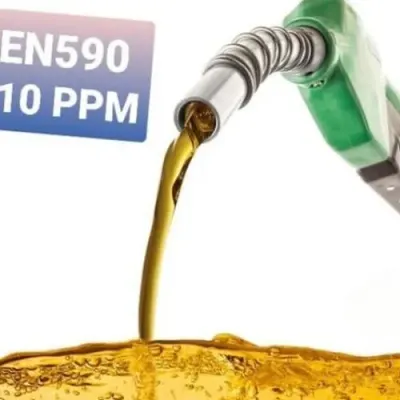
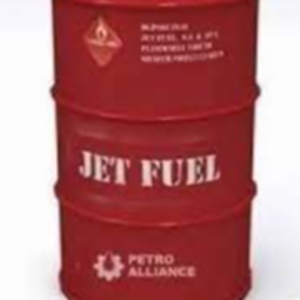
Canada, Ontario, hosts spectrum business solutions Ltd, which currently lists seven active products in its catalogue. The catalogue includes Diesel EN 590 with ≤10 ppm sulfur, Diesel EN 590 with <50 ppm sulfur, Jet fuel (Jet A1 type), D6 residual fuel oil, Crude oil (palm‑oil based), A1 dried apricot, and an additional Diesel EN 590 entry recorded as fuel oil. Each fuel item is classified under HS code 2710.19, while the dried apricot uses HS 0813.30 and the palm‑oil crude uses HS 1511.10. The supplier’s top categories span Petrol, Diesel, Crude Oil, Kerosene Oil, Diesel Generators, Automobile Engines, Automobile Gas Systems & Kits, and Car Engines, reflecting a focus on petroleum and related industrial products.

The product list shows a mix of refined fuels and a single agricultural commodity. Diesel EN 590 products meet the European diesel standard, Jet fuel aligns with aviation fuel specifications, D6 is a heavy fuel oil for marine or industrial boilers, and the crude oil entry corresponds to raw palm‑oil material. All items are presented as certified or grade‑specific fuels, and the HS‑code grouping indicates they fall within the same customs tariff chapter for refined petroleum products, except the two non‑fuel items which belong to separate chapters.

Product Range and Specialties of spectrum business solutions Ltd

The catalogue’s seven items cover the core segments of refined petroleum trade. Diesel EN 590 with ≤10 ppm sulfur and the <50 ppm version are standard road‑diesel grades used across Europe and North America, typically requiring a cetane number of at least 51 and a density of 0.820‑0.845 kg/L at 15 °C. Jet fuel matches Jet A1 specifications (ASTM D1655/EN 228) with a flash point minimum of 38 °C and a density range of 0.775‑0.840 kg/L. D6 residual fuel oil is a heavy bunker‑grade oil whose viscosity usually lies between 200‑400 mm²/s at 50 °C and sulfur content often exceeds 1 %. The crude palm‑oil entry is a raw oil grade commonly referenced by ICUMSA 45‑48 standards, with free fatty acid levels below 0.5 % and moisture under 0.2 %. The dried apricot (A1) falls under HS 0813.30 and is typically traded in 20 kg bags or bulk containers for food‑grade markets. All fuel items share HS 2710.19, the tariff heading for refined petroleum oils and products.

Trade and Export Information - spectrum business solutions Ltd

Canada is a net exporter of refined petroleum products, and HS 2710.19 covers diesel, gasoline, jet fuel and heavy fuel oil. Major import destinations for Canadian diesel and jet fuel include the United States, the European Union, Japan and South Korea, where buyers often require compliance with EN 590 (diesel) or ASTM D1655 (jet fuel) and proof of sulfur limits to meet IMO 2020 and EU fuel‑quality directives. Typical certifications requested by importers are API Q1, ISO 9001 and a Certificate of Analysis confirming sulfur, density and cetane or flash‑point values. Export shipments are usually loaded in ISO‑tank containers (20 ft or 40 ft) for regional deliveries or in bulk tanker vessels for larger volumes, with Incoterms such as FOB or CIF most common. For the non‑fuel items, dried apricot and crude palm oil, buyers in the Middle East and Southeast Asia often request phytosanitary certificates and food‑grade quality standards like ISO 22000 or HACCP.

Sourcing from spectrum business solutions Ltd - Buyer Guidance

When sourcing diesel EN 590 from this supplier, request a recent Certificate of Analysis that lists sulfur content (≤10 ppm or <50 ppm), cetane number, density and flash point. Verify that the product complies with EN 590 and ask for any relevant API or ISO quality certifications. For jet fuel, obtain a test report showing compliance with ASTM D1655, including flash point, freezing point and sulfur level. Heavy fuel oil (D6) buyers should request viscosity measurements at 50 °C and a sulfur analysis, together with an MSDS. For the crude palm‑oil entry, ask for an ICUMSA grade report, free‑fat‑acid percentage, moisture content and a Certificate of Origin. Finally, confirm packaging details - ISO tank dimensions, drum size or bulk bulk‑carrier specifications - and agree on Incoterms before finalising the order.

Frequently Asked Questions About spectrum business solutions Ltd

What petroleum products does spectrum business solutions Ltd list in its catalogue?

The catalogue lists seven items: Diesel EN 590 with ≤10 ppm sulfur, Diesel EN 590 with <50 ppm sulfur, Jet fuel (Jet A1 type), D6 residual fuel oil, Crude oil (palm‑oil based), A1 dried apricot, and an additional Diesel EN 590 entry classified as fuel oil. All fuel items use HS code 2710.19 except the dried apricot (HS 0813.30) and the palm‑oil crude (HS 1511.10).

Which standards are typically applied to the diesel products offered?

Diesel EN 590 products are required to meet the European standard EN 590, which limits sulfur to ≤10 ppm, mandates a minimum cetane number of 51, and specifies density between 0.820 - 0.845 kg/L at 15 °C. Buyers usually request a Certificate of Analysis confirming these parameters.

What specifications define the jet fuel in the catalogue?

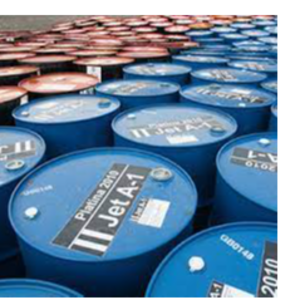
The jet fuel is classified as a kerosene‑based aviation fuel (Jet A1) with a minimum flash point of 38 °C, density between 0.775 - 0.840 kg/L at 15 °C, and compliance with ASTM D1655 or EN 228. A test report showing flash point, freezing point and sulfur content is standard for import approval.

How is the heavy fuel oil (D6) typically packaged for export?

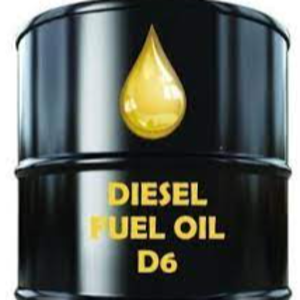
D6 residual fuel oil is commonly shipped in ISO‑tank containers of 20 ft or 40 ft size, or in bulk via tanker trucks for regional deliveries. The product is usually supplied with a material safety data sheet (MSDS) and a Certificate of Analysis indicating viscosity and sulfur level.

What documentation should a buyer request before purchasing crude palm oil from this supplier?

Buyers should ask for a Certificate of Origin, a Certificate of Analysis showing the ICUMSA grade (commonly 45 or 48), free‑fat‑acid and moisture percentages, and any relevant food‑grade certifications such as ISO 22000 or HACCP if the oil is intended for edible use.

Which markets commonly import the types of fuels listed by this supplier?

Canadian refined petroleum products under HS 2710.19 are frequently exported to the United States, the European Union, and East Asian countries such as Japan and South Korea. Importers in these regions typically require compliance with local fuel quality directives and may request documentation for sulfur content and emissions standards.


Other Suppliers in Petrol

Top Trusted Suppliers

Related Products in Petrol

Trending in Parent Category

More Suppliers in Parent Category

Related Products

Other Suppliers

EximNext
58.4K+ live requirements
Register Free🎁 5 free buy-lead credits
Post Requirement
🌍 Trusted by 224.4K+ businesses in 200+ countries|
58.4K+ active requirements right now
✉️ [email protected]
|
Sell on EximNextPost Requirement
EximNext
AgricultureApparelConstructionElectronicFoodHomeIndustrialMineralsMiscellaneous
🔥 Deals|✨ AI Match|🏭 Suppliers|📋 Buy Leads|💰 Trade Finance|⭐ Upgrade
58.4K+ live RFQs·194.4K+ suppliers
🎁 5 free credits →
EximNext
EximNext
Register Free
🎁 5 free buy-lead credits
Sign In
📋Post Requirement💬Get QuotesAI Match📋RFQ Marketplace
All Categories
Services & Tools
🏭Supplier Directory🔥Today's Deals💰Trade FinanceMembership
Sell on EximNext
AboutContactBlogHelp
🏭

spectrum business solutions Ltd

Harbor
Country flag , CanadaEst. 2023-01-01
🏆
3+
Years in Business
🛡️
60/100
Trust Score

spectrum business solutions Ltd Product Catalog

Showing 7 of 7 products
View all products →
Diesel En 590 10 ppm
Harbor
Diesel En 590 10 ppm
Contact
MOQ: 1 Unit
Crude  Oil
Harbor
Crude Oil
Contact
MOQ: 1 Unit
D6
Harbor
D6
Contact
MOQ: 1 Unit
A1
Harbor
A1
Contact
MOQ: 1 Unit
Jet fuel
Harbor
Jet fuel
Contact
MOQ: 1 Unit
Diesel EN 590 50 ppm
Harbor
Diesel EN 590 50 ppm
Contact
MOQ: 1 Unit
Diesel EN 590 10 ppm
Harbor
Diesel EN 590 10 ppm
Contact
MOQ: 1 Unit

About spectrum business solutions Ltd - Petroleum Fuels Supplier in Canada

Canada, Ontario, hosts spectrum business solutions Ltd, which currently lists seven active products in its catalogue. The catalogue includes Diesel EN 590 with ≤10 ppm sulfur, Diesel EN 590 with <50 ppm sulfur, Jet fuel (Jet A1 type), D6 residual fuel oil, Crude oil (palm‑oil based), A1 dried apricot, and an additional Diesel EN 590 entry recorded as fuel oil. Each fuel item is classified under HS code 2710.19, while the dried apricot uses HS 0813.30 and the palm‑oil crude uses HS 1511.10. The supplier’s top categories span Petrol, Diesel, Crude Oil, Kerosene Oil, Diesel Generators, Automobile Engines, Automobile Gas Systems & Kits, and Car Engines, reflecting a focus on petroleum and related industrial products.

The product list shows a mix of refined fuels and a single agricultural commodity. Diesel EN 590 products meet the European diesel standard, Jet fuel aligns with aviation fuel specifications, D6 is a heavy fuel oil for marine or industrial boilers, and the crude oil entry corresponds to raw palm‑oil material. All items are presented as certified or grade‑specific fuels, and the HS‑code grouping indicates they fall within the same customs tariff chapter for refined petroleum products, except the two non‑fuel items which belong to separate chapters.

Product Range and Specialties of spectrum business solutions Ltd

The catalogue’s seven items cover the core segments of refined petroleum trade. Diesel EN 590 with ≤10 ppm sulfur and the <50 ppm version are standard road‑diesel grades used across Europe and North America, typically requiring a cetane number of at least 51 and a density of 0.820‑0.845 kg/L at 15 °C. Jet fuel matches Jet A1 specifications (ASTM D1655/EN 228) with a flash point minimum of 38 °C and a density range of 0.775‑0.840 kg/L. D6 residual fuel oil is a heavy bunker‑grade oil whose viscosity usually lies between 200‑400 mm²/s at 50 °C and sulfur content often exceeds 1 %. The crude palm‑oil entry is a raw oil grade commonly referenced by ICUMSA 45‑48 standards, with free fatty acid levels below 0.5 % and moisture under 0.2 %. The dried apricot (A1) falls under HS 0813.30 and is typically traded in 20 kg bags or bulk containers for food‑grade markets. All fuel items share HS 2710.19, the tariff heading for refined petroleum oils and products.

Trade and Export Information - spectrum business solutions Ltd

Canada is a net exporter of refined petroleum products, and HS 2710.19 covers diesel, gasoline, jet fuel and heavy fuel oil. Major import destinations for Canadian diesel and jet fuel include the United States, the European Union, Japan and South Korea, where buyers often require compliance with EN 590 (diesel) or ASTM D1655 (jet fuel) and proof of sulfur limits to meet IMO 2020 and EU fuel‑quality directives. Typical certifications requested by importers are API Q1, ISO 9001 and a Certificate of Analysis confirming sulfur, density and cetane or flash‑point values. Export shipments are usually loaded in ISO‑tank containers (20 ft or 40 ft) for regional deliveries or in bulk tanker vessels for larger volumes, with Incoterms such as FOB or CIF most common. For the non‑fuel items, dried apricot and crude palm oil, buyers in the Middle East and Southeast Asia often request phytosanitary certificates and food‑grade quality standards like ISO 22000 or HACCP.

Sourcing from spectrum business solutions Ltd - Buyer Guidance

When sourcing diesel EN 590 from this supplier, request a recent Certificate of Analysis that lists sulfur content (≤10 ppm or <50 ppm), cetane number, density and flash point. Verify that the product complies with EN 590 and ask for any relevant API or ISO quality certifications. For jet fuel, obtain a test report showing compliance with ASTM D1655, including flash point, freezing point and sulfur level. Heavy fuel oil (D6) buyers should request viscosity measurements at 50 °C and a sulfur analysis, together with an MSDS. For the crude palm‑oil entry, ask for an ICUMSA grade report, free‑fat‑acid percentage, moisture content and a Certificate of Origin. Finally, confirm packaging details - ISO tank dimensions, drum size or bulk bulk‑carrier specifications - and agree on Incoterms before finalising the order.

Frequently Asked Questions About spectrum business solutions Ltd

What petroleum products does spectrum business solutions Ltd list in its catalogue?

The catalogue lists seven items: Diesel EN 590 with ≤10 ppm sulfur, Diesel EN 590 with <50 ppm sulfur, Jet fuel (Jet A1 type), D6 residual fuel oil, Crude oil (palm‑oil based), A1 dried apricot, and an additional Diesel EN 590 entry classified as fuel oil. All fuel items use HS code 2710.19 except the dried apricot (HS 0813.30) and the palm‑oil crude (HS 1511.10).

Which standards are typically applied to the diesel products offered?

Diesel EN 590 products are required to meet the European standard EN 590, which limits sulfur to ≤10 ppm, mandates a minimum cetane number of 51, and specifies density between 0.820 - 0.845 kg/L at 15 °C. Buyers usually request a Certificate of Analysis confirming these parameters.

What specifications define the jet fuel in the catalogue?

The jet fuel is classified as a kerosene‑based aviation fuel (Jet A1) with a minimum flash point of 38 °C, density between 0.775 - 0.840 kg/L at 15 °C, and compliance with ASTM D1655 or EN 228. A test report showing flash point, freezing point and sulfur content is standard for import approval.

How is the heavy fuel oil (D6) typically packaged for export?

D6 residual fuel oil is commonly shipped in ISO‑tank containers of 20 ft or 40 ft size, or in bulk via tanker trucks for regional deliveries. The product is usually supplied with a material safety data sheet (MSDS) and a Certificate of Analysis indicating viscosity and sulfur level.

What documentation should a buyer request before purchasing crude palm oil from this supplier?

Buyers should ask for a Certificate of Origin, a Certificate of Analysis showing the ICUMSA grade (commonly 45 or 48), free‑fat‑acid and moisture percentages, and any relevant food‑grade certifications such as ISO 22000 or HACCP if the oil is intended for edible use.

Which markets commonly import the types of fuels listed by this supplier?

Canadian refined petroleum products under HS 2710.19 are frequently exported to the United States, the European Union, and East Asian countries such as Japan and South Korea. Importers in these regions typically require compliance with local fuel quality directives and may request documentation for sulfur content and emissions standards.

About spectrum business solutions Ltd - Petroleum Fuels Supplier in Canada

Canada, Ontario, hosts spectrum business solutions Ltd, which currently lists seven active products in its catalogue. The catalogue includes Diesel EN 590 with ≤10 ppm sulfur, Diesel EN 590 with <50 ppm sulfur, Jet fuel (Jet A1 type), D6 residual fuel oil, Crude oil (palm‑oil based), A1 dried apricot, and an additional Diesel EN 590 entry recorded as fuel oil. Each fuel item is classified under HS code 2710.19, while the dried apricot uses HS 0813.30 and the palm‑oil crude uses HS 1511.10. The supplier’s top categories span Petrol, Diesel, Crude Oil, Kerosene Oil, Diesel Generators, Automobile Engines, Automobile Gas Systems & Kits, and Car Engines, reflecting a focus on petroleum and related industrial products.

The product list shows a mix of refined fuels and a single agricultural commodity. Diesel EN 590 products meet the European diesel standard, Jet fuel aligns with aviation fuel specifications, D6 is a heavy fuel oil for marine or industrial boilers, and the crude oil entry corresponds to raw palm‑oil material. All items are presented as certified or grade‑specific fuels, and the HS‑code grouping indicates they fall within the same customs tariff chapter for refined petroleum products, except the two non‑fuel items which belong to separate chapters.

Product Range and Specialties of spectrum business solutions Ltd

The catalogue’s seven items cover the core segments of refined petroleum trade. Diesel EN 590 with ≤10 ppm sulfur and the <50 ppm version are standard road‑diesel grades used across Europe and North America, typically requiring a cetane number of at least 51 and a density of 0.820‑0.845 kg/L at 15 °C. Jet fuel matches Jet A1 specifications (ASTM D1655/EN 228) with a flash point minimum of 38 °C and a density range of 0.775‑0.840 kg/L. D6 residual fuel oil is a heavy bunker‑grade oil whose viscosity usually lies between 200‑400 mm²/s at 50 °C and sulfur content often exceeds 1 %. The crude palm‑oil entry is a raw oil grade commonly referenced by ICUMSA 45‑48 standards, with free fatty acid levels below 0.5 % and moisture under 0.2 %. The dried apricot (A1) falls under HS 0813.30 and is typically traded in 20 kg bags or bulk containers for food‑grade markets. All fuel items share HS 2710.19, the tariff heading for refined petroleum oils and products.

Trade and Export Information - spectrum business solutions Ltd

Canada is a net exporter of refined petroleum products, and HS 2710.19 covers diesel, gasoline, jet fuel and heavy fuel oil. Major import destinations for Canadian diesel and jet fuel include the United States, the European Union, Japan and South Korea, where buyers often require compliance with EN 590 (diesel) or ASTM D1655 (jet fuel) and proof of sulfur limits to meet IMO 2020 and EU fuel‑quality directives. Typical certifications requested by importers are API Q1, ISO 9001 and a Certificate of Analysis confirming sulfur, density and cetane or flash‑point values. Export shipments are usually loaded in ISO‑tank containers (20 ft or 40 ft) for regional deliveries or in bulk tanker vessels for larger volumes, with Incoterms such as FOB or CIF most common. For the non‑fuel items, dried apricot and crude palm oil, buyers in the Middle East and Southeast Asia often request phytosanitary certificates and food‑grade quality standards like ISO 22000 or HACCP.

Sourcing from spectrum business solutions Ltd - Buyer Guidance

When sourcing diesel EN 590 from this supplier, request a recent Certificate of Analysis that lists sulfur content (≤10 ppm or <50 ppm), cetane number, density and flash point. Verify that the product complies with EN 590 and ask for any relevant API or ISO quality certifications. For jet fuel, obtain a test report showing compliance with ASTM D1655, including flash point, freezing point and sulfur level. Heavy fuel oil (D6) buyers should request viscosity measurements at 50 °C and a sulfur analysis, together with an MSDS. For the crude palm‑oil entry, ask for an ICUMSA grade report, free‑fat‑acid percentage, moisture content and a Certificate of Origin. Finally, confirm packaging details - ISO tank dimensions, drum size or bulk bulk‑carrier specifications - and agree on Incoterms before finalising the order.

Frequently Asked Questions About spectrum business solutions Ltd
What petroleum products does spectrum business solutions Ltd list in its catalogue?
The catalogue lists seven items: Diesel EN 590 with ≤10 ppm sulfur, Diesel EN 590 with <50 ppm sulfur, Jet fuel (Jet A1 type), D6 residual fuel oil, Crude oil (palm‑oil based), A1 dried apricot, and an additional Diesel EN 590 entry classified as fuel oil. All fuel items use HS code 2710.19 except the dried apricot (HS 0813.30) and the palm‑oil crude (HS 1511.10).
Which standards are typically applied to the diesel products offered?
Diesel EN 590 products are required to meet the European standard EN 590, which limits sulfur to ≤10 ppm, mandates a minimum cetane number of 51, and specifies density between 0.820 - 0.845 kg/L at 15 °C. Buyers usually request a Certificate of Analysis confirming these parameters.
What specifications define the jet fuel in the catalogue?
The jet fuel is classified as a kerosene‑based aviation fuel (Jet A1) with a minimum flash point of 38 °C, density between 0.775 - 0.840 kg/L at 15 °C, and compliance with ASTM D1655 or EN 228. A test report showing flash point, freezing point and sulfur content is standard for import approval.
How is the heavy fuel oil (D6) typically packaged for export?
D6 residual fuel oil is commonly shipped in ISO‑tank containers of 20 ft or 40 ft size, or in bulk via tanker trucks for regional deliveries. The product is usually supplied with a material safety data sheet (MSDS) and a Certificate of Analysis indicating viscosity and sulfur level.
What documentation should a buyer request before purchasing crude palm oil from this supplier?
Buyers should ask for a Certificate of Origin, a Certificate of Analysis showing the ICUMSA grade (commonly 45 or 48), free‑fat‑acid and moisture percentages, and any relevant food‑grade certifications such as ISO 22000 or HACCP if the oil is intended for edible use.
Which markets commonly import the types of fuels listed by this supplier?
Canadian refined petroleum products under HS 2710.19 are frequently exported to the United States, the European Union, and East Asian countries such as Japan and South Korea. Importers in these regions typically require compliance with local fuel quality directives and may request documentation for sulfur content and emissions standards.

🏭
spectrum business solutions Ltd
Country flag , Canada
Harbor
60/100
Trust Score
📦
7
Products
Free to contact — no commission
Escrow payment available
Verified business identity
Compare more suppliers
Post a requirement — get 10 quotes free
Let verified suppliers compete for your business. Free, fast, no commitment.
EximNext Verified Supplier
Business identity verified
Physical address confirmed
Financial history checked
Certifications authenticated
Trade references validated
Due Diligence
Verify this supplier's real shipping history.
Every shipment, every buyer, every port. Trade data that can't be faked.
Run due diligence →
Discover More

Related Suppliers & Products

Explore similar suppliers, related products and trending categories

Other Suppliers in Petrol

Top Trusted Suppliers

Related Products in Petrol

Trending in Parent Category

More Suppliers in Parent Category

Stay ahead in global trade
Weekly market insights & new supplier alerts.
EximNext
Exim Next is a leading global B2B marketplace, connecting over 205,000 verified suppliers and buyers across 200+ countries. As a trusted import export marketplace, it serves as the essential B2B portal for businesses worldwide, empowering them to expand their international reach. With Exim Next, businesses can trade smarter and grow faster.
SECURE PAYMENTS
VISAMastercardPayPalSWIFTL/CEscrow
Follow us
© 2026 EximNext