Agriculture›
 Apparel and fashion accessories›
 Construction & real estate›💡Electronic & Electrical›🍎Food & Beverages›🛋️Home furnishing & supplies›⚗️Industrial goods & chemical›🪨Minerals & metals›📦Miscellaneous›Agriculture›Apparel and fashion accessories›Construction & real estate›💡Electronic & Electrical›🍎Food & Beverages›🛋️Home furnishing & supplies›⚗️Industrial goods & chemical›🪨Minerals & metals›📦Miscellaneous›
Orand International Limited Corp.
⚓ Harbor , TaiwanNew supplier / no reviews yet
Orand International Limited Corp. Product Catalog




About Orand International Limited Corp. - Automobile Spare Parts Supplier in Taiwan
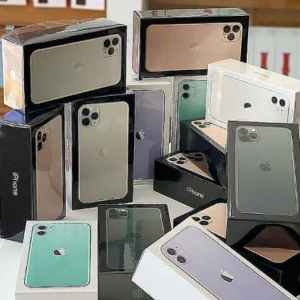
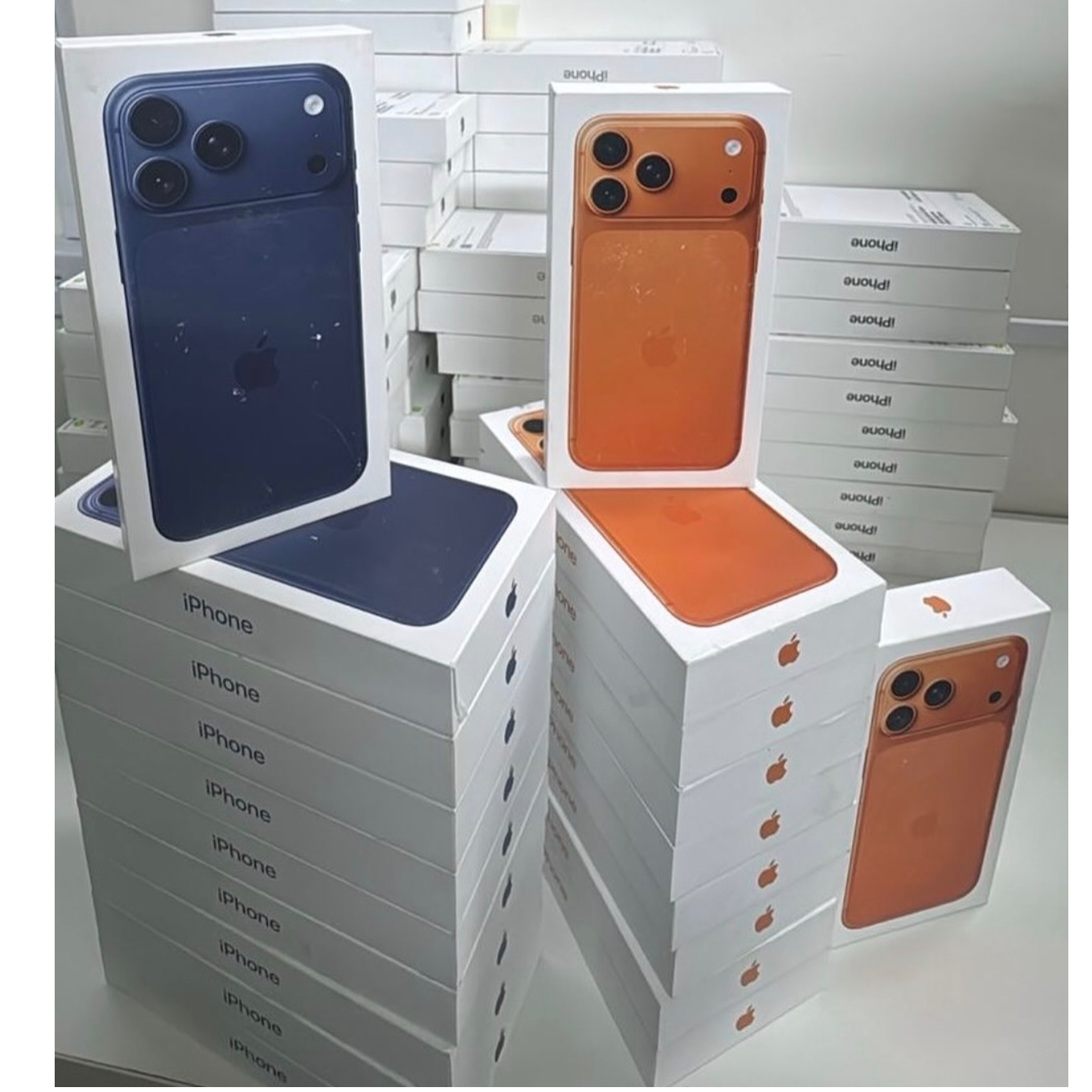
Taiwan‑based Orand International Limited Corp. lists 58 active products in its catalogue. The company’s profile notes its focus on export of automobile spare parts and a broad set of used electronic devices, reflecting a mixed‑category catalogue that spans automotive components and refurbished smartphones. The listed top categories include Used Mobile Phones, Used Computers & Hardware, Used Vehicles, Automobile Spare Parts & Supplies, Automobile Engines, Engine Spare Parts, and Automobile Brakes & Spare Parts. This mix is reflected in the product titles such as Used Engines, Used Passenger Bus, Used Scooters, Used Sedan and a series of used iPhone models ranging from iPhone 7 to iPhone 16 Pro Max.
In the catalogue, automotive items are grouped under the typical HS‑code families for motor vehicles (Chapter 87, e.g., 8701 for engines, 8703 for passenger cars, 8708 for parts). The iPhone entries fall under the telecommunications equipment chapter (HS 8517). The product list therefore spans two major HS sections that are commonly inspected during customs clearance, with each item requiring appropriate documentation for its specific classification.
Product Range and Specialties of Orand International Limited Corp.
The automotive side of Orand’s catalogue includes used engines, brake boosters, steering racks, throttle valves, suspensions and bumpers. In the industry, used engines are graded by mileage, compression test results and OEM compatibility; typical buyers request a compression pressure of at least 150 psi and verify the engine block number against the original specification. Brake boosters and steering components are assessed for hydraulic integrity and leak‑free operation, with ISO 9001‑certified reconditioning processes being a common requirement. The used‑vehicle segment - passenger buses, scooters and sedans - generally follows the vehicle‑age and mileage grading system used in Taiwan’s secondary‑market, where vehicles under 80,000 km are classified as ‘Grade A’, 80,001‑150,000 km as ‘Grade B’, and above as ‘Grade C’. The mobile‑phone segment lists a variety of iPhone models. Refurbished iPhones are commonly sorted by cosmetic grade (A‑B‑C), battery health (typically ≥ 80 % of original capacity), and functional test results such as screen touch sensitivity and camera operation. Buyers usually request IMEI verification and a factory‑reset status report.
Frequently Asked Questions About Orand International Limited Corp.
What HS codes are applicable to the automotive parts listed by Orand International?
Automotive engines and major components are generally classified under Chapter 87, HS 8701 for new or used engines and HS 8708 for spare parts such as brake boosters, steering racks and suspensions.
Which certifications should a buyer request for used engines?
Buyers typically ask for an ISO 9001 quality‑management certificate, a recent compression‑test report and, if the engine is intended for EU markets, a CE conformity declaration.
How are the used iPhone models graded for resale?
Refurbished iPhones are commonly graded A (like new), B (minor cosmetic wear) or C (visible wear). Grading includes battery health (≥ 80 % capacity for A/B), full functional testing and IMEI verification.
What documentation is needed for importing used passenger buses from Taiwan?
Standard documents include a commercial invoice, packing list, certificate of origin, bill of lading and a vehicle inspection report showing VIN, mileage and any structural assessments.
What packaging is typical for shipping used automotive brake boosters?
Brake boosters are usually placed in reinforced wooden crates with foam inserts, secured on pallets, and wrapped in stretch film to protect against vibration during sea freight.
TaiwanRelated Suppliers & Products
Explore similar suppliers, related products and trending categories








.jpg.png)