Soxy Toes — Verified Supplier

About Soxy Toes - Socks Supplier in India

India hosts Soxy Toes, a supplier that currently lists 20 active sock products. The catalogue covers a full spectrum of hosiery, including cotton, Pima cotton, bamboo, and performance blends. Product titles range from basic Cotton Socks and Plain Solid Socks to specialty items such as Quick Dry Athletic Socks, No Show Socks, and Baby And Infant Socks. Each entry is identified by a distinct style name rather than a numeric SKU, reflecting a focus on variety within the sock segment. The supplier also categorises its offering under a secondary “Agriculture” tag, though no agricultural products appear in the listed catalogue.

The listed items encompass casual, formal, athletic, and youth-oriented designs. Examples include Formal Socks, Dress Socks, Crew Socks, Ankle Socks, and Argyle Socks, as well as gender‑specific groups like Men’s Socks, Ladies Socks, and Kids Socks. Specialty finishes such as stripe patterns and other printed designs are also present. The breadth of 20 distinct sock styles suggests a product portfolio aimed at multiple end‑use markets without extending into unrelated categories.

Product Range and Specialties of Soxy Toes

Soxy Toes’ catalogue enumerates 20 sock styles that cover common industry categories such as crew, ankle, no‑show, and sport variants. Materials mentioned include standard cotton, premium Pima cotton and bamboo fibers, which are typical for breathable and moisture‑wicking hosiery. In the global market, cotton socks are usually produced with yarn counts between 20‑30 Ne and a denier range of 70‑120, while bamboo blends often target a lower denier for enhanced softness. Typical quality grades for knit hosiery reference ISO 13069 for dimensional stability and colorfastness, and many buyers request OEKO‑TX Standard 100 certification for harmful substance limits.

Beyond the listed styles, the sock sector commonly differentiates products by stitch type (rib, single‑jersey, or terry), cuff height (crew, mid‑calf, knee‑high), and performance features such as moisture‑wicking or antimicrobial finishes. Buyers often look for specifications like weight per pair (30‑80 g), fiber composition percentages, and reinforced toe or heel zones. While Soxy Toes does not disclose certifications, the industry standard for exported hosiery includes ISO 9001 quality management and, for certain markets, compliance with the EU REACH chemical safety framework.

Trade and Export Information - Soxy Toes

India is a major exporter of knitted hosiery, with the HS‑code chapter 61 covering most sock products; the specific heading most frequently used is 6115 “Knitted or crocheted hosiery, including socks.” Buyers from the United States, European Union, and the Middle East regularly source Indian socks under this code. Export logistics typically involve containerised shipments, with 20‑ft containers accommodating roughly 30 000‑35 000 pairs depending on packaging density. Standard packaging consists of poly‑bagged bundles (often 50‑100 pairs) placed in recyclable cardboard cartons, which aligns with most importers’ handling requirements.

Importers commonly request documentation such as a commercial invoice, packing list, certificate of origin, and a test report covering colorfastness (AATCC 100) and shrinkage (AATCC 135). Although Soxy Toes does not list specific certifications, buyers often verify that suppliers can provide OEKO‑TX or ISO‑9001 compliance certificates when required. Typical Incoterms used by Indian textile exporters include FOB Mumbai or CIF European ports, allowing buyers to manage freight and insurance according to their preferences.

Sourcing from Soxy Toes - Buyer Guidance

When evaluating Soxy Toes, buyers should request detailed material composition for each sock style, including exact percentages of cotton, Pima cotton, or bamboo fibers. Size charts covering EU, US, and Asian grading systems help confirm fit, while lab test reports for colorfastness, abrasion resistance, and dimensional stability are standard verification points for hosiery.

Typical minimum order quantities for Indian sock manufacturers range from 500 to 1 000 pairs per style, with lead times of 30‑45 days after sample approval. Prospective buyers should ask for a pre‑production sample to assess stitch quality, cuff elasticity, and any performance finishes before confirming bulk production. Clarifying packaging format - whether poly‑bagged bundles of 50 pairs in a 1 m³ carton - facilitates accurate freight costing.

Frequently Asked Questions About Soxy Toes

What sock styles does Soxy Toes list in its catalogue?

The supplier lists 20 styles, including Cotton Socks, Pima Cotton Socks, Bamboo Socks, Quick Dry Athletic Socks, No Show Socks, Dress Socks, Crew Socks, Ankle Socks, Argyle Socks, and Baby And Infant Socks, among others.

Which HS code is applicable to the socks offered by Soxy Toes?

Socks from India are generally classified under HS heading 6115, which covers knitted or crocheted hosiery, including socks.

Are there any certifications that buyers should request from Soxy Toes?

Buyers should ask for standard textile certifications such as OEKO‑TX Standard 100, ISO 9001, and any REACH compliance documents that are commonly required for imported hosiery.

What is a typical minimum order quantity for these sock products?

Indian sock exporters usually set MOQs between 500 and 1 000 pairs per style, though exact numbers depend on the specific design and material blend.

How long does production take after a sample is approved?

Lead times are typically 30‑45 days from final sample approval to shipment, assuming material availability and no custom embellishments.

What packaging format is used for shipping the socks?

Standard practice is to pack 50‑100 pairs in a sealed poly‑bag, then place the bags into recyclable cardboard cartons that fit into 20‑ft containers.

Which markets commonly import Indian socks like those from Soxy Toes?

Major import markets include the United States, the European Union, and the Middle East, where retailers seek a mix of casual, formal, and performance hosiery.

What documentation should be obtained before importing these socks?

Buyers should obtain a commercial invoice, packing list, certificate of origin, and test reports for colorfastness (AATCC 100) and shrinkage (AATCC 135) as part of the import clearance process.

Featured Products from this Supplier

Other Suppliers in Primary Category

Top Trusted Suppliers

Related Products

Trending in Parent Category

More Suppliers in Category

Related Products

Other Suppliers

EximNext
58.7K+ live requirements
Register Free🎁 Reach verified global buyers
Post Requirement
🌍 Trusted by 224.9K+ businesses in 200+ countries|
58.7K+ active requirements right now
✉️ [email protected]
|
Sell on EximNextPost Requirement
EximNext
AgricultureApparelConstructionElectronicFoodHomeIndustrialMineralsMiscellaneous
🔥 Deals|✨ AI Match|🏭 Suppliers|📋 Buy Leads|💰 Trade Finance
58.7K+ live RFQs·194.8K+ suppliers
🎁 Reach global buyers →
EximNext
EximNext
Register Free
🎁 Reach verified global buyers
Sign In
📋Post Requirement💬Get Quotes✨AI Match📋RFQ Marketplace
All Categories
Services & Tools
🏭Supplier Directory🔥Today's Deals💰Trade Finance
Sell on EximNext →
AboutContactBlogHelp
Apparel & Home  ·  India
20
products listed

Soxy Toes

⚓ Harbor
Country flag , India
🛡️
77/100
Trust Score

Soxy Toes Product Catalog

Showing 12 of 20 products
View all products →
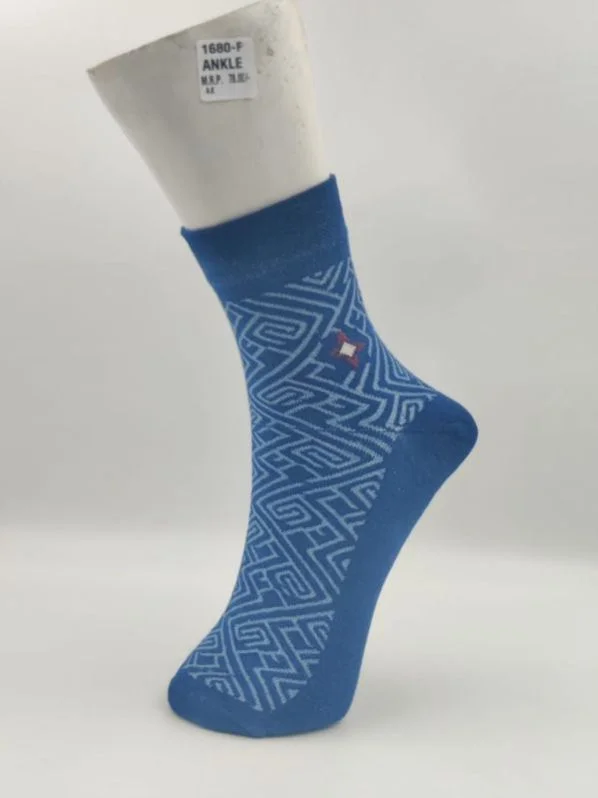
Pattern Socks
⚓ Harbor
Pattern Socks
Contact
MOQ: 1 Unit
Argyle Socks
⚓ Harbor
Argyle Socks
Contact
MOQ: 1 Unit
Baby And Infant Socks
⚓ Harbor
Baby And Infant Socks
Contact
MOQ: 1 Unit
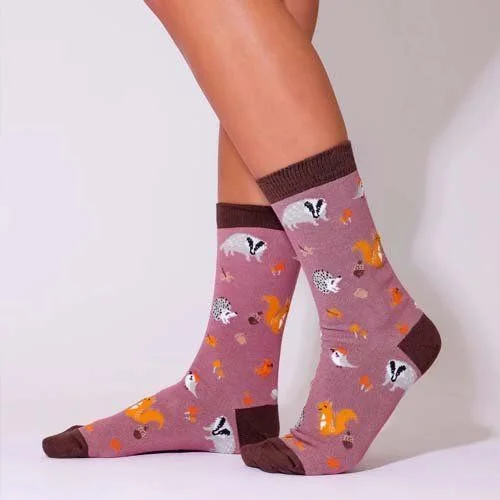
Ladies Socks
⚓ Harbor
Ladies Socks
Contact
MOQ: 1 Unit
Men's Socks
⚓ Harbor
Men's Socks
Contact
MOQ: 1 Unit
Quick Dry Athletic Socks
⚓ Harbor
Quick Dry Athletic Socks
Contact
MOQ: 1 Unit
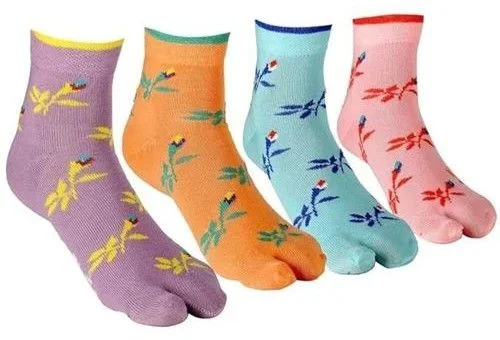
Ankle Socks
⚓ Harbor
Ankle Socks
Contact
MOQ: 1 Unit
Crew Socks
⚓ Harbor
Crew Socks
Contact
MOQ: 1 Unit
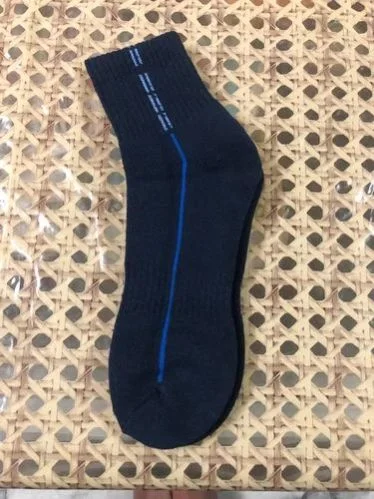
Sport Socks
⚓ Harbor
Sport Socks
Contact
MOQ: 1 Unit
Dress Socks
⚓ Harbor
Dress Socks
Contact
MOQ: 1 Unit
Bamboo Socks
⚓ Harbor
Bamboo Socks
Contact
MOQ: 1 Unit
Plain Solid Socks
⚓ Harbor
Plain Solid Socks
Contact
MOQ: 1 Unit

About Soxy Toes - Socks Supplier in India

India hosts Soxy Toes, a supplier that currently lists 20 active sock products. The catalogue covers a full spectrum of hosiery, including cotton, Pima cotton, bamboo, and performance blends. Product titles range from basic Cotton Socks and Plain Solid Socks to specialty items such as Quick Dry Athletic Socks, No Show Socks, and Baby And Infant Socks. Each entry is identified by a distinct style name rather than a numeric SKU, reflecting a focus on variety within the sock segment. The supplier also categorises its offering under a secondary “Agriculture” tag, though no agricultural products appear in the listed catalogue.

The listed items encompass casual, formal, athletic, and youth-oriented designs. Examples include Formal Socks, Dress Socks, Crew Socks, Ankle Socks, and Argyle Socks, as well as gender‑specific groups like Men’s Socks, Ladies Socks, and Kids Socks. Specialty finishes such as stripe patterns and other printed designs are also present. The breadth of 20 distinct sock styles suggests a product portfolio aimed at multiple end‑use markets without extending into unrelated categories.

Product Range and Specialties of Soxy Toes

Soxy Toes’ catalogue enumerates 20 sock styles that cover common industry categories such as crew, ankle, no‑show, and sport variants. Materials mentioned include standard cotton, premium Pima cotton and bamboo fibers, which are typical for breathable and moisture‑wicking hosiery. In the global market, cotton socks are usually produced with yarn counts between 20‑30 Ne and a denier range of 70‑120, while bamboo blends often target a lower denier for enhanced softness. Typical quality grades for knit hosiery reference ISO 13069 for dimensional stability and colorfastness, and many buyers request OEKO‑TX Standard 100 certification for harmful substance limits.

Beyond the listed styles, the sock sector commonly differentiates products by stitch type (rib, single‑jersey, or terry), cuff height (crew, mid‑calf, knee‑high), and performance features such as moisture‑wicking or antimicrobial finishes. Buyers often look for specifications like weight per pair (30‑80 g), fiber composition percentages, and reinforced toe or heel zones. While Soxy Toes does not disclose certifications, the industry standard for exported hosiery includes ISO 9001 quality management and, for certain markets, compliance with the EU REACH chemical safety framework.

Trade and Export Information - Soxy Toes

India is a major exporter of knitted hosiery, with the HS‑code chapter 61 covering most sock products; the specific heading most frequently used is 6115 “Knitted or crocheted hosiery, including socks.” Buyers from the United States, European Union, and the Middle East regularly source Indian socks under this code. Export logistics typically involve containerised shipments, with 20‑ft containers accommodating roughly 30 000‑35 000 pairs depending on packaging density. Standard packaging consists of poly‑bagged bundles (often 50‑100 pairs) placed in recyclable cardboard cartons, which aligns with most importers’ handling requirements.

Importers commonly request documentation such as a commercial invoice, packing list, certificate of origin, and a test report covering colorfastness (AATCC 100) and shrinkage (AATCC 135). Although Soxy Toes does not list specific certifications, buyers often verify that suppliers can provide OEKO‑TX or ISO‑9001 compliance certificates when required. Typical Incoterms used by Indian textile exporters include FOB Mumbai or CIF European ports, allowing buyers to manage freight and insurance according to their preferences.

Sourcing from Soxy Toes - Buyer Guidance

When evaluating Soxy Toes, buyers should request detailed material composition for each sock style, including exact percentages of cotton, Pima cotton, or bamboo fibers. Size charts covering EU, US, and Asian grading systems help confirm fit, while lab test reports for colorfastness, abrasion resistance, and dimensional stability are standard verification points for hosiery.

Typical minimum order quantities for Indian sock manufacturers range from 500 to 1 000 pairs per style, with lead times of 30‑45 days after sample approval. Prospective buyers should ask for a pre‑production sample to assess stitch quality, cuff elasticity, and any performance finishes before confirming bulk production. Clarifying packaging format - whether poly‑bagged bundles of 50 pairs in a 1 m³ carton - facilitates accurate freight costing.

Frequently Asked Questions About Soxy Toes

What sock styles does Soxy Toes list in its catalogue?

The supplier lists 20 styles, including Cotton Socks, Pima Cotton Socks, Bamboo Socks, Quick Dry Athletic Socks, No Show Socks, Dress Socks, Crew Socks, Ankle Socks, Argyle Socks, and Baby And Infant Socks, among others.

Which HS code is applicable to the socks offered by Soxy Toes?

Socks from India are generally classified under HS heading 6115, which covers knitted or crocheted hosiery, including socks.

Are there any certifications that buyers should request from Soxy Toes?

Buyers should ask for standard textile certifications such as OEKO‑TX Standard 100, ISO 9001, and any REACH compliance documents that are commonly required for imported hosiery.

What is a typical minimum order quantity for these sock products?

Indian sock exporters usually set MOQs between 500 and 1 000 pairs per style, though exact numbers depend on the specific design and material blend.

How long does production take after a sample is approved?

Lead times are typically 30‑45 days from final sample approval to shipment, assuming material availability and no custom embellishments.

What packaging format is used for shipping the socks?

Standard practice is to pack 50‑100 pairs in a sealed poly‑bag, then place the bags into recyclable cardboard cartons that fit into 20‑ft containers.

Which markets commonly import Indian socks like those from Soxy Toes?

Major import markets include the United States, the European Union, and the Middle East, where retailers seek a mix of casual, formal, and performance hosiery.

What documentation should be obtained before importing these socks?

Buyers should obtain a commercial invoice, packing list, certificate of origin, and test reports for colorfastness (AATCC 100) and shrinkage (AATCC 135) as part of the import clearance process.

About Soxy Toes - Socks Supplier in India

India hosts Soxy Toes, a supplier that currently lists 20 active sock products. The catalogue covers a full spectrum of hosiery, including cotton, Pima cotton, bamboo, and performance blends. Product titles range from basic Cotton Socks and Plain Solid Socks to specialty items such as Quick Dry Athletic Socks, No Show Socks, and Baby And Infant Socks. Each entry is identified by a distinct style name rather than a numeric SKU, reflecting a focus on variety within the sock segment. The supplier also categorises its offering under a secondary “Agriculture” tag, though no agricultural products appear in the listed catalogue.

The listed items encompass casual, formal, athletic, and youth-oriented designs. Examples include Formal Socks, Dress Socks, Crew Socks, Ankle Socks, and Argyle Socks, as well as gender‑specific groups like Men’s Socks, Ladies Socks, and Kids Socks. Specialty finishes such as stripe patterns and other printed designs are also present. The breadth of 20 distinct sock styles suggests a product portfolio aimed at multiple end‑use markets without extending into unrelated categories.

Product Range and Specialties of Soxy Toes

Soxy Toes’ catalogue enumerates 20 sock styles that cover common industry categories such as crew, ankle, no‑show, and sport variants. Materials mentioned include standard cotton, premium Pima cotton and bamboo fibers, which are typical for breathable and moisture‑wicking hosiery. In the global market, cotton socks are usually produced with yarn counts between 20‑30 Ne and a denier range of 70‑120, while bamboo blends often target a lower denier for enhanced softness. Typical quality grades for knit hosiery reference ISO 13069 for dimensional stability and colorfastness, and many buyers request OEKO‑TX Standard 100 certification for harmful substance limits.

Beyond the listed styles, the sock sector commonly differentiates products by stitch type (rib, single‑jersey, or terry), cuff height (crew, mid‑calf, knee‑high), and performance features such as moisture‑wicking or antimicrobial finishes. Buyers often look for specifications like weight per pair (30‑80 g), fiber composition percentages, and reinforced toe or heel zones. While Soxy Toes does not disclose certifications, the industry standard for exported hosiery includes ISO 9001 quality management and, for certain markets, compliance with the EU REACH chemical safety framework.

Trade and Export Information - Soxy Toes

India is a major exporter of knitted hosiery, with the HS‑code chapter 61 covering most sock products; the specific heading most frequently used is 6115 “Knitted or crocheted hosiery, including socks.” Buyers from the United States, European Union, and the Middle East regularly source Indian socks under this code. Export logistics typically involve containerised shipments, with 20‑ft containers accommodating roughly 30 000‑35 000 pairs depending on packaging density. Standard packaging consists of poly‑bagged bundles (often 50‑100 pairs) placed in recyclable cardboard cartons, which aligns with most importers’ handling requirements.

Importers commonly request documentation such as a commercial invoice, packing list, certificate of origin, and a test report covering colorfastness (AATCC 100) and shrinkage (AATCC 135). Although Soxy Toes does not list specific certifications, buyers often verify that suppliers can provide OEKO‑TX or ISO‑9001 compliance certificates when required. Typical Incoterms used by Indian textile exporters include FOB Mumbai or CIF European ports, allowing buyers to manage freight and insurance according to their preferences.

Sourcing from Soxy Toes - Buyer Guidance

When evaluating Soxy Toes, buyers should request detailed material composition for each sock style, including exact percentages of cotton, Pima cotton, or bamboo fibers. Size charts covering EU, US, and Asian grading systems help confirm fit, while lab test reports for colorfastness, abrasion resistance, and dimensional stability are standard verification points for hosiery.

Typical minimum order quantities for Indian sock manufacturers range from 500 to 1 000 pairs per style, with lead times of 30‑45 days after sample approval. Prospective buyers should ask for a pre‑production sample to assess stitch quality, cuff elasticity, and any performance finishes before confirming bulk production. Clarifying packaging format - whether poly‑bagged bundles of 50 pairs in a 1 m³ carton - facilitates accurate freight costing.

Frequently Asked Questions About Soxy Toes
What sock styles does Soxy Toes list in its catalogue?
The supplier lists 20 styles, including Cotton Socks, Pima Cotton Socks, Bamboo Socks, Quick Dry Athletic Socks, No Show Socks, Dress Socks, Crew Socks, Ankle Socks, Argyle Socks, and Baby And Infant Socks, among others.
Which HS code is applicable to the socks offered by Soxy Toes?
Socks from India are generally classified under HS heading 6115, which covers knitted or crocheted hosiery, including socks.
Are there any certifications that buyers should request from Soxy Toes?
Buyers should ask for standard textile certifications such as OEKO‑TX Standard 100, ISO 9001, and any REACH compliance documents that are commonly required for imported hosiery.
What is a typical minimum order quantity for these sock products?
Indian sock exporters usually set MOQs between 500 and 1 000 pairs per style, though exact numbers depend on the specific design and material blend.
How long does production take after a sample is approved?
Lead times are typically 30‑45 days from final sample approval to shipment, assuming material availability and no custom embellishments.
What packaging format is used for shipping the socks?
Standard practice is to pack 50‑100 pairs in a sealed poly‑bag, then place the bags into recyclable cardboard cartons that fit into 20‑ft containers.
Which markets commonly import Indian socks like those from Soxy Toes?
Major import markets include the United States, the European Union, and the Middle East, where retailers seek a mix of casual, formal, and performance hosiery.
What documentation should be obtained before importing these socks?
Buyers should obtain a commercial invoice, packing list, certificate of origin, and test reports for colorfastness (AATCC 100) and shrinkage (AATCC 135) as part of the import clearance process.

Soxy Toes
Country flag India
⚓ HarborApparel & Home
77/100
Trust Score
20
Products
✓ Free to contact — no commission
✓ Escrow payment available
✓ Verified business identity
Compare more suppliers
Post a requirement — get 10 quotes free
Let verified suppliers compete for your business. Free, fast, no commitment.
EximNext Verified Supplier
Business identity verified
Physical address confirmed
Financial history checked
Certifications authenticated
Trade references validated
Due Diligence
Verify this supplier's real shipping history.
Every shipment, every buyer, every port. Trade data that can't be faked.
Run due diligence →
Discover More

Related Suppliers & Products

Explore similar suppliers, related products and trending categories

Featured Products from this Supplier

Other Suppliers in Primary Category

Top Trusted Suppliers

Related Products

Trending in Parent Category

More Suppliers in Category

Stay ahead in global trade
Weekly market insights & new supplier alerts.
EximNext
Exim Next is a leading global B2B marketplace, connecting over 205,000 verified suppliers and buyers across 200+ countries. As a trusted import export marketplace, it serves as the essential B2B portal for businesses worldwide, empowering them to expand their international reach. With Exim Next, businesses can trade smarter and grow faster.
SECURE PAYMENTS
VISAMastercardPayPalSWIFTL/CEscrow
Follow us
© 2026 EximNext