Doing Group — Verified Supplier
About Doing Group - Heavy Machinery Supplier in China
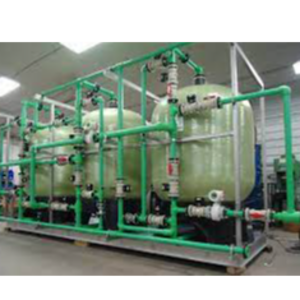
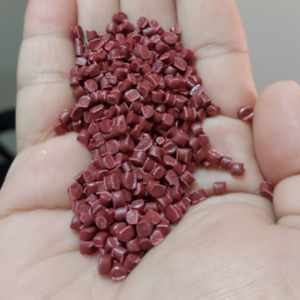
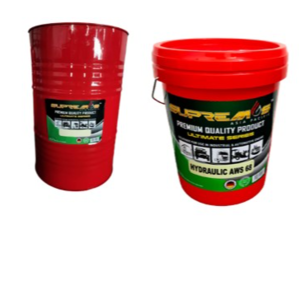
Doing Group is based in China and currently lists 33 active products in its catalogue. The catalogue focuses on equipment for converting waste streams such as tyres, plastics, and used oil into fuel or refined products. Products include waste tyre oil refinery machines, waste plastic to fuel oil pyrolysis plants, continuous tyre pyrolysis equipment, and waste oil to diesel refining systems. The listing also contains carbon material, aluminum‑plastic separation equipment and mixed plastic separation machines. All items fall under the broader categories of heavy machinery, industrial machinery, agriculture, lubricants, carbon, plastic processing machineries, diesel and crude oil.
The supplier’s catalogue groups the machinery by function rather than by brand. Pyrolysis units are described with terms such as “continuous”, “automatic” and “hot sale”, indicating standard industrial‑grade designs. Oil refining machines are labelled for diesel or crude oil conversion, and the carbon entry is presented as a raw material product. No specific HS codes are attached to the individual entries, but the equipment generally belongs to HS chapter 84 (machinery) and HS chapter 27 for carbon products.
Product Range and Specialties of Doing Group
The waste tyre and plastic pyrolysis plants listed by Doing Group are typical batch or continuous reactors operating at 400 °C to 500 °C, producing fuel oil with a flash point above 30 °C and sulfur content usually below 0.5 % by weight. Plant capacities in the market range from 5 t to 30 t of waste per day, with oil yields of 60 % - 70 % of the feedstock weight. Waste oil to diesel refining machines often meet ASTM D975 diesel specifications, delivering cetane numbers of 45 or higher and moisture content below 0.05 %. Carbon products are commonly supplied as activated carbon with surface areas around 1 000 m² g⁻¹ and iodine numbers above 800 mg g⁻¹. Separation equipment for aluminum‑plastic blends and mixed plastics typically uses magnetic and electrostatic technologies to achieve material purity of 90 % - 95 %.
Buyers of such equipment usually request performance curves, material balance sheets and emission test reports. Standard industry documentation includes CE Declaration of Conformity, ISO 9001 quality‑management certificates, and where applicable ISO 14001 environmental‑management certification. The machines are generally shipped as fully assembled units on 20‑ft or 40‑ft containers, or as flat‑rack loads for larger continuous plants.
Trade and Export Information - Doing Group
China is a leading exporter of waste‑to‑energy and recycling machinery, with major markets in South‑East Asia, the Middle East, Africa and parts of Europe. HS code 8421.10 (machinery for working of plastics or rubber) and 8422.99 (other sorting or separation machines) cover most of the pyrolysis and separation equipment, while HS 2710 (petroleum oils and oils obtained from bitumen) applies to refined diesel and oil products. Importers typically require CE marking, ISO 9001 and, for equipment handling hazardous waste, ISO 14001 or IECEx certification. Shipping is usually arranged on FOB Shanghai or Ningbo, with CIF terms to the buyer’s destination port. Large continuous plants may be broken down into multiple 40‑ft containers or shipped on heavy‑lift vessels with on‑site crane installation.
Sourcing from Doing Group - Buyer Guidance
When sourcing from Doing Group, buyers should obtain a detailed specification sheet that lists feedstock size limits, daily processing capacity, energy consumption (kWh per ton) and expected oil yield. Request laboratory test reports for the produced fuel oil or diesel, including ASTM D975 compliance, sulfur and flash‑point measurements. Verify that the supplier can provide CE Declaration of Conformity and ISO certificates, and ask for a warranty period and after‑sales technical support plan. Confirm the packaging method (containerized or flat‑rack) and the required on‑site utilities such as power, water and ventilation before finalising the order.
Frequently Asked Questions About Doing Group
What waste materials can the pyrolysis plants process?
The listed plants are designed for waste tyres, mixed plastics and rubber compounds; they can handle shredded feedstock with particle sizes up to 50 mm. Some continuous models also accept blended waste streams containing up to 20 % organic residue.
What is the typical oil yield from tyre or plastic pyrolysis?
Commercial pyrolysis units in this segment achieve oil yields of 60 % - 70 % of the dry feedstock weight. The remaining mass is split between carbon char and non‑condensable gases.
Which certifications are commonly provided with the equipment?
Suppliers usually issue a CE Declaration of Conformity and ISO 9001 quality‑management certification; for environmental compliance ISO 14001 or IECEx may be added on request. These documents are standard for international trade of industrial machinery.
What is the usual lead time for a complete continuous pyrolysis plant?
Lead times range from 8 to 12 weeks after receipt of a confirmed purchase order and all required technical drawings. The exact schedule depends on the selected capacity and any optional customisations.
What are the standard container sizes used for shipping these machines?
Small batch units fit in a 20‑ft container, while larger continuous plants are divided into two or more 40‑ft containers or shipped on flat‑rack frames for crane loading. Packaging is designed to protect the equipment during sea transport.
What documentation is needed for customs clearance?
Export documentation typically includes a commercial invoice, packing list, bill of lading, CE certificate, and any applicable HS code declarations (e.g., 8421.10 for pyrolysis reactors). Additional certificates such as ISO 9001 may be requested by the importing authority.
Is it possible to customise the plant capacity?
Manufacturers often offer capacity scaling from 5 t/day up to 30 t/day; buyers should specify the desired throughput in the quotation request to receive a tailored design. Customisation may affect lead time and container configuration.




 , China