Shijiazhuang Aofeite Medical Devices Co., Ltd. — Verified Supplier
About Shijiazhuang Aofeite Medical Devices Co., Ltd. - Medical Supplies & Disposable Supplier in China
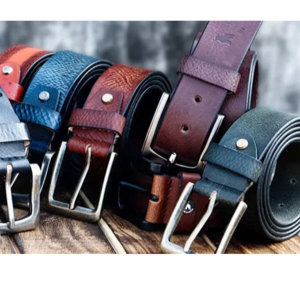
China‑based Shijiazhuang Aofeite Medical Devices Co., Ltd. lists 36 active SKUs spanning belts, medical support braces, fitness accessories, and related textile‑based products. The catalogue includes maternity support belts, neoprene compression sleeves, memory‑foam cushions, yoga equipment and a range of orthopedic braces, each assigned to HS‑code families such as 6212, 9021 and 9404. The product set reflects a focus on personal‑care and light‑fitness items rather than large‑scale industrial equipment.
The supplier’s listings show specific HS codes for 20 of the 36 items, for example 9021.19 for a neck‑brace support belt, 6217.90 for a thermal waist belt, 9019.19 for a magnetic therapy kneepad and 9404.89 for a polyurethane memory‑foam seat cushion. Materials noted include EVA foam, neoprene, polyester blends, cotton or bamboo‑cotton fabrics, and medical‑grade magnets. These details map to standard HS chapters for medical devices (chapter 90), textile accessories (chapter 62) and household furniture (chapter 94).
Product Range and Specialties of Shijiazhuang Aofeite Medical Devices Co., Ltd.
The catalogue groups products into three practical clusters: (1) medical‑support belts and braces made from EVA foam, neoprene, polyester webbing and PP buckles; (2) comfort‑oriented cushions and pillows using high‑density polyurethane foam; (3) fitness and yoga accessories such as PVC yoga balls, eco‑friendly yoga mats and dual‑wheel fitness rollers. In the medical‑support segment, Chinese manufacturers typically offer Class I devices with tensile strengths of 150‑250 MPa for webbing, neoprene thickness of 1‑3 mm, and magnet strengths of 0.5‑1 Tesla for therapeutic kneepads. Memory‑foam cushions are commonly produced at densities of 30‑45 kg/m³ and compression set below 5 % after 24 h. Yoga mats exported from China are usually TPE or PVC blends, 4‑6 mm thick, with slip‑resistance measured by a 0.7 CoF (coefficient of friction) standard.
These product families align with widely accepted specifications in the global medical‑support market. For example, orthopedic braces often conform to ISO 10993 biocompatibility tests, while fitness mats meet ASTM F2370 for durability. The supplier’s use of polyester‑spandex blends, closed‑cell neoprene and cotton‑bamboo fabrics matches common material grades cited in industry sourcing guides.
Trade and Export Information - Shijiazhuang Aofeite Medical Devices Co., Ltd.
Export of medical‑support belts and orthopedic braces from China is dominated by the United States, European Union, and Southeast Asian markets, where HS‑code 9021 and 9019 items are routinely inspected under CE or FDA conformity regimes. Buyers typically request certificates such as CE Marking, ISO 13485 quality‑management, and FDA 510(k) clearance for devices that claim therapeutic effect. Packaging for the listed items follows standard export practice: individual poly‑bag sealing, secondary cardboard cartons, and palletization for 20‑ft containers that can hold roughly 1,200‑1,500 belt units or 800‑1,000 foam cushions depending on size. Common Incoterms are FOB Tianjin or CIF Shanghai, with freight forwarding handled by major Chinese logistics providers. Chinese customs requires accurate HS‑code declaration and may request material safety data sheets (MSDS) for foam and rubber components before clearance.
The broader fitness‑equipment segment (yoga balls, mats, rollers) is shipped to gyms and retail chains in the Middle East, Africa and Latin America. HS chapters 95 (sports goods) and 94 (household items) are applied, and importers often ask for test reports covering load‑bearing capacity (e.g., 300 kg for yoga balls) and VOC emissions for PVC/TPE mats. Chinese export authorities encourage compliance with REACH and RoHS for any polymer‑based product, which helps streamline customs release in regulated markets.
Sourcing from Shijiazhuang Aofeite Medical Devices Co., Ltd. - Buyer Guidance
When sourcing from this supplier, buyers should request a current CE Declaration of Conformity or ISO 13485 certificate for any product classified under HS 9021 or 9019, especially if the item is marketed for therapeutic use. Material safety data sheets for neoprene, EVA foam and memory‑foam are essential to verify compliance with REACH limits on phthalates and heavy metals. For fitness accessories, buyers commonly ask for ASTM or ISO test reports confirming load capacity, slip resistance and VOC emission levels. Verification steps include cross‑checking the HS code provided in the catalogue against the product’s material composition, confirming that the stitching and webbing meet tensile‑strength specifications (typically ≥150 MPa), and obtaining a pre‑shipment sample to assess stitching quality, magnet placement and fabric breathability. Clarify MOQ (often 500‑1,000 units for belts) and lead time (generally 30‑45 days after sample approval) before placing a full order.
Frequently Asked Questions About Shijiazhuang Aofeite Medical Devices Co., Ltd.
What HS codes are used for the medical support belts listed by the supplier?
The catalogue assigns HS 6212.20 to neoprene‑elastic waist belts, HS 6217.90 to thermal stomach support belts, HS 6210.10 to heated neoprene waist belts and HS 6212.90 to pregnancy lumbar support belts. Other brace items fall under HS 9021.19 (neck brace) and HS 9019.10 (magnetic or traction devices).
Does the supplier provide any certifications for its medical devices?
No specific certifications are listed in the supplier’s facts. Buyers should request CE Marking, ISO 13485 or FDA documentation as appropriate for the intended market before purchase.
What material safety data sheets (MSDS) are available for the foam products?
The supplier mentions polyurethane memory‑foam for seat cushions (HS 9404.89) and high‑density PU for eye‑mask covers. Buyers should ask for MSDS covering PU content, flame‑retardant additives and VOC emissions.
Are the yoga mats and fitness accessories compliant with REACH or RoHS?
The facts do not state compliance. Importers typically require a REACH‑compliant declaration and RoHS test report for PVC/TPE mats to confirm limits on restricted substances.
What are typical minimum order quantities (MOQs) for the compression support belts?
While the catalogue does not list MOQs, industry practice for similar neoprene or polyester blend belts is 500‑1,000 units per style, with larger orders reducing per‑unit freight cost.
What packaging is used for the memory‑foam cushions and pillows?
Products under HS 9404 are usually packed in individual sealed poly‑bags, placed in corrugated cartons, and palletized for sea freight. This protects the foam from moisture and compression during transit.
How long is the lead time from order confirmation to shipment?
Standard lead times for Chinese manufacturers of these items range from 30 to 45 days after sample approval, depending on order size and any required regulatory testing.
Can I request a sample before placing a bulk order?
Yes, suppliers of medical‑support and fitness products commonly provide pre‑production samples. Buyers should specify the exact material composition (e.g., neoprene thickness, fabric blend) and request any relevant test certificates with the sample.




 , China