Siam Food Supply.Co., Ltd. — Verified Supplier
About Siam Food Supply.Co., Ltd. - Seafood Supplier in Thailand
Based in Thailand, Siam Food Supply.Co., Ltd. currently offers five active seafood products in its catalogue. The company focuses on frozen marine items, including various fish species and ready‑to‑cook calamari. Each listing is identified by its product name and falls under the frozen seafood segment commonly classified under HS chapter 03. The supplier’s catalogue does not provide HS codes, but the products align with standard frozen fish and mollusk categories used in international trade.
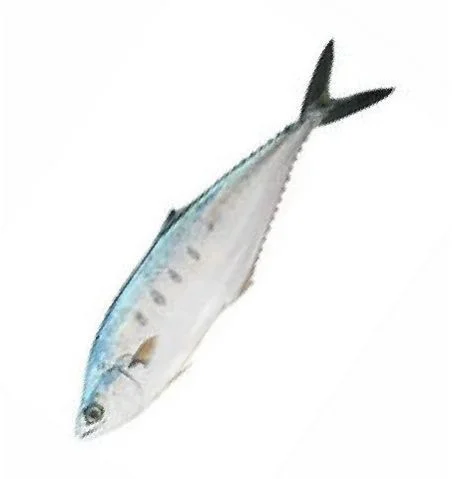
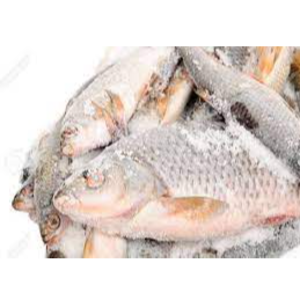
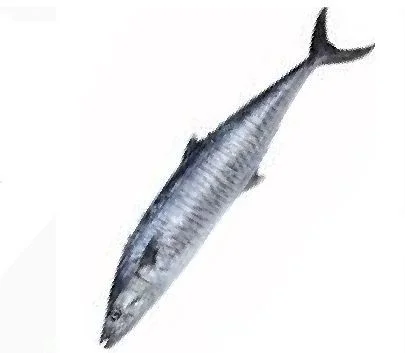
The product lineup comprises Frozen Argentina SQ, Frozen Horse Mackerel, Frozen Herring Sardine (Butterfly Processing), Frozen Big Eye Scad Fish, and Frozen Calamari (Ready To Cook). These items are typically processed by freezing at - 18 °C or lower to preserve quality during shipment. The range covers both whole fish and processed forms, offering buyers options for further value‑added processing. The supplier’s active product count of five reflects a focused selection within the broader seafood market.
Product Range and Specialties of Siam Food Supply.Co., Ltd.
The catalogue lists five frozen seafood items: a frozen Argentine squid (SQ), horse mackerel, butterfly‑processed herring sardine, big eye scad fish, and ready‑to‑cook calamari. In the frozen fish trade, species are usually graded by size, skin condition and flesh quality; for example, horse mackerel is often sold in 10 kg vacuum‑packed blocks with a moisture content below 70 % and a DPP (dressed product percentage) of 55‑60 %. Calamari ready‑to‑cook is commonly supplied in 5 kg or 10 kg cartons, flash‑frozen to retain texture and is inspected for shell integrity and microbial load below 10⁴ CFU/g.
Industry practice groups frozen fish under HS code 0304 (fish, frozen) and frozen mollusks under HS code 0306. Buyers typically request specifications such as ice‑temperature at shipment (‑18 °C or colder), packaging material (polyethylene bags with oxygen barrier), and traceability records indicating catch area and processing date. Standard quality grades include ‘A‑grade’ visual appearance, minimum fillet yield of 45 % for small pelagic species, and compliance with HACCP‑based sanitation procedures.
Trade and Export Information - Siam Food Supply.Co., Ltd.
Thailand is a major exporter of frozen seafood, with the European Union, United States, Japan and the Middle East representing the largest import markets for frozen pelagic fish and squid. HS chapter 03 products are subject to phytosanitary certificates, a health certificate issued by the Thai Ministry of Public Health, and often require compliance with EU Regulation 2021/382 or US FDA import requirements. Commonly requested certifications for Thai seafood include HACCP, BRC Global Standard for Food Safety, and ISO 22000; these are not listed for the supplier but buyers should verify them before contract. Shipping is typically arranged in 20‑ft or 40‑ft refrigerated containers (reefers) with a temperature range of - 18 °C ± 2 °C, and loading ports such as Laem Chabang and Bangkok handle the bulk of frozen seafood exports.
Export logistics from Thailand benefit from well‑developed cold‑chain infrastructure, but buyers should confirm that containers are pre‑cooled and that temperature data loggers are used throughout transit. Documentation usually includes a commercial invoice, packing list, certificate of origin, and the aforementioned health certificate. Importers in the EU often need a declaration of compliance with the EU’s fishery product traceability system, while US importers must ensure that the product meets the FDA’s Food Safety Modernization Act (FSMA) requirements.
Sourcing from Siam Food Supply.Co., Ltd. - Buyer Guidance
When sourcing frozen fish or squid from Siam Food Supply.Co., Ltd., buyers should request a recent HACCP audit report, a copy of the health certificate for each shipment, and laboratory analysis confirming moisture content, microbiological limits (e.g., total plate count < 10⁴ CFU/g, E. coli < 10 CFU/g) and any residue testing required by the destination market. Samples taken from the same batch as the commercial order help verify visual grade, texture after thawing, and packaging integrity. Verify that the supplier can provide traceability data linking each lot to its catch area and processing date, which is standard for certified seafood exports.
Before placing an order, confirm the minimum order quantity (MOQ) for each product, typical lead time (often 30‑45 days for frozen fish from harvest to shipment), and the availability of vacuum‑packed or ice‑slurry packaging as required by the buyer’s logistics chain. Ensure that the supplier can arrange reefers with temperature monitoring and that the shipping terms (e.g., FOB Laem Chabang, CIF destination) are clearly stated in the contract.
Frequently Asked Questions About Siam Food Supply.Co., Ltd.
What frozen seafood products does Siam Food Supply.Co., Ltd. list in its catalogue?
The catalogue includes Frozen Argentina SQ, Frozen Horse Mackerel, Frozen Herring Sardine (Butterfly Processing), Frozen Big Eye Scad Fish, and Frozen Calamari (Ready To Cook).
Are HS codes provided for the listed products?
Specific HS codes are not listed in the supplier’s catalogue, but the products fall under the typical frozen fish (0304) and frozen mollusk (0306) HS code families used in international trade.
Which certifications should a buyer request from this Thai seafood supplier?
Buyers should request HACCP audit reports, BRC or ISO 22000 certificates if available, and the mandatory Thai health certificate for each shipment.
What packaging formats are common for these frozen seafood items?
Typical packaging includes vacuum‑sealed polyethylene bags of 5 kg or 10 kg for fish, and 5 kg or 10 kg cartons for ready‑to‑cook calamari, all loaded in refrigerated containers.
What are the typical shipment conditions for frozen seafood from Thailand?
Products are shipped in reefers set to - 18 °C ± 2 °C, often in 20‑ft or 40‑ft containers, with temperature data loggers to ensure the cold chain is maintained.
What documentation is required for importing these frozen seafood products?
Standard documents include a commercial invoice, packing list, certificate of origin, Thai health certificate, and any additional phytosanitary certificates required by the importing country.
What are common lead times and minimum order quantities for these products?
Lead times usually range from 30 to 45 days from harvest to shipment, and minimum order quantities are typically defined per product, often in multiples of 1 metric ton or container load.
How can a buyer verify the quality of the frozen fish before full order placement?
Buyers can request a sample from the same batch, review laboratory test results for moisture, microbiology and residues, and assess visual grade and texture after thawing.




 , Thailand