Shinesun Industry Co., Ltd. — Verified Supplier
About Shinesun Industry Co., Ltd. - Uniforms Supplier in Viet Nam
Shinesun Industry Co., Ltd. operates out of Viet Nam and currently lists 32 distinct products on its catalogue. The portfolio spans several B2B categories including uniforms, soft drinks, agricultural items, shopping bags, soaps and detergents, household cleaning agents, pest‑control formulations, and cosmetics & beauty products. Each entry reflects the supplier’s focus on consumer‑oriented goods that are commonly exported from Southeast Asia. The company is classified in the “harbor” trust tier, indicating a moderate level of verification on trade platforms.
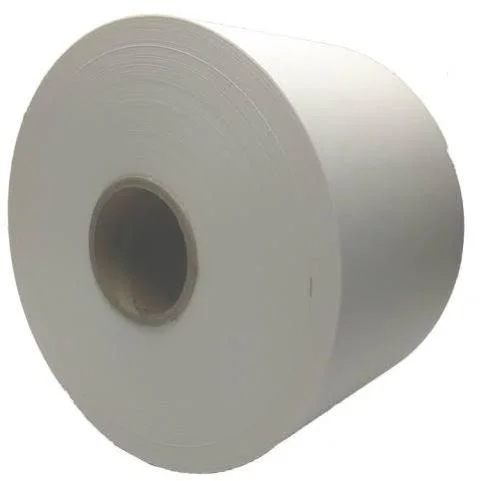
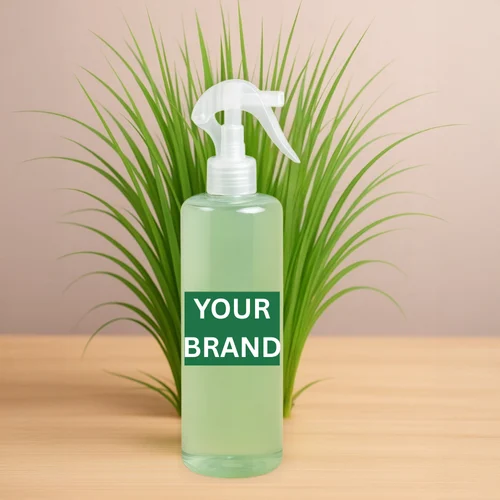
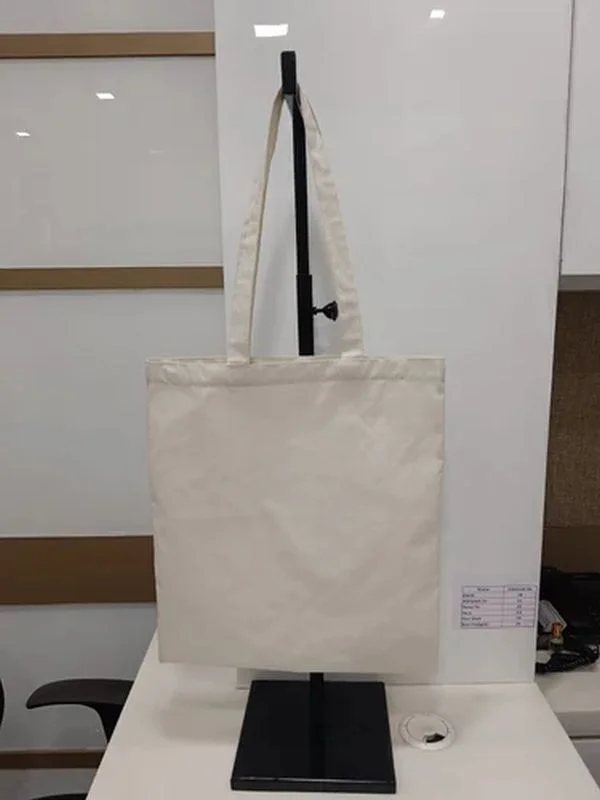
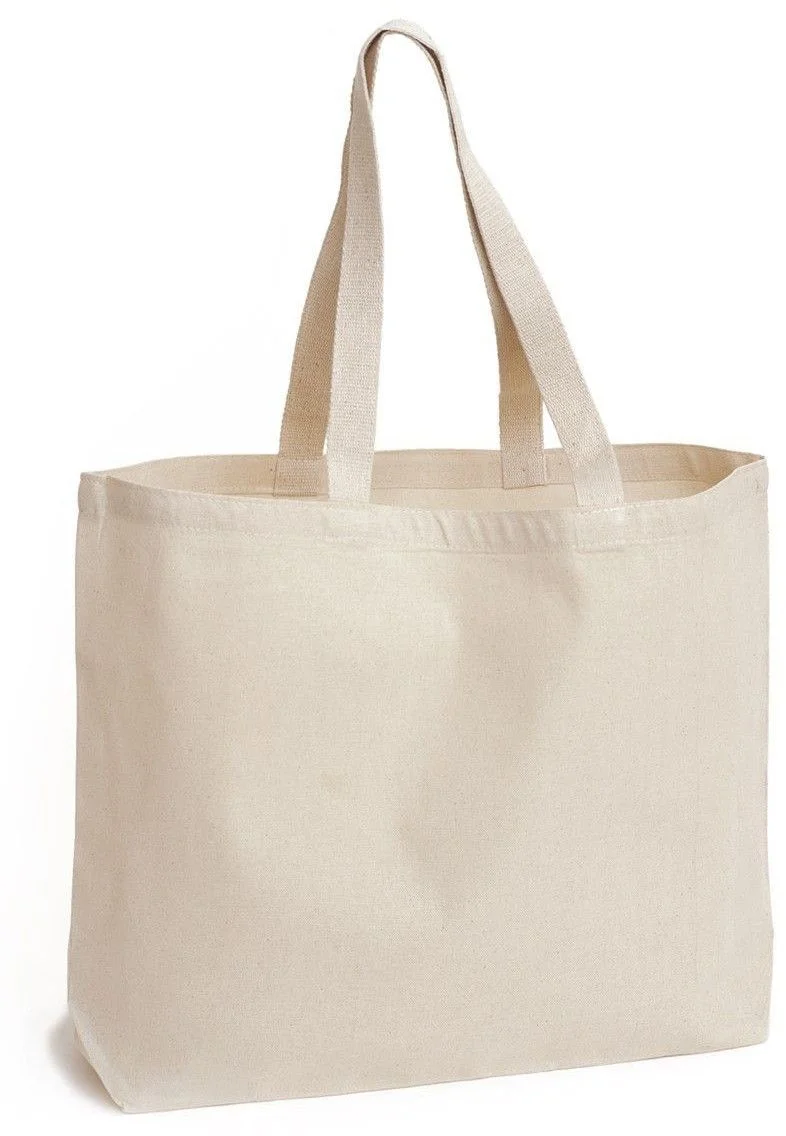
The catalogue contains items such as Apple Fruit Drink (250 ml can), Aloe Vera Yoghurt Mask Sheet (HS 3304.99, a non‑woven sheet infused with aloe vera and yogurt protein), Dragon Household Gloves (size L), a range of detergents and glass cleaners, electronic uniforms, men’s pajamas, shoes bags with strap, baby diapers, chef coats, energy‑drink supplements, fish cans in oil, hibiscus tea bags, various uniform styles for medical, hotel and seafood sectors, lavender soap, cotton and non‑woven supermarket bags, and an air freshener (HS 3307.30, water‑based gel with citrus fragrance). The product list therefore covers both consumables with HS chapters 21‑22 and personal‑care or cleaning chemicals under HS chapters 33‑34, alongside textile and polymer‑based packaging items.
Product Range and Specialties of Shinesun Industry Co., Ltd.
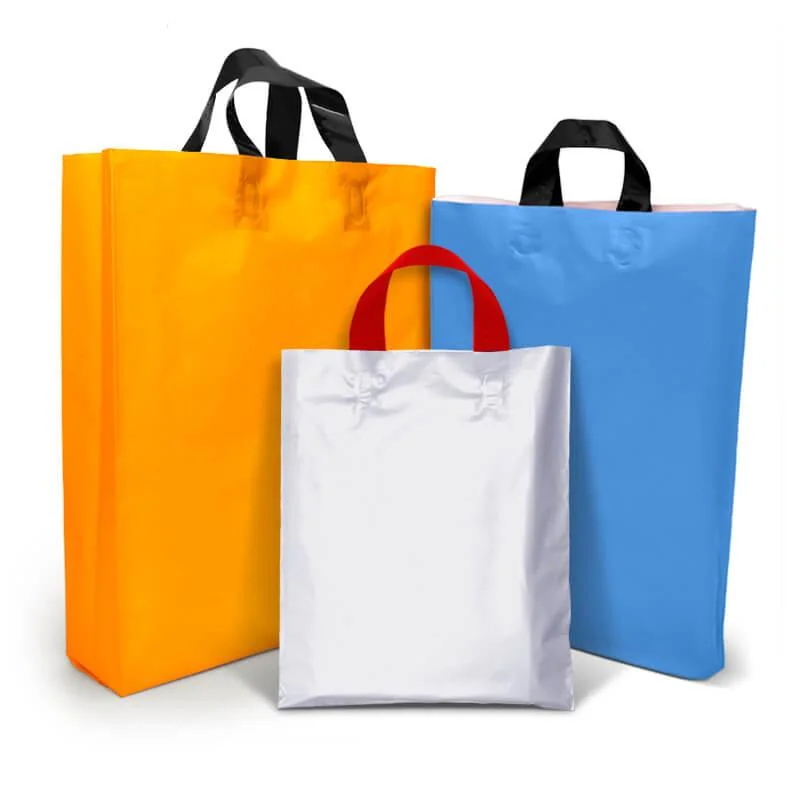
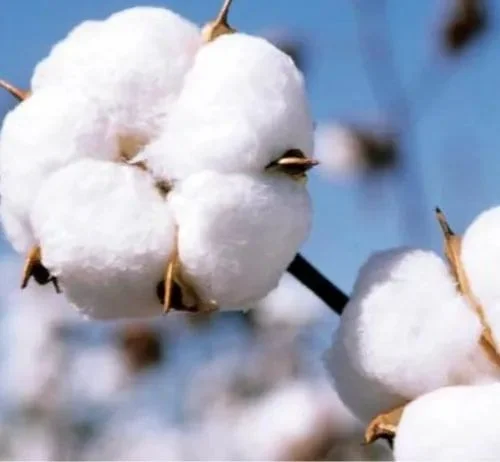
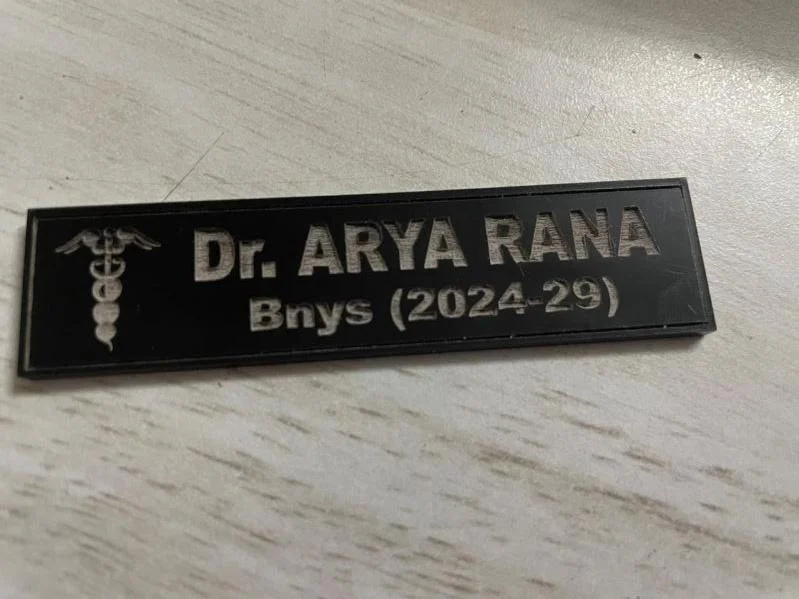
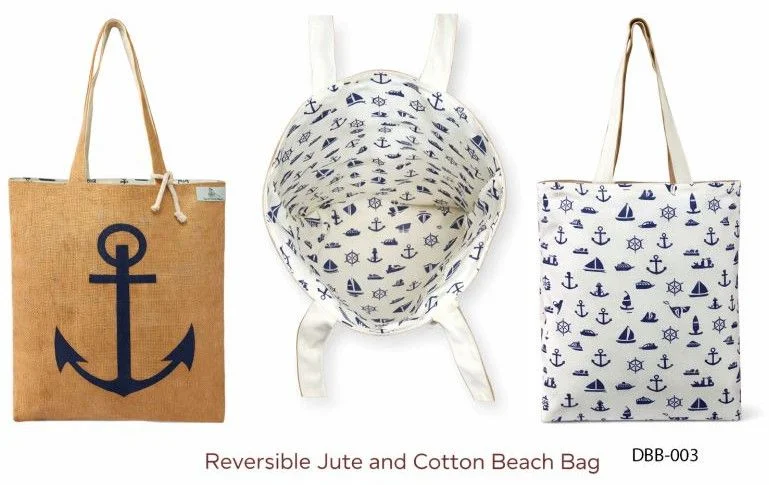
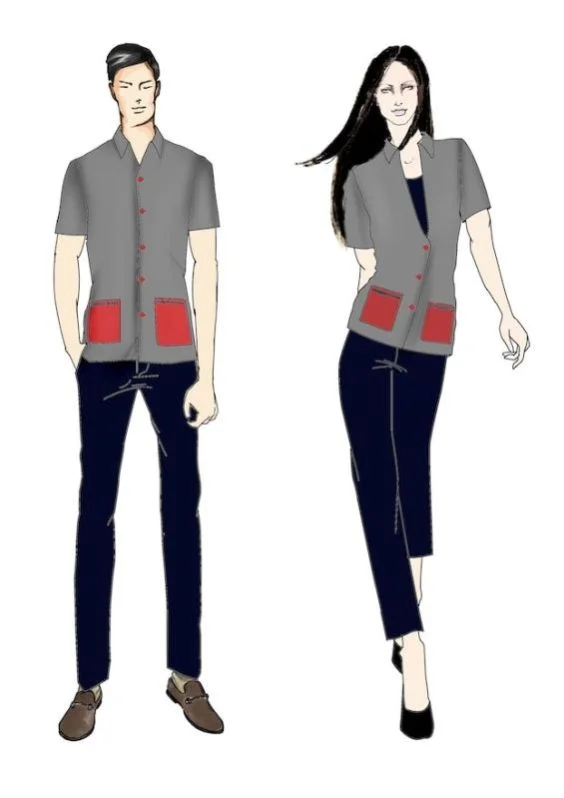
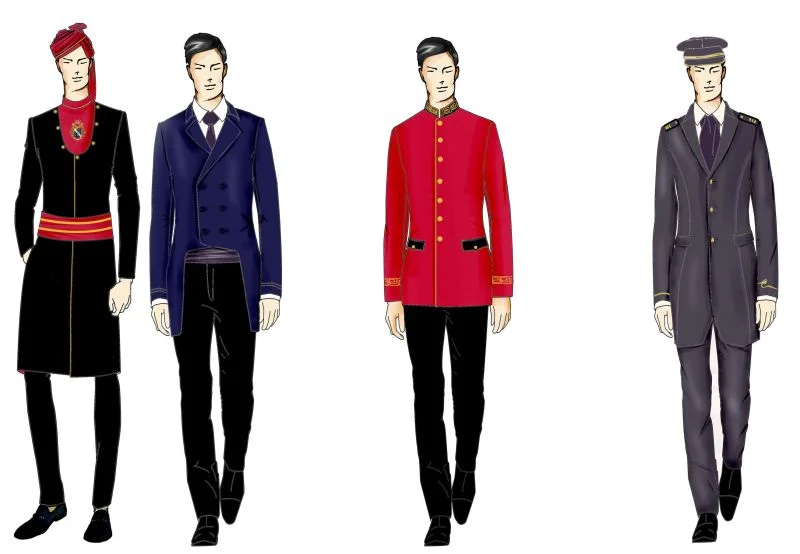
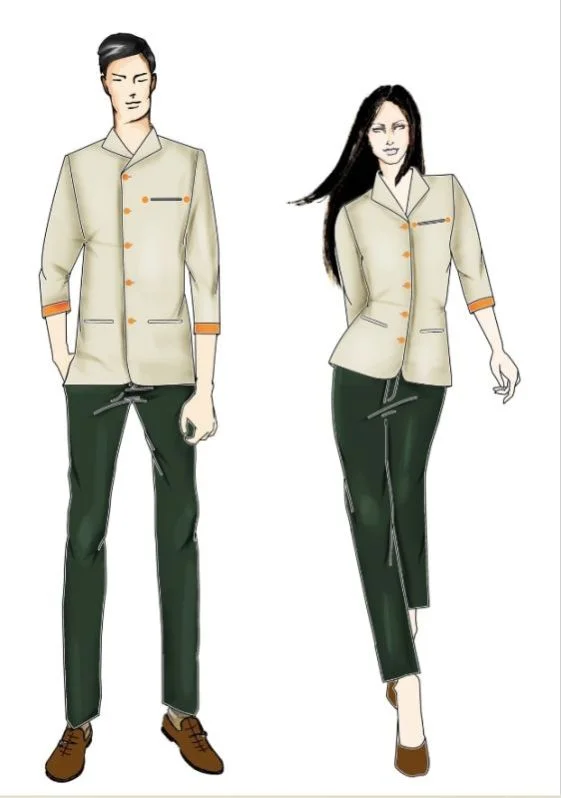
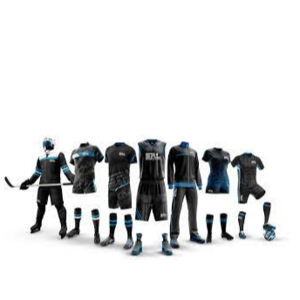
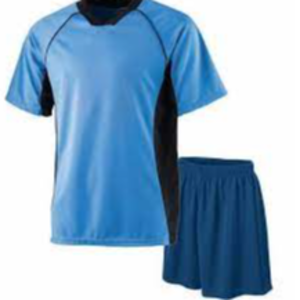
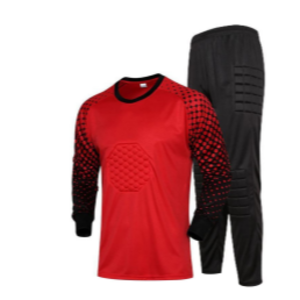
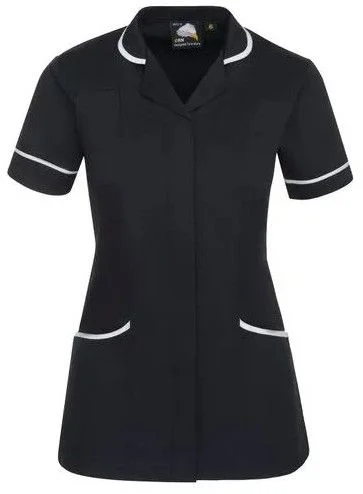
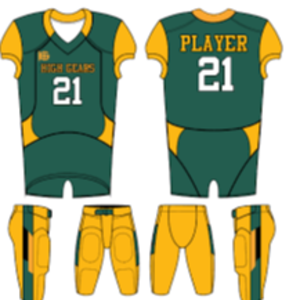
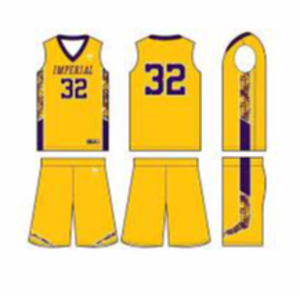
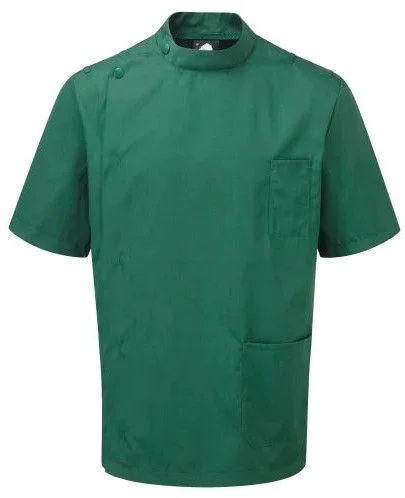
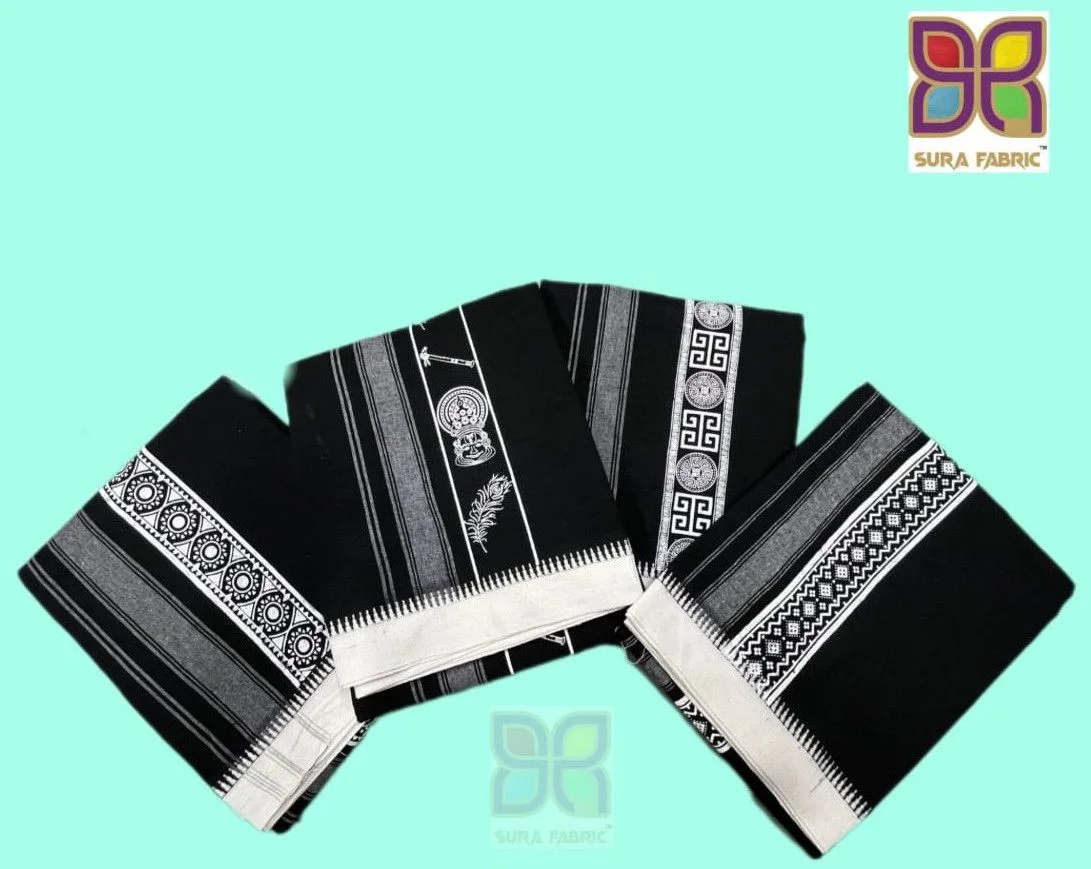
Uniform items such as electronic, doctor, chef, hotel, and seafood coats are typically produced from polyester‑cotton blends with a gram‑weight between 180‑250 g/m² and are often certified to Oeko‑Tex Standard 100 for harmful substance limits. In the textile trade, buyers frequently request fabric composition certificates, color‑fastness test reports (ISO 105‑B02), and sizing specifications. The supplier’s bag offerings - cotton supermarket bags and non‑woven polypropylene bags - generally meet the requirements of HS 4202, with typical thicknesses of 30‑50 gsm for non‑wovens and a load‑bearing capacity of 5‑10 kg.
Beverage products such as Apple Fruit Drink, Danh Thanh Lemon Soft Drink, and the 5 Hour Energy Drink Shot fall under HS 2202 (non‑alcoholic beverages). Standard quality parameters include sugar content measured in ICUMSA degrees, carbonation level (1.5‑2.5 vol), and pasteurisation temperature (≥ 85 °C). The canned tuna (HS 1604) and fish cans are usually packed in tin‑plate with a net weight of 300 g per can and must comply with HACCP and Codex Alimentarius limits for histamine and heavy metals. Cosmetic and personal‑care items, exemplified by the Aloe Vera Yoghurt Mask Sheet (HS 3304.99) and the Air Freshener (HS 3307.30), are commonly formulated to meet GMP guidelines and may require safety data sheets (SDS) and microbiological test results.
Trade and Export Information - Shinesun Industry Co., Ltd.
Vietnam is a major exporter of textiles, beverages, and polymer‑based packaging to markets in the United States, European Union, and Southeast Asian neighbours. HS chapters 33‑34 for cleaning chemicals and cosmetics are routinely inspected under the ASEAN‑China Free Trade Area standards, while food and beverage shipments under HS 2202 and HS 1604 follow the ASEAN Food Safety Regulations and often require a Certificate of Origin for preferential duty rates. Export containers for non‑perishable items such as canned fish, supermarket bags, and uniform garments are typically shipped in 20‑ft or 40‑ft dry containers, whereas liquid beverages are loaded in refrigerated (reefer) containers to preserve quality.
Importers in the EU and US usually request ISO 9001 quality‑management certification, REACH compliance for chemical ingredients, and, for food items, HACCP or ISO 22000 certification. Packaging for cleaning products commonly uses HDPE bottles with child‑resistant caps, and the air freshener gel is often packed in aluminum aerosol cans meeting DOT/UN 2.1 regulations. Buyers frequently agree on CIF or FOB terms, with freight forwarding handled by logistics providers experienced in handling hazardous‑material classifications for aerosol propellants.
Sourcing from Shinesun Industry Co., Ltd. - Buyer Guidance
When evaluating Shinesun Industry’s offerings, buyers should request detailed product specifications, including material composition for uniforms and bags, ingredient lists for beverages and cosmetics, and safety data sheets for all chemical‑based items. Sample units are standard practice for textile colour matching, fragrance evaluation of air fresheners, and taste testing of drinks; a minimum of one unit per SKU is advisable before confirming larger orders.
Verification of certifications is essential: request Oeko‑Tex certificates for textile products, HACCP or ISO 22000 audit reports for food and beverage items, and REACH or GMP documentation for cosmetics and cleaning agents. Confirm the HS code declared for each product matches the intended shipment to avoid customs delays, and clarify packaging dimensions (e.g., 250 ml cans in 12‑pack cartons, 300 g tuna cans in 20‑pack wooden cases) to ensure container space optimization. Lead times for most items range from 30 to 60 days after order confirmation, with minimum order quantities typically set at 1,000 units for textiles and 5,000 units for packaged consumables, unless otherwise negotiated.
Frequently Asked Questions About Shinesun Industry Co., Ltd.
What product categories does Shinesun Industry list in its catalogue?
The supplier lists uniform garments, soft drinks, agricultural items, shopping bags, soaps & detergents, household cleaning products, pest‑control formulations, and cosmetics & beauty products, covering a total of 32 SKUs.
Which HS codes are explicitly provided for the supplier’s products?
The catalogue specifies HS 3304.99 for the Aloe Vera Yoghurt Mask Sheet and HS 3307.30 for the Air Freshener. Other items fall under standard HS chapters such as 2202 for non‑alcoholic beverages, 1604 for canned fish, 3401 for soaps, 3402 for detergents, and 4202 for non‑woven bags.
What certifications should a buyer request for the uniform and bag items?
Buyers typically ask for Oeko‑Tex Standard 100 or ISO 9001 certificates for textile composition, and for polypropylene bags a material safety data sheet together with a REACH compliance statement where applicable.
What quality documents are standard for the beverage and canned food products?
Food‑grade products normally require a HACCP or ISO 22000 audit report, a Certificate of Analysis showing sugar content (ICUMSA), carbonation level, and microbial limits, and a Certificate of Origin to qualify for preferential tariffs.
What are the usual packaging formats and container sizes for these goods?
Drinks are commonly packed in 250 ml aluminum cans grouped in 12‑pack cartons; canned tuna is supplied in 300 g tins packed in 20‑unit wooden cases; uniforms are folded in poly‑bags of roughly 50 × 70 cm; shopping bags are bulk‑shipped in 40‑ft containers with a typical load density of 1,200 kg per cubic metre.
What are typical minimum order quantities and lead times?
Minimum order quantities are generally 1,000 pieces for textile items and 5,000 pieces for consumables, with production lead times ranging from 30 days for simple garments to 60 days for processed food and beverage lines.
How can a buyer arrange a sample before placing a full order?
Buyers should submit a sample request specifying the SKU, desired quantity (usually one to five units), and preferred shipping term (e.g., FOB Ho Chi Minh City); the supplier will dispatch samples via air freight and provide a pro‑forma invoice for customs clearance.




 , Viet Nam