Rugen Fisch AG — Supplier

About Rugen Fisch AG - Fresh or Chilled Fish Supplier in Germany

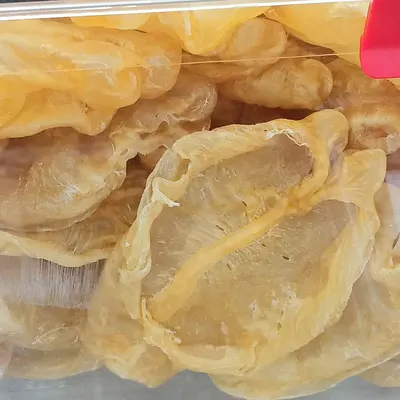
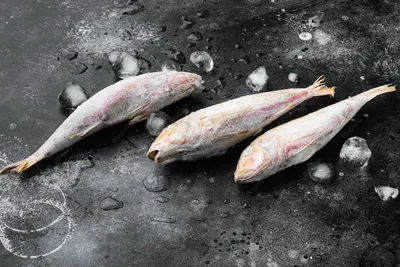
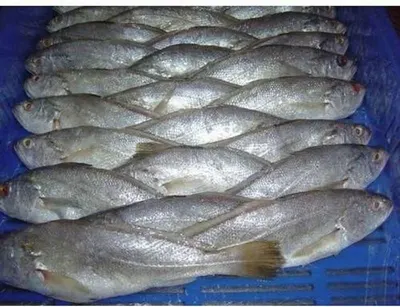
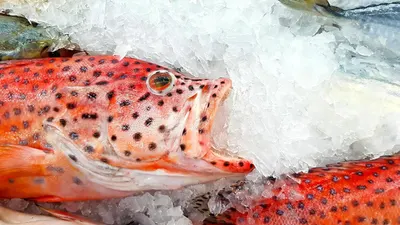
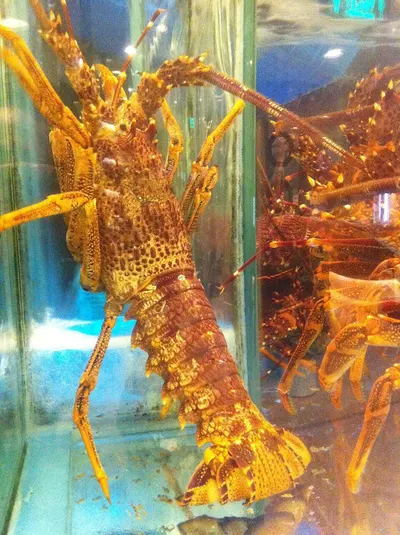
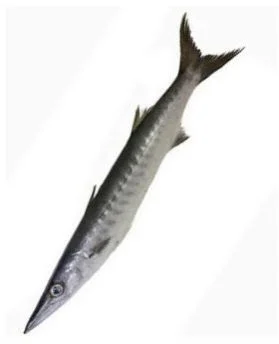
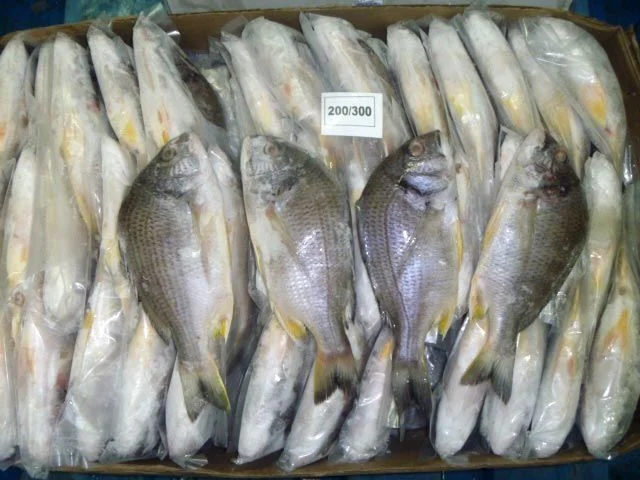
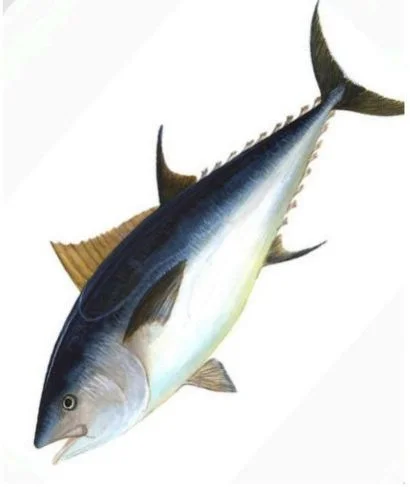
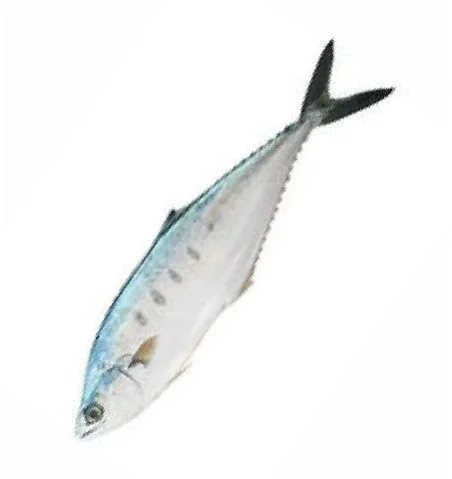
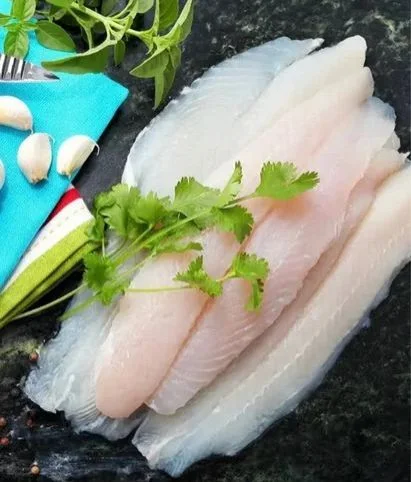
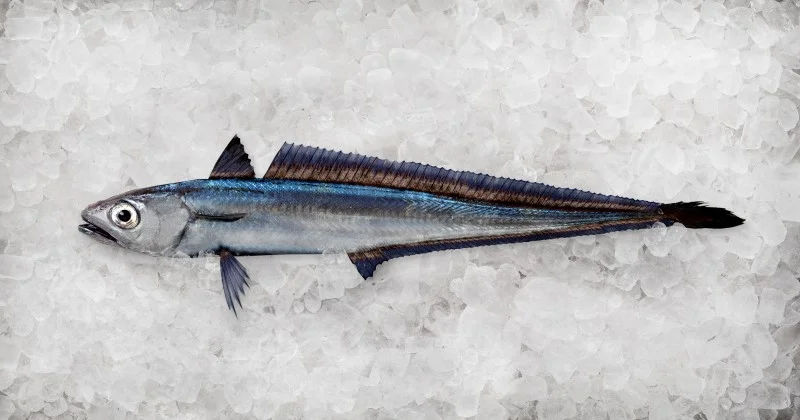
Rugen Fisch AG is based in Germany and currently lists 31 active products across its catalogue. The company groups its offering under categories such as Fresh or Chilled Fish, Fresh Shrimps, Fresh Tuna Fish, Fresh King Fish, Fresh Lobsters, Fresh Ribbon Fish, Fresh Abalone and Leather Jackets. Each category reflects a segment of the broader seafood market, covering both whole live specimens and processed forms. The product list includes items such as Live Abalone, Alaskan Halibut, Canned Tuna, Zander Fish, King Fish, Leather Jacket, Lobster, Milk Fish, Pomfret, Red Snipper, Ribbon Fish, Sardines, Shrimp, Sole Fish, Black Tiger Shrimp, Frozen Fish Maw, Live and Frozen Crab, Mackerel, Salmon, Scallops Meat, Spiny Lobster, Tuna Fish, Vannamei White Shrimp, Yellowtail Kingfish, Baracuda, Croaker, Cuttle Fish, Eel Fish, Grouper, and Pangasius Fish.

The catalogue items fall into several HS‑code families commonly used for seafood trade: live fish and crustaceans (HS 0302), chilled or frozen fish fillets and whole fish (HS 0303), crustaceans such as shrimp, crab and lobster (HS 0304), and molluscs including abalone, scallops and cuttle‑fish (HS 0305). By listing both fresh and frozen forms, the supplier aligns with typical EU export classifications that separate chilled (0303) from frozen (0304‑0305) products. The presence of processed items such as Canned Tuna also links to HS 1604 for canned fish preparations. These codes determine duty rates and documentation requirements for international buyers.

Product Range and Specialties of Rugen Fisch AG

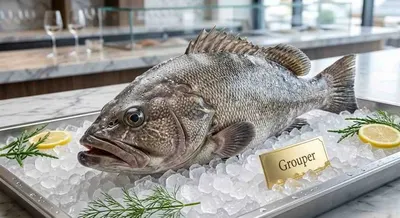
Rugen Fisch AG’s catalogue covers a wide spectrum of marine species, ranging from high‑value live abalone and king‑fish to staple items like salmon, mackerel and sardines. In the shrimp segment the list includes both generic “Shrimp” and specific varieties such as Black Tiger Shrimp and Vannamei White Shrimp, which are typically graded by size (e.g., 16‑20 pcs/kg for tiger shrimp) and by frozen versus fresh condition. Fresh fish products such as Alaskan Halibut, Yellowtail Kingfish and Grouper are usually assessed by length (e.g., 30‑45 cm) and by moisture content below 78 % after icing. Processed items like Canned Tuna follow EU specifications for water‑retention and oil content, while molluscs such as Scallops Meat and Live Abalone are evaluated for shell integrity and meat yield. The inclusion of leather jackets reflects a niche market for marine‑derived leather, which is often classified under HS 4103 for leather garments.

Trade and Export Information - Rugen Fisch AG

Germany is a major exporter of high‑quality seafood within the EU, benefiting from strict HACCP‑based food safety systems and EU veterinary certification procedures. Exporters of fresh or chilled fish, crustaceans and molluscs from Germany typically ship to markets in Western Europe, the Middle East, Southeast Asia and North America, where demand for sustainably sourced, traceable seafood is strong. HS‑code families 0302‑0305 guide customs duties and require accompanying health certificates, EU sanitary certificates and, where applicable, proof of compliance with the EU Regulation on the Protection of Animals at the Time of Killing (Regulation (EC) No 1099/2009). Buyers usually request BRC or ISO 22000 audit reports, as well as documentation of any MSC/ASC sustainability certifications, although these are not listed as held by the supplier. Standard logistics involve refrigerated sea containers - approximately 25 t in a 20‑ft unit or 30 t in a 40‑ft unit - with temperature control at 0 °C ± 2 °C for fresh fish and - 18 °C for frozen products.

Sourcing from Rugen Fisch AG - Buyer Guidance

When sourcing from Rugen Fisch AG, buyers should request the current EU health certificate for each species, a HACCP plan summary, and any third‑party audit reports such as BRC or ISO 22000. For crustacean and mollusc items, a heavy‑metal analysis (lead, cadmium) and a microbiological test report (total viable count, < 10⁵ cfu/g) are standard verification points. Samples should be taken from the first shipment to confirm size specifications - e.g., shrimp count per kilogram and fish length ranges - and to verify ice‑glaze thickness (typically 3‑5 mm for frozen fish). Confirming the packaging format (e.g., 20 kg vacuum‑packed boxes for frozen fillets or bulk ice‑chilled pallets for live seafood) helps align logistics with buyer warehouse capabilities.

Frequently Asked Questions About Rugen Fisch AG

What types of seafood does Rugen Fisch AG list in its catalogue?

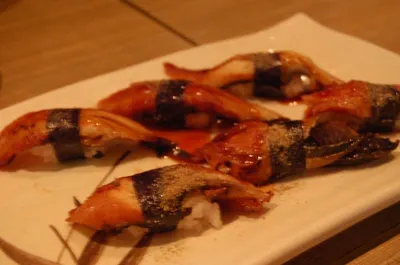
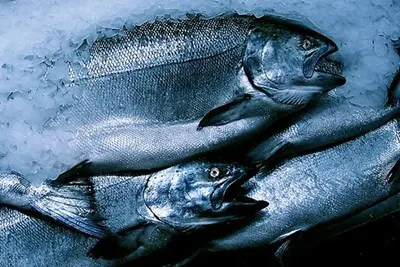
The catalogue includes 31 items such as Live Abalone, Alaskan Halibut, Canned Tuna, Zander, King Fish, Leather Jackets, Lobster, Milk Fish, Pomfret, Red Snipper, Ribbon Fish, Sardines, various shrimp species, Sole, Frozen Fish Maw, Live and Frozen Crab, Mackerel, Salmon, Scallops Meat, Spiny Lobster, Tuna, Vannamei White Shrimp, Yellowtail Kingfish, Baracuda, Croaker, Cuttle Fish, Eel, Grouper and Pangasius.

Which HS‑code families apply to the products offered by Rugen Fisch AG?

Products fall under HS 0302 for live fish and crustaceans, HS 0303 for fresh or chilled whole fish and fillets, HS 0304 for frozen crustaceans, HS 0305 for molluscs, and HS 1604 for canned fish preparations such as Canned Tuna.

What certifications should a buyer request before purchasing seafood from this supplier?

Buyers should ask for the EU sanitary health certificate, a HACCP plan summary, and any BRC or ISO 22000 audit reports. For crustaceans and molluscs, a heavy‑metal analysis and microbiological test results are also advisable.

What are the typical quality parameters for the shrimp products listed?

Shrimp such as Black Tiger and Vannamei are commonly graded by size (e.g., 16‑20 pcs/kg) and must meet moisture limits below 78 % and total viable counts under 10⁵ cfu/g. Frozen shrimp are usually shipped with an ice‑glaze thickness of 3‑5 mm.

How are fresh fish items usually packaged for export?

Fresh fish are typically packed on insulated pallets with a layer of crushed ice, often in 20 kg vacuum‑sealed boxes for frozen fillets, or bulk ice‑chilled boxes for whole fish, ensuring a temperature of 0 °C ± 2 °C during transit.

What shipping containers are standard for the supplier’s frozen products?

Standard refrigerated sea containers are used: a 20‑ft unit holds roughly 25 tons and a 40‑ft unit about 30 tons of frozen seafood, maintained at - 18 °C ± 2 °C.

What lead time and minimum order quantities are typical for these seafood categories?

Lead times from Germany generally range from 30 to 45 days, depending on product availability and required certifications. Minimum order quantities vary by species but often start around 500 kg for bulk fish and 200 kg for high‑value crustaceans such as lobster or abalone.

How can a buyer obtain a sample before placing a full order?

Buyers can request a small sample shipment - usually 5‑10 kg for fish fillets or 2‑5 kg for shrimp - subject to a nominal sample fee and the provision of a non‑binding purchase order to cover handling costs.


Featured Products from this Supplier

Other Suppliers in Primary Category

Top Trusted Suppliers

Related Products

Trending in Parent Category

More Suppliers in Category

Related Products

Other Suppliers

EximNext
7.1K+ live requirements
Register Free🎁 Reach global buyers
Post Requirement
🌍 Trusted by 225K+ businesses in 200+ countries|
7.1K+ active requirements right now
✉️ [email protected]
|
Sell on EximNextPost Requirement
EximNext
AgricultureApparelConstructionElectronicFoodHomeIndustrialMineralsMiscellaneous
🔥 Deals|✨ AI Match|🏭 Suppliers|📋 Buy Leads|💰 Trade Finance
7.1K+ live RFQs·194.8K+ suppliers
🎁 Reach global buyers →
EximNext
EximNext
Register Free
🎁 Reach global buyers
Sign In
📋Post Requirement💬Get Quotes✨AI Match📋RFQ Marketplace
All Categories
Services & Tools
🏭Supplier Directory🔥Today's Deals💰Trade Finance
Sell on EximNext →
AboutContactBlogHelp
Agriculture & Food  ·  Germany
31
products listed

Rugen Fisch AG

⚓ Harbor
Country flag , GermanyNew supplier / no reviews yet
🛡️
77/100
Trust Score

Rugen Fisch AG Product Catalog

Showing 12 of 31 products
View all products →
Frozen Fish Maw
⚓ Harbor
Frozen Fish Maw
Contact
MOQ: 1 Unit
Red Mullet
⚓ Harbor
Red Mullet
Contact
MOQ: 1 Unit
Pangasius Fish
⚓ Harbor
Pangasius Fish
Contact
MOQ: 1 Unit
Grouper
⚓ Harbor
Grouper
Contact
MOQ: 1 Unit
Eel Fish
⚓ Harbor
Eel Fish
Contact
MOQ: 1 Unit
Cuttle Fish
⚓ Harbor
Cuttle Fish
Contact
MOQ: 1 Unit
Croaker
⚓ Harbor
Croaker
Contact
MOQ: 1 Unit
Baracuda
⚓ Harbor
Baracuda
Contact
MOQ: 1 Unit
Yellowtail Kingfish
⚓ Harbor
Yellowtail Kingfish
Contact
MOQ: 1 Unit
Vannamei White Shrimp
⚓ Harbor
Vannamei White Shrimp
Contact
MOQ: 1 Unit
Tuna Fish
⚓ Harbor
Tuna Fish
Contact
MOQ: 1 Unit
Spiny Lobster
⚓ Harbor
Spiny Lobster
Contact
MOQ: 1 Unit

About Rugen Fisch AG - Fresh or Chilled Fish Supplier in Germany

Rugen Fisch AG is based in Germany and currently lists 31 active products across its catalogue. The company groups its offering under categories such as Fresh or Chilled Fish, Fresh Shrimps, Fresh Tuna Fish, Fresh King Fish, Fresh Lobsters, Fresh Ribbon Fish, Fresh Abalone and Leather Jackets. Each category reflects a segment of the broader seafood market, covering both whole live specimens and processed forms. The product list includes items such as Live Abalone, Alaskan Halibut, Canned Tuna, Zander Fish, King Fish, Leather Jacket, Lobster, Milk Fish, Pomfret, Red Snipper, Ribbon Fish, Sardines, Shrimp, Sole Fish, Black Tiger Shrimp, Frozen Fish Maw, Live and Frozen Crab, Mackerel, Salmon, Scallops Meat, Spiny Lobster, Tuna Fish, Vannamei White Shrimp, Yellowtail Kingfish, Baracuda, Croaker, Cuttle Fish, Eel Fish, Grouper, and Pangasius Fish.

The catalogue items fall into several HS‑code families commonly used for seafood trade: live fish and crustaceans (HS 0302), chilled or frozen fish fillets and whole fish (HS 0303), crustaceans such as shrimp, crab and lobster (HS 0304), and molluscs including abalone, scallops and cuttle‑fish (HS 0305). By listing both fresh and frozen forms, the supplier aligns with typical EU export classifications that separate chilled (0303) from frozen (0304‑0305) products. The presence of processed items such as Canned Tuna also links to HS 1604 for canned fish preparations. These codes determine duty rates and documentation requirements for international buyers.

Product Range and Specialties of Rugen Fisch AG

Rugen Fisch AG’s catalogue covers a wide spectrum of marine species, ranging from high‑value live abalone and king‑fish to staple items like salmon, mackerel and sardines. In the shrimp segment the list includes both generic “Shrimp” and specific varieties such as Black Tiger Shrimp and Vannamei White Shrimp, which are typically graded by size (e.g., 16‑20 pcs/kg for tiger shrimp) and by frozen versus fresh condition. Fresh fish products such as Alaskan Halibut, Yellowtail Kingfish and Grouper are usually assessed by length (e.g., 30‑45 cm) and by moisture content below 78 % after icing. Processed items like Canned Tuna follow EU specifications for water‑retention and oil content, while molluscs such as Scallops Meat and Live Abalone are evaluated for shell integrity and meat yield. The inclusion of leather jackets reflects a niche market for marine‑derived leather, which is often classified under HS 4103 for leather garments.

Trade and Export Information - Rugen Fisch AG

Germany is a major exporter of high‑quality seafood within the EU, benefiting from strict HACCP‑based food safety systems and EU veterinary certification procedures. Exporters of fresh or chilled fish, crustaceans and molluscs from Germany typically ship to markets in Western Europe, the Middle East, Southeast Asia and North America, where demand for sustainably sourced, traceable seafood is strong. HS‑code families 0302‑0305 guide customs duties and require accompanying health certificates, EU sanitary certificates and, where applicable, proof of compliance with the EU Regulation on the Protection of Animals at the Time of Killing (Regulation (EC) No 1099/2009). Buyers usually request BRC or ISO 22000 audit reports, as well as documentation of any MSC/ASC sustainability certifications, although these are not listed as held by the supplier. Standard logistics involve refrigerated sea containers - approximately 25 t in a 20‑ft unit or 30 t in a 40‑ft unit - with temperature control at 0 °C ± 2 °C for fresh fish and - 18 °C for frozen products.

Sourcing from Rugen Fisch AG - Buyer Guidance

When sourcing from Rugen Fisch AG, buyers should request the current EU health certificate for each species, a HACCP plan summary, and any third‑party audit reports such as BRC or ISO 22000. For crustacean and mollusc items, a heavy‑metal analysis (lead, cadmium) and a microbiological test report (total viable count, < 10⁵ cfu/g) are standard verification points. Samples should be taken from the first shipment to confirm size specifications - e.g., shrimp count per kilogram and fish length ranges - and to verify ice‑glaze thickness (typically 3‑5 mm for frozen fish). Confirming the packaging format (e.g., 20 kg vacuum‑packed boxes for frozen fillets or bulk ice‑chilled pallets for live seafood) helps align logistics with buyer warehouse capabilities.

Frequently Asked Questions About Rugen Fisch AG

What types of seafood does Rugen Fisch AG list in its catalogue?

The catalogue includes 31 items such as Live Abalone, Alaskan Halibut, Canned Tuna, Zander, King Fish, Leather Jackets, Lobster, Milk Fish, Pomfret, Red Snipper, Ribbon Fish, Sardines, various shrimp species, Sole, Frozen Fish Maw, Live and Frozen Crab, Mackerel, Salmon, Scallops Meat, Spiny Lobster, Tuna, Vannamei White Shrimp, Yellowtail Kingfish, Baracuda, Croaker, Cuttle Fish, Eel, Grouper and Pangasius.

Which HS‑code families apply to the products offered by Rugen Fisch AG?

Products fall under HS 0302 for live fish and crustaceans, HS 0303 for fresh or chilled whole fish and fillets, HS 0304 for frozen crustaceans, HS 0305 for molluscs, and HS 1604 for canned fish preparations such as Canned Tuna.

What certifications should a buyer request before purchasing seafood from this supplier?

Buyers should ask for the EU sanitary health certificate, a HACCP plan summary, and any BRC or ISO 22000 audit reports. For crustaceans and molluscs, a heavy‑metal analysis and microbiological test results are also advisable.

What are the typical quality parameters for the shrimp products listed?

Shrimp such as Black Tiger and Vannamei are commonly graded by size (e.g., 16‑20 pcs/kg) and must meet moisture limits below 78 % and total viable counts under 10⁵ cfu/g. Frozen shrimp are usually shipped with an ice‑glaze thickness of 3‑5 mm.

How are fresh fish items usually packaged for export?

Fresh fish are typically packed on insulated pallets with a layer of crushed ice, often in 20 kg vacuum‑sealed boxes for frozen fillets, or bulk ice‑chilled boxes for whole fish, ensuring a temperature of 0 °C ± 2 °C during transit.

What shipping containers are standard for the supplier’s frozen products?

Standard refrigerated sea containers are used: a 20‑ft unit holds roughly 25 tons and a 40‑ft unit about 30 tons of frozen seafood, maintained at - 18 °C ± 2 °C.

What lead time and minimum order quantities are typical for these seafood categories?

Lead times from Germany generally range from 30 to 45 days, depending on product availability and required certifications. Minimum order quantities vary by species but often start around 500 kg for bulk fish and 200 kg for high‑value crustaceans such as lobster or abalone.

How can a buyer obtain a sample before placing a full order?

Buyers can request a small sample shipment - usually 5‑10 kg for fish fillets or 2‑5 kg for shrimp - subject to a nominal sample fee and the provision of a non‑binding purchase order to cover handling costs.

About Rugen Fisch AG - Fresh or Chilled Fish Supplier in Germany

Rugen Fisch AG is based in Germany and currently lists 31 active products across its catalogue. The company groups its offering under categories such as Fresh or Chilled Fish, Fresh Shrimps, Fresh Tuna Fish, Fresh King Fish, Fresh Lobsters, Fresh Ribbon Fish, Fresh Abalone and Leather Jackets. Each category reflects a segment of the broader seafood market, covering both whole live specimens and processed forms. The product list includes items such as Live Abalone, Alaskan Halibut, Canned Tuna, Zander Fish, King Fish, Leather Jacket, Lobster, Milk Fish, Pomfret, Red Snipper, Ribbon Fish, Sardines, Shrimp, Sole Fish, Black Tiger Shrimp, Frozen Fish Maw, Live and Frozen Crab, Mackerel, Salmon, Scallops Meat, Spiny Lobster, Tuna Fish, Vannamei White Shrimp, Yellowtail Kingfish, Baracuda, Croaker, Cuttle Fish, Eel Fish, Grouper, and Pangasius Fish.

The catalogue items fall into several HS‑code families commonly used for seafood trade: live fish and crustaceans (HS 0302), chilled or frozen fish fillets and whole fish (HS 0303), crustaceans such as shrimp, crab and lobster (HS 0304), and molluscs including abalone, scallops and cuttle‑fish (HS 0305). By listing both fresh and frozen forms, the supplier aligns with typical EU export classifications that separate chilled (0303) from frozen (0304‑0305) products. The presence of processed items such as Canned Tuna also links to HS 1604 for canned fish preparations. These codes determine duty rates and documentation requirements for international buyers.

Product Range and Specialties of Rugen Fisch AG

Rugen Fisch AG’s catalogue covers a wide spectrum of marine species, ranging from high‑value live abalone and king‑fish to staple items like salmon, mackerel and sardines. In the shrimp segment the list includes both generic “Shrimp” and specific varieties such as Black Tiger Shrimp and Vannamei White Shrimp, which are typically graded by size (e.g., 16‑20 pcs/kg for tiger shrimp) and by frozen versus fresh condition. Fresh fish products such as Alaskan Halibut, Yellowtail Kingfish and Grouper are usually assessed by length (e.g., 30‑45 cm) and by moisture content below 78 % after icing. Processed items like Canned Tuna follow EU specifications for water‑retention and oil content, while molluscs such as Scallops Meat and Live Abalone are evaluated for shell integrity and meat yield. The inclusion of leather jackets reflects a niche market for marine‑derived leather, which is often classified under HS 4103 for leather garments.

Trade and Export Information - Rugen Fisch AG

Germany is a major exporter of high‑quality seafood within the EU, benefiting from strict HACCP‑based food safety systems and EU veterinary certification procedures. Exporters of fresh or chilled fish, crustaceans and molluscs from Germany typically ship to markets in Western Europe, the Middle East, Southeast Asia and North America, where demand for sustainably sourced, traceable seafood is strong. HS‑code families 0302‑0305 guide customs duties and require accompanying health certificates, EU sanitary certificates and, where applicable, proof of compliance with the EU Regulation on the Protection of Animals at the Time of Killing (Regulation (EC) No 1099/2009). Buyers usually request BRC or ISO 22000 audit reports, as well as documentation of any MSC/ASC sustainability certifications, although these are not listed as held by the supplier. Standard logistics involve refrigerated sea containers - approximately 25 t in a 20‑ft unit or 30 t in a 40‑ft unit - with temperature control at 0 °C ± 2 °C for fresh fish and - 18 °C for frozen products.

Sourcing from Rugen Fisch AG - Buyer Guidance

When sourcing from Rugen Fisch AG, buyers should request the current EU health certificate for each species, a HACCP plan summary, and any third‑party audit reports such as BRC or ISO 22000. For crustacean and mollusc items, a heavy‑metal analysis (lead, cadmium) and a microbiological test report (total viable count, < 10⁵ cfu/g) are standard verification points. Samples should be taken from the first shipment to confirm size specifications - e.g., shrimp count per kilogram and fish length ranges - and to verify ice‑glaze thickness (typically 3‑5 mm for frozen fish). Confirming the packaging format (e.g., 20 kg vacuum‑packed boxes for frozen fillets or bulk ice‑chilled pallets for live seafood) helps align logistics with buyer warehouse capabilities.

Frequently Asked Questions About Rugen Fisch AG
What types of seafood does Rugen Fisch AG list in its catalogue?
The catalogue includes 31 items such as Live Abalone, Alaskan Halibut, Canned Tuna, Zander, King Fish, Leather Jackets, Lobster, Milk Fish, Pomfret, Red Snipper, Ribbon Fish, Sardines, various shrimp species, Sole, Frozen Fish Maw, Live and Frozen Crab, Mackerel, Salmon, Scallops Meat, Spiny Lobster, Tuna, Vannamei White Shrimp, Yellowtail Kingfish, Baracuda, Croaker, Cuttle Fish, Eel, Grouper and Pangasius.
Which HS‑code families apply to the products offered by Rugen Fisch AG?
Products fall under HS 0302 for live fish and crustaceans, HS 0303 for fresh or chilled whole fish and fillets, HS 0304 for frozen crustaceans, HS 0305 for molluscs, and HS 1604 for canned fish preparations such as Canned Tuna.
What certifications should a buyer request before purchasing seafood from this supplier?
Buyers should ask for the EU sanitary health certificate, a HACCP plan summary, and any BRC or ISO 22000 audit reports. For crustaceans and molluscs, a heavy‑metal analysis and microbiological test results are also advisable.
What are the typical quality parameters for the shrimp products listed?
Shrimp such as Black Tiger and Vannamei are commonly graded by size (e.g., 16‑20 pcs/kg) and must meet moisture limits below 78 % and total viable counts under 10⁵ cfu/g. Frozen shrimp are usually shipped with an ice‑glaze thickness of 3‑5 mm.
How are fresh fish items usually packaged for export?
Fresh fish are typically packed on insulated pallets with a layer of crushed ice, often in 20 kg vacuum‑sealed boxes for frozen fillets, or bulk ice‑chilled boxes for whole fish, ensuring a temperature of 0 °C ± 2 °C during transit.
What shipping containers are standard for the supplier’s frozen products?
Standard refrigerated sea containers are used: a 20‑ft unit holds roughly 25 tons and a 40‑ft unit about 30 tons of frozen seafood, maintained at - 18 °C ± 2 °C.
What lead time and minimum order quantities are typical for these seafood categories?
Lead times from Germany generally range from 30 to 45 days, depending on product availability and required certifications. Minimum order quantities vary by species but often start around 500 kg for bulk fish and 200 kg for high‑value crustaceans such as lobster or abalone.
How can a buyer obtain a sample before placing a full order?
Buyers can request a small sample shipment - usually 5‑10 kg for fish fillets or 2‑5 kg for shrimp - subject to a nominal sample fee and the provision of a non‑binding purchase order to cover handling costs.

Rugen Fisch AG
Country flag Germany
⚓ HarborAgriculture & Food
77/100
Trust Score
31
Products
✓ Free to contact — no commission
✓ Escrow payment available
✓ Verified business identity
Compare more suppliers
Post a requirement — get 10 quotes free
Let verified suppliers compete for your business. Free, fast, no commitment.
Due Diligence
Verify this supplier's real shipping history.
Every shipment, every buyer, every port. Trade data that can't be faked.
Run due diligence →
Discover More

Related Suppliers & Products

Explore similar suppliers, related products and trending categories

Featured Products from this Supplier

Other Suppliers in Primary Category

Top Trusted Suppliers

Related Products

Trending in Parent Category

More Suppliers in Category

Stay ahead in global trade
Weekly market insights & new supplier alerts.
EximNext
Exim Next is a leading global B2B marketplace, connecting over 220,000 registered suppliers and buyers across 200+ countries. As a trusted import export marketplace, it serves as the essential B2B portal for businesses worldwide, empowering them to expand their international reach. With Exim Next, businesses can trade smarter and grow faster.
SECURE PAYMENTS
VISAMastercardPayPalSWIFTL/CEscrow
Follow us
© 2026 EximNext