Reem rice — Verified Supplier

About Reem rice - Basmati Rice Supplier in Pakistan

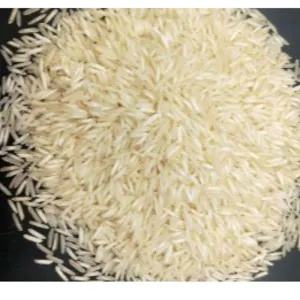
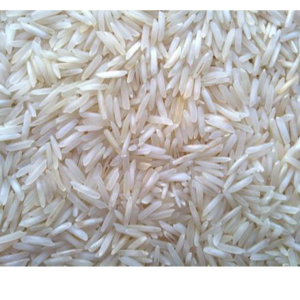
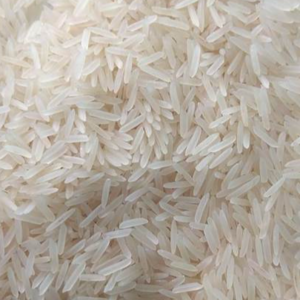
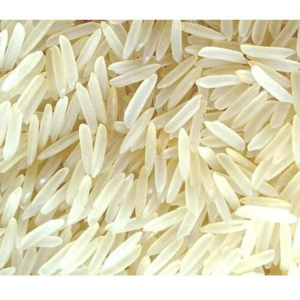
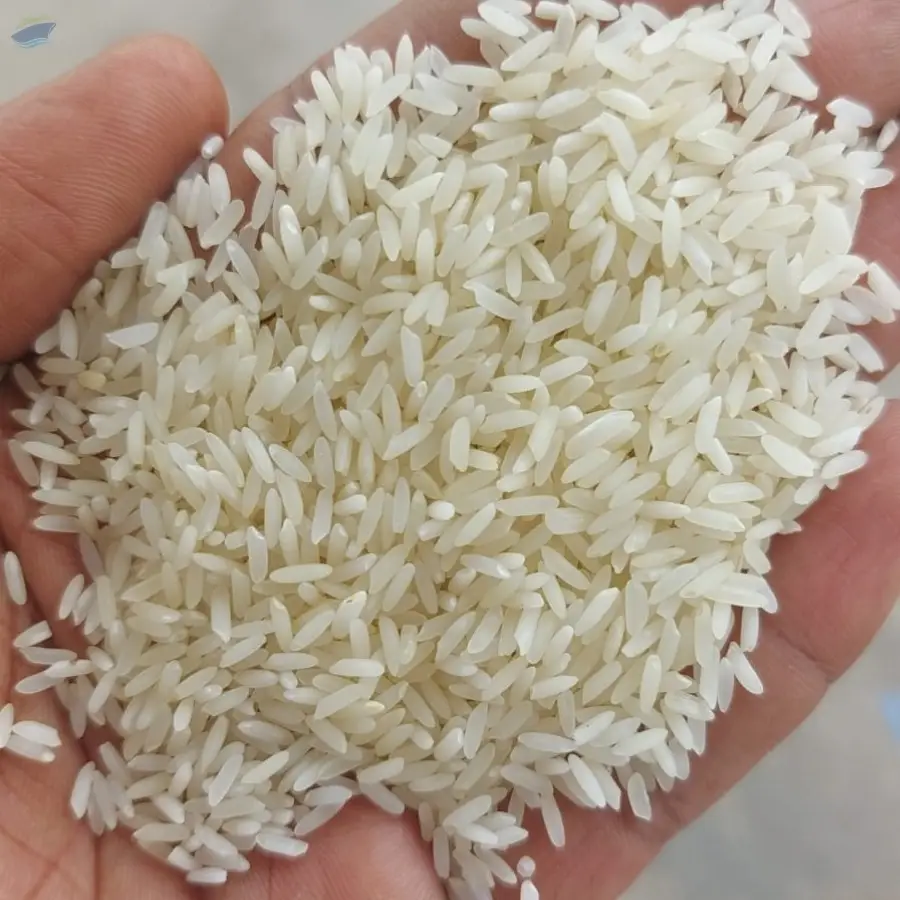
Pakistan is a leading exporter of long‑grain rice, and Reem rice lists ten distinct rice products in its catalogue. The active product count of ten includes several Basmati varieties such as 1121, 1509, PK 386 and Super Basmati, as well as non‑Basmati and medium‑grain options. All items fall under the HS‑6 code 1006, with milled white and steamed rice classified under 1006.30 and brown or partially milled rice under 1006.20. The catalogue specifies the botanical material for each entry, e.g., Oryza sativa 1121 cultivar or Pusa 1509 variety. The supplier is recorded as an imported tier with a harbor trust tier.

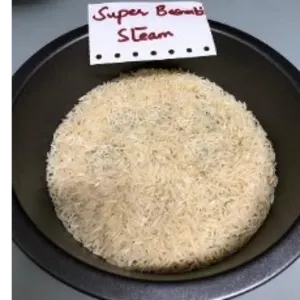
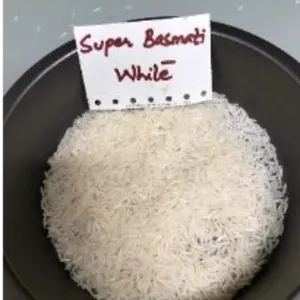
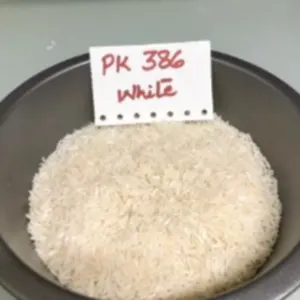
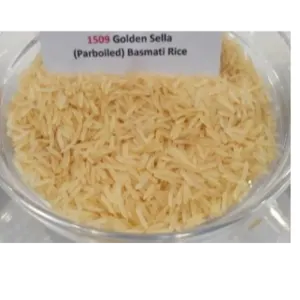
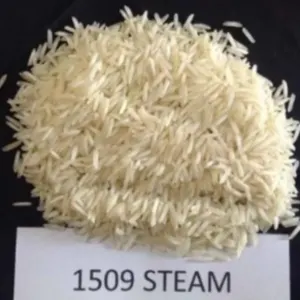
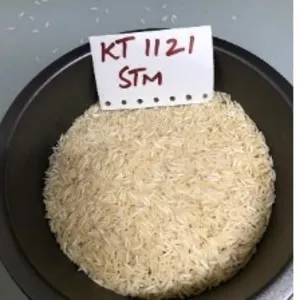
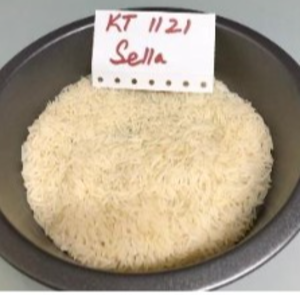
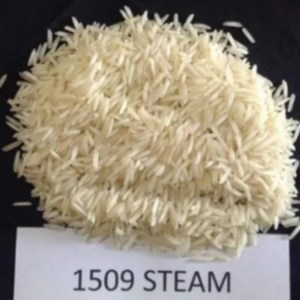
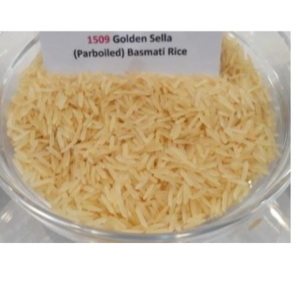
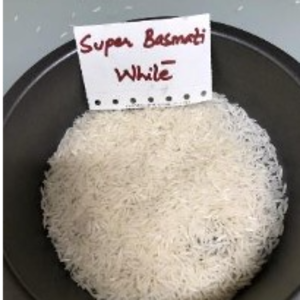
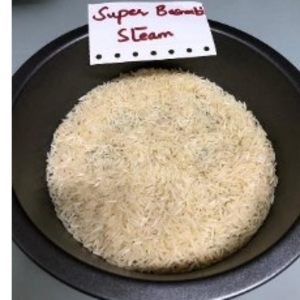
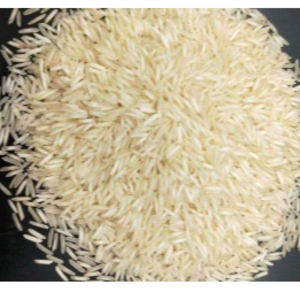
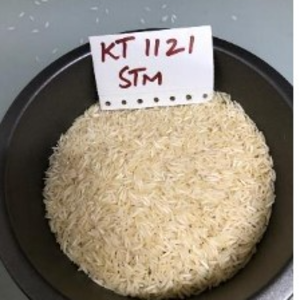
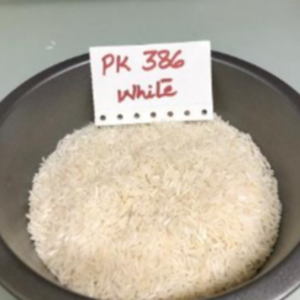
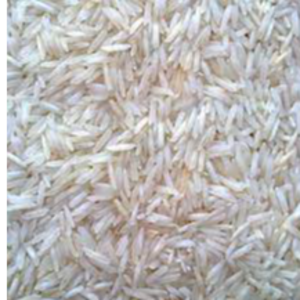
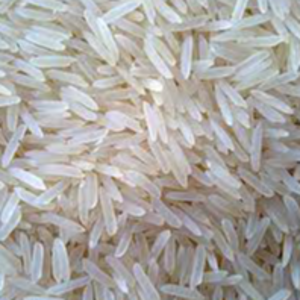
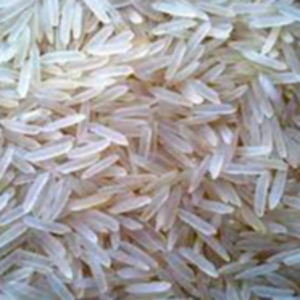
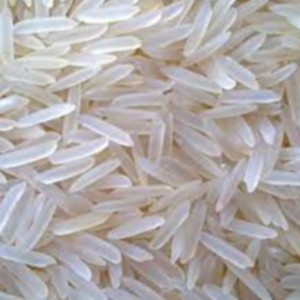
The product list comprises 1121 Steamed Basmati White Rice, 1121 Steamed Brown Basmati Rice, 1121 Parboiled Golden Sella Rice, 1509 Steamed Basmati Rice, 1509 Golden Sella Basmati Rice, PK 386 White Rice, PK 386 Steamed Rice, Super Basmati White Rice, Super Basmati Steamed Rice and Super Basmati Brown Rice. Each entry details the grain type (long grain, milled, parboiled, brown) and the corresponding HS code, allowing buyers to align customs documentation accurately. The inclusion of both HS 1006.30 (milled/steamed rice) and HS 1006.20 (brown rice) reflects the full processing spectrum offered by the supplier.

Product Range and Specialties of Reem rice

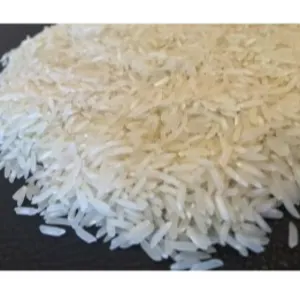
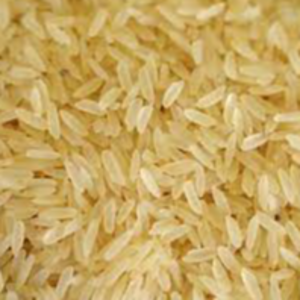
The catalogue covers three processing stages: white milled rice (e.g., Super Basmati White Rice, PK 386 White Rice), steamed/parboiled rice (e.g., 1121 Parboiled Golden Sella Rice, 1509 Golden Sella Basmati Rice) and whole‑grain brown rice (e.g., 1121 Steamed Brown Basmati Rice, Super Basmati Brown Rice). Typical industry grades for Basmati range from Grade 1 (kernel length ≥7 mm, aroma ≥200 ppb 2‑acetyl‑1‑pyrroline) to Grade 2, with moisture limits of 12‑13 % and broken grain rates below 5 % for premium exports.

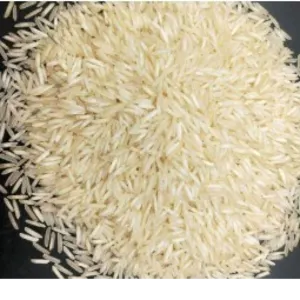
In global trade, Basmati rice is commonly packed in 25 kg polypropylene bags, with a 20‑ft container holding up to 800 kg (≈32 bags) and a 40‑ft container up to 1 600 kg. Buyers often request specifications such as kernel length, breadth ratio, aroma intensity, and pesticide residue limits that meet Codex Alimentarius standards. The Pakistani varieties listed - 1121, 1509, PK 386 - are known for their extra‑long kernels and distinctive fragrance, fitting the premium market expectations.

Trade and Export Information - Reem rice

Pakistani Basmati and other long‑grain rice varieties are regularly shipped to the Middle East, GCC states, Europe, North America and Africa. The HS‑6 code 1006.30 for milled rice and 1006.20 for brown rice are subject to standard customs duties and may require a phytosanitary certificate, certificate of origin and a laboratory analysis report confirming moisture, broken percentage and pesticide residues. Exporters from Pakistan often operate under FOB Karachi or CIF Dubai terms, using 20‑ft or 40‑ft containers with the 25 kg bag format.

Buyers typically ask for certifications such as ISO 22000, HACCP, BRC or FSSC 22000, although Reem rice’s specific certifications are not listed in the supplied facts. Importers should verify that the rice complies with Codex maximum limits for heavy metals and pesticide residues, and that the shipment includes a clean bill of health from the Pakistani Plant Protection Directorate. Seasonal peaks for Pakistani rice exports occur between October and March, aligning with the harvest cycle.

Sourcing from Reem rice - Buyer Guidance

When sourcing from Reem rice, buyers should request a sample batch to confirm kernel length (≥7 mm for Basmati), aroma level, moisture content (≤13 %) and broken grain percentage (≤5 %). A Certificate of Analysis covering these parameters, along with a phytosanitary certificate and a Certificate of Origin, will help verify compliance with import regulations in most destination markets.

Typical minimum order quantities for bulk rice shipments range from 15 metric tonnes to 30 metric tonnes, depending on the buyer’s logistics capacity. Lead times are generally 30‑45 days from order confirmation, allowing time for processing, packaging in 25 kg bags and arranging container loading. Buyers should confirm the intended Incoterm (e.g., FOB Karachi) and ensure that the supplier can provide the required quality documentation before finalizing the contract.

Frequently Asked Questions About Reem rice

What rice varieties does Reem rice offer?

Reem rice lists ten products, including 1121, 1509 and PK 386 Basmati cultivars, Super Basmati, as well as parboiled (Sella) and brown rice variants.

Which HS codes apply to the listed rice products?

White milled and steamed rice items use HS 1006.30, while brown or partially milled rice items use HS 1006.20.

What are the typical packaging formats for these rice products?

The standard export packaging is 25 kg polypropylene bags, which are loaded into 20‑ft or 40‑ft containers; a 40‑ft container can hold roughly 1 600 kg of rice.

Which quality specifications should buyers verify?

Buyers should check kernel length (≥7 mm for Basmati), moisture content (≤13 %), broken grain rate (≤5 %), aroma level (≥200 ppb 2‑acetyl‑1‑pyrroline) and compliance with Codex limits for pesticide residues.

What documentation is typically required for importing this rice?

Importers normally request a phytosanitary certificate, Certificate of Origin, and a Certificate of Analysis covering moisture, broken percentage and pesticide residues; additional certifications such as ISO 22000 or HACCP may be requested.

What are the common Incoterms used by Pakistani rice exporters?

FOB Karachi and CIF Dubai are the most frequently used terms for Pakistani rice shipments.

What is the usual minimum order quantity and lead time?

Minimum orders generally start at 15 metric tonnes, with a production and shipping lead time of 30‑45 days after order confirmation.

Which markets typically import rice from Pakistan?

Major import destinations include the Gulf Cooperation Council countries, the United Kingdom, the United States, and several African nations such as Kenya and Nigeria.


Featured Products from Reem rice

Other Suppliers in Basmati Rice

Top Trusted Suppliers

Related Products in Basmati Rice

Trending in Parent Category

More Suppliers in Parent Category

Related Products

Other Suppliers

EximNext
58.4K+ live requirements
Register Free🎁 5 free buy-lead credits
Post Requirement
🌍 Trusted by 224.4K+ businesses in 200+ countries|
58.4K+ active requirements right now
✉️ [email protected]
|
Sell on EximNextPost Requirement
EximNext
AgricultureApparelConstructionElectronicFoodHomeIndustrialMineralsMiscellaneous
🔥 Deals|✨ AI Match|🏭 Suppliers|📋 Buy Leads|💰 Trade Finance|⭐ Upgrade
58.4K+ live RFQs·194.4K+ suppliers
🎁 5 free credits →
EximNext
EximNext
Register Free
🎁 5 free buy-lead credits
Sign In
📋Post Requirement💬Get QuotesAI Match📋RFQ Marketplace
All Categories
Services & Tools
🏭Supplier Directory🔥Today's Deals💰Trade FinanceMembership
Sell on EximNext
AboutContactBlogHelp
🏭

Reem rice

Harbor
Country flag , Pakistan
🛡️
56/100
Trust Score

Reem rice Product Catalog

Showing 10 of 10 products
View all products →
Super Basmati Brown Rice
Harbor
Super Basmati Brown Rice
Contact
MOQ: 1 Unit
Super Basmati Steamed Rice
Harbor
Super Basmati Steamed Rice
Contact
MOQ: 1 Unit
Super Basmati White Rice
Harbor
Super Basmati White Rice
Contact
MOQ: 1 Unit
PK 386 Steamed Rice
Harbor
PK 386 Steamed Rice
Contact
MOQ: 1 Unit
PK 386 White Rice
Harbor
PK 386 White Rice
Contact
MOQ: 1 Unit
1509 Golden Sella Basmati Rice
Harbor
1509 Golden Sella Basmati Rice
Contact
MOQ: 1 Unit
1509 Steamed Basmati Rice
Harbor
1509 Steamed Basmati Rice
Contact
MOQ: 1 Unit
1121 Parboiled Golden Sella Rice
Harbor
1121 Parboiled Golden Sella Rice
Contact
MOQ: 1 Unit
1121 Steamed Brown Basmati Rice
Harbor
1121 Steamed Brown Basmati Rice
Contact
MOQ: 1 Unit
1121 Steamed Basmati White Rice
Harbor
1121 Steamed Basmati White Rice
Contact
MOQ: 1 Unit

About Reem rice - Basmati Rice Supplier in Pakistan

Pakistan is a leading exporter of long‑grain rice, and Reem rice lists ten distinct rice products in its catalogue. The active product count of ten includes several Basmati varieties such as 1121, 1509, PK 386 and Super Basmati, as well as non‑Basmati and medium‑grain options. All items fall under the HS‑6 code 1006, with milled white and steamed rice classified under 1006.30 and brown or partially milled rice under 1006.20. The catalogue specifies the botanical material for each entry, e.g., Oryza sativa 1121 cultivar or Pusa 1509 variety. The supplier is recorded as an imported tier with a harbor trust tier.

The product list comprises 1121 Steamed Basmati White Rice, 1121 Steamed Brown Basmati Rice, 1121 Parboiled Golden Sella Rice, 1509 Steamed Basmati Rice, 1509 Golden Sella Basmati Rice, PK 386 White Rice, PK 386 Steamed Rice, Super Basmati White Rice, Super Basmati Steamed Rice and Super Basmati Brown Rice. Each entry details the grain type (long grain, milled, parboiled, brown) and the corresponding HS code, allowing buyers to align customs documentation accurately. The inclusion of both HS 1006.30 (milled/steamed rice) and HS 1006.20 (brown rice) reflects the full processing spectrum offered by the supplier.

Product Range and Specialties of Reem rice

The catalogue covers three processing stages: white milled rice (e.g., Super Basmati White Rice, PK 386 White Rice), steamed/parboiled rice (e.g., 1121 Parboiled Golden Sella Rice, 1509 Golden Sella Basmati Rice) and whole‑grain brown rice (e.g., 1121 Steamed Brown Basmati Rice, Super Basmati Brown Rice). Typical industry grades for Basmati range from Grade 1 (kernel length ≥7 mm, aroma ≥200 ppb 2‑acetyl‑1‑pyrroline) to Grade 2, with moisture limits of 12‑13 % and broken grain rates below 5 % for premium exports.

In global trade, Basmati rice is commonly packed in 25 kg polypropylene bags, with a 20‑ft container holding up to 800 kg (≈32 bags) and a 40‑ft container up to 1 600 kg. Buyers often request specifications such as kernel length, breadth ratio, aroma intensity, and pesticide residue limits that meet Codex Alimentarius standards. The Pakistani varieties listed - 1121, 1509, PK 386 - are known for their extra‑long kernels and distinctive fragrance, fitting the premium market expectations.

Trade and Export Information - Reem rice

Pakistani Basmati and other long‑grain rice varieties are regularly shipped to the Middle East, GCC states, Europe, North America and Africa. The HS‑6 code 1006.30 for milled rice and 1006.20 for brown rice are subject to standard customs duties and may require a phytosanitary certificate, certificate of origin and a laboratory analysis report confirming moisture, broken percentage and pesticide residues. Exporters from Pakistan often operate under FOB Karachi or CIF Dubai terms, using 20‑ft or 40‑ft containers with the 25 kg bag format.

Buyers typically ask for certifications such as ISO 22000, HACCP, BRC or FSSC 22000, although Reem rice’s specific certifications are not listed in the supplied facts. Importers should verify that the rice complies with Codex maximum limits for heavy metals and pesticide residues, and that the shipment includes a clean bill of health from the Pakistani Plant Protection Directorate. Seasonal peaks for Pakistani rice exports occur between October and March, aligning with the harvest cycle.

Sourcing from Reem rice - Buyer Guidance

When sourcing from Reem rice, buyers should request a sample batch to confirm kernel length (≥7 mm for Basmati), aroma level, moisture content (≤13 %) and broken grain percentage (≤5 %). A Certificate of Analysis covering these parameters, along with a phytosanitary certificate and a Certificate of Origin, will help verify compliance with import regulations in most destination markets.

Typical minimum order quantities for bulk rice shipments range from 15 metric tonnes to 30 metric tonnes, depending on the buyer’s logistics capacity. Lead times are generally 30‑45 days from order confirmation, allowing time for processing, packaging in 25 kg bags and arranging container loading. Buyers should confirm the intended Incoterm (e.g., FOB Karachi) and ensure that the supplier can provide the required quality documentation before finalizing the contract.

Frequently Asked Questions About Reem rice

What rice varieties does Reem rice offer?

Reem rice lists ten products, including 1121, 1509 and PK 386 Basmati cultivars, Super Basmati, as well as parboiled (Sella) and brown rice variants.

Which HS codes apply to the listed rice products?

White milled and steamed rice items use HS 1006.30, while brown or partially milled rice items use HS 1006.20.

What are the typical packaging formats for these rice products?

The standard export packaging is 25 kg polypropylene bags, which are loaded into 20‑ft or 40‑ft containers; a 40‑ft container can hold roughly 1 600 kg of rice.

Which quality specifications should buyers verify?

Buyers should check kernel length (≥7 mm for Basmati), moisture content (≤13 %), broken grain rate (≤5 %), aroma level (≥200 ppb 2‑acetyl‑1‑pyrroline) and compliance with Codex limits for pesticide residues.

What documentation is typically required for importing this rice?

Importers normally request a phytosanitary certificate, Certificate of Origin, and a Certificate of Analysis covering moisture, broken percentage and pesticide residues; additional certifications such as ISO 22000 or HACCP may be requested.

What are the common Incoterms used by Pakistani rice exporters?

FOB Karachi and CIF Dubai are the most frequently used terms for Pakistani rice shipments.

What is the usual minimum order quantity and lead time?

Minimum orders generally start at 15 metric tonnes, with a production and shipping lead time of 30‑45 days after order confirmation.

Which markets typically import rice from Pakistan?

Major import destinations include the Gulf Cooperation Council countries, the United Kingdom, the United States, and several African nations such as Kenya and Nigeria.

About Reem rice - Basmati Rice Supplier in Pakistan

Pakistan is a leading exporter of long‑grain rice, and Reem rice lists ten distinct rice products in its catalogue. The active product count of ten includes several Basmati varieties such as 1121, 1509, PK 386 and Super Basmati, as well as non‑Basmati and medium‑grain options. All items fall under the HS‑6 code 1006, with milled white and steamed rice classified under 1006.30 and brown or partially milled rice under 1006.20. The catalogue specifies the botanical material for each entry, e.g., Oryza sativa 1121 cultivar or Pusa 1509 variety. The supplier is recorded as an imported tier with a harbor trust tier.

The product list comprises 1121 Steamed Basmati White Rice, 1121 Steamed Brown Basmati Rice, 1121 Parboiled Golden Sella Rice, 1509 Steamed Basmati Rice, 1509 Golden Sella Basmati Rice, PK 386 White Rice, PK 386 Steamed Rice, Super Basmati White Rice, Super Basmati Steamed Rice and Super Basmati Brown Rice. Each entry details the grain type (long grain, milled, parboiled, brown) and the corresponding HS code, allowing buyers to align customs documentation accurately. The inclusion of both HS 1006.30 (milled/steamed rice) and HS 1006.20 (brown rice) reflects the full processing spectrum offered by the supplier.

Product Range and Specialties of Reem rice

The catalogue covers three processing stages: white milled rice (e.g., Super Basmati White Rice, PK 386 White Rice), steamed/parboiled rice (e.g., 1121 Parboiled Golden Sella Rice, 1509 Golden Sella Basmati Rice) and whole‑grain brown rice (e.g., 1121 Steamed Brown Basmati Rice, Super Basmati Brown Rice). Typical industry grades for Basmati range from Grade 1 (kernel length ≥7 mm, aroma ≥200 ppb 2‑acetyl‑1‑pyrroline) to Grade 2, with moisture limits of 12‑13 % and broken grain rates below 5 % for premium exports.

In global trade, Basmati rice is commonly packed in 25 kg polypropylene bags, with a 20‑ft container holding up to 800 kg (≈32 bags) and a 40‑ft container up to 1 600 kg. Buyers often request specifications such as kernel length, breadth ratio, aroma intensity, and pesticide residue limits that meet Codex Alimentarius standards. The Pakistani varieties listed - 1121, 1509, PK 386 - are known for their extra‑long kernels and distinctive fragrance, fitting the premium market expectations.

Trade and Export Information - Reem rice

Pakistani Basmati and other long‑grain rice varieties are regularly shipped to the Middle East, GCC states, Europe, North America and Africa. The HS‑6 code 1006.30 for milled rice and 1006.20 for brown rice are subject to standard customs duties and may require a phytosanitary certificate, certificate of origin and a laboratory analysis report confirming moisture, broken percentage and pesticide residues. Exporters from Pakistan often operate under FOB Karachi or CIF Dubai terms, using 20‑ft or 40‑ft containers with the 25 kg bag format.

Buyers typically ask for certifications such as ISO 22000, HACCP, BRC or FSSC 22000, although Reem rice’s specific certifications are not listed in the supplied facts. Importers should verify that the rice complies with Codex maximum limits for heavy metals and pesticide residues, and that the shipment includes a clean bill of health from the Pakistani Plant Protection Directorate. Seasonal peaks for Pakistani rice exports occur between October and March, aligning with the harvest cycle.

Sourcing from Reem rice - Buyer Guidance

When sourcing from Reem rice, buyers should request a sample batch to confirm kernel length (≥7 mm for Basmati), aroma level, moisture content (≤13 %) and broken grain percentage (≤5 %). A Certificate of Analysis covering these parameters, along with a phytosanitary certificate and a Certificate of Origin, will help verify compliance with import regulations in most destination markets.

Typical minimum order quantities for bulk rice shipments range from 15 metric tonnes to 30 metric tonnes, depending on the buyer’s logistics capacity. Lead times are generally 30‑45 days from order confirmation, allowing time for processing, packaging in 25 kg bags and arranging container loading. Buyers should confirm the intended Incoterm (e.g., FOB Karachi) and ensure that the supplier can provide the required quality documentation before finalizing the contract.

Frequently Asked Questions About Reem rice
What rice varieties does Reem rice offer?
Reem rice lists ten products, including 1121, 1509 and PK 386 Basmati cultivars, Super Basmati, as well as parboiled (Sella) and brown rice variants.
Which HS codes apply to the listed rice products?
White milled and steamed rice items use HS 1006.30, while brown or partially milled rice items use HS 1006.20.
What are the typical packaging formats for these rice products?
The standard export packaging is 25 kg polypropylene bags, which are loaded into 20‑ft or 40‑ft containers; a 40‑ft container can hold roughly 1 600 kg of rice.
Which quality specifications should buyers verify?
Buyers should check kernel length (≥7 mm for Basmati), moisture content (≤13 %), broken grain rate (≤5 %), aroma level (≥200 ppb 2‑acetyl‑1‑pyrroline) and compliance with Codex limits for pesticide residues.
What documentation is typically required for importing this rice?
Importers normally request a phytosanitary certificate, Certificate of Origin, and a Certificate of Analysis covering moisture, broken percentage and pesticide residues; additional certifications such as ISO 22000 or HACCP may be requested.
What are the common Incoterms used by Pakistani rice exporters?
FOB Karachi and CIF Dubai are the most frequently used terms for Pakistani rice shipments.
What is the usual minimum order quantity and lead time?
Minimum orders generally start at 15 metric tonnes, with a production and shipping lead time of 30‑45 days after order confirmation.
Which markets typically import rice from Pakistan?
Major import destinations include the Gulf Cooperation Council countries, the United Kingdom, the United States, and several African nations such as Kenya and Nigeria.

🏭
Reem rice
Country flag , Pakistan
Harbor
56/100
Trust Score
📦
10
Products
Free to contact — no commission
Escrow payment available
Verified business identity
Compare more suppliers
Post a requirement — get 10 quotes free
Let verified suppliers compete for your business. Free, fast, no commitment.
EximNext Verified Supplier
Business identity verified
Physical address confirmed
Financial history checked
Certifications authenticated
Trade references validated
Due Diligence
Verify this supplier's real shipping history.
Every shipment, every buyer, every port. Trade data that can't be faked.
Run due diligence →
Discover More

Related Suppliers & Products

Explore similar suppliers, related products and trending categories

Featured Products from Reem rice

Other Suppliers in Basmati Rice

Top Trusted Suppliers

Related Products in Basmati Rice

Trending in Parent Category

More Suppliers in Parent Category

Stay ahead in global trade
Weekly market insights & new supplier alerts.
EximNext
Exim Next is a leading global B2B marketplace, connecting over 205,000 verified suppliers and buyers across 200+ countries. As a trusted import export marketplace, it serves as the essential B2B portal for businesses worldwide, empowering them to expand their international reach. With Exim Next, businesses can trade smarter and grow faster.
SECURE PAYMENTS
VISAMastercardPayPalSWIFTL/CEscrow
Follow us
© 2026 EximNext