R S BROTHERS LLC — Trader & Wholesale Supplier
About R S BROTHERS LLC - Agro Products Supplier in United States
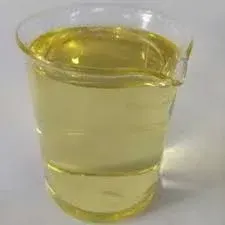
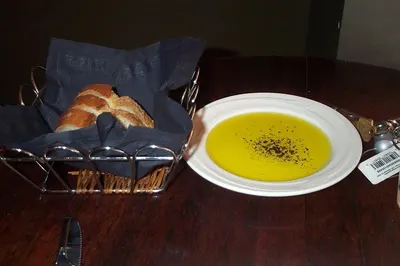
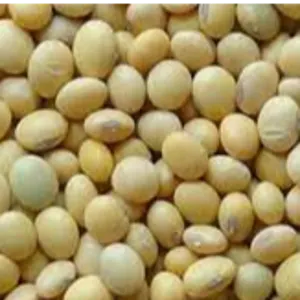
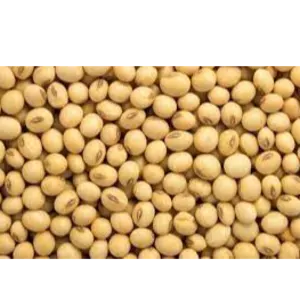
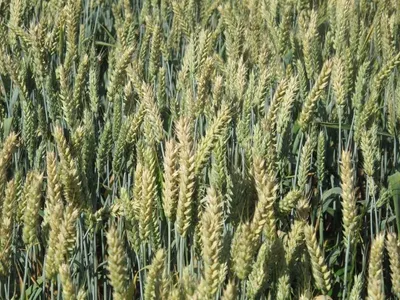
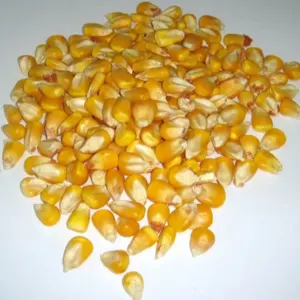
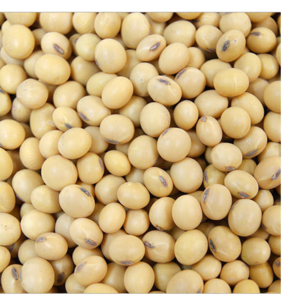
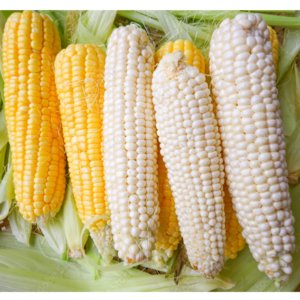
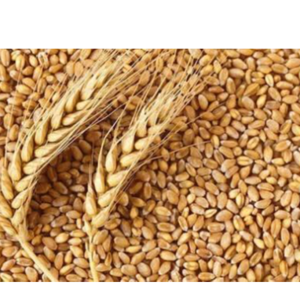
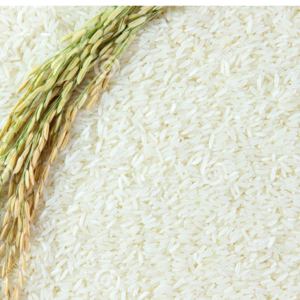
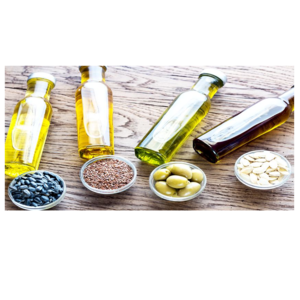
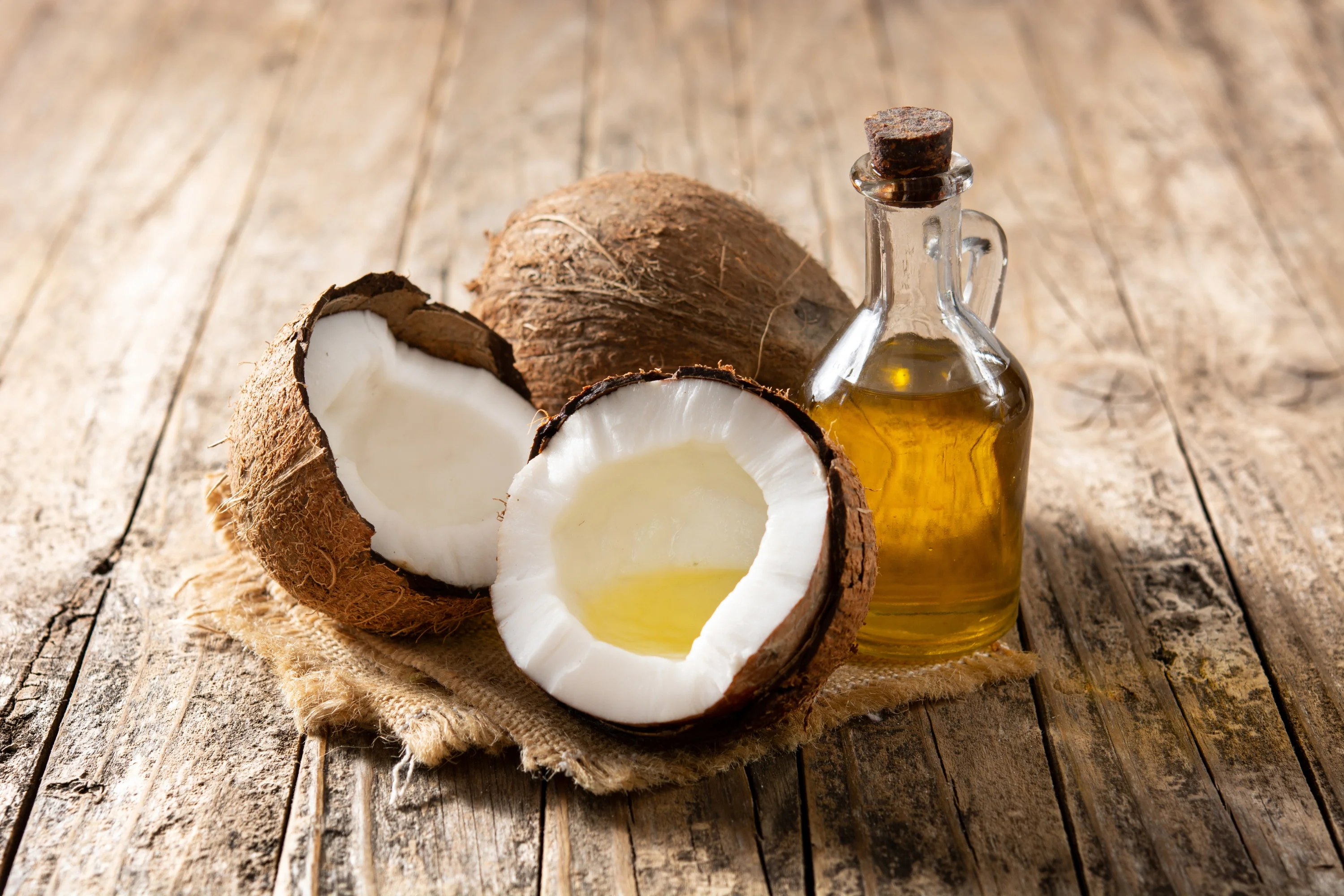
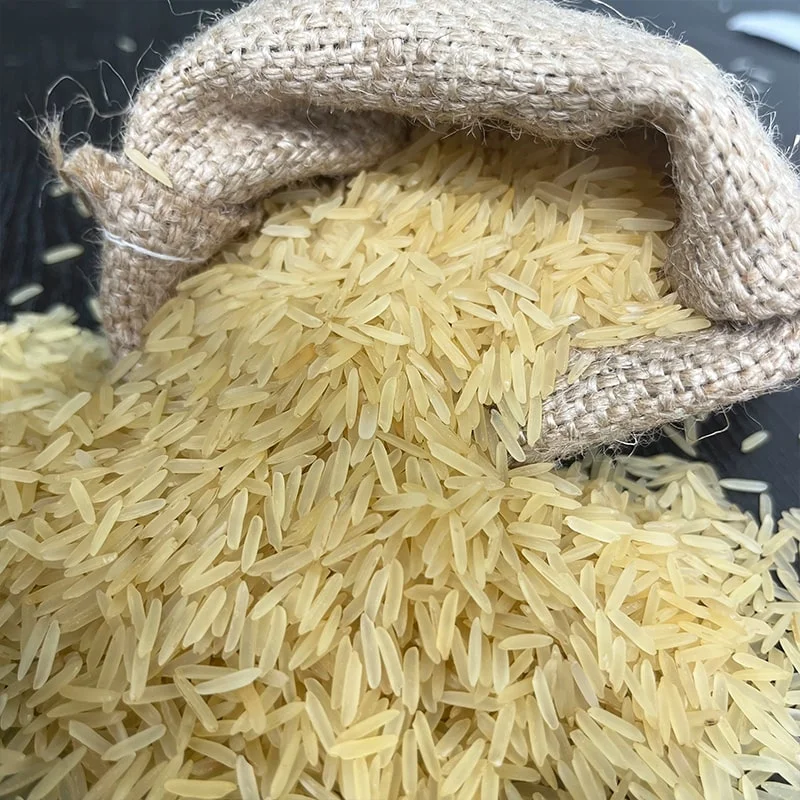
R S BROTHERS LLC is based in New York, United States and lists 22 distinct agro‑commodity items in its current catalogue. The catalogue includes broken rice classified under HS code 1006.30, refined edible oil blends (sunflower, soybean, olive) under HS code 1512.19, common wheat grains under HS code 1001.99, yellow and white corn under HS code 1005.90, and soybean seeds under HS code 1201.10. Additional entries cover rice bran acid oil, RBD coconut oil, various soybean and canola oils, wheat flour, used cooking oil, Mazola oils, durum wheat, avocado oil, white and brown sugar, and saffron, each identified by product name only in the source data.
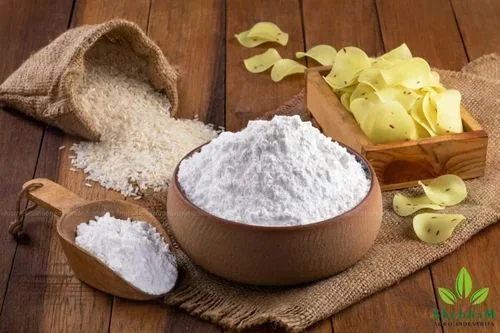
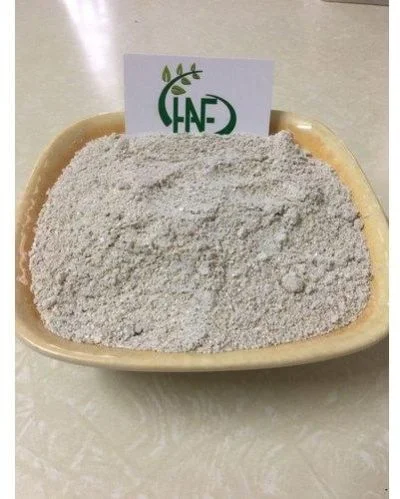
The listed top categories comprise soybean oil, wheat, wheat flour, soybean seeds, corn, corn flour, grains and cereals, and dehydrated spices. The product set therefore spans staple grains, cereal flours, a broad spectrum of vegetable oils, refined and acid oils, as well as specialty sweeteners and spices. All items are presented without additional quantitative specifications, reflecting the supplier’s focus on a diversified agro‑product portfolio.
Product Range and Specialties of R S BROTHERS LLC
The catalogue offers broken rice, wheat grains, corn kernels, soybean seeds and a range of edible oils including refined blends, RBD coconut, canola, and avocado oil. In the grain segment, buyers typically encounter US hard red winter wheat with protein levels of 10‑12 % and moisture below 13 %, while broken rice is usually graded by broken percentage and moisture content under 14 %. Vegetable oils from the United States are commonly refined to meet free fatty acid limits of 0.1 % or lower and iodine values between 85‑110 for soybean‑type oils. Sugar products such as white and brown sugar are generally classified under ICUMSA 45‑50 grades with moisture below 0.1 % and ash content under 0.05 %. Saffron exported from the US is usually graded by ISO 3632 colour index and packaged in airtight containers to preserve volatile compounds.
Industry practice for these categories includes bulk packaging in 20‑ft or 40‑ft containers, 25 kg polypropylene bags for grains, and 1 000 L drums or 200 kg IBC totes for refined oils. Quality assurance commonly relies on third‑party laboratory analysis covering parameters such as moisture, ash, protein, free fatty acids, peroxide value, and pesticide residues.
Trade and Export Information - R S BROTHERS LLC
United States exporters of grains, oilseeds and refined oils frequently ship to the Middle East, North Africa, Southeast Asia and the European Union, where demand for bulk food ingredients remains strong. HS chapter 10 (cereals) and chapter 15 (vegetable oils) dominate the customs documentation for these products, and importers often request certificates of origin, phytosanitary certificates and FDA prior notice for food safety compliance. Typical certifications required by buyers include ISO 22000, HACCP, and where applicable USDA Organic or Non‑GMO Project verification. Packaging standards follow FDA Food Code requirements for food‑contact materials, and freight is usually arranged on a CIF or FOB basis with containers sealed and sealed‑in‑bond for customs clearance. The United States maintains a robust export infrastructure for agricultural commodities, with major ports such as New York, Savannah and Los Angeles handling high volumes of bulk grain and oil shipments.
Export logistics for the listed products commonly involve bulk loading of grain in 25 kg bags onto 40‑ft containers, while refined oils are loaded in 200 kg IBCs or 1 000 L drums. Buyers typically arrange for pre‑shipment inspection by accredited agencies to verify compliance with the relevant HS codes and quality parameters. The regulatory environment emphasizes traceability, with electronic filing of import permits and mandatory FDA Prior Notice for all edible food products entering the United States market.
Sourcing from R S BROTHERS LLC - Buyer Guidance
When sourcing from R S BROTHERS LLC, buyers should request a Certificate of Analysis for each commodity, confirming key quality metrics such as moisture, protein (for wheat), free fatty acid level (for oils) and purity (for sugars. A phytosanitary certificate and USDA‑issued certificate of origin are standard documentation for grain and oilseed shipments. Verify that the HS codes listed in the catalogue match the intended product specifications and that packaging meets the buyer’s logistical requirements, for example 25 kg bags for grains or 200 kg IBCs for oils.
Frequently Asked Questions About R S BROTHERS LLC
What grain products does R S BROTHERS LLC list in its catalogue?
The supplier lists broken rice (HS 1006.30), common wheat grains (HS 1001.99), yellow and white corn kernels (HS 1005.90) and durum wheat, each typically shipped in 25 kg bags.
Which edible oil products are available and under what HS code?
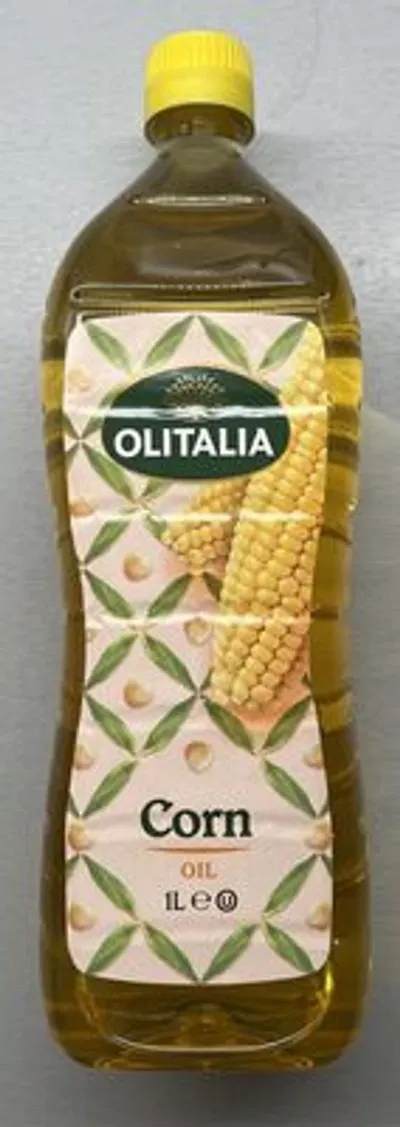
Edible oil offerings include a refined sunflower/soybean/olive blend (HS 1512.19), RBD coconut oil, canola oil, avocado oil and soybean oil, most of which are classified under HS chapter 15 for vegetable oils.
Are certifications such as ISO 22000 or HACCP available from this supplier?
The supplier’s profile does not list specific certifications; buyers should request copies of any ISO 22000, HACCP or USDA certifications before confirming an order.
What documentation is required for importing the listed soybean seeds?
Importers should obtain a phytosanitary certificate, a USDA certificate of origin and a Certificate of Analysis showing germination rate and moisture content, all aligned with HS code 1201.10.
What are the typical packaging formats for the oil products?
US exporters normally use 200 kg IBC containers or 1 000 L drums for refined oils, sealed to meet FDA food‑contact regulations and ready for container loading.
What are common minimum order quantities and lead times for the grain items?
Bulk grain orders are often set at a minimum of 20 metric tonnes per shipment, with lead times ranging from 2 to 4 weeks depending on harvest season and shipping schedule.
How are the sugar products graded and what standards apply?
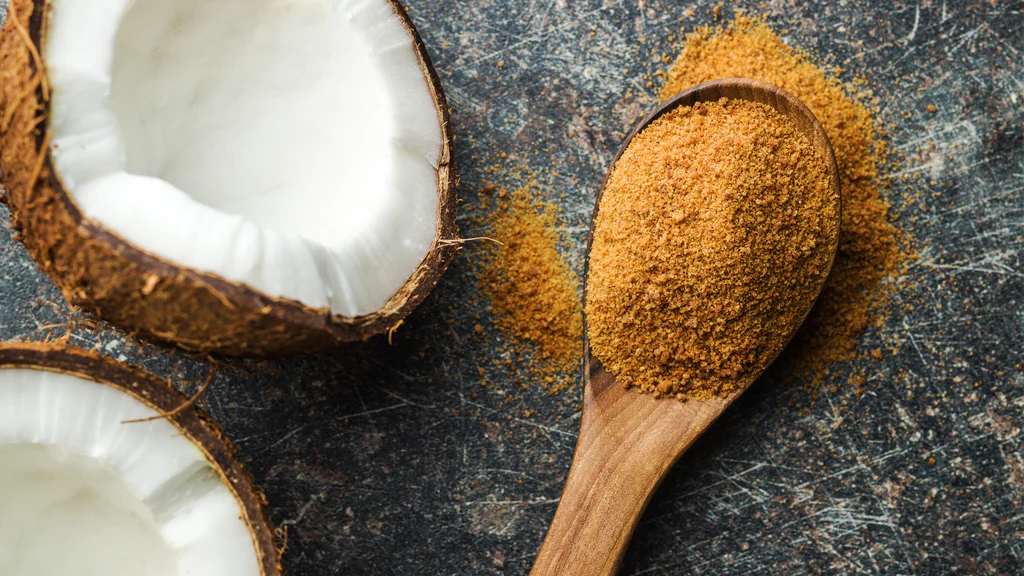
White and brown sugars are generally graded to ICUMSA 45‑50 specifications, with moisture below 0.1 % and ash content under 0.05 %, and are classified under HS code 1701.
What steps should a buyer take to verify product quality before shipment?
Buyers should request a pre‑shipment sample, a full Certificate of Analysis, and, if needed, an independent third‑party inspection report covering moisture, purity, pesticide residues and any applicable food safety standards.




 , United States