Sealand Enterprises Ltd. — Verified Supplier
About Sealand Enterprises Ltd. - Rice Supplier in Canada
Sealand Enterprises Ltd. is based in Canada and lists 23 active products across its catalogue. The supplier’s catalogue covers eight primary categories: Rice, Rapeseed Oil, Sunflower Oil, Coconut Oil, Sugar, Jatropha Oil, Palm Oil and Soybean Oil. Products include both crude and refined vegetable oils, several rice varieties sourced from Vietnam, and multiple sugar grades from Brazil and beet sugar. One product, Brazilian beet sugar, is recorded with HS code 1701.99 and described as refined white beet sugar (sucrose C12H22O11). The supplier’s classification is an imported tier with a harbor trust tier.
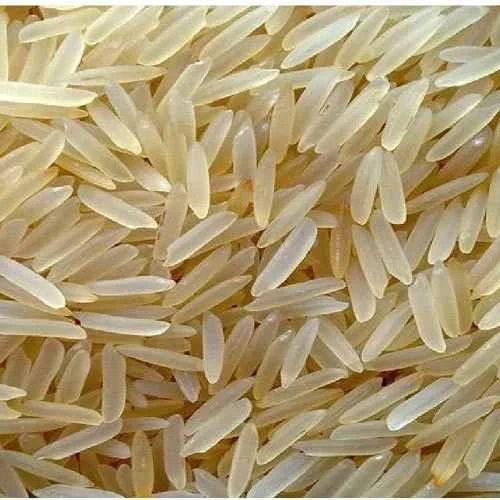
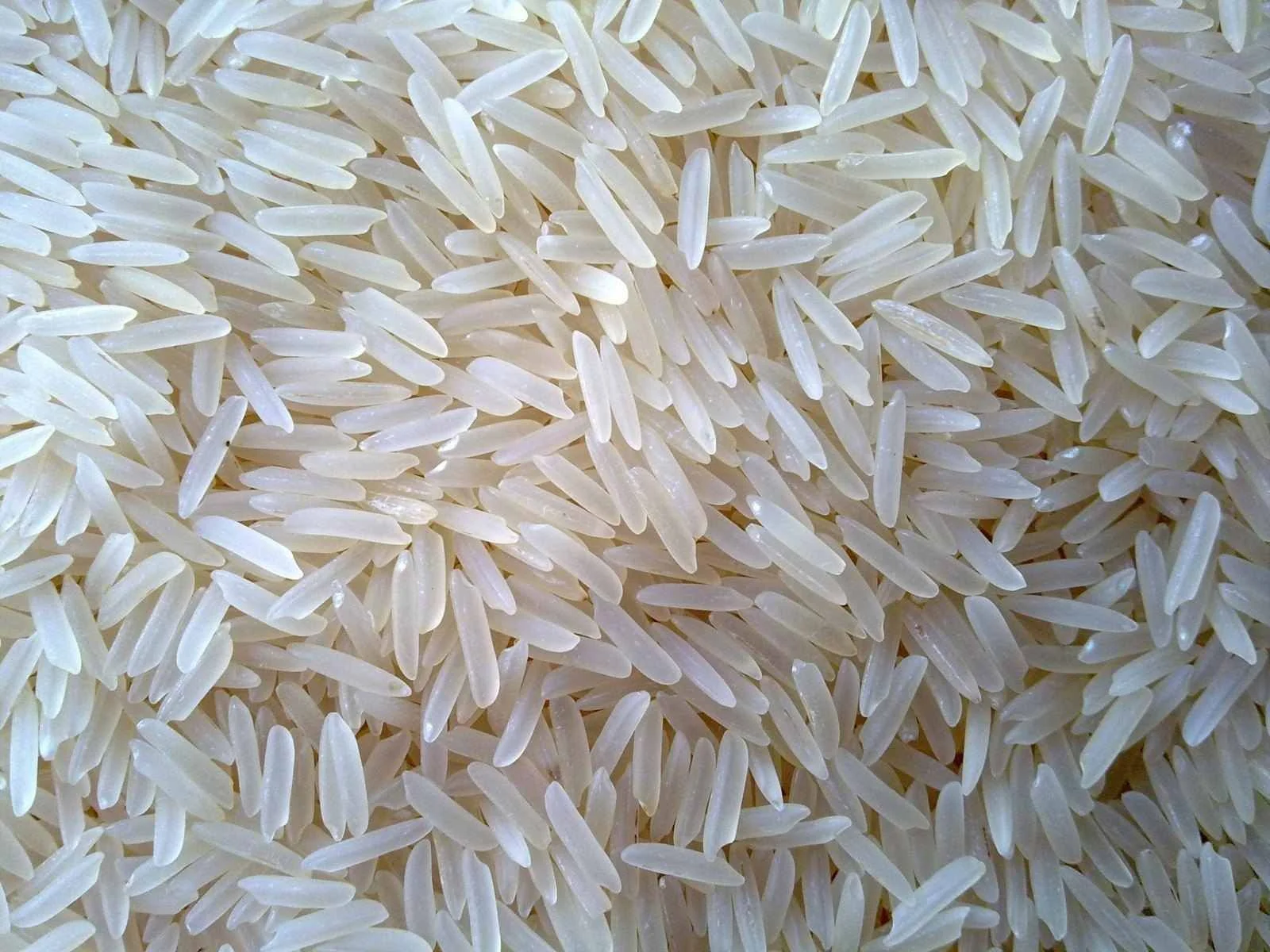
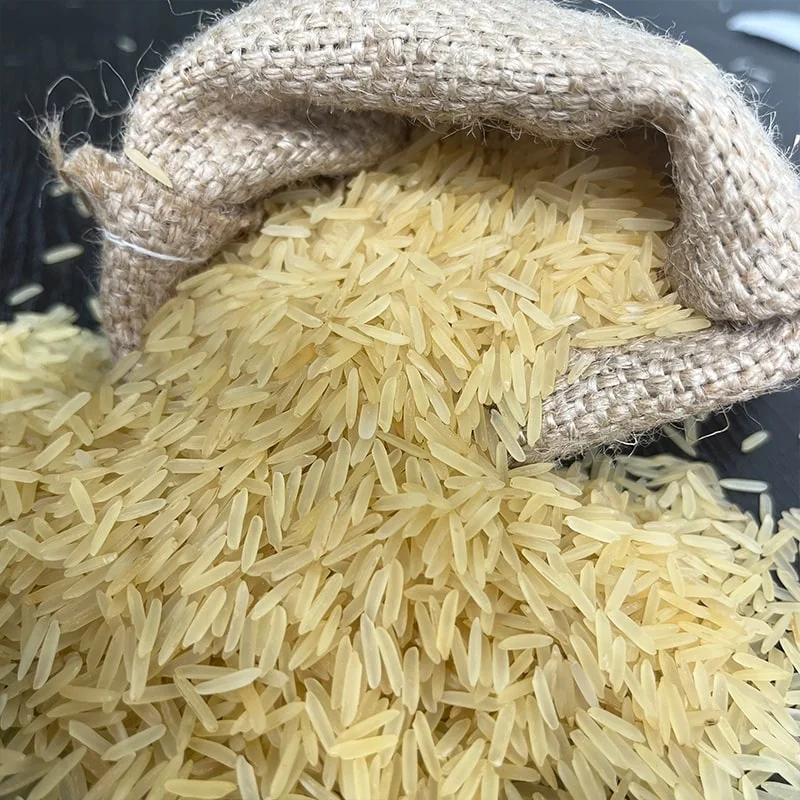
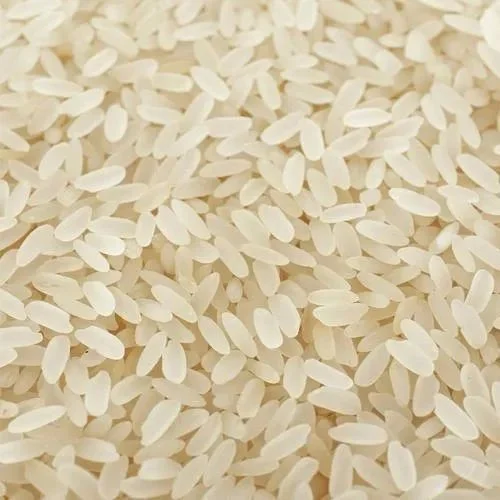
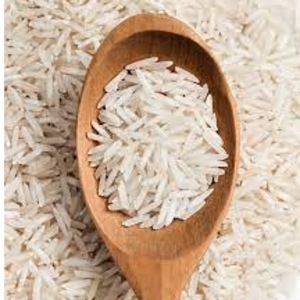
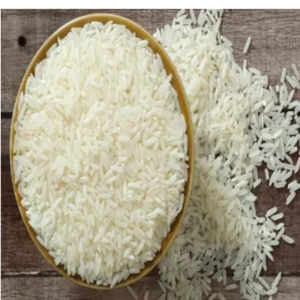
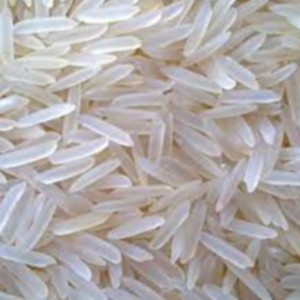
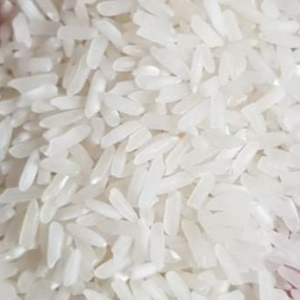
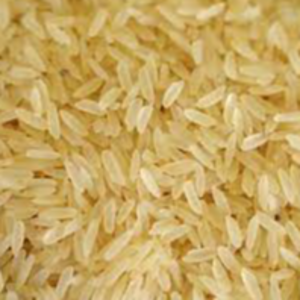
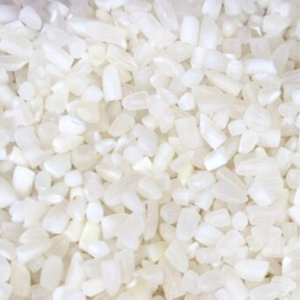
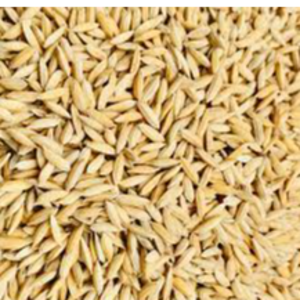
The oil list comprises crude degummed jatropha oil, crude and refined palm oil, refined palm olein, crude and refined rapeseed oil, crude and refined soybean oil, crude and refined sunflower oil, as well as biodiesel oil. The sugar entries include Brazil refined white ICUMSA 45 sugar, Brazil ICUMSA 1200 raw sugar, and the aforementioned Brazilian beet sugar. Rice offerings cover Vietnamese long grain white rice, jasmine rice (including a 100 % broken version), KDM rice and glutinous rice. Each product is identified by its standard commodity description without additional HS codes except the beet sugar entry.
Product Range and Specialties of Sealand Enterprises Ltd.
The catalogue’s oil segment features both crude and refined grades. In the global market, crude vegetable oils are typically evaluated by free‑fatty‑acid (FFA) levels below 1 % and moisture under 0.1 %, while refined oils commonly meet FFA ≤ 0.1 %, iodine value between 45 - 55 g I₂/100 g for palm olein, cloud point below 10 °C for rapeseed, and peroxide value under 2 meq O₂/kg. Buyers also look for specifications such as flash point, viscosity and sterol content, especially for biodiesel‑grade oils.
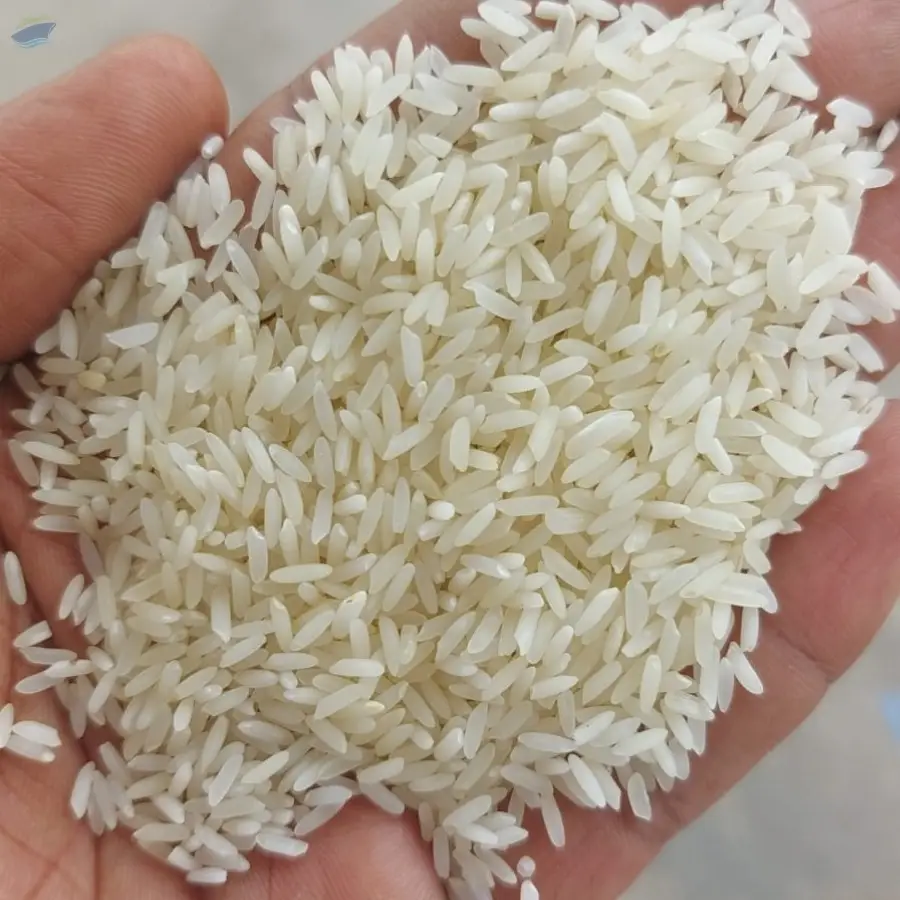
Rice from Vietnam is generally shipped with moisture content between 12 % and 14 % and broken grain percentages under 5 % for premium long‑grain or jasmine varieties. Glutinous and KDM rice often carry a milling degree of 78 % - 82 % and a head‑rice yield above 70 %. Sugar grades follow internationally recognised standards: ICUMSA 45 refined white sugar targets >99.8 % sucrose purity, moisture ≤0.04 % and ash ≤0.02 %; ICUMSA 1200 raw sugar allows higher ash and colour values but must still meet minimum sucrose content of 94 %.
Trade and Export Information - Sealand Enterprises Ltd.
Canada imports bulk vegetable oils and re‑exports them to markets in Southeast Asia, the Middle East and the European Union. Relevant HS‑code families include 1509 for soybean oil, 1515 for palm oil and palm olein, 1512 for rapeseed and sunflower oils, and 1513 for coconut oil. Typical buyers request food‑safety certifications such as HACCP, BRC or ISO 22000, and may also require phytosanitary certificates for rice shipments. Bulk shipments are usually packed in 20‑ft or 40‑ft containers, in wooden cases for oils (often 1 ton per drum) and in jumbo bags or bulk grain silos for rice, with Incoterms CIF or FOB most common.
Export logistics from Canada involve compliance with the Canada Border Services Agency and, for food products, the Canadian Food Inspection Agency’s import requirements. Importers often ask for analysis reports covering FFA, peroxide value, moisture and heavy‑metal limits for oils, as well as moisture, broken grain and pesticide residue reports for rice. Sugar shipments are subject to customs declarations under HS 1701 and may need a certificate of origin and a laboratory analysis confirming ICUMSA grade.
Sourcing from Sealand Enterprises Ltd. - Buyer Guidance
When sourcing from this supplier, buyers should request a recent Certificate of Analysis that lists FFA, iodine value, moisture and peroxide number for each oil batch. For rice, a moisture test result, broken‑grain percentage and a phytosanitary certificate confirming compliance with the destination country’s residue limits are standard documentation. Sugar buyers typically ask for an ICUMSA certificate, moisture and ash content results, and a statement of sucrose purity; the beet sugar entry already includes an HS code (1701.99) that helps verify tariff treatment.
Buyers are advised to confirm the minimum order quantity before placing an order - bulk oil contracts often start at 5 metric tonnes, while rice and sugar shipments usually have MOQs of 20 metric tonnes. Sample requests should specify the same specifications as the final purchase, and suppliers normally provide a small‑scale sample (e.g., 5 kg for oil, 25 kg for rice) under a paid sample agreement. Verify that any claimed certifications (e.g., HACCP, BRC) are current and applicable to the specific product batch before finalising the contract.
Frequently Asked Questions About Sealand Enterprises Ltd.
What types of vegetable oil does Sealand Enterprises Ltd. list and what are typical quality parameters?
The catalogue includes crude and refined grades of jatropha, palm, rapeseed, soybean and sunflower oil, plus biodiesel oil. Refined oils usually meet free‑fatty‑acid levels of ≤0.1 %, iodine values around 45 - 55 g I₂/100 g for palm olein, cloud points below 10 °C for rapeseed and peroxide numbers under 2 meq O₂/kg.
Are the Vietnamese rice varieties pre‑cleaned and what moisture levels are expected?
Vietnamese long‑grain, jasmine, KDM and glutinous rice are typically milled and pre‑cleaned before export. Standard moisture content for these rice types ranges from 12 % to 14 %, with broken‑grain percentages generally kept below 5 % for premium grades.
Which certifications should a buyer request for the oil and rice products?
Buyers should request food‑safety certificates such as HACCP, BRC or ISO 22000, as well as a current Certificate of Analysis for each batch. For rice, a phytosanitary certificate confirming compliance with pesticide‑residue limits is also customary.
What packaging formats are commonly used for bulk oil shipments?
Bulk vegetable oils are frequently shipped in 20‑ft or 40‑ft containers using 1‑ton steel drums or intermediate bulk containers (IBCs). The containers are sealed and labeled according to the HS code of the specific oil, and the shipment is usually quoted on CIF or FOB terms.
What is the HS code for the Brazilian beet sugar listed in the catalogue?
The Brazilian beet sugar product is recorded with HS code 1701.99, which falls under the broader heading for other sugars, raw, unrefined or partially refined, of beet origin.
What are typical minimum order quantities and lead times for refined palm oil?
Refined palm oil contracts commonly start at a minimum order of 5 metric tonnes. Lead times from order confirmation to shipment can range from 2 to 4 weeks, depending on vessel availability and customs clearance.
How are the sugar grades ICUMSA 45 and ICUMSA 1200 defined?
ICUMSA 45 refined white sugar must contain at least 99.8 % sucrose, with moisture ≤0.04 % and ash ≤0.02 %. ICUMSA 1200 raw sugar allows higher colour and ash values but requires a minimum sucrose content of about 94 % and moisture typically not exceeding 0.5 %.
Can I obtain product samples before placing a full order?
Yes, the supplier can provide small‑scale samples - usually 5 kg for oil and 25 kg for rice - after a paid sample agreement. Samples are shipped with accompanying test reports so buyers can verify that specifications meet their requirements.




 , Canada
.jpg.png)