Agriculture›
 Apparel and fashion accessories›
 Construction & real estate›💡Electronic & Electrical›🍎Food & Beverages›🛋️Home furnishing & supplies›⚗️Industrial goods & chemical›🪨Minerals & metals›📦Miscellaneous›Agriculture›Apparel and fashion accessories›Construction & real estate›💡Electronic & Electrical›🍎Food & Beverages›🛋️Home furnishing & supplies›⚗️Industrial goods & chemical›🪨Minerals & metals›📦Miscellaneous›

Provoke Fragrances
⚓ Harbor , United Arab EmiratesEst. 2019-01-01New supplier / no reviews yet
Provoke Fragrances Product Catalog
About Provoke Fragrances - Fragrances & Incense Supplier in United Arab Emirates
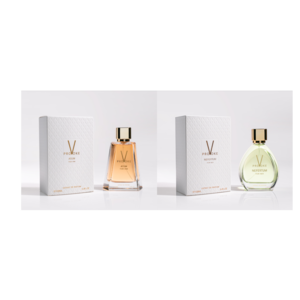
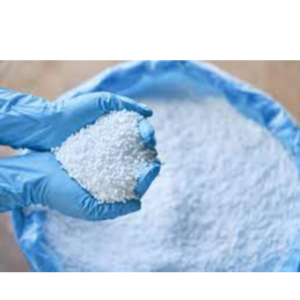
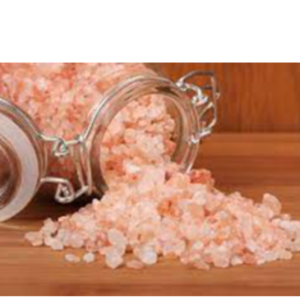
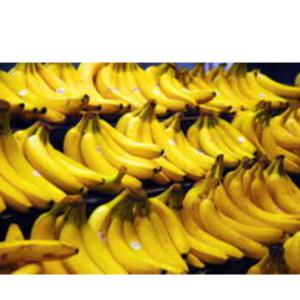
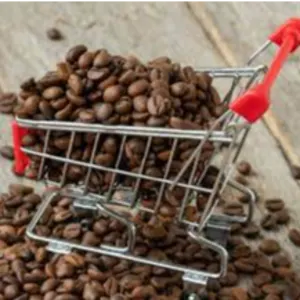
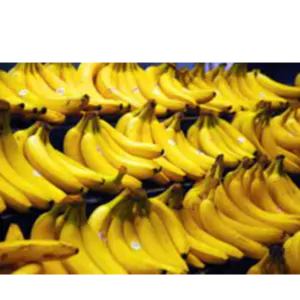
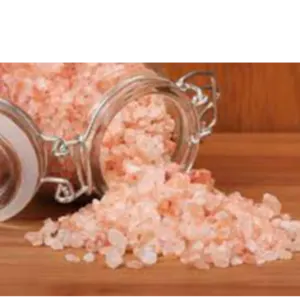
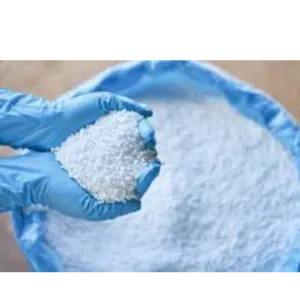
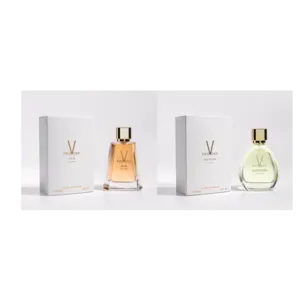
United Arab Emirates based in Dubai, Provoke Fragrances currently lists five distinct products in its catalogue. The catalogue includes a perfume under HS code 3303.00 composed of a fragrance oil blend with ethanol base and both natural and synthetic aromatic compounds. It also offers synthetic urea (HS 3102.10) containing 46 % nitrogen, a pink salt wine‑infused mineral product (HS 2501.00), fresh Cavendish or exotic bananas (HS 0803.90), and green Arabica coffee beans (HS 0901.11). These items fall under the broader categories of Fragrances & Incense, Fresh Jasmine, Lavender, Potpourri, Perfume Boxes, Aromatherapy Products, Perfumes and Urea as indicated in the supplier’s top categories. No additional product lines beyond these five are indicated in the supplied data.
Product Range and Specialties of Provoke Fragrances
The perfume is classified within HS chapter 33 which covers essential oils and perfumery preparations, and the material description specifies a blend of ethanol and aromatic compounds. In the fragrance industry, buyers typically look for IFRA‑compliant safety data sheets, GC‑MS analysis of the aromatic profile, and ethanol purity of at least 95 % by volume. The urea falls under HS chapter 31 for inorganic chemicals; standard agricultural grades require nitrogen content between 45 % and 48 % and are usually shipped in 25 kg polypropylene bags. Fresh bananas are exported under HS chapter 08 with quality grades based on size, firmness and sugar content, while green Arabica coffee beans under HS chapter 09 are graded by moisture (12‑13 %), screen size (17‑19 mm) and cupping score. The pink salt wine‑infused product is recorded under HS chapter 25 for edible salts, and buyers often request food‑grade certification and analysis of wine extract concentration.
Frequently Asked Questions About Provoke Fragrances
What HS codes apply to Provoke Fragrances' products?
The perfume is classified under HS 3303.00, the synthetic urea under HS 3102.10, the pink salt wine‑infused product under HS 2501.00, fresh bananas under HS 0803.90, and green Arabica coffee beans under HS 0901.11. These codes correspond to the internationally recognized tariff headings for each material type.
Which quality specifications are typical for the perfume blend?
Buyers usually request an IFRA‑compliant safety data sheet and a GC‑MS analysis that details the composition of natural and synthetic aromatic compounds. In addition, ethanol purity of at least 95 % by volume is a standard specification for perfumery preparations.
What standard certifications should be verified for the urea fertilizer?
Importers commonly require a certificate of analysis showing nitrogen content of 46 % and compliance with ISO 9001 quality management standards. Local agricultural regulations may also demand a fertilizer registration certificate specific to the destination market.
What phytosanitary documents are needed for the banana shipment?
A plant health certificate issued by the UAE Ministry of Climate Change and Environment and a phytosanitary certificate meeting the importing country’s regulations are standard requirements. These documents confirm that the fruit is free from quarantine pests and complies with residue limits.
What moisture content and grading are expected for the Arabica coffee beans?
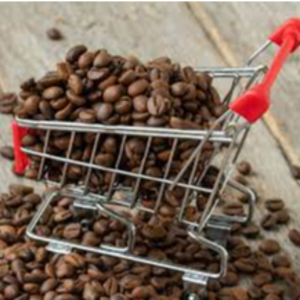
Green Arabica beans are typically graded with a moisture content between 12 % and 13 % and a screen size of 17 - 19 mm. Buyers also request a cupping score sheet and a certificate of origin to verify quality and provenance.
United Arab EmiratesRelated Suppliers & Products
Explore similar suppliers, related products and trending categories