Agriculture›
 Apparel and fashion accessories›
 Construction & real estate›💡Electronic & Electrical›🍎Food & Beverages›🛋️Home furnishing & supplies›⚗️Industrial goods & chemical›🪨Minerals & metals›📦Miscellaneous›Agriculture›Apparel and fashion accessories›Construction & real estate›💡Electronic & Electrical›🍎Food & Beverages›🛋️Home furnishing & supplies›⚗️Industrial goods & chemical›🪨Minerals & metals›📦Miscellaneous›
Sanap Exim India Pvt. Ltd Product Catalog

About Sanap Exim India Pvt. Ltd - Food Products Supplier in India
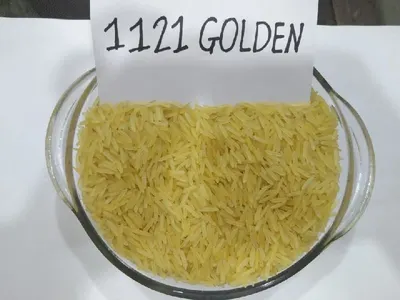
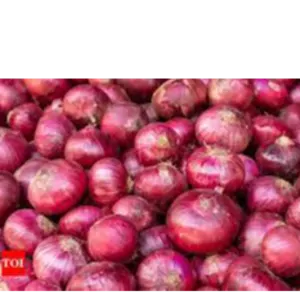
Sanap Exim India Pvt. Ltd is located in Pune, Maharashtra, India and currently lists ten active products in its export catalogue. The company’s portfolio covers fresh horticultural items such as red onion, potato, banana and coconut, as well as staple grains like Basmati rice. It also includes processed spice blends, individual chili varieties and traditional Indian sweets with detailed sub‑ingredients. A single entry for perfume and attar is recorded with HS code 9422332936, indicating a non‑food fragrance product. All items are presented without additional material specifications in the source data, but each belongs to a distinct HS‑code family used for customs clearance.
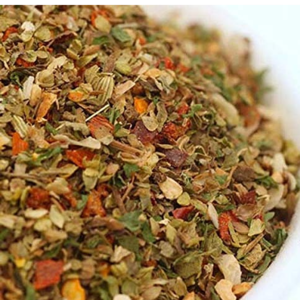
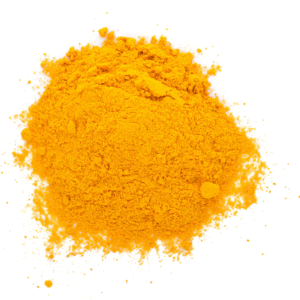
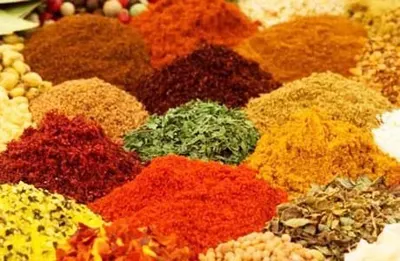
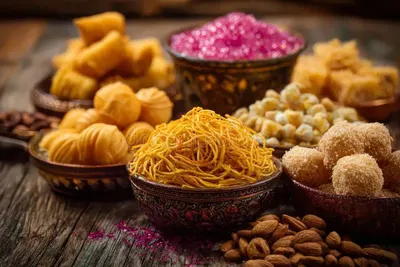
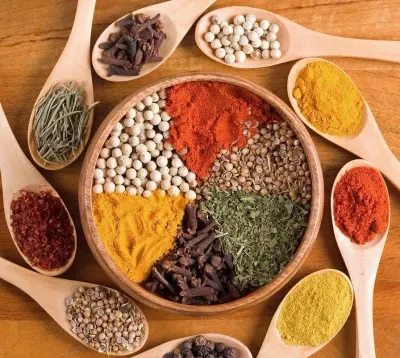
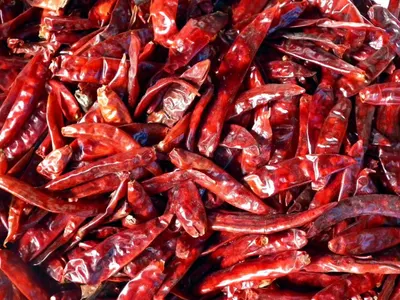
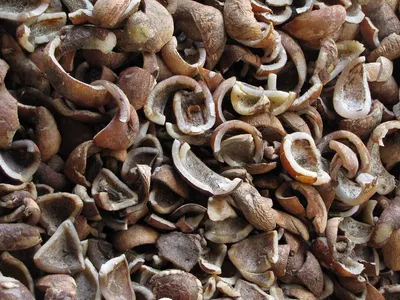
The catalogue enumerates Red Onion, Basmati Rice, Potato, Banana, Coconut, Chilli, a spice mix group (including Chilli Powder, Turmeric Powder, Garam Masala, Kitchen King Masala, Sabji Masala, Meat/Chicken Masala), traditional Indian sweets (Penelet Ladoo, Peanut or Sesame Chikki, Date Ladoo, Mixed Dry‑Fruit Ladoo, Amaranth Ladoo), specific Red Chili varieties (Byadgi, Guntur Sannam, Kashmiri, Teja, Dhaniya, Bhoot Jolokia) and a Perfume and Attar line. Each product is listed under its generic material field, with only the perfume entry providing an explicit HS code.
Product Range and Specialties of Sanap Exim India Pvt. Ltd
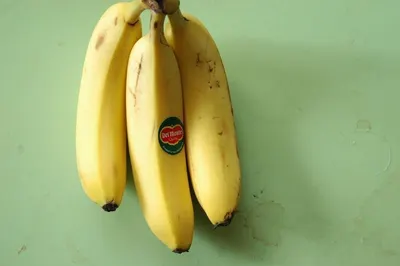
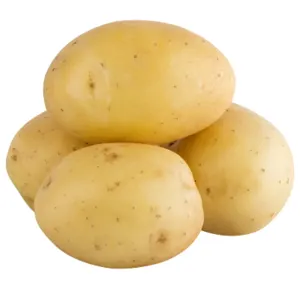
The fresh produce segment follows standard export specifications: red onions are typically sorted to IP‑Grade size 6‑8 mm with moisture below 10 %, potatoes are often graded to US No. 2 size 60‑80 mm and packed in 20 kg net bags, bananas are exported as Cavendish bunches weighing 15‑20 kg, and mature coconuts are shipped husked with a minimum kernel moisture of 45 %. Basmati rice exported from India usually meets the IRRI‑1 standard, with kernel length 6.5‑7.5 mm, moisture ≤13 % and broken grain ≤2 %. Spice blends and individual chili powders are normally screened to ≤12 % moisture, ≤30 ppm total ash and meet the IS 1560 purity criteria; the listed varieties such as Byadgi or Kashmiri often carry capsaicin levels between 0.05‑0.10 % for culinary use. Traditional Indian sweets are produced under food‑grade HACCP conditions; typical packaging is airtight poly‑propylene trays of 500 g to 1 kg. The perfume and attar entry falls under HS chapter 94, where fragrance oils are commonly packed in glass bottles of 30‑100 ml with tamper‑evident seals.
Frequently Asked Questions About Sanap Exim India Pvt. Ltd
What fresh produce items does Sanap Exim India Pvt. Ltd export?
The catalogue lists red onion, potato, banana and coconut, each shipped in standard export packaging such as 20 kg net bags for onions and potatoes, 15‑20 kg banana bunches and husked coconuts in bulk crates.
Which rice variety is offered and what are its export specifications?
Basmati rice is the sole grain product, typically meeting the IRRI‑1 export standard with kernel length 6.5‑7.5 mm, moisture ≤13 % and broken grain ≤2 %.
What spice products are included and how are they described?
The spice line comprises Chilli Powder, Turmeric Powder, Garam Masala, Kitchen King Masala, Sabji Masala and Meat/Chicken Masala, all listed under the generic material field and classified under HS 0905.
Are specific chili varieties available and what are they?
Yes, the supplier lists Byadgi (Karnataka), Guntur Sannam (Andhra Pradesh), Kashmiri, Teja (Andhra Pradesh), Dhaniya (Manipur) and Bhoot Jolokia (Assam/Nagaland) under the Red Chili product.
What documentation should a buyer request for the perfume and attar product?
Buyers should ask for the HS code 9422332936 on the invoice, a safety data sheet (SDS), and any relevant REACH or FDA voluntary registration information.

 Pune, India
Related Suppliers & Products
Explore similar suppliers, related products and trending categories