Priyang Shethia — Verified Supplier
About Priyang Shethia - Apparel Supplier in India
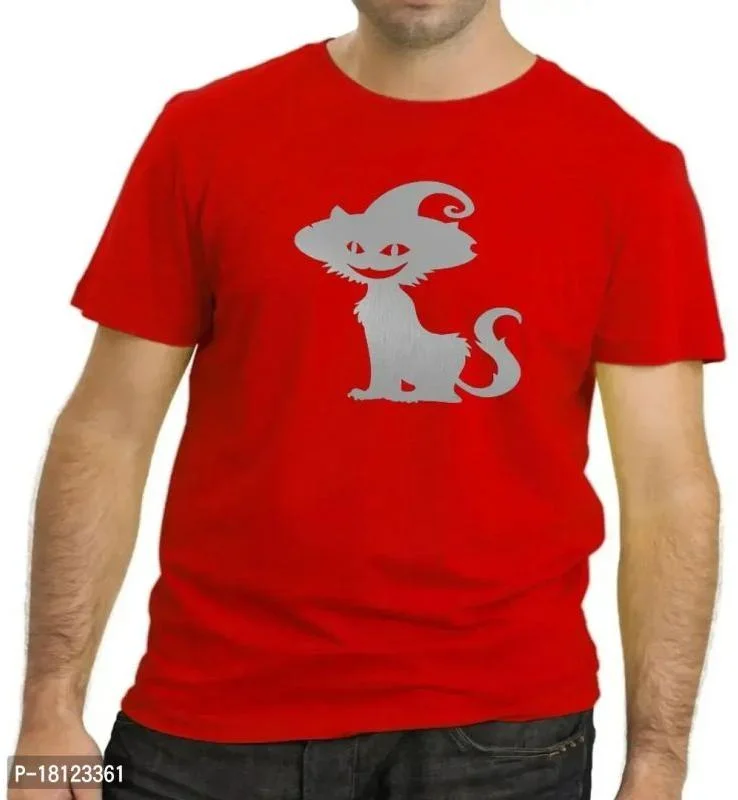
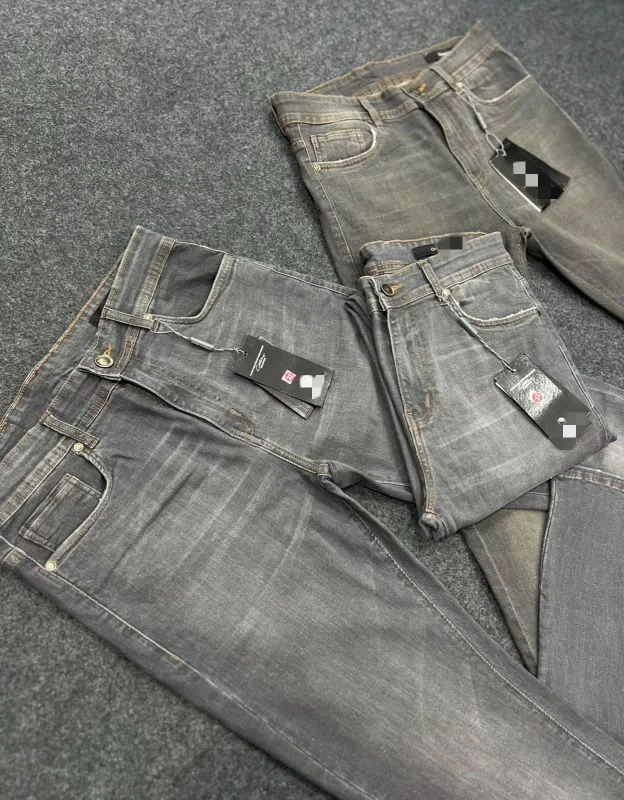
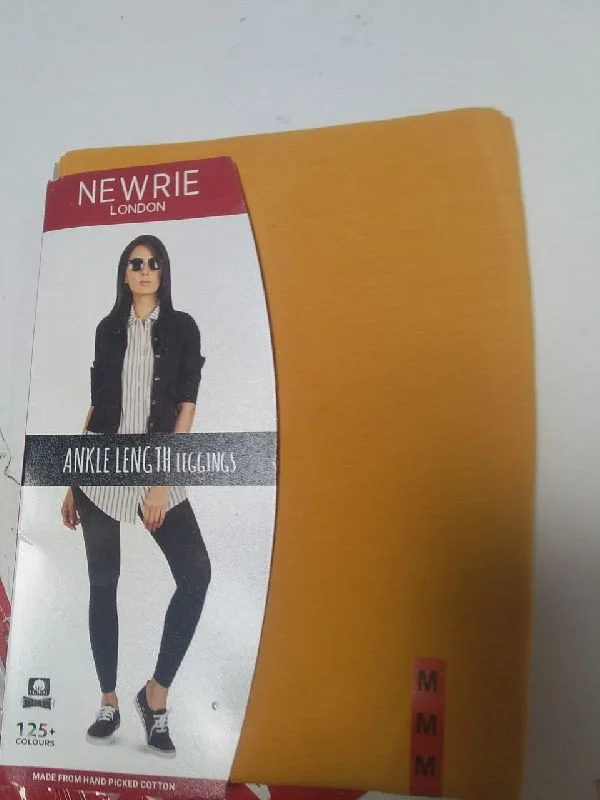
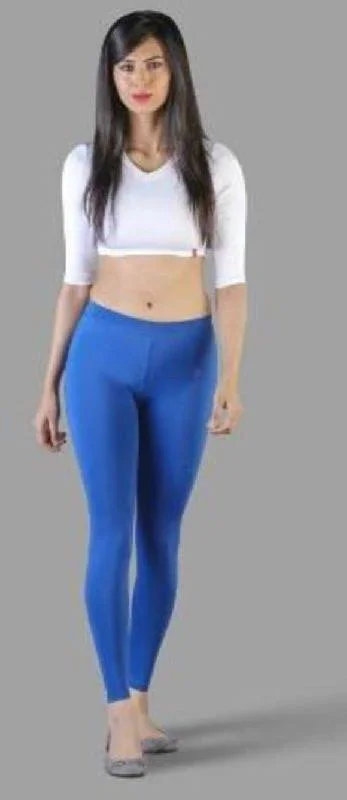
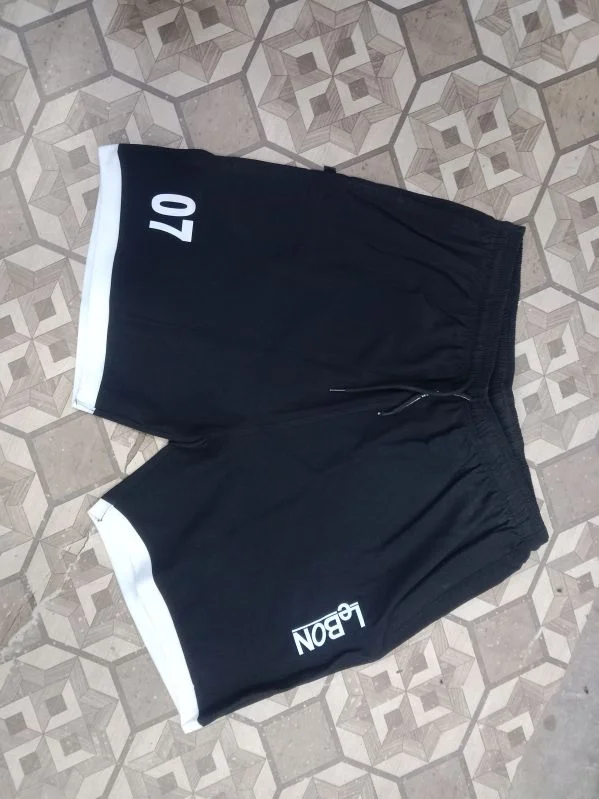
India is the origin country for Priyang Shethia, which currently lists five active products in its catalogue. The supplier’s portfolio focuses on apparel, covering jeans and denim wear, shirts and T‑shirts, and other ladies’ dresses as indicated by its top categories. The five products presented are Leggings, Men Shirts, Ladies Night Suits, Jeans, and Men Trousers. Each item falls under the broader HS Chapter 62 for made‑up textile articles. The catalogue does not include additional product lines beyond these five items.
The listed jeans belong to the denim wear segment, while the Men Shirts and Men Trousers address the shirts & T‑shirts and casual trouser markets respectively. Ladies Night Suits and Leggings represent the other ladies dresses and active‑wear sub‑segments. All products are manufactured for export and are described using standard garment terminology such as cut, fit and fabric composition. The supplier is classified in the “harbor” trust tier, indicating a moderate level of verification on the platform. No further product specifications are provided in the source data.
Product Range and Specialties of Priyang Shethia
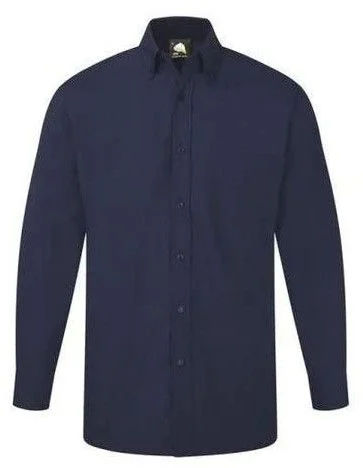
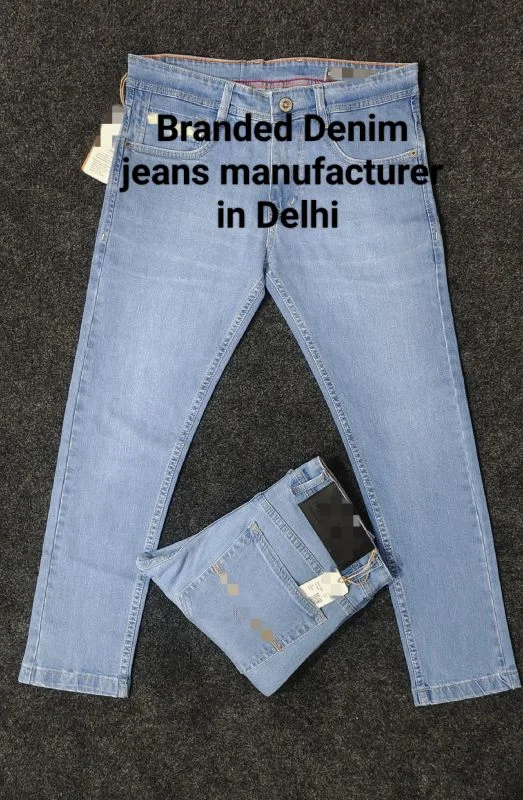
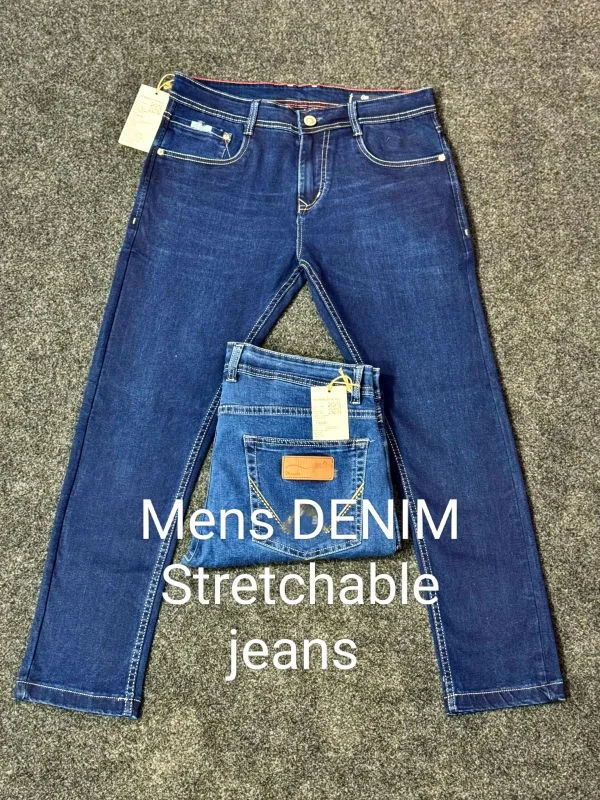
Priyang Shethia’s catalogue includes denim jeans that typically conform to 12 - 14 oz (≈400 - 475 g m‑2) cotton twill weight, with a common 100 % cotton composition or a cotton‑elastane blend for stretch. Men’s shirts are usually offered in 130 - 150 gsm plain‑weave cotton or cotton‑polyester blends, featuring standard collar types and button‑down fronts. Men’s trousers often use twill fabrics in the 180 - 210 gsm range, with a typical inseam of 32 inches (≈81 cm). Leggings are commonly produced from a polyester‑spandex mix, frequently 80 % polyester and 20 % spandex, providing a four‑way stretch and a fabric weight of 250 - 300 gsm. Ladies Night Suits are generally cut from lightweight jersey or crepe fabrics, with a typical weight of 180 - 220 gsm and may include modesty linings.
Standard industry packaging for these garments includes poly‑bagging of 50 - 70 units per 40 ft container for shirts and trousers, while denim jeans are often packed in bulk cardboard boxes of 30 pairs each. Size ranges in the Indian export market usually cover XS to XXL for shirts and trousers, and waist sizes 28 - 38 inches for jeans. Buyers frequently request material certificates, fabric composition test reports, and colour fastness results before confirming orders.
Trade and Export Information - Priyang Shethia
Indian apparel exporters such as Priyang Shethia typically ship under HS Chapter 62, with sub‑headings 6203 for men’s suits and trousers, 6204 for women’s dresses, and 6205 for jeans. Major import destinations include the United States, European Union members, and the Middle East, where demand for cotton‑based casual wear remains strong. Export shipments are commonly arranged on FOB Mumbai or FOB Chennai, with buyers arranging ocean freight in 20 ft or 40 ft containers depending on order volume.
Buyers importing these garments often require compliance with standards such as ISO 9001 for quality management, Oeko‑Tex Standard 100 for harmful substance testing, and, where applicable, the US CPSIA or EU REACH regulations for textile safety. Typical documentation includes a commercial invoice, packing list, certificate of origin, and a test report confirming fabric composition and colour fastness. Freight forwarders usually advise container loading plans that respect the 23 kg per cubic meter weight limit for packed garments.
Sourcing from Priyang Shethia - Buyer Guidance
When sourcing from Priyang Shethia, buyers should request a pre‑production sample that includes the exact fabric weight, composition and colour specified in the order. Verification of size charts, seam allowances and stitching quality can be confirmed through a lab‑issued garment inspection report, which is standard practice for apparel sourced from India.
Relevant certifications such as Oeko‑Tex or ISO 9001 should be asked for in advance; if the supplier does not hold them, the buyer may require an independent third‑party audit. It is also prudent to confirm the packaging method - poly‑bagged units in reinforced cardboard boxes - and the incoterm (e.g., FOB) before finalising the purchase agreement.
Frequently Asked Questions About Priyang Shethia
What product categories are listed by Priyang Shethia?
The supplier lists five apparel items: Leggings, Men Shirts, Ladies Night Suits, Jeans, and Men Trousers, which fall under the broader categories of denim wear, shirts & T‑shirts and other ladies dresses.
Which HS chapter do these products belong to?
All listed garments are classified under HS Chapter 62, which covers made‑up textile articles, with sub‑headings such as 6203 for men’s shirts and trousers, 6204 for ladies’ dresses, and 6205 for jeans.
What typical fabric specifications should a buyer expect for the jeans?
Indian denim exporters usually provide jeans in a weight of 12 - 14 oz (≈400 - 475 g m‑2), made from 100 % cotton or a cotton‑elastane blend for stretch, with a standard waist range of 28 - 38 inches.
How are the shirts and trousers commonly packaged for shipment?
Shirts and trousers are generally poly‑bagged and placed in bulk cardboard boxes, with about 50 - 70 units per box, allowing efficient loading into 20 ft or 40 ft containers.
Which certifications are commonly required for these garment categories?
Buyers typically request Oeko‑Tex Standard 100 for harmful substance testing, ISO 9001 for quality management, and may also need compliance documentation for US CPSIA or EU REACH depending on the destination market.
What documentation should accompany an export shipment from India?
Standard export paperwork includes a commercial invoice, packing list, certificate of origin, and a fabric composition or colour‑fastness test report, along with the chosen Incoterm such as FOB Mumbai.
What is a reasonable lead time for a sample and full order?
A pre‑production sample can be prepared within 7 - 14 days, while a full production run for the five listed items typically requires 30 - 45 days after sample approval, depending on order volume and container availability.




 , India