Plancom Import and Export Company Limited — Supplier
About Plancom Import and Export Company Limited - Diverse Supplier in Viet Nam
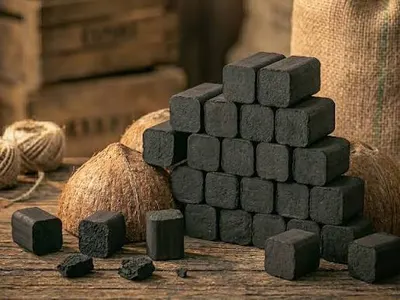
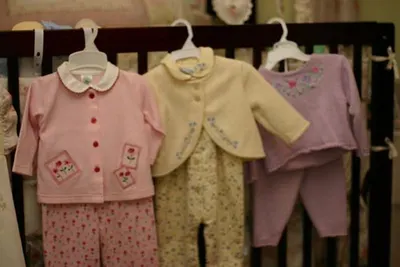
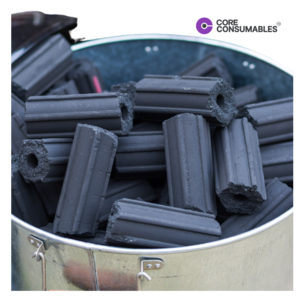
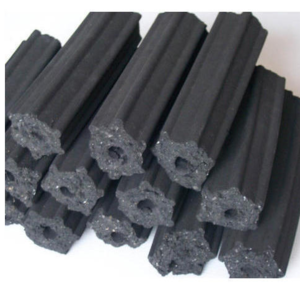
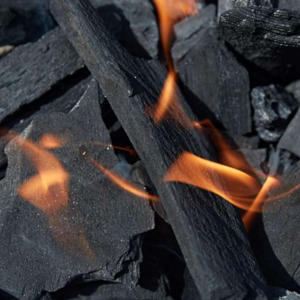
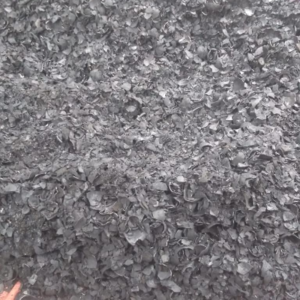
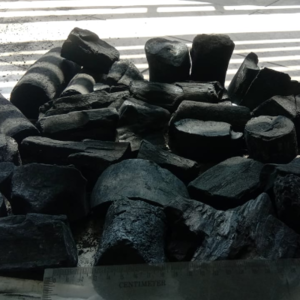
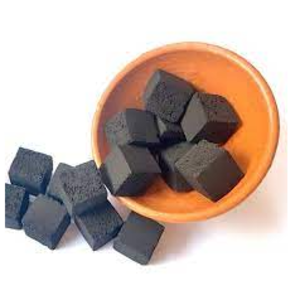
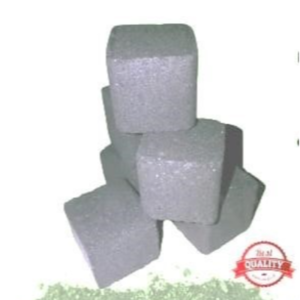
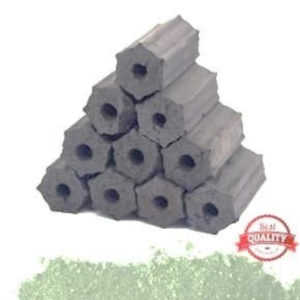
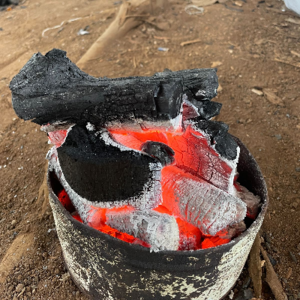
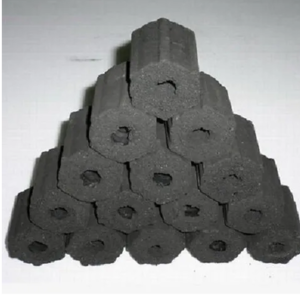
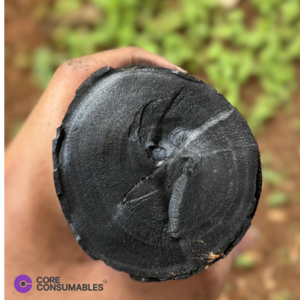
Plancom Import and Export Company Limited is based in Viet Nam and currently lists seven active products across its catalogue. The listed items include coconut shell charcoal, hardwood charcoal, rice husk pellets, wood pellets, Robusta coffee, Arabica coffee, and children’s clothing. The company classifies these under top categories such as Coconut Shell Charcoal, Children Clothing and Accessories, Agriculture Products, Arabica Coffee, and Chemicals & Allied Products. Each product appears as a distinct entry in the catalogue without further sub‑variants. The supplier is recorded as an imported tier with a harbor trust tier.
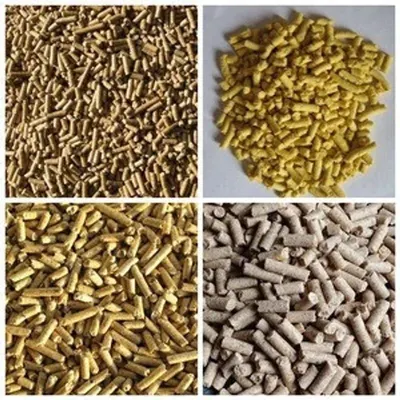
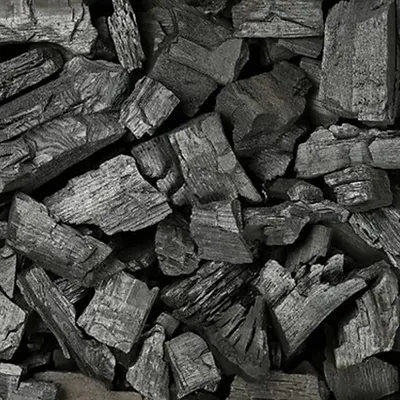
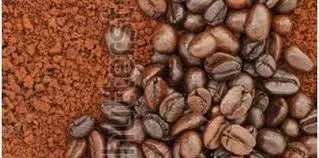
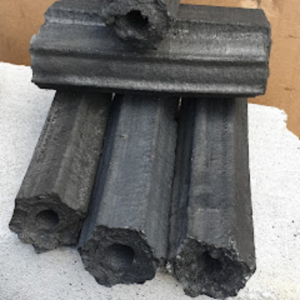
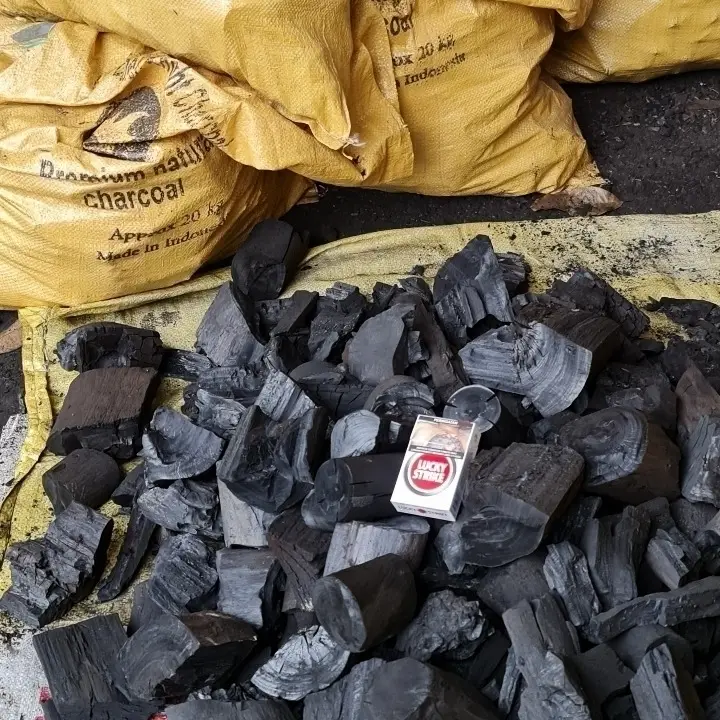
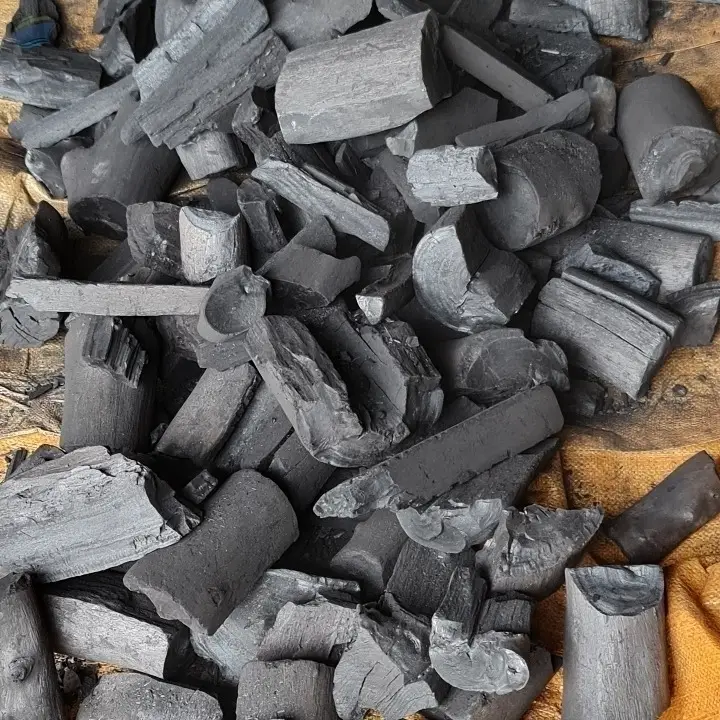
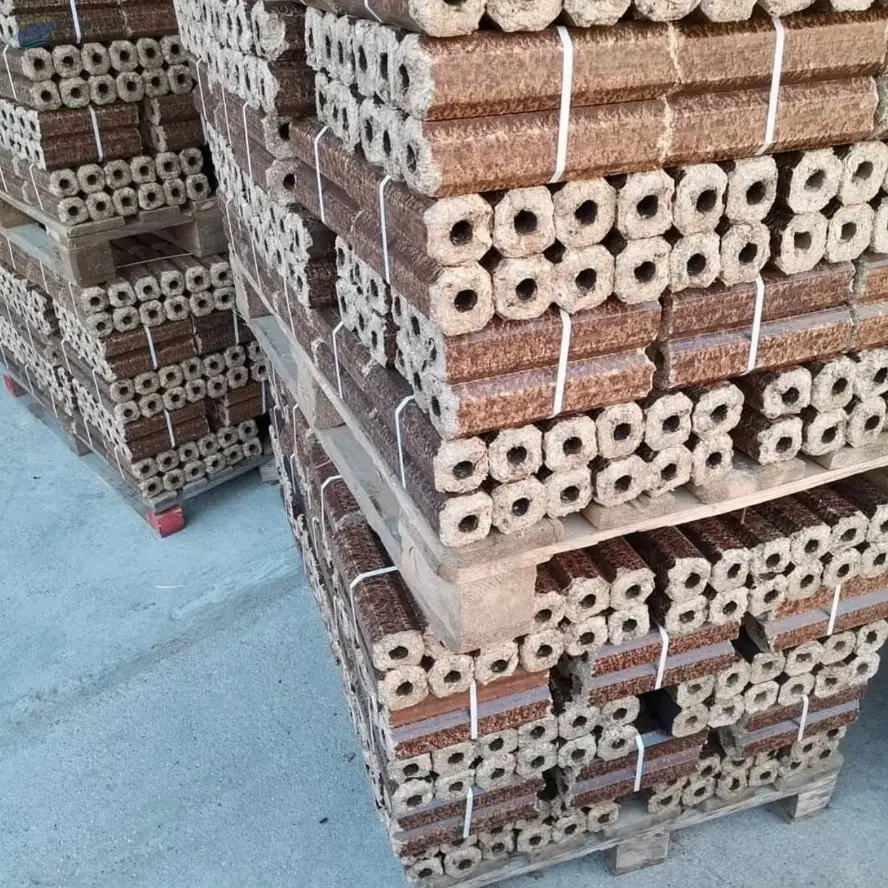
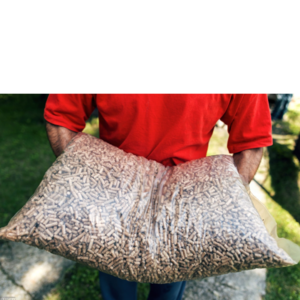
The coconut shell charcoal entry falls under the broader charcoal segment, while the hardwood charcoal entry expands the range to timber‑derived fuel. The coffee entries differentiate between Robusta and Arabica beans, reflecting common market distinctions. The children’s clothing entry represents apparel items for the youth segment. The remaining two entries, rice husk pellets and wood pellets, belong to the biomass pellet category used for industrial heating. No HS codes are supplied in the provided data, so the description relies on the product names and categories alone.
Product Range and Specialties of Plancom Import and Export Company Limited
Plancom’s catalogue covers four charcoal‑related products, two coffee beans and a children’s apparel line. In the charcoal market, coconut shell charcoal is valued for high carbon content (typically >95 % fixed carbon) and low ash (under 5 %), while hardwood charcoal is commonly used for grilling and industrial heating with moisture limits below 10 %. Rice husk and wood pellets are usually produced in 6‑12 mm diameters, have bulk densities of 600‑800 kg m³ and moisture contents under 10 %, making them suitable for boiler fuel. Arabica coffee is generally graded AA to A, with bean size ≥17 mm and moisture around 11‑12 %, whereas Robusta beans are often graded “Robusta A” with similar moisture limits but higher caffeine content. Children’s clothing typically consists of cotton or polyester blends and must meet safety standards such as EN71, CPSIA lead‑metal limits and Oeko‑Tex Standard 100 for textile safety.
Trade and Export Information - Plancom Import and Export Company Limited
Vietnam is a recognized exporter of charcoal, coffee beans and biomass pellets, with the majority of shipments destined for the European Union, United States, Japan and regional Asian markets. Charcoal products fall under HS chapter 44 (e.g., HS 4401 for charcoal and HS 4403 for wood pellets), coffee under HS 0901, and children’s garments under HS 6203. Importers usually require quality management certification such as ISO 9001, and for wood‑based fuels a forest‑management certification like FSC or PEFC is common. Typical export logistics involve FOB Ho Chi Minh City or CIF terms to European ports, with 20‑ft containers used for bulk pellets and 40‑ft containers for coffee bags. Regulatory checks often include phytosanitary certificates for coffee and safety test reports for children’s apparel.
Sourcing from Plancom Import and Export Company Limited - Buyer Guidance
When sourcing charcoal or pellets from Plancom, buyers should request moisture and ash analysis reports, calorific value data and, where relevant, FSC or PEFC forest‑management certificates. For coffee, a moisture content test, cupping score sheet and any organic or fair‑trade certification should be verified before contract signing. Children’s clothing buyers need to obtain EN71 safety test results, Oeko‑Tex Standard 100 certificates and a declaration of compliance with CPSIA limits on heavy metals. Typical minimum order quantities are 500 kg for charcoal and pellets, 200 kg for coffee beans and 500 pieces per clothing style, with lead times of 30‑45 days after order confirmation. Documentation such as a commercial invoice, certificate of origin and, where required, a phytosanitary certificate should be prepared for customs clearance.
Frequently Asked Questions About Plancom Import and Export Company Limited
What types of charcoal does Plancom supply?
Plancom lists coconut shell charcoal, hardwood charcoal, rice husk pellets and wood pellets. These products are typically classified under HS chapter 44 (e.g., HS 4401 for charcoal and HS 4403 for wood pellets) and are used for fuel, water filtration and industrial heating.
Which coffee varieties are available from Plancom?
The catalogue includes Robusta coffee and Arabica coffee. Buyers usually receive beans graded by size and cup quality, with moisture limits around 12 % and common certifications such as ISO 22000 or organic if applicable.
Does Plancom offer children’s apparel?
Yes, the supplier lists children’s clothes under the “Children Clothing and Accessories” category. Typical compliance checks for this segment include EN71 safety testing, CPSIA limits on heavy metals, and Oeko‑Tex Standard 100 for textile safety.
What packaging formats are used for the charcoal and pellet products?
Charcoal is commonly packed in 25 kg polypropylene bags, while rice husk and wood pellets are shipped in 1‑ton bulk bags or 20‑ft containers. Standard export practice from Vietnam follows FOB Ho Chi Minh City or CIF European ports.
What documentation should a buyer request before purchasing coffee?
Buyers should ask for a moisture analysis, a cupping score report, and any relevant phytosanitary or organic certificates. A commercial invoice and a certificate of origin are also standard for customs clearance.
Are there typical minimum order quantities for Plancom’s products?
Minimum orders are generally set by product type; charcoal and pellets often start at 500 kg per SKU, coffee beans at 200 kg, and children’s clothing at 500 pieces per style. Lead times reported by Vietnamese exporters range from 30 to 45 days after order confirmation.
Which markets does Plancom primarily export to?
While the supplier’s target markets are not listed, Vietnamese exporters of charcoal and coffee commonly serve the European Union, United States, Japan and South‑East Asian countries. Importers in these regions typically require compliance with ISO 9001 quality management and, for wood products, FSC or PEFC forest‑management certification.




 , Viet Nam