Core Consumables — Verified Manufacturer & Wholesale Supplier

About Core Consumables - Cleaning & Hygiene Supplier in India

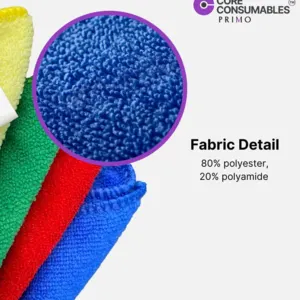
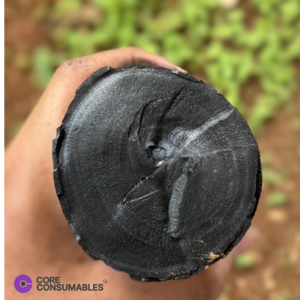
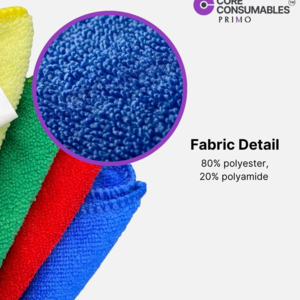
Mumbai, India hosts Core Consumables, which currently lists five active products across cleaning, waste management and charcoal categories. The catalogue groups items under HS‑code families 6307 (textile accessories), 3923 (plastic bags), 6305 (woven textile bags) and 4402 (charcoal products), reflecting a mix of polymer‑based and natural‑material goods. Each entry specifies material composition, such as a microfiber cloth of 80 % polyester and 20 % polyamide, and a range of LDPE, polypropylene and hardwood or coconut‑shell raw inputs. The company’s focus on commercial, retail, hospitality and logistics sectors is evident from the product mix, which includes disposable garbage bags, bulk FIBC sacks and various charcoal forms.

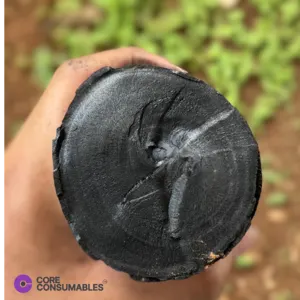
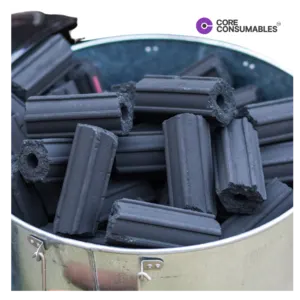
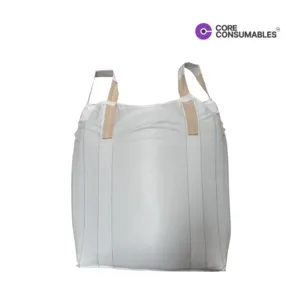
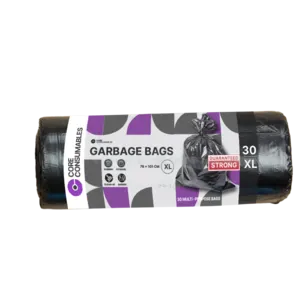
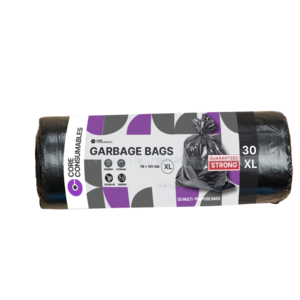
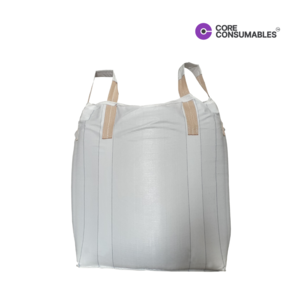
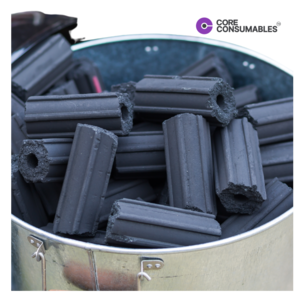
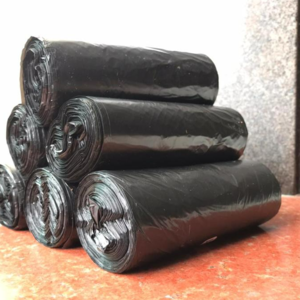
The listed items comprise a microfiber cleaning cloth (HS 63079099), Primo garbage bags made from low‑density polyethylene (HS 3923.29), woven polypropylene FIBC bulk bags (HS 6305.32), hexagonal coconut‑shell charcoal briquettes (HS 4402.90) and hardwood lump charcoal (HS 4402.10). No additional product lines are mentioned beyond these five entries, and the catalogue does not cite any certifications held by the supplier.

Product Range and Specialties of Core Consumables

Core Consumables’ catalogue features a microfiber cloth typically graded by GSM (grams per square metre) and fiber denier, with common industry specifications ranging from 200 gsm to 350 gsm for cleaning applications. LDPE garbage bags are usually supplied in thicknesses from 30 µm to 90 µm, with load‑bearing capacities measured in kilograms per bag and often tested for puncture resistance. The polypropylene FIBC bulk bags fall under ISO 21898 standards, commonly available in 500 kg to 2 000 kg capacities, with woven fabric weights of 180 g/m² to 250 g/m² and UV‑stabilised yarns for durability. Coconut‑shell charcoal briquettes are generally produced to a moisture content below 10 % and an ash content under 5 %, delivering calorific values around 7 500 kcal/kg, while lump hardwood charcoal is graded by carbon content (typically 70‑80 %) and size distribution (10‑30 mm). These industry benchmarks help buyers compare the supplier’s products against standard performance metrics.

trade=[

Trade and Export Information - Core Consumables

India is a major exporter of polymer‑based packaging and natural charcoal, with shipments frequently destined for the Middle East, Africa, Europe and Southeast Asian markets. HS 6307 textile accessories and HS 6305 woven bags are subject to customs inspections that verify material composition and weight tolerances, while HS 3923 plastic bags often require compliance with REACH and local fire‑safety standards. Charcoal products under HS 4402 are commonly inspected for moisture, ash and calorific values, and many importers request phytosanitary certificates for natural charcoal to prevent pest contamination. Buyers typically look for ISO 9001 quality‑management certification for polymer products and FSC or similar sustainability certifications for charcoal, although such certificates must be confirmed with the supplier. Standard export logistics involve 20‑ft or 40‑ft containers for bulk bags and charcoal, with CIF terms frequently used for overseas delivery.

buyer=[

Sourcing from Core Consumables - Buyer Guidance

When sourcing from Core Consumables, buyers should request material safety data sheets (MSDS) for the LDPE bags and polypropylene FIBCs, as well as test reports confirming tensile strength (minimum 200 N for FIBCs) and tear resistance for the woven bags. For the microfiber cloth, a fabric specification sheet detailing GSM, lint‑free rating and dimensional stability is standard, while charcoal buyers normally ask for moisture‑content certificates, calorific value analysis and batch‑wise ash content reports. It is prudent to verify any claimed ISO or sustainability certifications directly with the supplier and to obtain sample units before committing to full container loads. Typical order sizes start at one full 20‑ft container for bulk bags or charcoal, with lead times ranging from 30 to 45 days depending on material availability.

faq=[{

Frequently Asked Questions About Core Consumables

What product categories does Core Consumables list in its catalogue?

The catalogue includes a microfiber cleaning cloth (HS 63079099), LDPE garbage bags (HS 3923.29), woven polypropylene FIBC bulk bags (HS 6305.32), coconut‑shell charcoal briquettes (HS 4402.90) and hardwood lump charcoal (HS 4402.10).

Which HS codes are associated with the listed products?

The microfiber cloth is under HS 63079099, the garbage bags under HS 3923.29, the FIBC bulk bags under HS 6305.32, the coconut‑shell charcoal briquettes under HS 4402.90 and the hardwood lump charcoal under HS 4402.10.

What material composition should I expect for the microfiber cloth?

The cloth is composed of 80 % polyester and 20 % polyamide, a blend typical for absorbent, lint‑free cleaning textiles.

Are there standard certifications buyers usually request for these product types?

Buyers often request ISO 9001 for polymer packaging, REACH compliance for LDPE bags, ISO 21898 for FIBCs, and moisture‑content or FSC certificates for charcoal products.

What are typical minimum order quantities for the bulk bags and charcoal?

FIBC bulk bags are commonly ordered in full‑container loads of 1 000 to 2 000 bags per 20‑ft container, while charcoal is usually shipped in bulk quantities of 10 tonnes per container.

What documentation is advisable to obtain before purchasing?

Request material safety data sheets, tensile‑strength test reports for FIBCs, moisture and calorific‑value certificates for charcoal, and a fabric specification sheet for the microfiber cloth.

What packaging formats are used for shipping the listed items?

Garbage bags and microfiber cloths are typically packed in cardboard cartons, FIBC bulk bags are shipped as standalone sacks loaded into containers, and charcoal briquettes or lumps are bagged in woven polypropylene sacks suitable for bulk handling.

Which regions commonly import these Indian‑origin products?

Export destinations frequently include the Middle East, Africa, European Union countries and Southeast Asian markets, reflecting regional demand for cleaning supplies, waste‑management bags and charcoal fuel.


Featured Products from Core Consumables

Other Suppliers in Food Bags

Top Trusted Suppliers

Related Products in Food Bags

Trending in Parent Category

More Suppliers in Parent Category

Related Products

Other Suppliers

EximNext
58.4K+ live requirements
Register Free🎁 5 free buy-lead credits
Post Requirement
🌍 Trusted by 224.4K+ businesses in 200+ countries|
58.4K+ active requirements right now
✉️ [email protected]
|
Sell on EximNextPost Requirement
EximNext
AgricultureApparelConstructionElectronicFoodHomeIndustrialMineralsMiscellaneous
🔥 Deals|✨ AI Match|🏭 Suppliers|📋 Buy Leads|💰 Trade Finance|⭐ Upgrade
58.4K+ live RFQs·194.4K+ suppliers
🎁 5 free credits →
EximNext
EximNext
Register Free
🎁 5 free buy-lead credits
Sign In
📋Post Requirement💬Get QuotesAI Match📋RFQ Marketplace
All Categories
Services & Tools
🏭Supplier Directory🔥Today's Deals💰Trade FinanceMembership
Sell on EximNext
AboutContactBlogHelp
🏭

Core Consumables

🚢 Voyage
Country flag Mumbai City, IndiaEst. 2021-01-01
🏆
5+
Years in Business
🛡️
64/100
Trust Score

Core Consumables Product Catalog

Showing 5 of 5 products
View all products →
Lump Charcoal
🚢 Voyage
Lump Charcoal
Contact
MOQ: 1 Unit
Hexagonal Coconut Shell Charcoal Briquettes
🚢 Voyage
Hexagonal Coconut Shell Charcoal Briquettes
Contact
MOQ: 1 Unit
Fibc / Jumbo Bags / Bulk Bags / Super Sack
🚢 Voyage
Fibc / Jumbo Bags / Bulk Bags / Super Sack
Contact
MOQ: 1 Unit
Core Consumables Primo Garbage Bags
🚢 Voyage
Core Consumables Primo Garbage Bags
Contact
MOQ: 1 Unit
Core Consumables Microfiber Cloth
🚢 Voyage
Core Consumables Microfiber Cloth
Contact
MOQ: 1 Unit

About Core Consumables - Cleaning & Hygiene Supplier in India

Mumbai, India hosts Core Consumables, which currently lists five active products across cleaning, waste management and charcoal categories. The catalogue groups items under HS‑code families 6307 (textile accessories), 3923 (plastic bags), 6305 (woven textile bags) and 4402 (charcoal products), reflecting a mix of polymer‑based and natural‑material goods. Each entry specifies material composition, such as a microfiber cloth of 80 % polyester and 20 % polyamide, and a range of LDPE, polypropylene and hardwood or coconut‑shell raw inputs. The company’s focus on commercial, retail, hospitality and logistics sectors is evident from the product mix, which includes disposable garbage bags, bulk FIBC sacks and various charcoal forms.

The listed items comprise a microfiber cleaning cloth (HS 63079099), Primo garbage bags made from low‑density polyethylene (HS 3923.29), woven polypropylene FIBC bulk bags (HS 6305.32), hexagonal coconut‑shell charcoal briquettes (HS 4402.90) and hardwood lump charcoal (HS 4402.10). No additional product lines are mentioned beyond these five entries, and the catalogue does not cite any certifications held by the supplier.

Product Range and Specialties of Core Consumables

Core Consumables’ catalogue features a microfiber cloth typically graded by GSM (grams per square metre) and fiber denier, with common industry specifications ranging from 200 gsm to 350 gsm for cleaning applications. LDPE garbage bags are usually supplied in thicknesses from 30 µm to 90 µm, with load‑bearing capacities measured in kilograms per bag and often tested for puncture resistance. The polypropylene FIBC bulk bags fall under ISO 21898 standards, commonly available in 500 kg to 2 000 kg capacities, with woven fabric weights of 180 g/m² to 250 g/m² and UV‑stabilised yarns for durability. Coconut‑shell charcoal briquettes are generally produced to a moisture content below 10 % and an ash content under 5 %, delivering calorific values around 7 500 kcal/kg, while lump hardwood charcoal is graded by carbon content (typically 70‑80 %) and size distribution (10‑30 mm). These industry benchmarks help buyers compare the supplier’s products against standard performance metrics.

trade=[

Trade and Export Information - Core Consumables

India is a major exporter of polymer‑based packaging and natural charcoal, with shipments frequently destined for the Middle East, Africa, Europe and Southeast Asian markets. HS 6307 textile accessories and HS 6305 woven bags are subject to customs inspections that verify material composition and weight tolerances, while HS 3923 plastic bags often require compliance with REACH and local fire‑safety standards. Charcoal products under HS 4402 are commonly inspected for moisture, ash and calorific values, and many importers request phytosanitary certificates for natural charcoal to prevent pest contamination. Buyers typically look for ISO 9001 quality‑management certification for polymer products and FSC or similar sustainability certifications for charcoal, although such certificates must be confirmed with the supplier. Standard export logistics involve 20‑ft or 40‑ft containers for bulk bags and charcoal, with CIF terms frequently used for overseas delivery.

buyer=[

Sourcing from Core Consumables - Buyer Guidance

When sourcing from Core Consumables, buyers should request material safety data sheets (MSDS) for the LDPE bags and polypropylene FIBCs, as well as test reports confirming tensile strength (minimum 200 N for FIBCs) and tear resistance for the woven bags. For the microfiber cloth, a fabric specification sheet detailing GSM, lint‑free rating and dimensional stability is standard, while charcoal buyers normally ask for moisture‑content certificates, calorific value analysis and batch‑wise ash content reports. It is prudent to verify any claimed ISO or sustainability certifications directly with the supplier and to obtain sample units before committing to full container loads. Typical order sizes start at one full 20‑ft container for bulk bags or charcoal, with lead times ranging from 30 to 45 days depending on material availability.

faq=[{

Frequently Asked Questions About Core Consumables

What product categories does Core Consumables list in its catalogue?

The catalogue includes a microfiber cleaning cloth (HS 63079099), LDPE garbage bags (HS 3923.29), woven polypropylene FIBC bulk bags (HS 6305.32), coconut‑shell charcoal briquettes (HS 4402.90) and hardwood lump charcoal (HS 4402.10).

Which HS codes are associated with the listed products?

The microfiber cloth is under HS 63079099, the garbage bags under HS 3923.29, the FIBC bulk bags under HS 6305.32, the coconut‑shell charcoal briquettes under HS 4402.90 and the hardwood lump charcoal under HS 4402.10.

What material composition should I expect for the microfiber cloth?

The cloth is composed of 80 % polyester and 20 % polyamide, a blend typical for absorbent, lint‑free cleaning textiles.

Are there standard certifications buyers usually request for these product types?

Buyers often request ISO 9001 for polymer packaging, REACH compliance for LDPE bags, ISO 21898 for FIBCs, and moisture‑content or FSC certificates for charcoal products.

What are typical minimum order quantities for the bulk bags and charcoal?

FIBC bulk bags are commonly ordered in full‑container loads of 1 000 to 2 000 bags per 20‑ft container, while charcoal is usually shipped in bulk quantities of 10 tonnes per container.

What documentation is advisable to obtain before purchasing?

Request material safety data sheets, tensile‑strength test reports for FIBCs, moisture and calorific‑value certificates for charcoal, and a fabric specification sheet for the microfiber cloth.

What packaging formats are used for shipping the listed items?

Garbage bags and microfiber cloths are typically packed in cardboard cartons, FIBC bulk bags are shipped as standalone sacks loaded into containers, and charcoal briquettes or lumps are bagged in woven polypropylene sacks suitable for bulk handling.

Which regions commonly import these Indian‑origin products?

Export destinations frequently include the Middle East, Africa, European Union countries and Southeast Asian markets, reflecting regional demand for cleaning supplies, waste‑management bags and charcoal fuel.

About Core Consumables - Cleaning & Hygiene Supplier in India

Mumbai, India hosts Core Consumables, which currently lists five active products across cleaning, waste management and charcoal categories. The catalogue groups items under HS‑code families 6307 (textile accessories), 3923 (plastic bags), 6305 (woven textile bags) and 4402 (charcoal products), reflecting a mix of polymer‑based and natural‑material goods. Each entry specifies material composition, such as a microfiber cloth of 80 % polyester and 20 % polyamide, and a range of LDPE, polypropylene and hardwood or coconut‑shell raw inputs. The company’s focus on commercial, retail, hospitality and logistics sectors is evident from the product mix, which includes disposable garbage bags, bulk FIBC sacks and various charcoal forms.

The listed items comprise a microfiber cleaning cloth (HS 63079099), Primo garbage bags made from low‑density polyethylene (HS 3923.29), woven polypropylene FIBC bulk bags (HS 6305.32), hexagonal coconut‑shell charcoal briquettes (HS 4402.90) and hardwood lump charcoal (HS 4402.10). No additional product lines are mentioned beyond these five entries, and the catalogue does not cite any certifications held by the supplier.

Product Range and Specialties of Core Consumables

Core Consumables’ catalogue features a microfiber cloth typically graded by GSM (grams per square metre) and fiber denier, with common industry specifications ranging from 200 gsm to 350 gsm for cleaning applications. LDPE garbage bags are usually supplied in thicknesses from 30 µm to 90 µm, with load‑bearing capacities measured in kilograms per bag and often tested for puncture resistance. The polypropylene FIBC bulk bags fall under ISO 21898 standards, commonly available in 500 kg to 2 000 kg capacities, with woven fabric weights of 180 g/m² to 250 g/m² and UV‑stabilised yarns for durability. Coconut‑shell charcoal briquettes are generally produced to a moisture content below 10 % and an ash content under 5 %, delivering calorific values around 7 500 kcal/kg, while lump hardwood charcoal is graded by carbon content (typically 70‑80 %) and size distribution (10‑30 mm). These industry benchmarks help buyers compare the supplier’s products against standard performance metrics.

trade=[

Trade and Export Information - Core Consumables

India is a major exporter of polymer‑based packaging and natural charcoal, with shipments frequently destined for the Middle East, Africa, Europe and Southeast Asian markets. HS 6307 textile accessories and HS 6305 woven bags are subject to customs inspections that verify material composition and weight tolerances, while HS 3923 plastic bags often require compliance with REACH and local fire‑safety standards. Charcoal products under HS 4402 are commonly inspected for moisture, ash and calorific values, and many importers request phytosanitary certificates for natural charcoal to prevent pest contamination. Buyers typically look for ISO 9001 quality‑management certification for polymer products and FSC or similar sustainability certifications for charcoal, although such certificates must be confirmed with the supplier. Standard export logistics involve 20‑ft or 40‑ft containers for bulk bags and charcoal, with CIF terms frequently used for overseas delivery.

buyer=[

Sourcing from Core Consumables - Buyer Guidance

When sourcing from Core Consumables, buyers should request material safety data sheets (MSDS) for the LDPE bags and polypropylene FIBCs, as well as test reports confirming tensile strength (minimum 200 N for FIBCs) and tear resistance for the woven bags. For the microfiber cloth, a fabric specification sheet detailing GSM, lint‑free rating and dimensional stability is standard, while charcoal buyers normally ask for moisture‑content certificates, calorific value analysis and batch‑wise ash content reports. It is prudent to verify any claimed ISO or sustainability certifications directly with the supplier and to obtain sample units before committing to full container loads. Typical order sizes start at one full 20‑ft container for bulk bags or charcoal, with lead times ranging from 30 to 45 days depending on material availability.

faq=[{

Frequently Asked Questions About Core Consumables
What product categories does Core Consumables list in its catalogue?
The catalogue includes a microfiber cleaning cloth (HS 63079099), LDPE garbage bags (HS 3923.29), woven polypropylene FIBC bulk bags (HS 6305.32), coconut‑shell charcoal briquettes (HS 4402.90) and hardwood lump charcoal (HS 4402.10).
Which HS codes are associated with the listed products?
The microfiber cloth is under HS 63079099, the garbage bags under HS 3923.29, the FIBC bulk bags under HS 6305.32, the coconut‑shell charcoal briquettes under HS 4402.90 and the hardwood lump charcoal under HS 4402.10.
What material composition should I expect for the microfiber cloth?
The cloth is composed of 80 % polyester and 20 % polyamide, a blend typical for absorbent, lint‑free cleaning textiles.
Are there standard certifications buyers usually request for these product types?
Buyers often request ISO 9001 for polymer packaging, REACH compliance for LDPE bags, ISO 21898 for FIBCs, and moisture‑content or FSC certificates for charcoal products.
What are typical minimum order quantities for the bulk bags and charcoal?
FIBC bulk bags are commonly ordered in full‑container loads of 1 000 to 2 000 bags per 20‑ft container, while charcoal is usually shipped in bulk quantities of 10 tonnes per container.
What documentation is advisable to obtain before purchasing?
Request material safety data sheets, tensile‑strength test reports for FIBCs, moisture and calorific‑value certificates for charcoal, and a fabric specification sheet for the microfiber cloth.
What packaging formats are used for shipping the listed items?
Garbage bags and microfiber cloths are typically packed in cardboard cartons, FIBC bulk bags are shipped as standalone sacks loaded into containers, and charcoal briquettes or lumps are bagged in woven polypropylene sacks suitable for bulk handling.
Which regions commonly import these Indian‑origin products?
Export destinations frequently include the Middle East, Africa, European Union countries and Southeast Asian markets, reflecting regional demand for cleaning supplies, waste‑management bags and charcoal fuel.

🏭
Core Consumables
Country flag Mumbai City, India
🚢 Voyage
64/100
Trust Score
📦
5
Products
Free to contact — no commission
Escrow payment available
Verified business identity
Compare more suppliers
Post a requirement — get 10 quotes free
Let verified suppliers compete for your business. Free, fast, no commitment.
EximNext Verified Supplier
Business identity verified
Physical address confirmed
Financial history checked
Certifications authenticated
Trade references validated
Due Diligence
Verify this supplier's real shipping history.
Every shipment, every buyer, every port. Trade data that can't be faked.
Run due diligence →
Discover More

Related Suppliers & Products

Explore similar suppliers, related products and trending categories

Featured Products from Core Consumables

Other Suppliers in Food Bags

Top Trusted Suppliers

Related Products in Food Bags

Trending in Parent Category

More Suppliers in Parent Category

Stay ahead in global trade
Weekly market insights & new supplier alerts.
EximNext
Exim Next is a leading global B2B marketplace, connecting over 205,000 verified suppliers and buyers across 200+ countries. As a trusted import export marketplace, it serves as the essential B2B portal for businesses worldwide, empowering them to expand their international reach. With Exim Next, businesses can trade smarter and grow faster.
SECURE PAYMENTS
VISAMastercardPayPalSWIFTL/CEscrow
Follow us
© 2026 EximNext