OTAI Special Steel Co., Ltd. — Verified Supplier
About OTAI Special Steel Co., Ltd. - Steel Bars Supplier in China
China‑based OTAI Special Steel Co., Ltd. lists ten distinct steel products in its current catalogue. The active product count of 10 covers three top categories - Steel Bars, Steel, and Steel Plates - and includes items such as H13 Hot Work Tool Steel Bar, 1.2344 Hot Work Tool Steel Round Bar, T1 High Speed Tool Steel, ASTM 1.2311 Plastic Mould Steel, and A8 Steel Plate. Several entries provide HS‑code families: H11/1.2343 round bars (HS 7228.20), S136 stainless steel plate (HS 7225.40), Cold Work Tool Steel DC53 round bars (HS 7228.20), 40CR/5140 alloy steel (HS 7228.30), and pre‑hardened 1.2311 tool steel (HS 7224.10). The catalogue also specifies material standards such as AISI, DIN, EN, GB, JIS and ASTM references for each grade.
The listed products span hot‑work tool steels (H13, H11/1.2343), cold‑work tool steels (DC53), high‑speed steel (T1), stainless steel (S136) and chromium‑molybdenum alloy steels (40CR/5140). Each entry is tied to a specific HS‑code that classifies the item under the broader headings of hot‑rolled bars (7228) or steel plates (7225, 7224). The supplier’s catalogue therefore provides a concise view of tool‑grade and alloy‑grade steel offerings that are commonly used in machining, mould making, and precision component manufacturing.
Product Range and Specialties of OTAI Special Steel Co., Ltd.
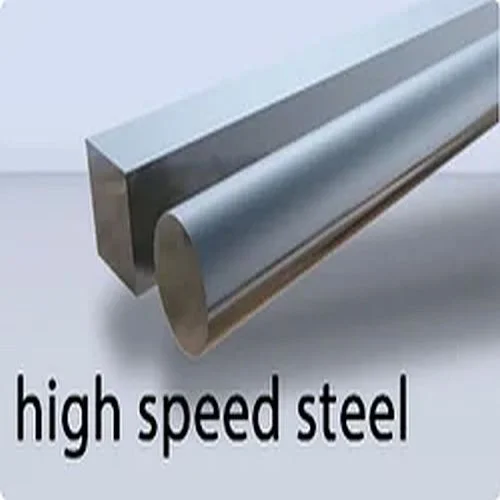
OTAI’s catalogue includes hot‑work tool steel grades such as H13 (AISI H13 / DIN X40CrMoV5‑1) and H11/1.2343 (X38CrMoV5‑1), which are typically supplied in round bar form with hardness levels of 45‑52 HRC and carbon contents around 0.8‑1.1 %. Cold‑work tool steel DC53 (JIS) appears as round bars and is known for a hardness of 58‑62 HRC after heat treatment. The high‑speed steel T1 (M2) is offered for cutting applications and usually meets ASTM A600 specifications with a typical hardness of 62‑65 HRC. Stainless steel S136 (equivalent to AISI 420 / EN 1.2083) is listed as a 12 mm thick plate, a grade that provides corrosion resistance and can be heat‑treated to 44‑50 HRC. The 40CR/5140 chromium‑molybdenum alloy steel falls under HS 7228.30 and is commonly supplied in bar form for automotive crankshaft and transmission components, with typical carbon content of 0.38‑0.44 % and tensile strength around 850 MPa. Pre‑hardened 1.2311 (AISI P20) tool steel is catalogued under HS 7224.10 and is widely used for plastic moulds, usually delivered with a hardness of 28‑32 HRC and a fine grain structure.
Trade and Export Information - OTAI Special Steel Co., Ltd.
China remains one of the largest exporters of tool‑grade and alloy steel, with major destinations in Europe, North America and Southeast Asia. HS 7228.* codes cover hot‑rolled bars and are subject to customs inspections that often require a mill test certificate and compliance with ASTM, DIN or JIS standards. HS 7225.* and HS 7224.* codes for plates and pre‑hardened bars typically involve phytosanitary or anti‑dumping duties depending on the destination market, and buyers frequently request ISO 9001 certification and material test reports. Export logistics from China usually employ 20‑ft or 40‑ft containers, with steel bars packed in wooden crates or steel pallets, and plates wrapped in protective film to prevent rust. Common Incoterms used by Chinese steel exporters include FOB Shanghai or CIF Hong Kong, allowing buyers to arrange further inland transport.
Sourcing from OTAI Special Steel Co., Ltd. - Buyer Guidance
When sourcing from OTAI, buyers should request a full mill test certificate that details chemical composition, hardness, tensile strength and heat‑treatment condition for each grade. Verify that the product complies with the relevant international standard cited in the catalogue (e.g., DIN 1.2343 for H11, JIS DC53 for cold‑work steel, ASTM A600 for T1). It is advisable to obtain a sample batch for laboratory analysis, especially for grades that will be used in critical tooling applications. Confirm packaging specifications - typically wooden crates for bars and film‑wrapped pallets for plates - and ask for the container loading plan to ensure no damage during sea freight.
Frequently Asked Questions About OTAI Special Steel Co., Ltd.
What grades of hot‑work tool steel does OTAI list?
The catalogue includes H13 Hot Work Tool Steel Bar, H11/1.2343 (AISI H11 / DIN X38CrMoV5‑1) round bars and the ASTM‑referenced 1.2311 Plastic/Mould Steel, all classified under HS 7228.20.
Which stainless steel product is offered and under what HS code?
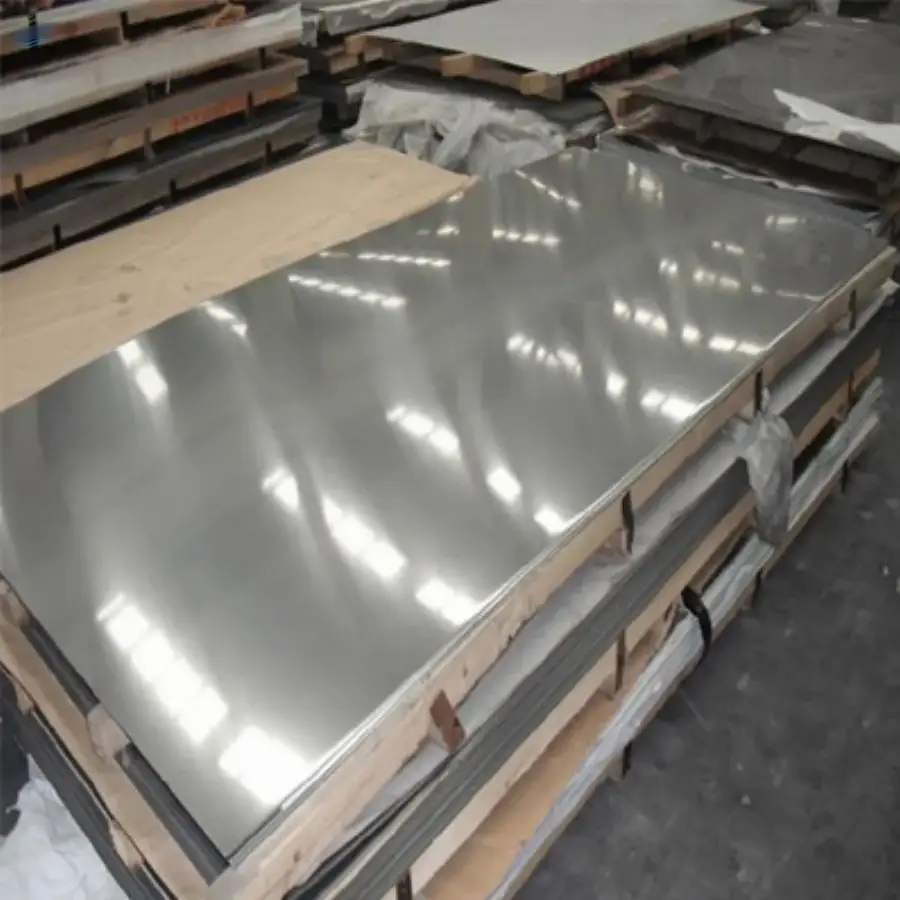
S136 stainless steel plate, equivalent to AISI 420 / EN 1.2083, is listed with a thickness of 12 mm and uses HS 7225.40.
What documentation is typical for the cold‑work tool steel DC53?
Buyers usually request a mill test certificate showing compliance with JIS DC53 specifications, including carbon content, hardness (58‑62 HRC) and tensile strength, together with a commercial invoice that cites HS 7228.20.
Are there standard certifications buyers should ask for?
While OTAI’s specific certifications are not listed, buyers commonly require ISO 9001 quality management certification and product‑specific test reports such as ASTM, DIN or EN conformity for the steel grades offered.
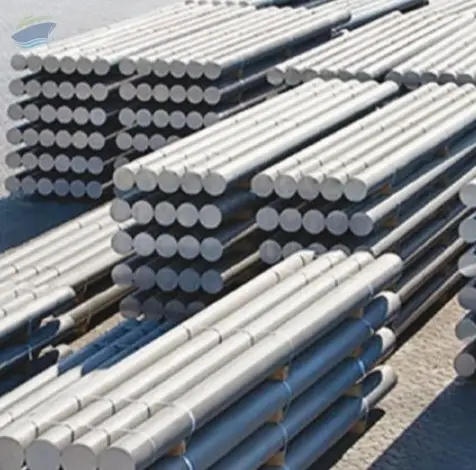
What are typical packaging methods for the steel bars?
Bars are generally packed in wooden crates or steel‑framed pallets, with each crate labelled with the HS code and material grade to facilitate customs clearance.
What lead time can a buyer expect for a standard order?
For most of the listed grades, Chinese steel manufacturers quote a production lead time of 4‑6 weeks from order confirmation, subject to raw‑material availability and any heat‑treatment scheduling.
Which markets most frequently import these types of steel from China?
Europe, North America and Southeast Asian countries are the primary importers of tool‑grade and alloy steel, using HS 7228 and HS 7225 codes for automotive, aerospace, mould‑making and general engineering applications.
What container size is typically used for shipping the steel plates?
A 12 mm thick S136 plate or similar steel plates are commonly loaded into a 20‑ft container, while larger volumes may require a 40‑ft container, both using protective film and internal bracing to prevent deformation.




 , China







.jpg.png)