Agriculture›
 Apparel and fashion accessories›
 Construction & real estate›💡Electronic & Electrical›🍎Food & Beverages›🛋️Home furnishing & supplies›⚗️Industrial goods & chemical›🪨Minerals & metals›📦Miscellaneous›Agriculture›Apparel and fashion accessories›Construction & real estate›💡Electronic & Electrical›🍎Food & Beverages›🛋️Home furnishing & supplies›⚗️Industrial goods & chemical›🪨Minerals & metals›📦Miscellaneous›
Raymond Tube Industries Product Catalog

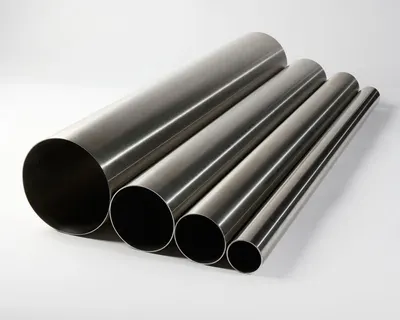
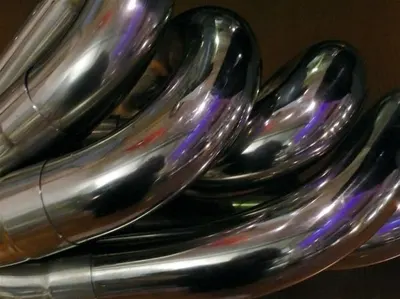
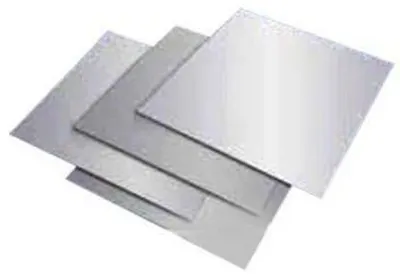

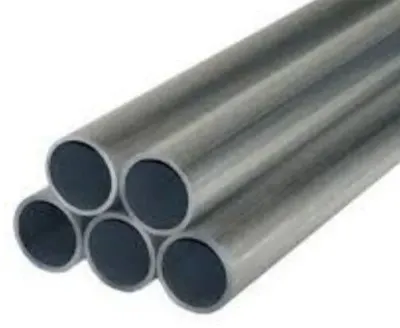
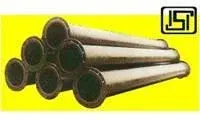
About Raymond Tube Industries - Metal Pipes and Tubes Supplier in India
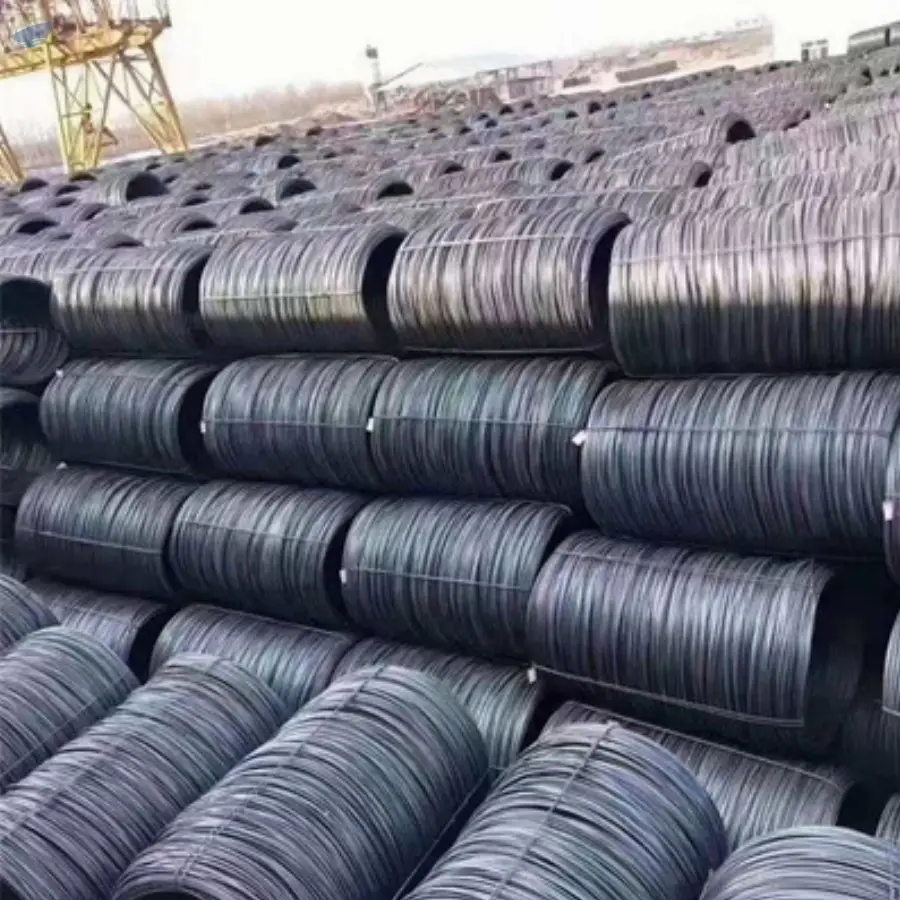
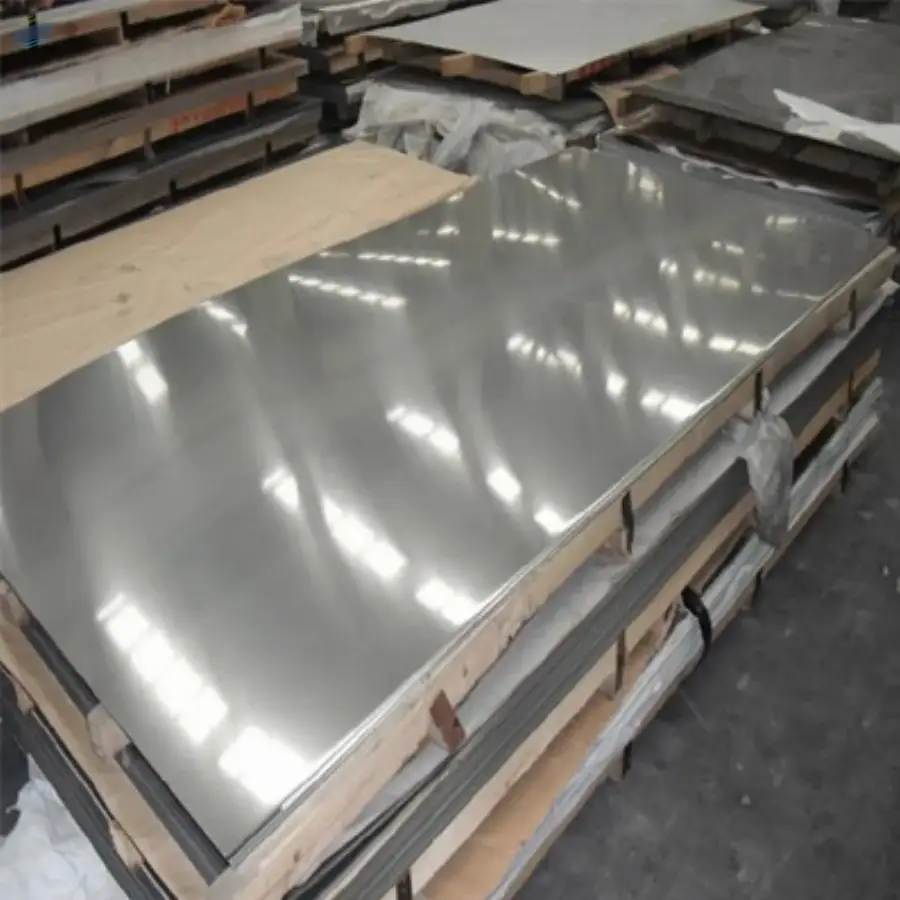
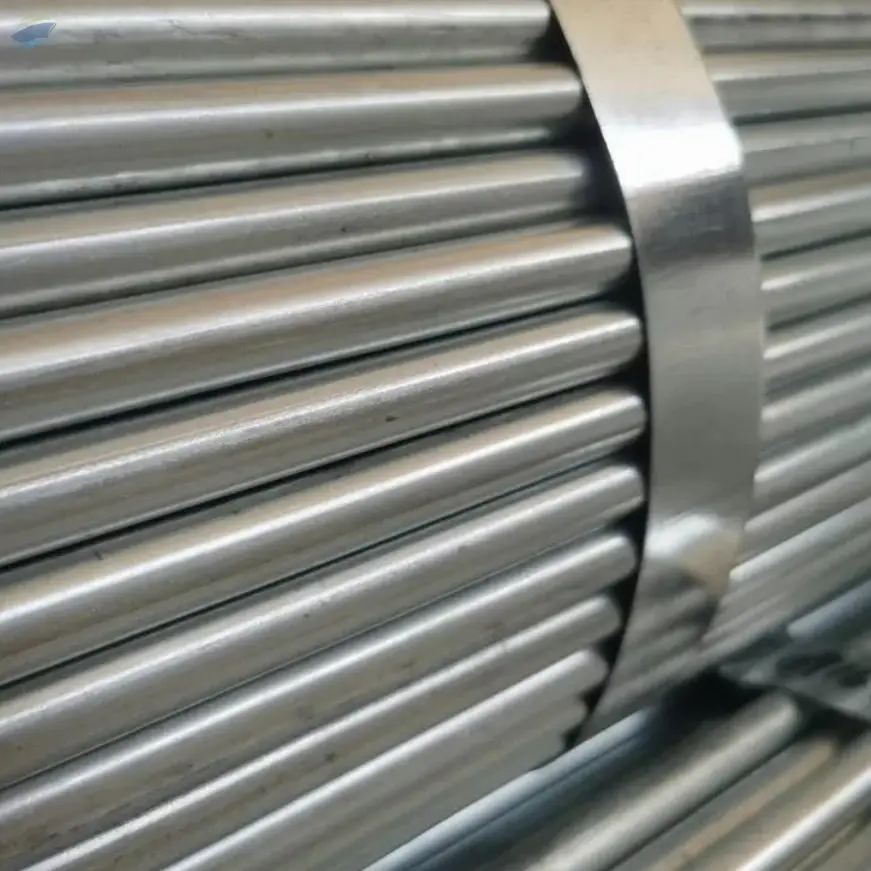
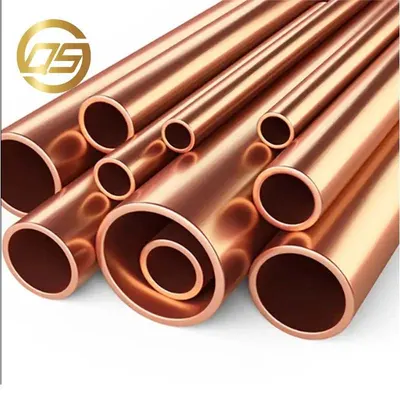
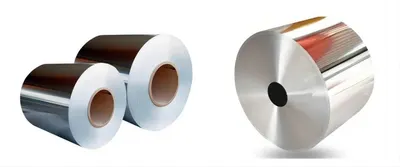
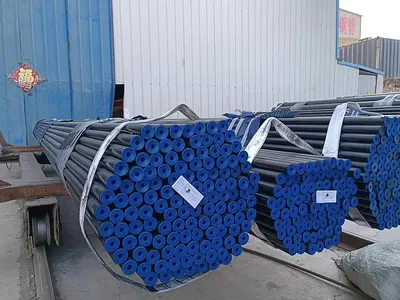
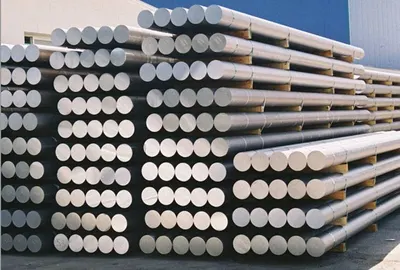
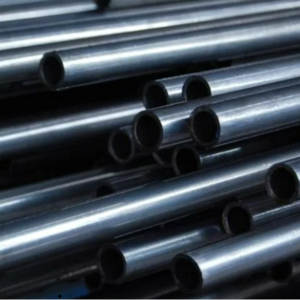
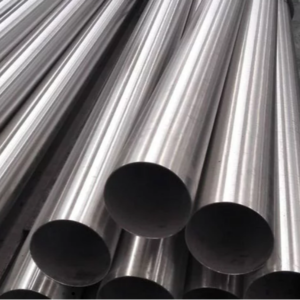
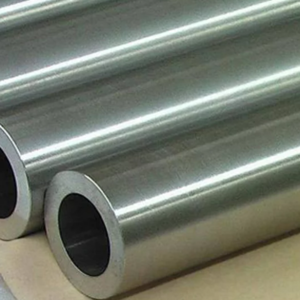
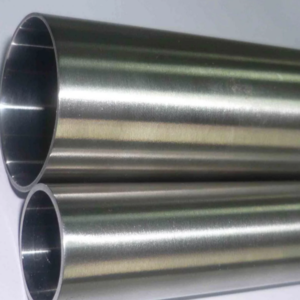
Based in Mumbai City, Maharashtra, India, Raymond Tube Industries lists 18 distinct metal pipe and tube products in its catalogue. The catalogue includes stainless steel coils and plates (HS 7219.31, 7219.11, 7219.12), stainless steel seamless and welded pipes (HS 7304.11, 7304.41, 7304.49), and carbon steel seamless pipes (HS 7304.19, 7304.59). Additional offerings cover nickel and duplex alloy pipes (HS 7507.11, 7507.12, 7304.49), copper tubes (HS 7403.11, 7407.11), aluminium alloy pipes, sheets and coils (HS 7606.12, 7608.20), and titanium tubes (HS 8108.90). Each entry specifies the material grade, for example stainless steel grades 301, 304, 304L, 316, 316L, 321, and ferritic grades 409, 410, 420, 430. The product list also identifies alloy specifications such as Inconel 625, nickel 200/201, and aluminium alloys 6061/6063.
Product Range and Specialties of Raymond Tube Industries
The product range spans stainless steel coils in grades 301, 304, 304L, 316, 316L, 321, 409, 410, 420 and 430, supplied under HS code 7219.31 and 7219.12. Pipe offerings include stainless steel seamless and welded pipes (HS 7304.11, 7304.41) in the same austenitic grades, carbon steel seamless pipes (HS 7304.19) conforming to ASTM A106 and A53, and carbon steel pipes (HS 7304.59) in grades B, X42, X52, X65. Nickel and duplex alloy products are listed under HS 7507.11, 7507.12 and 7304.49, with materials such as Nickel 200/201, Inconel 625, and Duplex 2205, which are standard for high‑temperature and corrosion‑critical environments. Non‑ferrous lines feature copper tubes (HS 7403.11, 7407.11) of C11000/C12200, aluminium pipes, sheets and coils (HS 7606.12, 7608.20) using alloys 3003, 5052, 6061, 6063, and titanium tubes (HS 8108.90) in Grade 2 and Ti‑6Al‑4V. In the global metal pipe market, buyers typically specify chemical composition limits, wall‑thickness tolerances of ±0.2 mm for thin‑walled tubes and ±0.5 mm for heavy‑wall pipes, and surface roughness Ra ≤ 1.6 µm for stainless steel applications. Common quality certifications include ISO 9001 for the manufacturing system, ASTM mill test reports, EN 10210 for seamless steel tubes, and CE marking for products destined for the European Union. Standard inspection regimes involve 3.5 % ultrasonic testing for longitudinal welds and hydrostatic pressure tests at 1.5 times the design pressure, especially for pressure‑rated pipes. Typical packaging consists of wooden crates with dunnage for pipes up to 24 in diameter, and multi‑layer shrink‑wrap for coils and sheets, allowing loading into 20‑ft or 40‑ft containers.
Frequently Asked Questions About Raymond Tube Industries
What product categories does Raymond Tube Industries list in its catalogue?
The catalogue covers stainless steel coils, plates and sheets, stainless steel and carbon steel seamless and welded pipes, nickel and duplex alloy pipes, copper tubes, aluminium pipes/sheets/coils, and titanium tubes. Each category is identified by its material grade and associated HS code.
Which HS codes are used for the stainless steel coils?
Stainless steel coils are listed under HS codes 7219.31 for austenitic and ferritic grades and 7219.12 for general stainless steel coil shipments. The codes correspond to the material composition described in the catalogue.
What standards are typically applied to the carbon steel seamless pipes?
Carbon steel seamless pipes are produced to ASTM A106 (Grade A & B) and ASTM A53 (Grade A & B) specifications, with additional grades such as P235GH, P355N, ST52 and S355 referenced in the product description. Buyers often verify compliance through mill test reports referencing these standards.
How can I verify the material grade of nickel or Inconel pipes?
Request the mill test report that cites the UNS designations (e.g., UNS N02200/N02201 for Nickel 200/201, UNS N06625 for Inconel 625) and includes chemical analysis results. Certification against ASTM B575 or EN 10217 is commonly used for nickel‑based alloy pipes.
What documentation should I request before placing an order?
Typical documents include a mill test report, material test certificate, certificate of origin, and, where required, compliance certificates such as CE, ISO 9001, or NACE MR0175. For non‑ferrous products, purity certificates and RoHS/REACH declarations are also advisable.

 Mumbai City, India
Related Suppliers & Products
Explore similar suppliers, related products and trending categories
.jpg.png)