Continental Flow (Pty) Ltd. — Verified Supplier
About Continental Flow (Pty) Ltd. - Fresh Vegetables Supplier in South Africa
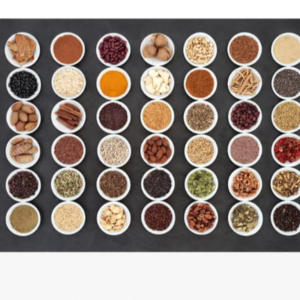
South Africa‑based Continental Flow (Pty) Ltd. lists 68 active products across a broad spectrum of agricultural and scrap material categories. The supplier’s catalogue groups items under headings such as Dehydrated Spices, Fresh Onion, Beans, Dehydrated Fruits, Fresh Vegetables, other spices, general Agriculture Products and other Fresh Vegetables. Each entry corresponds to a distinct product type that the company can source for export or domestic distribution.
The product list includes fresh vegetables like onions, mushrooms, broccoli, potato, spinach, cabbage, cucumber, bell pepper, pumpkin, lemon, sweet potato, beetroot, carrots, spring onion and mint. It also contains nut and seed products such as cashew, walnut, sunflower seeds, soybeans and sesame seeds, as well as spice‑related herbs like sage, giloy, curry leaves, carom and spearmint. In addition, the catalogue references scrap materials such as aluminium UBC cans, copper wire and PET flakes. No HS codes are provided for individual items in the supplied data.
Product Range and Specialties of Continental Flow (Pty) Ltd.
Continental Flow’s catalogue covers typical fresh‑produce specifications that buyers encounter in global trade. Fresh onions are usually graded by size (e.g., 10‑12 mm small, 13‑15 mm medium) and moisture content below 10 % by weight, while leafy greens such as spinach and mint are evaluated for leaf length (30‑50 mm) and residual moisture under 85 %. Nuts like cashew and walnut are commonly shipped in 5 kg or 25 kg bags with a moisture limit of 5 % and aflatoxin testing to ≤10 ppb. Seed commodities such as sunflower, soy and sesame are graded by hull‑free kernel ratio (e.g., ≥95 % kernel) and oil content (e.g., 45‑50 % for sunflower). Scrap metals and plastics are classified by purity grade (e.g., aluminium ≥99 % Al, copper ≥99 % Cu) and are typically supplied in bale or coil form for recycling.
Trade and Export Information - Continental Flow (Pty) Ltd.
South Africa is a recognized exporter of fresh horticultural produce, especially to the European Union, the Middle East and Southern Africa. HS Chapter 07 (Live trees and other plants; vegetables) and Chapter 08 (Edible fruit and nuts) cover most of the fresh items listed, while Chapter 12 (Oil seeds and oleaginous fruits) applies to soybeans, sesame and sunflower seeds. Scrap metals fall under Chapter 74 (Copper and articles thereof) and Chapter 76 (Aluminium and articles thereof), and PET flakes are classified in Chapter 39 (Plastics). Export shipments normally use refrigerated containers (20 ft or 40 ft) with temperature control between 0 °C and 4 °C for leafy vegetables, and dry containers for nuts, seeds and scrap. Common Incoterms include FOB South African ports such as Durban or Cape Town, with buyers often requiring phytosanitary certificates, origin certificates and, where applicable, EU phytosanitary import permits.
Sourcing from Continental Flow (Pty) Ltd. - Buyer Guidance
When sourcing from Continental Flow, buyers should request a product specification sheet that confirms size, moisture, and any pesticide residue limits for fresh produce. For nuts and seeds, a recent laboratory analysis covering aflatoxin, moisture and oil content should be obtained. Scrap metal buyers typically ask for a material purity assay and a weight certificate. Standard certifications to verify include a Phytosanitary Certificate for vegetables, an EU Organic Certificate if organic claims are made, and a Waste Electrical and Electronic Equipment (WEEE) compliance document for metal scrap where relevant. Verifying these documents before order confirmation helps assure compliance with import regulations and quality expectations.
Frequently Asked Questions About Continental Flow (Pty) Ltd.
What product categories does Continental Flow list?
The supplier lists fresh vegetables (e.g., onions, broccoli, carrots), herbs and spices (e.g., mint, sage, carom), nuts and seeds (e.g., cashew, walnut, sunflower seeds, soybeans, sesame), and scrap materials such as aluminium cans, copper wire and PET flakes.
How many distinct products are available in the catalogue?
The catalogue contains 68 active product entries covering the categories mentioned above.
Which HS chapters are relevant for the fresh produce items?
Fresh vegetables fall under HS Chapter 07, while edible fruits, nuts and seeds are covered by Chapter 08 and Chapter 12 respectively.
What documentation should a buyer request for fresh onion shipments?
Buyers should ask for a Phytosanitary Certificate, a certificate of origin, and a quality specification sheet that details size grade, moisture content and any pesticide residue limits.
Are there typical quality specifications for cashew nuts?
Cashew nuts are usually supplied in 5 kg or 25 kg bags with moisture ≤5 %, kernel purity ≥95 % and aflatoxin levels not exceeding 10 ppb, as verified by a laboratory report.
What are the common packaging and container types for the listed vegetables?
Leafy and other fresh vegetables are commonly packed in ventilated polyethylene bags or cartons and shipped in refrigerated 20 ft or 40 ft containers kept at 0 °C‑4 °C. Dry commodities such as nuts and seeds are packed in multi‑wall bags or food‑grade drums for dry containers.
Which Incoterms are typically used for shipments from South Africa?
Exporters frequently use FOB (Free on Board) from major South African ports such as Durban or Cape Town, allowing the buyer to arrange freight, insurance and onward transport.
What certifications are generally required for aluminium scrap imports?
Importers normally request a material purity certificate, a Waste Electrical and Electronic Equipment (WEEE) compliance statement if applicable, and a customs‑approved export permit from South Africa.




 , South Africa