NNK ENTERPRISE LIMITED — Verified Manufacturer & Wholesale Supplier
About NNK ENTERPRISE LIMITED - Herbal Beauty and Honey Supplier in New Zealand
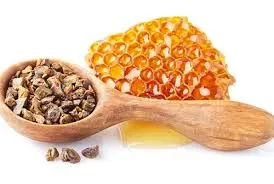
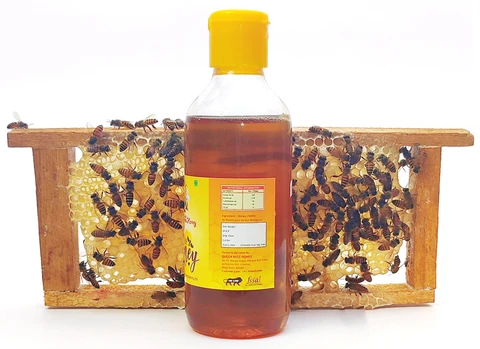
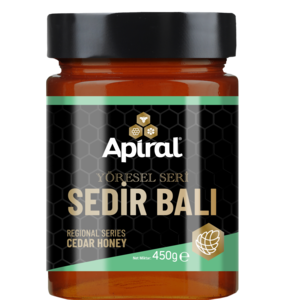
New Zealand, Auckland is the base for NNK ENTERPRISE LIMITED, which currently lists 13 active products. The catalogue is split between natural honey varieties - including several Manuka grades and creamed regional blends - classified under HS code 0409.00, and a line of herbal cosmetics such as a 3‑in‑1 powder cleanser, face toner, serum and ultra‑hydrating cream, all recorded under HS code 3304.99. The honey items are described as raw monofloral products sourced from Leptospermum scoparium and other native flora, while the cosmetic items are formulated with ingredients like lavender, saffron, turmeric and shea butter. Each product entry includes a brief material description that aligns with the relevant HS‑code family, providing a clear regulatory reference for trade.
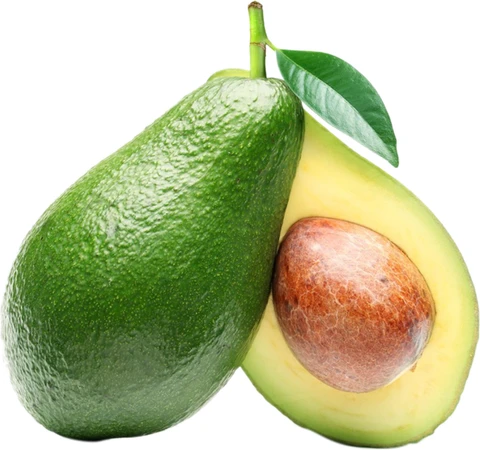
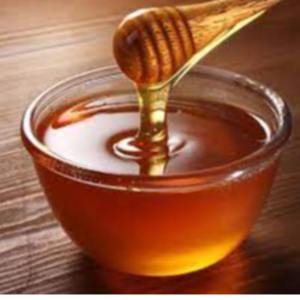
The active honey range features MGO‑830+, MGO‑696+, MGO‑354+, MGO‑264+ Manuka honey and several creamed blends such as Pohutukawa, Native Bush, Clover and Avocado‑infused honey. The cosmetic portfolio includes a multitasking powder cleanser with lavender and oat, a rose‑and‑calendula toner, a saffron‑rose serum, and a saffron‑turmeric‑shea butter face cream. All 13 items are listed with their specific HS codes, allowing buyers to match product classifications with customs documentation. The supplier also distributes the world‑famous New Zealand Manuka honey, reinforcing the focus on high‑grade natural products.
Product Range and Specialties of NNK ENTERPRISE LIMITED
The honey line follows the internationally recognised MGO grading system, where the numeric value (e.g., 830 mg/kg) indicates methylglyoxal concentration and correlates with potency. Buyers typically expect moisture content below 20 % and a pollen analysis confirming monofloral origin, both of which are standard lab parameters for premium Manuka. Creamed honey is usually packaged in 250 g or 500 g food‑grade jars, with a controlled water activity to ensure stability. In the cosmetics segment, HS 3304.99 products are often formulated to meet ISO 22716 (GMP) and EU Cosmetic Regulation (Regulation EC 1223/2009). Typical specifications include non‑comedogenic textures, natural preservative levels, and documented stability across a pH range of 4.5‑6.5. Ingredients such as saffron, turmeric, shea butter and avocado oil are common natural actives that buyers look for in premium herbal skincare.
Trade and Export Information - NNK ENTERPRISE LIMITED
New Zealand is a major exporter of premium honey, with the United States, the European Union and Asian markets accounting for the largest share of shipments. Honey products under HS 0409.00 require a phytosanitary certificate, a laboratory analysis confirming MGO/UMF levels, and compliance with the EU Honey Directive (Council Reg 2001/110/EC) for EU entry. Cosmetic preparations classified under HS 3304.99 are subject to safety dossier submission, ingredient labeling per the EU Cosmetics Regulation, and often need GMP certification. Export logistics commonly use FOB Auckland or CIF destination ports; a 20‑ft container can hold roughly 1,200 kg of honey or 5,000 units of small‑size cosmetic packs, while temperature‑controlled storage is advised for raw honey to preserve enzymatic activity. Typical certifications requested by importers include HACCP for food safety and ISO 22716 for cosmetics, though the supplier’s own certificates are not listed in the provided facts.
Sourcing from NNK ENTERPRISE LIMITED - Buyer Guidance
When sourcing Manuka honey, request the latest laboratory report showing MGO concentration, moisture percentage and pollen analysis; these documents confirm grade and purity. For the creamed honey variants, ask for a batch‑specific certificate of origin and a stability test confirming the creamed consistency over a 12‑month shelf life. Cosmetic buyers should obtain an ingredient safety dossier, a GMP compliance certificate (ISO 22716) and any organic or natural certification if the product is marketed as such. Sampling is usually offered in 100 g jars for honey and 30 ml tubes for creams or serums, allowing verification of texture, scent and color before committing to larger orders. Verify packaging specifications, such as jar material and labeling, to ensure they meet the target market’s regulatory requirements.
Frequently Asked Questions About NNK ENTERPRISE LIMITED
What honey grades are available from NNK ENTERPRISE LIMITED?
The catalogue lists Manuka honey with MGO ratings of 264+, 354+, 696+ and 830+, each representing a specific methylglyoxal concentration measured in mg/kg. These grades are commonly cross‑referenced with UMF values and are used by buyers to assess potency and therapeutic claims.
How is the Manuka honey packaged for export?
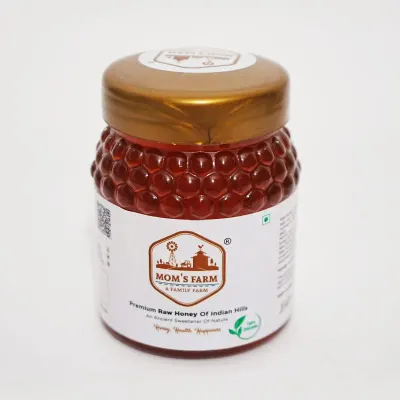
Honey is supplied in sealed food‑grade containers, typically 250 g or 500 g jars that bear the product name, MGO value and New Zealand origin. The packaging complies with NZ Food Safety standards and is palletised for loading into 20‑ft containers.
Which certifications should a buyer request for the herbal cosmetics?
Buyers should request a GMP compliance certificate (ISO 22716), an ingredient safety dossier and any organic certification such as COSMOS‑Organic if claimed. A safety data sheet and a stability test report are also standard documentation for cosmetics under HS 3304.99.
What is the typical minimum order quantity for the 3‑in‑1 powder cleanser?
The supplier generally sets a minimum order of 500 units, which equates to roughly 5 kg of product, though the exact MOQ can be confirmed during the quotation process.
Which HS codes apply to the honey and cosmetic product lines?
All honey items fall under HS 0409.00 (Natural honey, including monofloral varieties), while the herbal beauty creams, toners and powders are classified under HS 3304.99 (Other beauty or make‑up preparations).
What documentation is needed for customs clearance of New Zealand honey?
A phytosanitary certificate, a laboratory analysis confirming MGO/UMF level, and a commercial invoice that cites HS 0409.00 are normally required. EU importers must also meet the EU Honey Directive requirements.
What shipping terms are commonly used for these products?
Exporters from New Zealand frequently quote FOB Auckland or CIF to the buyer’s destination port. Shipments are loaded into 20‑ft or 40‑ft containers, with temperature‑controlled storage recommended for raw honey to preserve its quality.
Can I obtain samples of the herbal face cream before placing a larger order?
Yes, the supplier offers sample sizes, typically 30 ml tubes of the Ultra‑Hydrating Herbal Face Cream, allowing buyers to evaluate texture, scent and ingredient performance prior to confirming bulk quantities.





 , New Zealand