SOCIETA' AGRICOLA COOPERATIVA MIGLIORETTI — Verified Distributor & Wholesale Supplier

About SOCIETA' AGRICOLA COOPERATIVA MIGLIORETTI - Organic Fruit Preserves Supplier in Italy

The farm is situated in the hills of Turin, in the Miglioretti Valley of the Province of Torino (TO), Italy. It operates on 15 hectares of arable land and currently lists nine active products across organic fruit‑based categories. The catalogue includes jams, compotes, honey, sauces, fruit in syrup, tomato sauces, juices, jelly and vinegar, each identified with a specific HS‑code family such as 2007.97 for apricot jam and 0409.00 for acacia honey. The product list reflects a focus on organic certification and minimal use of synthetic agro‑chemicals, as described in the supplier’s profile.

The listed items cover a range of HS‑code groups: 2007‑2009 for processed fruit and fruit‑based preparations, 2103 for sauces, 2209 for vinegars and 0409 for honey. Materials are specified per product - for example the apricot jam is packed in a 270 g glass jar, the compote combines various organic fruits with organic cane sugar and natural spices, and the honey is 100 % pure Italian acacia honey. All nine products are presented as ready for export, with clear material composition and packaging type recorded in the catalogue.

Product Range and Specialties of SOCIETA' AGRICOLA COOPERATIVA MIGLIORETTI

The catalogue presents organic apricot jam (270 g jar, HS 2007.97), a mixed‑fruit organic compote (HS 2007.99) that blends several certified organic fruits with organic cane sugar and spices, and a fruit‑in‑syrup product (HS 2008.99) containing mixed fruit at 15‑25 % Brix. Additional items include organic tomato sauces (HS 2002.90), a range of organic fruit juices (HS 2009.89), jelly (HS 2007.99), and a fermented rice‑wheat vinegar (HS 2209.00). The honey (HS 0409.00) is pure acacia honey. Typical industry specifications for these categories include water activity below 0.85 for jams and jellies, pH between 3.2‑3.6 for fruit preserves, and a minimum of 30 % soluble solids for fruit juices. Buyers often require compliance with EU organic regulation (Regulation EU 2018/848), HACCP plans, and ISO 22000 food‑safety management systems, although the supplier’s own certifications are not listed in the facts.

Trade and Export Information - SOCIETA' AGRICOLA COOPERATIVA MIGLIORETTI

Italian organic fruit preserves are regularly exported to the European Union, the United States, the Middle East and North Africa. HS‑code chapters 20 (preparations of fruit or vegetables) and 21 (sauces and preparations) are subject to EU phytosanitary inspections and may require a phytosanitary certificate for fresh‑fruit‑derived inputs. Common certifications requested by importers include EU organic, GlobalGAP and, where applicable, BRC or IFS food‑safety standards. Packaging for jam and jelly typically uses glass jars sealed with metal lids, while fruit‑in‑syrup and sauces are shipped in food‑grade PET or glass bottles; bulk shipments often use 20‑ft containers capable of holding roughly 10 000  -  12 000 kg of product, depending on packaging weight. Standard Incoterms used by Italian exporters are FOB Turin or CIF destination ports, with freight forwarding arranged for refrigerated or ambient cargo as required.

Sourcing from SOCIETA' AGRICOLA COOPERATIVA MIGLIORETTI - Buyer Guidance

When sourcing from this supplier, buyers should request the current EU organic certification copy, a recent HACCP plan and any ISO 22000 audit reports. Product specifications to verify include jar weight (270 g for jam), sugar content (Brix 15‑25 for fruit‑in‑syrup), acidity (pH 3.2‑3.6 for preserves), and moisture level (<15 % for jams). Samples should be accompanied by a laboratory analysis report covering microbiological limits (e.g., total plate count <10 000 cfu/g) and pesticide residue testing in line with EU maximum residue limits. Typical minimum order quantities for canned fruit products range from 5 000 to 10 000 jars per SKU, with lead times of 30‑45 days after order confirmation, subject to seasonal harvest schedules.

Frequently Asked Questions About SOCIETA' AGRICOLA COOPERATIVA MIGLIORETTI

What HS‑codes apply to the organic apricot jam and how is it packaged?

The apricot jam is classified under HS 2007.97 and is packed in a 270 g glass jar with a metal screw‑cap, a standard format for retail jam shipments.

Which certifications should I request for the organic fruit compote?

Request the EU organic certificate, a GlobalGAP audit report and a HACCP safety plan. These documents confirm compliance with European organic standards and food‑safety requirements.

What typical quality parameters are checked for the fruit‑in‑syrup product?

Buyers usually verify Brix level (15‑25 % sugar), pH (3.5‑4.0), water activity (<0.85) and compliance with EU pesticide residue limits.

Are the organic tomato sauces covered by any specific HS‑code?

Yes, they fall under HS 2002.90, which covers processed tomatoes and tomato‑based preparations not elsewhere specified.

What documentation is needed for importing the Italian acacia honey?

Importers should obtain the EU organic certificate for honey, a phytosanitary certificate, and a laboratory analysis confirming purity and absence of added sugars.

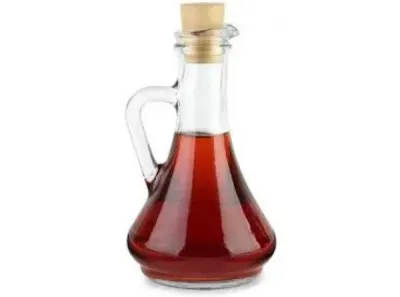
What are common packaging and shipping methods for the vinegar product?

The vinegar (HS 2209.00) is typically bottled in food‑grade glass or PET containers, palletised for sea freight in 20‑ft or 40‑ft containers, often shipped under CIF terms.

What minimum order quantities and lead times apply to the organic juices?

MOQ usually starts at 5 000 L per juice blend, with a standard lead time of 30‑45 days after order confirmation, depending on production scheduling.

Which laboratory tests are standard for the jelly product?

Standard tests include pH (3.2‑3.6), soluble solids (minimum 30 % Brix), microbiological limits (total plate count <10 000 cfu/g) and confirmation of pectin content.

Other Suppliers in Organic Tea

Top Trusted Suppliers

Related Products in Organic Tea

Trending in Parent Category

More Suppliers in Parent Category

Related Products

Other Suppliers

EximNext
58.4K+ live requirements
Register Free🎁 5 free buy-lead credits
Post Requirement
🌍 Trusted by 224.3K+ businesses in 200+ countries|
58.4K+ active requirements right now
✉️ [email protected]
|
Sell on EximNextPost Requirement
EximNext
AgricultureApparelConstructionElectronicFoodHomeIndustrialMineralsMiscellaneous
🔥 Deals|✨ AI Match|🏭 Suppliers|📋 Buy Leads|💰 Trade Finance|⭐ Upgrade
58.4K+ live RFQs·194.4K+ suppliers
🎁 5 free credits →
EximNext
EximNext
Register Free
🎁 5 free buy-lead credits
Sign In
📋Post Requirement💬Get QuotesAI Match📋RFQ Marketplace
All Categories
Services & Tools
🏭Supplier Directory🔥Today's Deals💰Trade FinanceMembership
Sell on EximNext
AboutContactBlogHelp
🏭

SOCIETA' AGRICOLA COOPERATIVA MIGLIORETTI

🚢 Voyage
Country flag , ItalyEst. 2018-01-01
🏆
8+
Years in Business
🛡️
64/100
Trust Score

SOCIETA' AGRICOLA COOPERATIVA MIGLIORETTI Product Catalog

Showing 9 of 9 products
View all products →
vinegar
🚢 Voyage
vinegar
Contact
MOQ: 1 Unit
jelly
🚢 Voyage
jelly
Contact
MOQ: 1 Unit
Organic juices
🚢 Voyage
Organic juices
Contact
MOQ: 1 Unit
Organic Tomato sauces
🚢 Voyage
Organic Tomato sauces
Contact
MOQ: 1 Unit
Fruit in syrup
🚢 Voyage
Fruit in syrup
Contact
MOQ: 1 Unit
Sauces for cheese and meet
🚢 Voyage
Sauces for cheese and meet
Contact
MOQ: 1 Unit
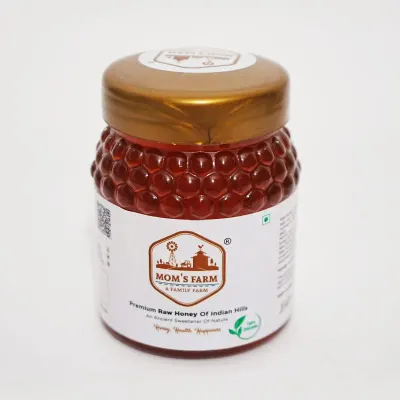
Honey 100% italian
🚢 Voyage
Honey 100% italian
Contact
MOQ: 1 Unit
Organic compote
🚢 Voyage
Organic compote
Contact
MOQ: 1 Unit
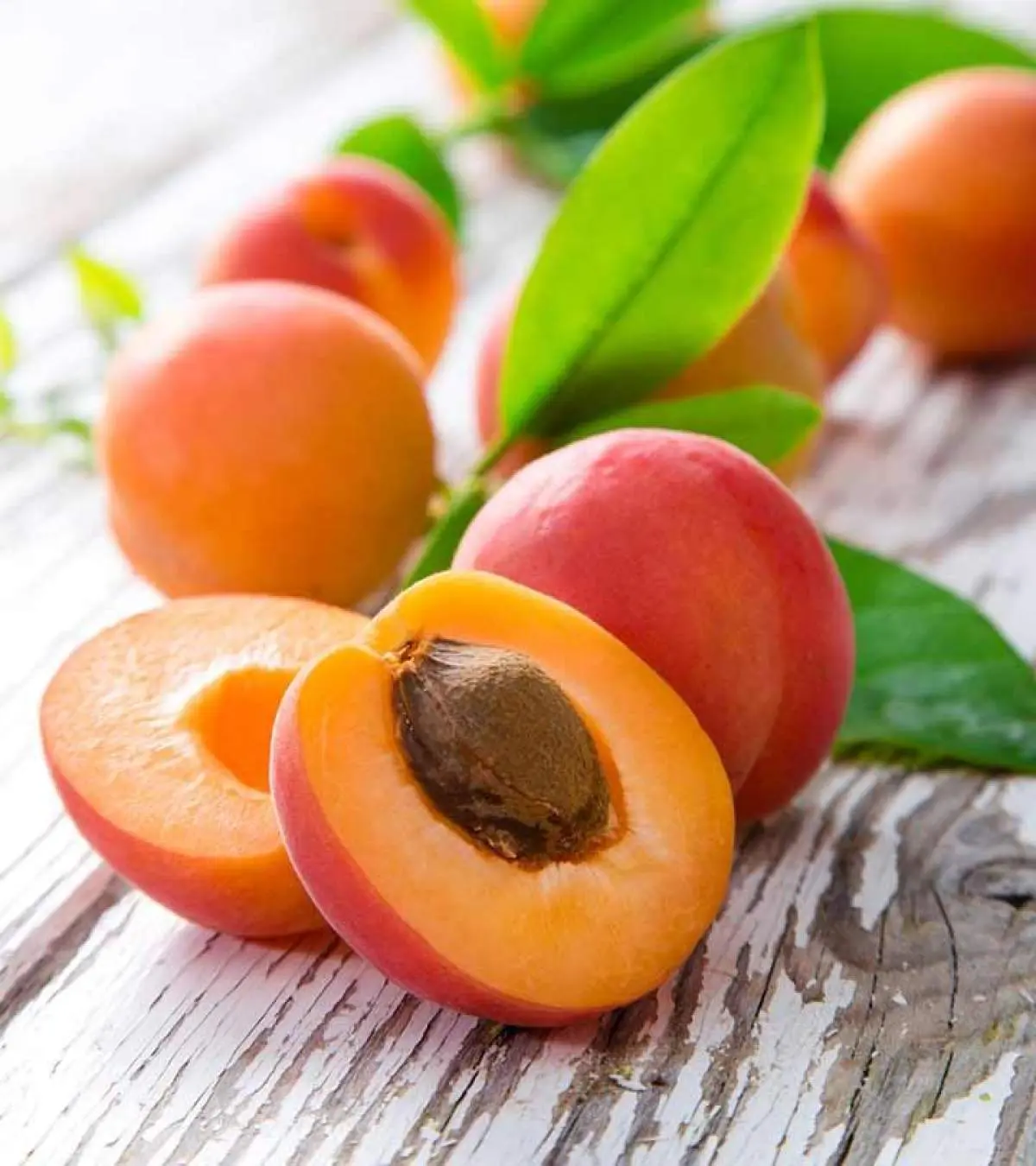
Organic Apricot jam 270gr
🚢 Voyage
Organic Apricot jam 270gr
Contact
MOQ: 1 Unit

About SOCIETA' AGRICOLA COOPERATIVA MIGLIORETTI - Organic Fruit Preserves Supplier in Italy

The farm is situated in the hills of Turin, in the Miglioretti Valley of the Province of Torino (TO), Italy. It operates on 15 hectares of arable land and currently lists nine active products across organic fruit‑based categories. The catalogue includes jams, compotes, honey, sauces, fruit in syrup, tomato sauces, juices, jelly and vinegar, each identified with a specific HS‑code family such as 2007.97 for apricot jam and 0409.00 for acacia honey. The product list reflects a focus on organic certification and minimal use of synthetic agro‑chemicals, as described in the supplier’s profile.

The listed items cover a range of HS‑code groups: 2007‑2009 for processed fruit and fruit‑based preparations, 2103 for sauces, 2209 for vinegars and 0409 for honey. Materials are specified per product - for example the apricot jam is packed in a 270 g glass jar, the compote combines various organic fruits with organic cane sugar and natural spices, and the honey is 100 % pure Italian acacia honey. All nine products are presented as ready for export, with clear material composition and packaging type recorded in the catalogue.

Product Range and Specialties of SOCIETA' AGRICOLA COOPERATIVA MIGLIORETTI

The catalogue presents organic apricot jam (270 g jar, HS 2007.97), a mixed‑fruit organic compote (HS 2007.99) that blends several certified organic fruits with organic cane sugar and spices, and a fruit‑in‑syrup product (HS 2008.99) containing mixed fruit at 15‑25 % Brix. Additional items include organic tomato sauces (HS 2002.90), a range of organic fruit juices (HS 2009.89), jelly (HS 2007.99), and a fermented rice‑wheat vinegar (HS 2209.00). The honey (HS 0409.00) is pure acacia honey. Typical industry specifications for these categories include water activity below 0.85 for jams and jellies, pH between 3.2‑3.6 for fruit preserves, and a minimum of 30 % soluble solids for fruit juices. Buyers often require compliance with EU organic regulation (Regulation EU 2018/848), HACCP plans, and ISO 22000 food‑safety management systems, although the supplier’s own certifications are not listed in the facts.

Trade and Export Information - SOCIETA' AGRICOLA COOPERATIVA MIGLIORETTI

Italian organic fruit preserves are regularly exported to the European Union, the United States, the Middle East and North Africa. HS‑code chapters 20 (preparations of fruit or vegetables) and 21 (sauces and preparations) are subject to EU phytosanitary inspections and may require a phytosanitary certificate for fresh‑fruit‑derived inputs. Common certifications requested by importers include EU organic, GlobalGAP and, where applicable, BRC or IFS food‑safety standards. Packaging for jam and jelly typically uses glass jars sealed with metal lids, while fruit‑in‑syrup and sauces are shipped in food‑grade PET or glass bottles; bulk shipments often use 20‑ft containers capable of holding roughly 10 000  -  12 000 kg of product, depending on packaging weight. Standard Incoterms used by Italian exporters are FOB Turin or CIF destination ports, with freight forwarding arranged for refrigerated or ambient cargo as required.

Sourcing from SOCIETA' AGRICOLA COOPERATIVA MIGLIORETTI - Buyer Guidance

When sourcing from this supplier, buyers should request the current EU organic certification copy, a recent HACCP plan and any ISO 22000 audit reports. Product specifications to verify include jar weight (270 g for jam), sugar content (Brix 15‑25 for fruit‑in‑syrup), acidity (pH 3.2‑3.6 for preserves), and moisture level (<15 % for jams). Samples should be accompanied by a laboratory analysis report covering microbiological limits (e.g., total plate count <10 000 cfu/g) and pesticide residue testing in line with EU maximum residue limits. Typical minimum order quantities for canned fruit products range from 5 000 to 10 000 jars per SKU, with lead times of 30‑45 days after order confirmation, subject to seasonal harvest schedules.

Frequently Asked Questions About SOCIETA' AGRICOLA COOPERATIVA MIGLIORETTI

What HS‑codes apply to the organic apricot jam and how is it packaged?

The apricot jam is classified under HS 2007.97 and is packed in a 270 g glass jar with a metal screw‑cap, a standard format for retail jam shipments.

Which certifications should I request for the organic fruit compote?

Request the EU organic certificate, a GlobalGAP audit report and a HACCP safety plan. These documents confirm compliance with European organic standards and food‑safety requirements.

What typical quality parameters are checked for the fruit‑in‑syrup product?

Buyers usually verify Brix level (15‑25 % sugar), pH (3.5‑4.0), water activity (<0.85) and compliance with EU pesticide residue limits.

Are the organic tomato sauces covered by any specific HS‑code?

Yes, they fall under HS 2002.90, which covers processed tomatoes and tomato‑based preparations not elsewhere specified.

What documentation is needed for importing the Italian acacia honey?

Importers should obtain the EU organic certificate for honey, a phytosanitary certificate, and a laboratory analysis confirming purity and absence of added sugars.

What are common packaging and shipping methods for the vinegar product?

The vinegar (HS 2209.00) is typically bottled in food‑grade glass or PET containers, palletised for sea freight in 20‑ft or 40‑ft containers, often shipped under CIF terms.

What minimum order quantities and lead times apply to the organic juices?

MOQ usually starts at 5 000 L per juice blend, with a standard lead time of 30‑45 days after order confirmation, depending on production scheduling.

Which laboratory tests are standard for the jelly product?

Standard tests include pH (3.2‑3.6), soluble solids (minimum 30 % Brix), microbiological limits (total plate count <10 000 cfu/g) and confirmation of pectin content.

About SOCIETA' AGRICOLA COOPERATIVA MIGLIORETTI - Organic Fruit Preserves Supplier in Italy

The farm is situated in the hills of Turin, in the Miglioretti Valley of the Province of Torino (TO), Italy. It operates on 15 hectares of arable land and currently lists nine active products across organic fruit‑based categories. The catalogue includes jams, compotes, honey, sauces, fruit in syrup, tomato sauces, juices, jelly and vinegar, each identified with a specific HS‑code family such as 2007.97 for apricot jam and 0409.00 for acacia honey. The product list reflects a focus on organic certification and minimal use of synthetic agro‑chemicals, as described in the supplier’s profile.

The listed items cover a range of HS‑code groups: 2007‑2009 for processed fruit and fruit‑based preparations, 2103 for sauces, 2209 for vinegars and 0409 for honey. Materials are specified per product - for example the apricot jam is packed in a 270 g glass jar, the compote combines various organic fruits with organic cane sugar and natural spices, and the honey is 100 % pure Italian acacia honey. All nine products are presented as ready for export, with clear material composition and packaging type recorded in the catalogue.

Product Range and Specialties of SOCIETA' AGRICOLA COOPERATIVA MIGLIORETTI

The catalogue presents organic apricot jam (270 g jar, HS 2007.97), a mixed‑fruit organic compote (HS 2007.99) that blends several certified organic fruits with organic cane sugar and spices, and a fruit‑in‑syrup product (HS 2008.99) containing mixed fruit at 15‑25 % Brix. Additional items include organic tomato sauces (HS 2002.90), a range of organic fruit juices (HS 2009.89), jelly (HS 2007.99), and a fermented rice‑wheat vinegar (HS 2209.00). The honey (HS 0409.00) is pure acacia honey. Typical industry specifications for these categories include water activity below 0.85 for jams and jellies, pH between 3.2‑3.6 for fruit preserves, and a minimum of 30 % soluble solids for fruit juices. Buyers often require compliance with EU organic regulation (Regulation EU 2018/848), HACCP plans, and ISO 22000 food‑safety management systems, although the supplier’s own certifications are not listed in the facts.

Trade and Export Information - SOCIETA' AGRICOLA COOPERATIVA MIGLIORETTI

Italian organic fruit preserves are regularly exported to the European Union, the United States, the Middle East and North Africa. HS‑code chapters 20 (preparations of fruit or vegetables) and 21 (sauces and preparations) are subject to EU phytosanitary inspections and may require a phytosanitary certificate for fresh‑fruit‑derived inputs. Common certifications requested by importers include EU organic, GlobalGAP and, where applicable, BRC or IFS food‑safety standards. Packaging for jam and jelly typically uses glass jars sealed with metal lids, while fruit‑in‑syrup and sauces are shipped in food‑grade PET or glass bottles; bulk shipments often use 20‑ft containers capable of holding roughly 10 000  -  12 000 kg of product, depending on packaging weight. Standard Incoterms used by Italian exporters are FOB Turin or CIF destination ports, with freight forwarding arranged for refrigerated or ambient cargo as required.

Sourcing from SOCIETA' AGRICOLA COOPERATIVA MIGLIORETTI - Buyer Guidance

When sourcing from this supplier, buyers should request the current EU organic certification copy, a recent HACCP plan and any ISO 22000 audit reports. Product specifications to verify include jar weight (270 g for jam), sugar content (Brix 15‑25 for fruit‑in‑syrup), acidity (pH 3.2‑3.6 for preserves), and moisture level (<15 % for jams). Samples should be accompanied by a laboratory analysis report covering microbiological limits (e.g., total plate count <10 000 cfu/g) and pesticide residue testing in line with EU maximum residue limits. Typical minimum order quantities for canned fruit products range from 5 000 to 10 000 jars per SKU, with lead times of 30‑45 days after order confirmation, subject to seasonal harvest schedules.

Frequently Asked Questions About SOCIETA' AGRICOLA COOPERATIVA MIGLIORETTI
What HS‑codes apply to the organic apricot jam and how is it packaged?
The apricot jam is classified under HS 2007.97 and is packed in a 270 g glass jar with a metal screw‑cap, a standard format for retail jam shipments.
Which certifications should I request for the organic fruit compote?
Request the EU organic certificate, a GlobalGAP audit report and a HACCP safety plan. These documents confirm compliance with European organic standards and food‑safety requirements.
What typical quality parameters are checked for the fruit‑in‑syrup product?
Buyers usually verify Brix level (15‑25 % sugar), pH (3.5‑4.0), water activity (<0.85) and compliance with EU pesticide residue limits.
Are the organic tomato sauces covered by any specific HS‑code?
Yes, they fall under HS 2002.90, which covers processed tomatoes and tomato‑based preparations not elsewhere specified.
What documentation is needed for importing the Italian acacia honey?
Importers should obtain the EU organic certificate for honey, a phytosanitary certificate, and a laboratory analysis confirming purity and absence of added sugars.
What are common packaging and shipping methods for the vinegar product?
The vinegar (HS 2209.00) is typically bottled in food‑grade glass or PET containers, palletised for sea freight in 20‑ft or 40‑ft containers, often shipped under CIF terms.
What minimum order quantities and lead times apply to the organic juices?
MOQ usually starts at 5 000 L per juice blend, with a standard lead time of 30‑45 days after order confirmation, depending on production scheduling.
Which laboratory tests are standard for the jelly product?
Standard tests include pH (3.2‑3.6), soluble solids (minimum 30 % Brix), microbiological limits (total plate count <10 000 cfu/g) and confirmation of pectin content.

🏭
SOCIETA' AGRICOLA COOPERATIVA MIGLIORETTI
Country flag , Italy

🚢 Voyage
64/100
Trust Score
📦
9
Products
Free to contact — no commission
Escrow payment available
Verified business identity
Compare more suppliers
Post a requirement — get 10 quotes free
Let verified suppliers compete for your business. Free, fast, no commitment.
EximNext Verified Supplier
Business identity verified
Physical address confirmed
Financial history checked
Certifications authenticated
Trade references validated
Due Diligence
Verify this supplier's real shipping history.
Every shipment, every buyer, every port. Trade data that can't be faked.
Run due diligence →
Discover More

Related Suppliers & Products

Explore similar suppliers, related products and trending categories

Other Suppliers in Organic Tea

Top Trusted Suppliers

Related Products in Organic Tea

Trending in Parent Category

More Suppliers in Parent Category

Stay ahead in global trade
Weekly market insights & new supplier alerts.
EximNext
Exim Next is a leading global B2B marketplace, connecting over 205,000 verified suppliers and buyers across 200+ countries. As a trusted import export marketplace, it serves as the essential B2B portal for businesses worldwide, empowering them to expand their international reach. With Exim Next, businesses can trade smarter and grow faster.
SECURE PAYMENTS
VISAMastercardPayPalSWIFTL/CEscrow
Follow us
© 2026 EximNext