Nihonmoto Co., Ltd. — Verified Supplier
About Nihonmoto Co., Ltd. - Confectionery and Specialty Food Supplier in Japan
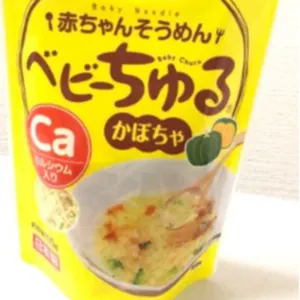
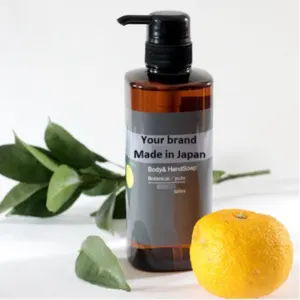
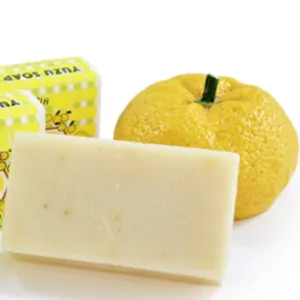
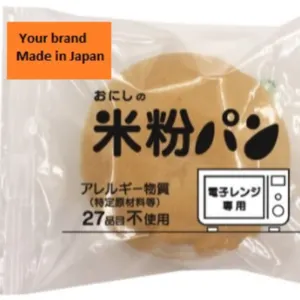
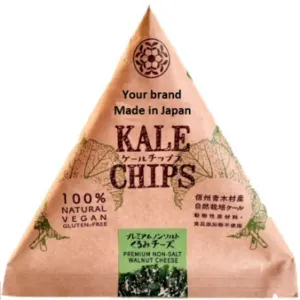
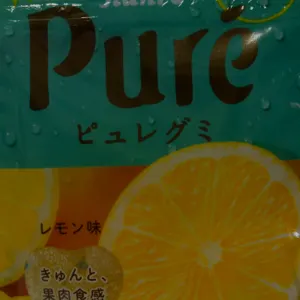
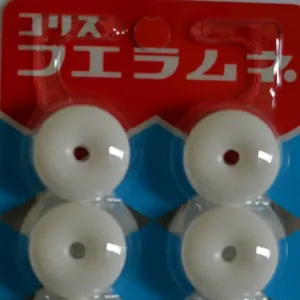
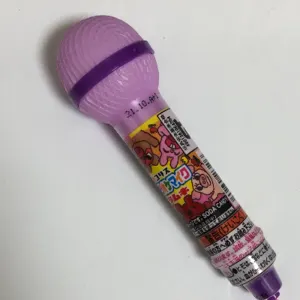
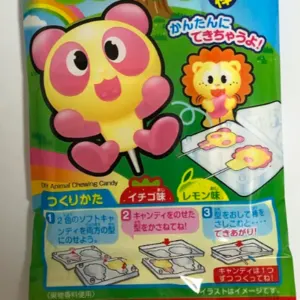
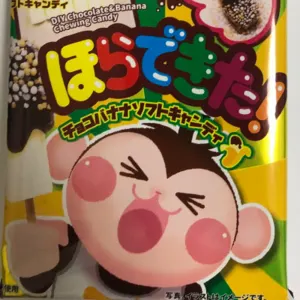
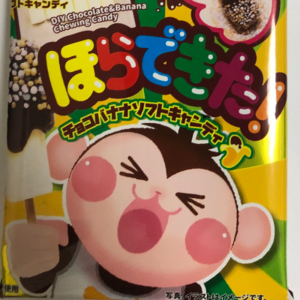
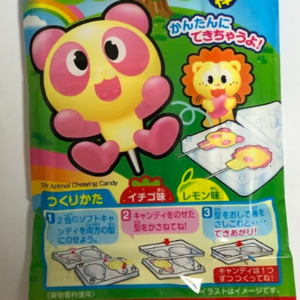
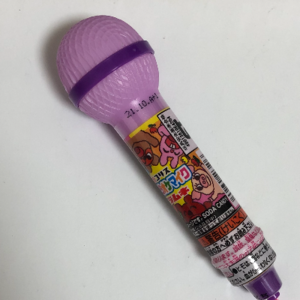
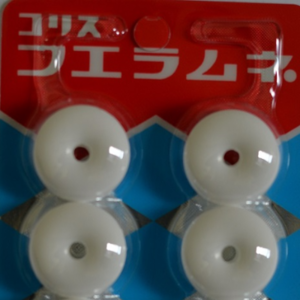
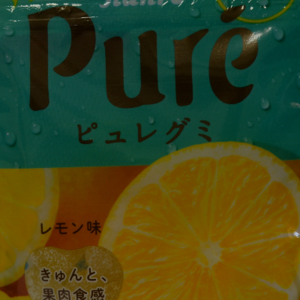
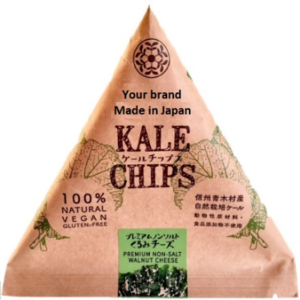
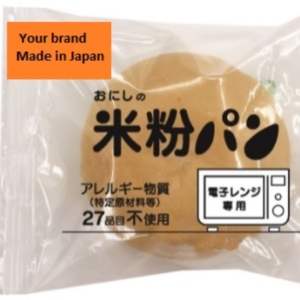
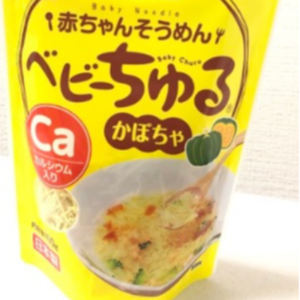
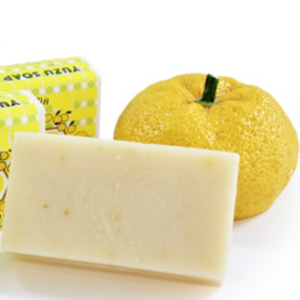
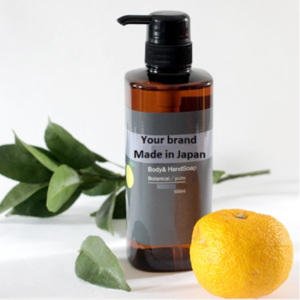
Nihonmoto Co., Ltd. is a Japan-based supplier operating from the Hyogo and Osaka region, with an active catalogue of 10 products spanning sugar confectionery, chocolate-based candies, packaged bakery items, savory snack chips, specialty noodles, and personal-care soap. The confectionery line covers five HS 1704.90 entries, including a Horadekita chocolate-banana soft candy, a Wakuwaku doubutsu soft candy with strawberry and lemon flavors, a Karaoke Mic Ramune sugar-based hard candy in a PET/PP microphone-shaped container, a Whistle Candy, and a Pure Gummy in lemon flavor built on food-grade arabic gum and gelatin. Beyond confectionery, the catalogue lists a gluten-free vegan kale chip under HS 2004.90 using organic kale and a cashew-based walnut cheese, a gluten-free bread under HS 1905.90 made from rice flour and tapioca starch, and a baby somen pumpkin-flavor noodle under HS 1902.19 using durum wheat flour. Two soap SKUs fall under HS 3401.30, a yuzu bar soap using sodium palmate and sodium palm kernelate with citrus junos extract, and a yuzu body and hand wash using sodium laureth sulfate and glycerin.
The product mix reflects a clear focus on Japanese-origin consumer goods offered under OEM and private-label terms, with most items explicitly labeled as "Made In Japan." Materials across the 10 SKUs are predominantly food-grade: sugar, glucose syrup, gelatin, arabic gum, citric acid, and natural flavorings dominate the candy line, while rice flour, tapioca starch, and modified starch anchor the gluten-free bread. The soap range uses standard cosmetic-grade surfactants combined with yuzu (Citrus junos) extract, a citrus variety cultivated across Japan and valued in personal care for its fragrance profile. The catalogue combines playful novelty formats (microphone-shaped hard candy, whistle candy, animal-shaped soft candy) with functional categories such as gluten-free and vegan items, suggesting a supplier positioned for buyers sourcing differentiated Japanese consumer products for retail and gifting channels.
Product Range and Specialties of Nihonmoto Co., Ltd.
The Nihonmoto Co., Ltd. catalogue is concentrated in HS chapter 17 (sugar confectionery, HS 1704.90), which accounts for five of the ten active products, alongside single entries in HS 1902.19 (pasta/noodles), HS 1905.90 (baked goods), HS 2004.90 (prepared vegetables), and HS 3401.30 (organic-surface-active soaps). Buyers of sugar confectionery in this category typically encounter soft candies with a moisture range of roughly 8-15 percent and a Brix of 75-85, gelatin-based gummies using 8-12 percent gelatin or arabic gum alternatives, and hard candies with a sugar content above 90 percent. Novelty formats such as whistle candy, lollipop-style items, and character-shaped soft candy are a recognized segment of the Japanese domestic confectionery market and are commonly exported as gift, seasonal, and tourist-channel items. The gluten-free bread SKU fits the broader Japanese rice-flour bakery category, where rice flour, tapioca starch, and modified starch are standard substitutes for wheat gluten, and products are typically labeled under local allergen-disclosure rules. The kale chip is positioned in the HS 2004.90 prepared-vegetable segment, with kale-based snacks commonly produced as baked or dehydrated rather than fried, often paired with nut-based cheese analogues for vegan formulations. The two soap SKUs sit in the organic surfactant soap category, where Japanese yuzu soaps are a recognized sub-segment using cold-process or milled soap bases with sodium palmate and palm kernelate, or liquid formats using SLES with glycerin for hand and body use.
The baby somen noodle under HS 1902.19 is a wheat-based pasta made from durum wheat flour with pumpkin extract, positioned in the infant and toddler feeding segment where thin wheat noodles (typically 0.9-1.2 mm diameter) are standard. Across the catalogue, the consistent "OEM Private Label" designation on nine of the ten SKUs signals that the supplier works with buyers on packaging and branding, which is typical for Japanese confectionery and personal-care exporters serving overseas retail and souvenir channels. Common buyer-facing specifications in these categories include ingredient declarations in Japanese domestic format, country-of-origin labeling, net weight per unit (commonly 30-80 g for soft candies, 50-100 g for hard candy novelty packs, and 80-150 g for bar soaps), and shelf-life statements (typically 9-12 months for candy, 6-9 months for kale chips, and 24-36 months for soap).
Trade and Export Information - Nihonmoto Co., Ltd.
Sugar confectionery under HS 1704.90 is a globally traded category, with typical importing regions including North America, the European Union, Southeast Asia, the Middle East (notably the UAE and Saudi Arabia), and Oceania, where Japanese novelty and character candies are sold through specialty retail, duty-free, and Asian-grocery channels. Japanese exporters of HS 1704.90 products typically ship in corrugated cartons of 12-48 consumer units, palletized for 20 ft container loads of roughly 8-12 metric tons depending on SKU density. The kale chip (HS 2004.90) and gluten-free bread (HS 1905.90) sit in categories where buyers in the EU, Australia, and parts of North America commonly require gluten-free certification, ingredient traceability, and allergen statements; vegan claims on the kale chip additionally imply plant-based ingredient verification. The baby somen noodle (HS 1902.19) falls under pasta and noodle HS subheadings that, in many importing jurisdictions, require compliance with local food-safety standards and, for infant-targeted products, additional labeling and composition rules.
For the soap range under HS 3401.30, buyers in the EU typically require compliance with the EU Cosmetics Regulation (EC) No 1223/2009, including a Cosmetic Product Safety Report and notification via the CPNP portal, while the US market requires FDA registration and FDA-compliant ingredient labeling under 21 CFR 701. Japanese exporters of cosmetic soaps commonly hold ISO 22716 (Good Manufacturing Practices for Cosmetics) certification, and buyers should request confirmation of this or equivalent GMP documentation. Across all ten SKUs, food-contact and cosmetic-contact packaging (the PET/PP microphone container on the Ramune candy, soap wrappers, and noodle bags) should comply with destination-market food-contact regulations such as EU Regulation 1935/2004 or US FDA 21 CFR 174-179. Incoterms commonly used for Japanese confectionery and consumer-goods exports include FOB Yokohama/Kobe, CIF, and DAP, with sea freight from Kobe or Osaka ports being the standard outbound routing for Asia, Europe, and the Americas. Japanese-origin sugar confectionery and personal-care products are generally regarded in destination markets as premium-tier imports, with the "Made in Japan" designation carrying recognized consumer recognition in East and Southeast Asia, North America, and parts of Europe.
Sourcing from Nihonmoto Co., Ltd. - Buyer Guidance
Buyers sourcing from Nihonmoto Co., Ltd. should request a current ingredient declaration, country-of-origin documentation, and a Certificate of Conformity for each of the ten SKUs, since the catalogue spans food (HS 1704.90, 1902.19, 1905.90, 2004.90) and cosmetic (HS 3401.30) categories with different regulatory regimes. For the five confectionery items under HS 1704.90, it is standard practice to ask for a microbiological test report (total plate count, yeast and mold, coliforms), a sugar and moisture specification sheet, and confirmation of shelf life and storage conditions; for novelty-format items such as the Karaoke Mic Ramune and Whistle Candy, the food-contact status of the PET/PP container should also be verified. For the gluten-free bread (HS 1905.90) and kale chip (HS 2004.90), buyers should request gluten-test certification (commonly <20 mg/kg under Codex Alimentarius GL 254/2010 thresholds) and, for the vegan kale chip, a statement confirming no animal-derived ingredients or processing aids. For the baby somen noodle (HS 1902.19), buyers targeting infant or toddler channels should request age-appropriate labeling, allergen statements, and confirmation of compliance with destination-market infant-food rules. For the two soap SKUs under HS 3401.30, buyers should request a full ingredient INCI list, a Cosmetic Product Safety Report (for EU), FDA registration confirmation (for US), and a Certificate of Free Sale or equivalent. Pre-shipment verification should include production samples, OEM artwork and packaging proofs, and a clear written confirmation of MOQ per SKU, lead time, and Incoterm; these signals are particularly important given that nine of the ten products are offered under OEM private-label terms.
Frequently Asked Questions About Nihonmoto Co., Ltd.
What product categories does Nihonmoto Co., Ltd. supply?
The supplier lists 10 active products across sugar confectionery (HS 1704.90, five SKUs), gluten-free bread (HS 1905.90), kale chips (HS 2004.90), baby somen noodles (HS 1902.19), and two yuzu-based soap SKUs (HS 3401.30). Most items are offered under OEM Private Label terms and are labeled Made In Japan.
Which certifications should buyers request for the candy range?
Buyers should request a current Certificate of Conformity, ingredient declaration, microbiological test report (total plate count, yeast and mold, coliforms), and confirmation of food-contact compliance for any novelty packaging such as the PET/PP microphone container on the Ramune candy. ISO 22000 or FSSC 22000 certification is commonly expected for Japanese confectionery exporters.
What documents are typically required for the soap SKUs?
For the yuzu bar soap and yuzu body and hand wash under HS 3401.30, buyers should request a full INCI ingredient list, a Cosmetic Product Safety Report (EU Regulation 1223/2009), FDA cosmetic registration for US-bound shipments, and confirmation of ISO 22716 cosmetic GMP. A Certificate of Free Sale is also commonly requested.
What is the typical MOQ and lead time for Japanese confectionery OEM orders?
MOQ for Japanese OEM confectionery is commonly set per SKU and per packaging format, with lead times of roughly 30-60 days for production after artwork approval, plus sea transit from Kobe or Osaka. Exact figures should be confirmed in writing with the supplier for each of the 10 SKUs.
Which packaging and shipping standards apply to these goods?
Sugar confectionery is typically packed in corrugated cartons of 12-48 consumer units, palletized for 20 ft containers of roughly 8-12 metric tons. Soaps and noodles follow similar carton-and-pallet norms, with food-contact and cosmetic-contact packaging required to comply with destination-market regulations such as EU 1935/2004 or US FDA 21 CFR 174-179.
What quality parameters are standard for the soft candy and gummy SKUs?
Soft candies in the HS 1704.90 category typically have a moisture content of 8-15 percent and a Brix of 75-85, while gummies commonly use 8-12 percent gelatin or arabic gum as the binder. Buyers should request the supplier's specification sheet for sugar content, moisture, pH, and shelf life for each of the five candy SKUs.
Which regions typically import Japanese confectionery and personal-care products?
Japanese sugar confectionery and yuzu soap products are commonly imported into North America, the European Union, Southeast Asia, the Middle East (UAE, Saudi Arabia), and Oceania. The "Made in Japan" designation carries recognized consumer recognition across these regions, particularly in Asian-grocery, duty-free, and specialty retail channels.




 , Japan