Mondial Logistics Shipping Agency — Verified Supplier
About Mondial Logistics Shipping Agency - Herbs & Spices Supplier in Egypt
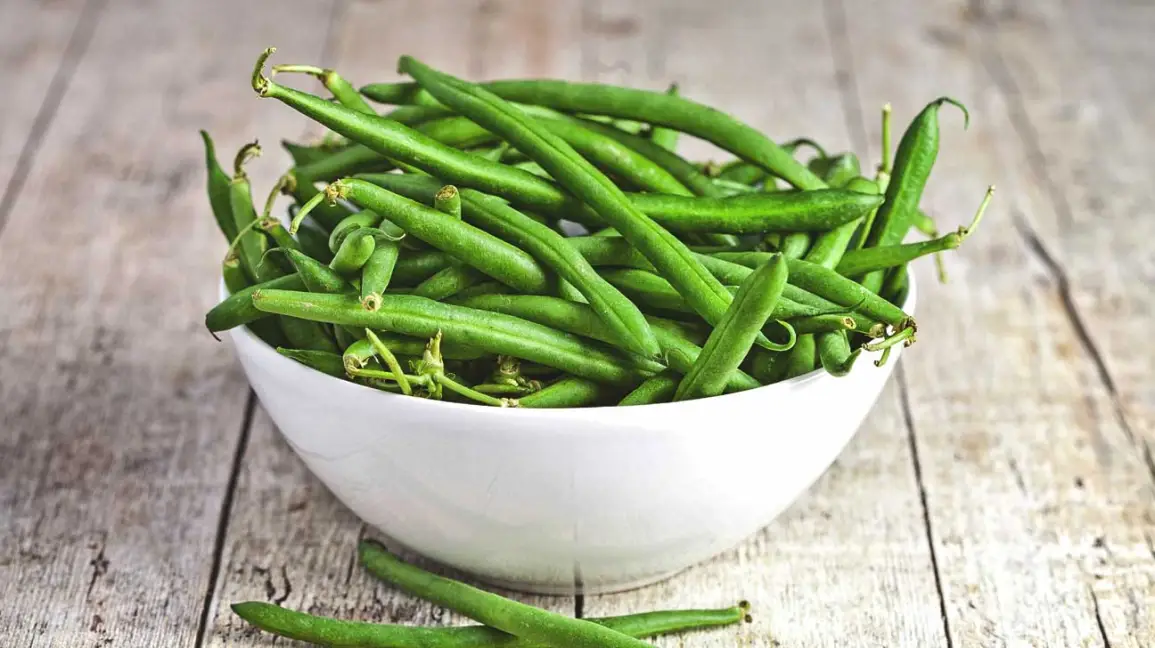
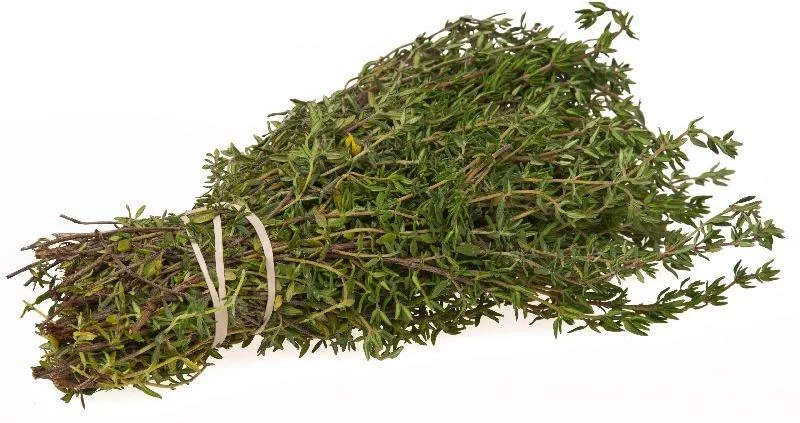
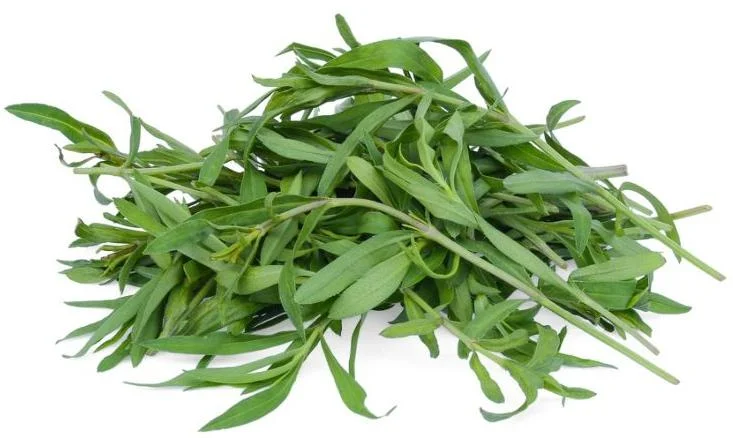
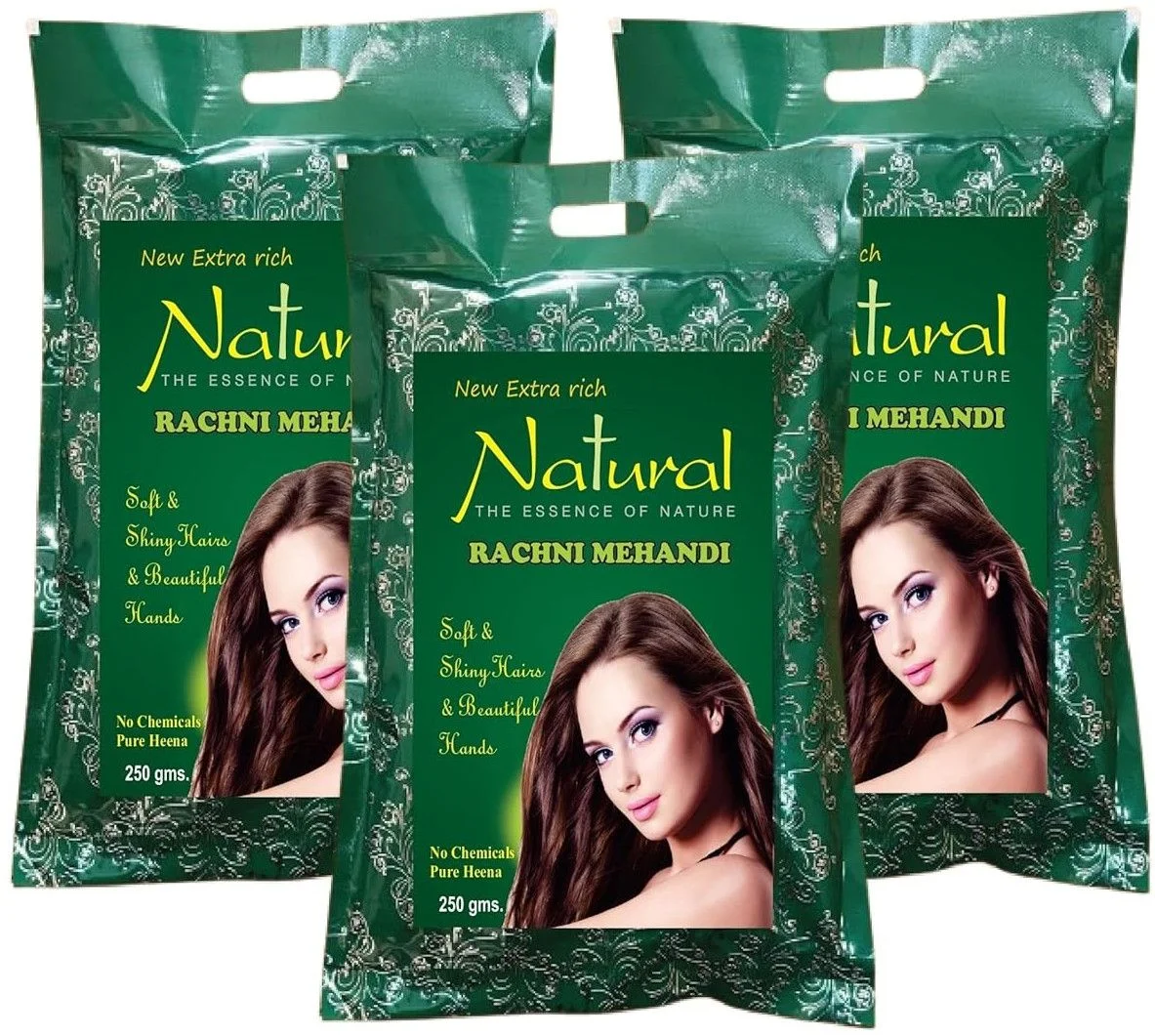
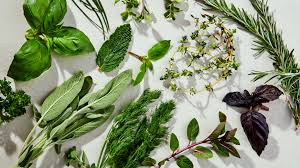
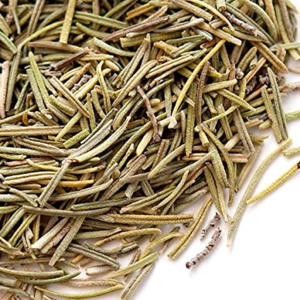
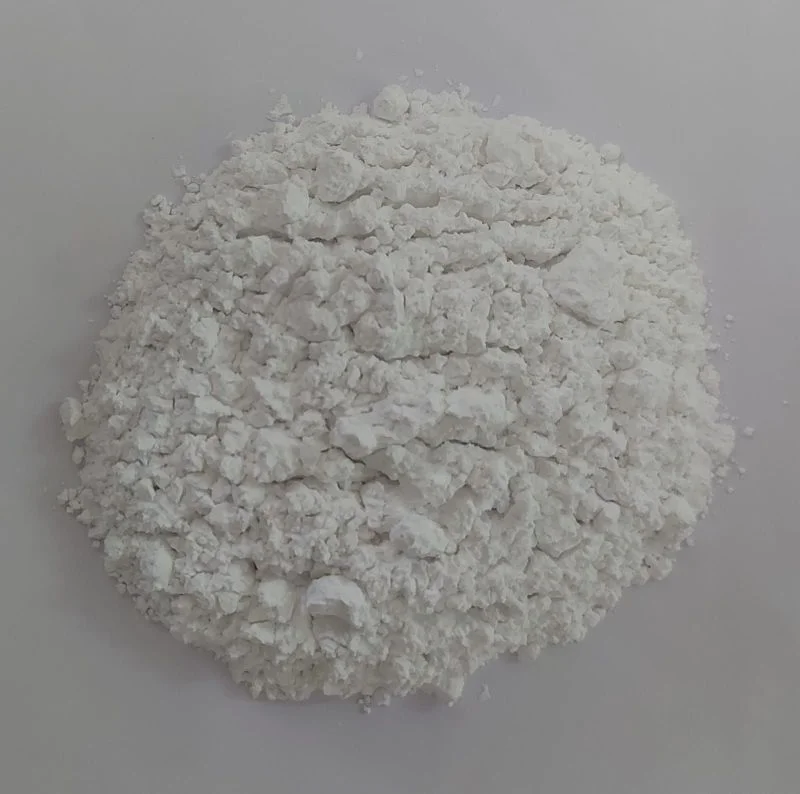
Egypt is the source country for Mondial Logistics Shipping Agency, which lists 29 active products in its catalogue. The supplier’s portfolio focuses on herbs, spices and related plant materials, covering items such as chamomile, thyme, lemongrass, sage and a range of seeds and powders. Products are classified under HS code families for dried herbs (e.g., 0910) and dried legumes (e.g., 0713), with two items - dried Lima beans (HS 0713.39) and dried laurel leaves (HS 0910.99) - explicitly coded. The catalogue includes both whole herbs and ground powders, reflecting typical market segmentation between bulk raw material and value‑added spice blends. Mondial’s listings span common culinary and medicinal botanicals used in food processing, cosmetics and traditional remedies.
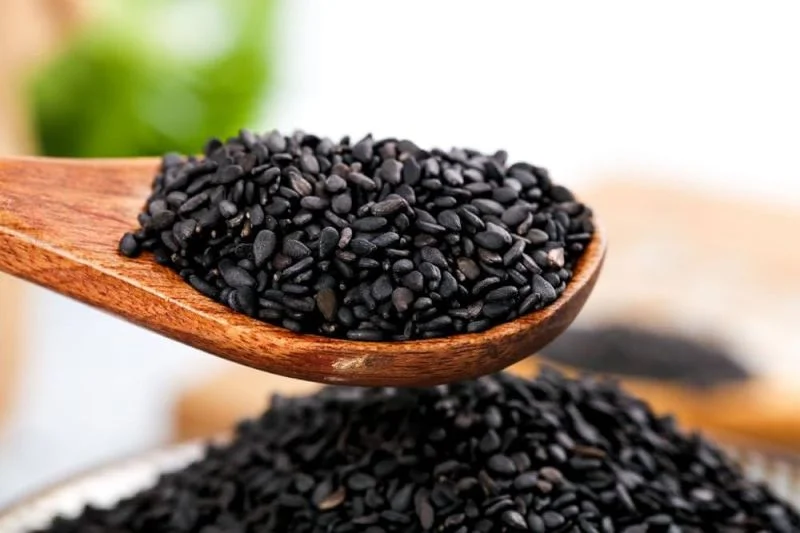
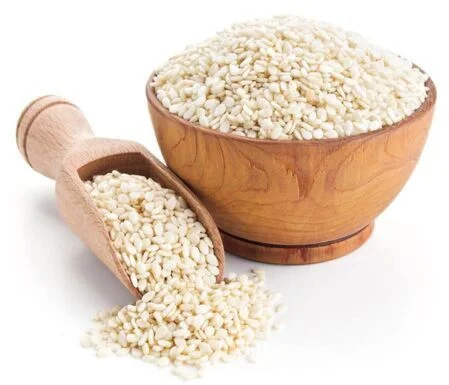
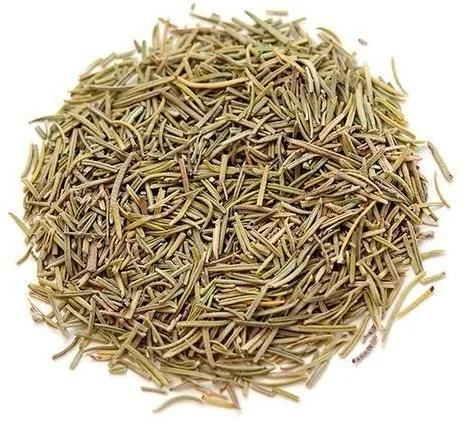
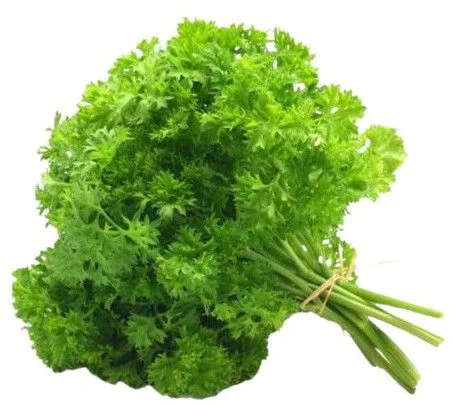
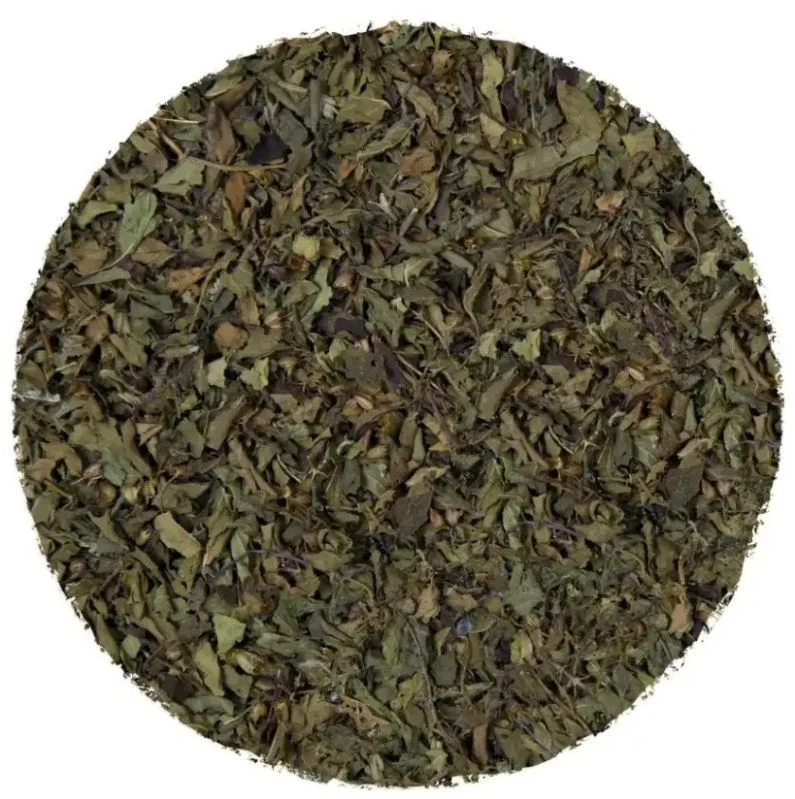
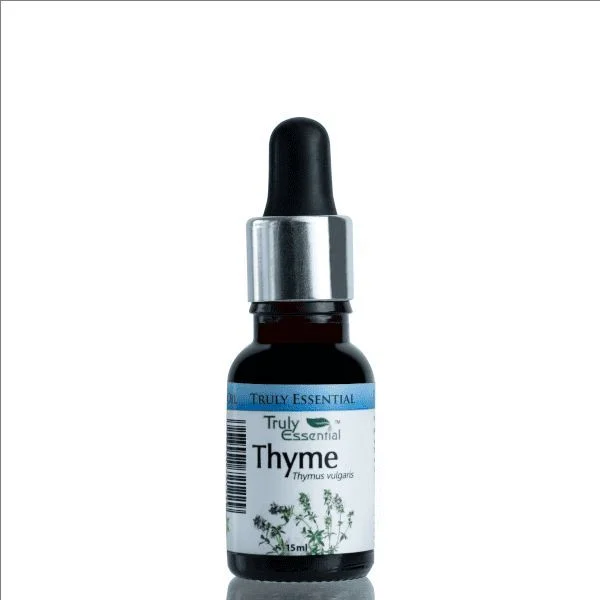
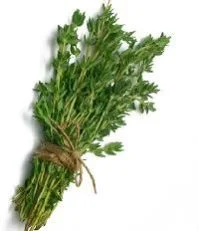
The detailed product list comprises chamomile, thyme, lemon grass, sage, marjoram, spearmint, peppermint, coriander seeds, fenugreek seeds, lima beans, coriander powder, fenugreek powder, caraway seeds, cumin seeds, cumin powder, calendula, melokheya, henna, hibiscus, basil, parsley, rosemary, anise seeds, sesame seeds, fennel seeds, red chili, fennel powder, dill tips and laurel leaves. Each entry is presented without specific batch size, but the HS codes for lima beans and laurel leaves indicate dried plant material suitable for bulk shipment. The range reflects the typical diversity of Egyptian herb and spice production, which is known for aromatic quality and suitability for both domestic consumption and export.
Product Range and Specialties of Mondial Logistics Shipping Agency
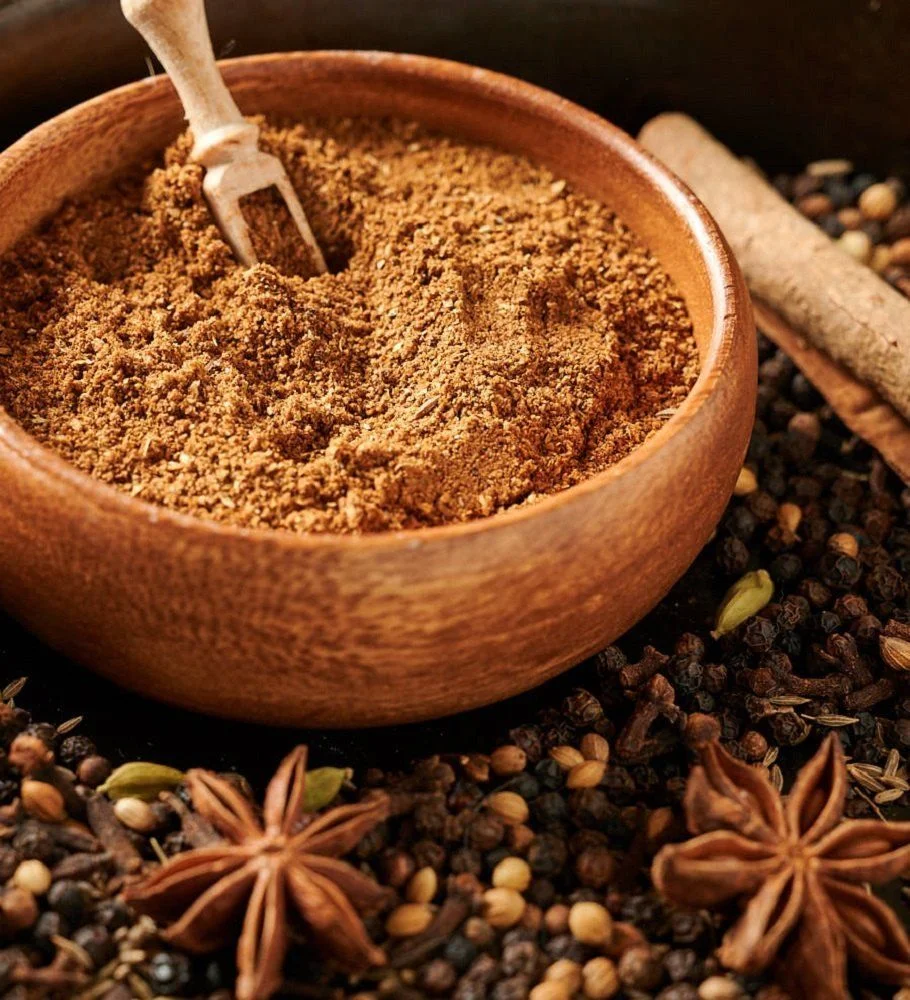
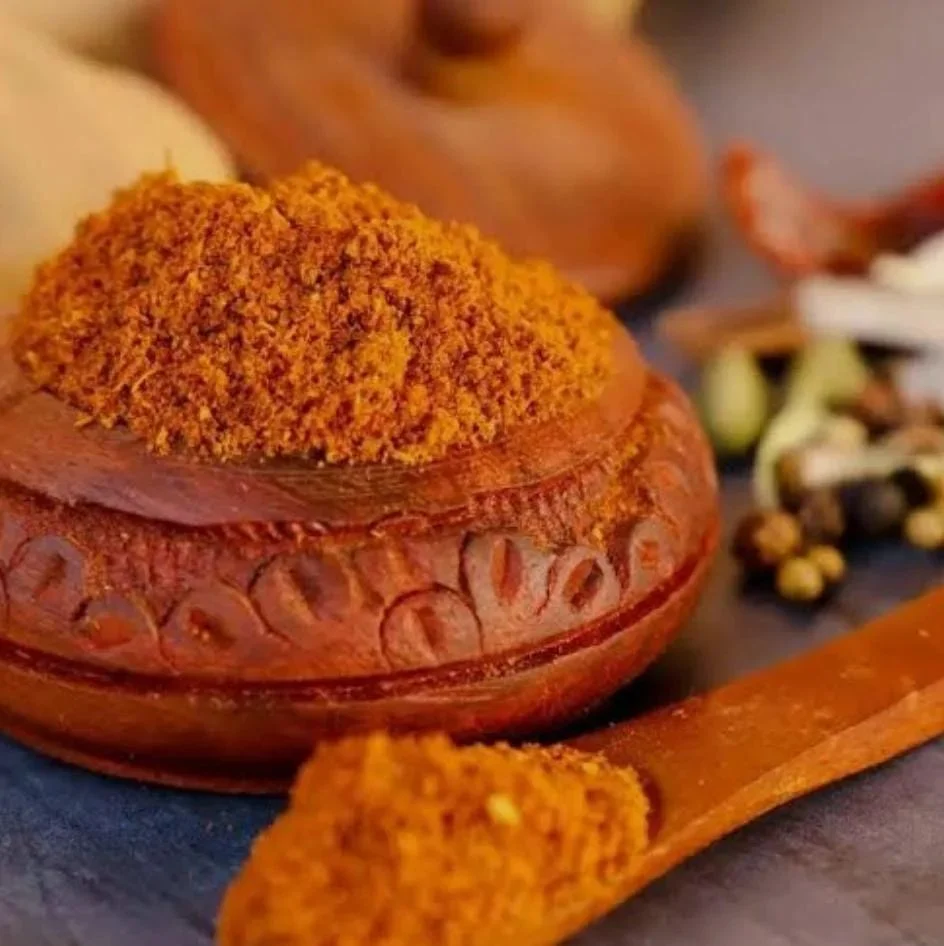
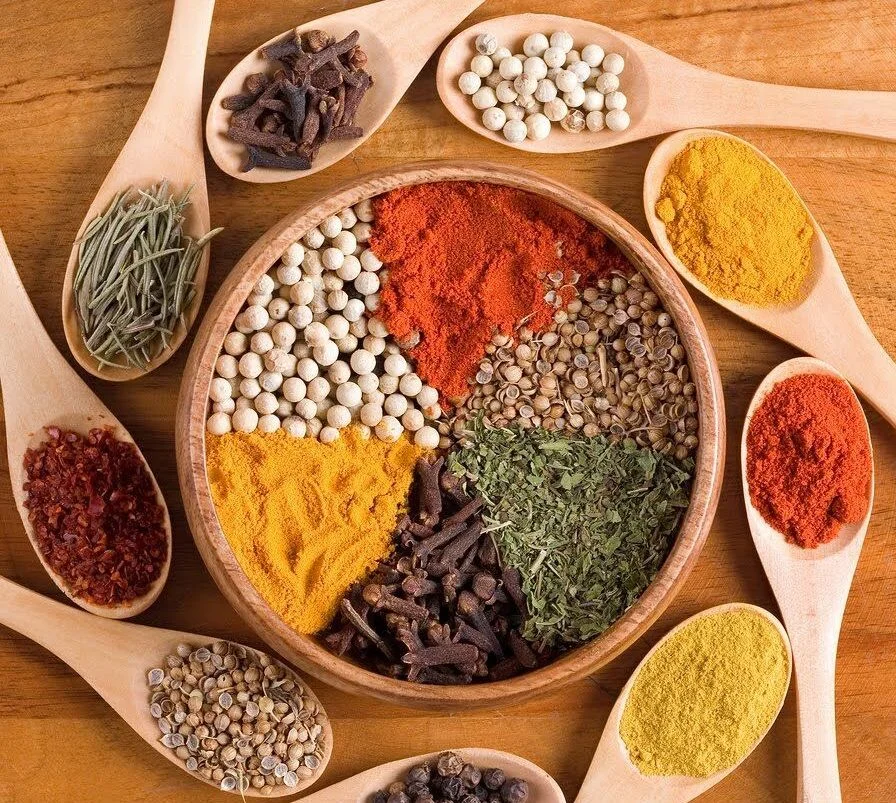
The catalogue covers a full spectrum of dried herbs (e.g., thyme, sage, rosemary) and seed spices (e.g., cumin, coriander, fennel) as well as powdered forms such as cumin powder and coriander powder. In the spice industry, buyers usually specify moisture content below 12 % for whole seeds and below 8 % for powders, particle size between 0.5‑1 mm for fine powders, and essential‑oil retention measured by gas chromatography. Egyptian herb exporters often meet ISO 22000 and HACCP food‑safety standards, and many products are available with organic certification (EU organic 834/2007) when required.
Standard packaging for these commodities includes 20 kg polypropylene bags for bulk orders, with optional 25 kg paper bags for premium herbs. Bulk shipments are typically loaded in 20‑foot or 40‑foot containers, yielding 20‑25 metric tons per container depending on packaging density. The HS code 0910 covers dried aromatic herbs, while seed spices fall under HS 0905, providing a clear customs classification for buyers.
Trade and Export Information - Mondial Logistics Shipping Agency
Egypt ranks among the top exporters of dried herbs and spices to the European Union, the Gulf Cooperation Council and North America. The country benefits from a Mediterranean climate that supports high essential‑oil yields, and its export logistics are facilitated through ports such as Alexandria and Damietta, aligning with the supplier’s harbor trust tier. HS chapter 09 (09.10 for dried herbs, 09.05 for seed spices) is commonly inspected under the EU’s Rapid Alert System for Food and Feed (RASFF) and the US FDA’s Food Safety Modernization Act (FSMA).
Typical import requirements include a phytosanitary certificate, a certificate of origin and compliance with maximum residue limits (MRLs) for pesticide residues as defined by the EU and US. Buyers often request third‑party lab analysis reports for moisture, ash, volatile‑oil content and microbial limits (e.g., total plate count <10⁴ CFU/g). Shipping is usually on CIF terms with containers sealed at the port of loading, and goods are stored in temperature‑controlled warehouses to preserve aromatic quality.
Sourcing from Mondial Logistics Shipping Agency - Buyer Guidance
When sourcing from Mondial Logistics, buyers should ask for a product specification sheet that lists moisture percentage, foreign‑matter limit, essential‑oil content and any organic or non‑GMO status. Samples should be requested in a minimum of 1 kg of the final packaged form to allow laboratory verification of the declared parameters.
In addition to the specification sheet, confirm that the supplier can provide a phytosanitary certificate, a certificate of origin and, where applicable, ISO 22000 or HACCP audit reports. Verification of HS codes (e.g., 0713.39 for dried lima beans) helps ensure correct tariff treatment, and buyers should align container loading plans with the standard 20 kg bag packaging to avoid unexpected freight volume.
Frequently Asked Questions About Mondial Logistics Shipping Agency
What product categories does Mondial Logistics list?
They list dried herbs, seed spices and powdered spices including chamomile, thyme, lemon grass, sage, marjoram, spearmint, peppermint, coriander seeds, fenugreek seeds, lima beans, coriander powder, fenugreek powder, caraway seeds, cumin seeds, cumin powder, calendula, melokheya, henna, hibiscus, basil, parsley, rosemary, anise seeds, sesame seeds, fennel seeds, red chili, fennel powder, dill tips and laurel leaves.
Which HS codes are associated with the catalogue?
The only HS codes provided are 0713.39 for dried Lima beans (Phaseolus lunatus) and 0910.99 for dried laurel leaves (Laurus nobilis). Other herbs and spices fall under the broader HS chapters 0905 for seed spices and 0910 for dried aromatic herbs.
What typical quality specifications should a buyer verify for these herbs and spices?
Buyers normally check moisture content (below 12 % for whole herbs, below 8 % for powders), foreign‑matter limits (usually under 2 %), essential‑oil content (e.g., thyme ≥1.5 % v/v) and microbial limits such as total plate count under 10⁴ CFU/g with E. coli absent. Pesticide residue compliance with EU or US maximum residue limits is also routinely required.
What documentation is commonly required before shipment?
Standard documents include a phytosanitary certificate, certificate of origin, commercial invoice and packing list. If claimed, ISO 22000 or HACCP audit reports, organic certificates and laboratory test reports for moisture, ash and volatile‑oil content are frequently requested.
What are the usual packaging and container sizes for these products?
Bulk herbs and seeds are typically packed in 20 kg polypropylene bags, sometimes 25 kg paper bags for premium items. These bags are loaded into 20‑foot or 40‑foot containers, achieving roughly 20‑25 metric tons per 40‑foot container depending on product density.
Which markets import Egyptian herbs and spices most frequently?
The European Union, Gulf Cooperation Council countries (Saudi Arabia, UAE, Qatar) and the United States are the primary import destinations for Egyptian dried herbs and seed spices.
How can a buyer request a sample from Mondial Logistics?
Buyers should submit a written request specifying the exact product, desired quantity (minimum 1 kg of packed material) and the testing parameters they intend to verify. The supplier will arrange shipment of the sample under the agreed Incoterm, usually FCA at the Egyptian port of loading.




 , Egypt