MIRCHILLIS AGRO TRADERS — Verified Supplier
About MIRCHILLIS AGRO TRADERS - Agricultural Products Supplier in South Africa
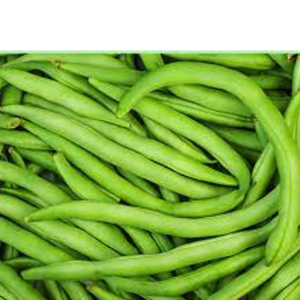
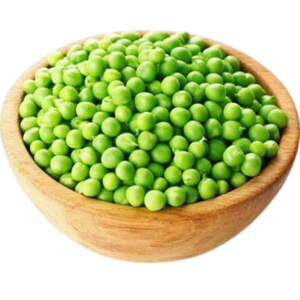
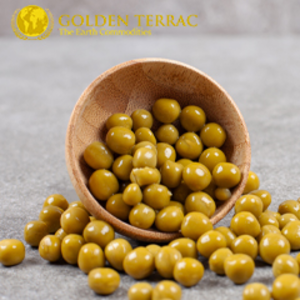
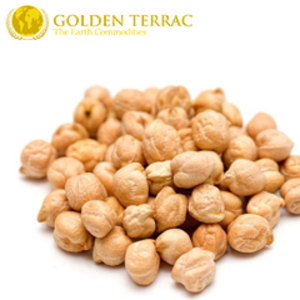
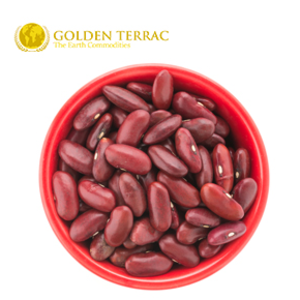
South Africa serves as the base for MIRCHILLIS AGRO TRADERS, which lists ten active agricultural products in its catalogue. The supplier covers a mix of sweeteners, legumes, spices and coffee, featuring items such as ICUMSA 45 sugar, polished beet sugar, basmati and non‑basmati rice, pigeon peas, cloves, raw cashew kernels, green coffee beans, whole black peppercorns, chickpeas and Phaseolus vulgaris beans. Each product is associated with a specific HS‑code family, for example HS 1701.99 for refined white beet sugar and HS 0713.90 for dried pigeon peas. The catalogue reflects both staple food commodities and high‑value spice and nut products that are commonly traded from Southern Africa.
The product list groups under three HS‑code chapters: Chapter 17 (sugar, HS 1701.99), Chapter 07 (legumes and spices, HS 0713.20, 0713.39, 0713.90, 0907.00) and Chapter 09 (coffee and pepper, HS 0901.11, 0904.11). Rice is catalogued under Chapter 10 (HS 1006.30). This structure aligns with standard customs classification, allowing buyers to locate the relevant tariff lines quickly. The supplier’s active count of ten items demonstrates a focused catalogue rather than a broad commodity portfolio.
Product Range and Specialties of MIRCHILLIS AGRO TRADERS
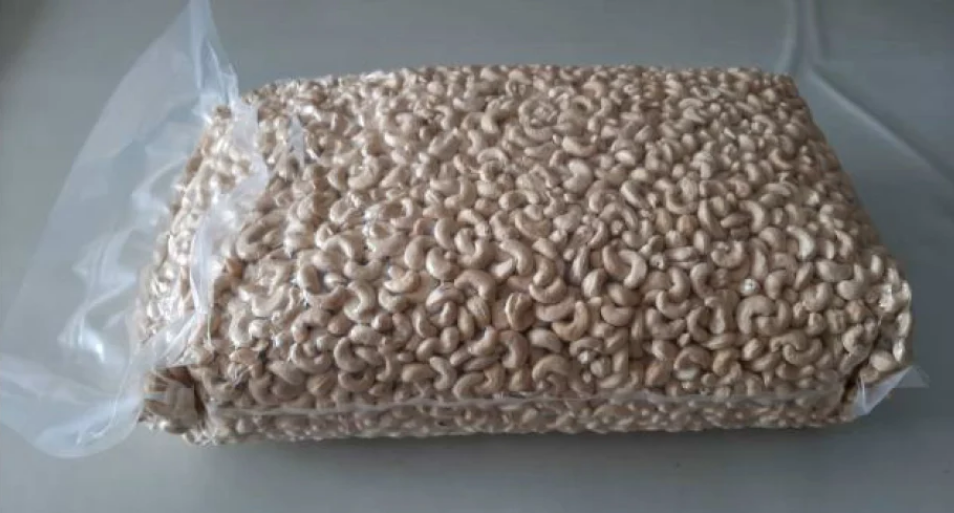
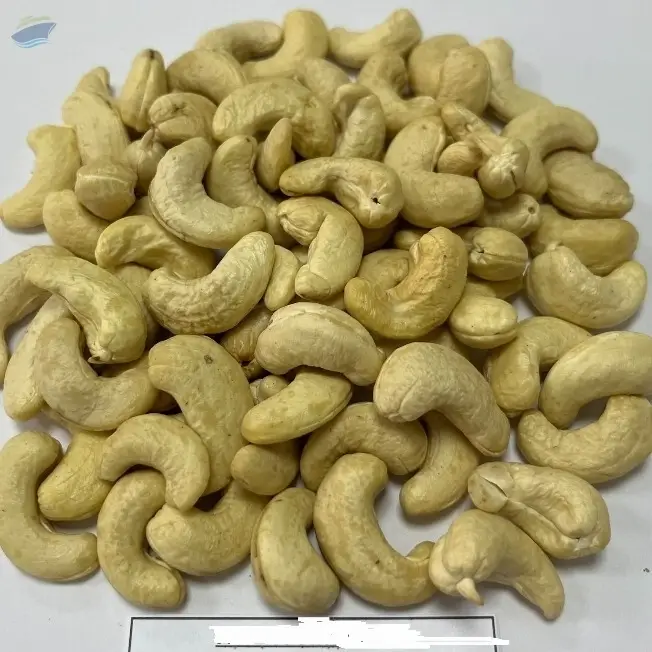
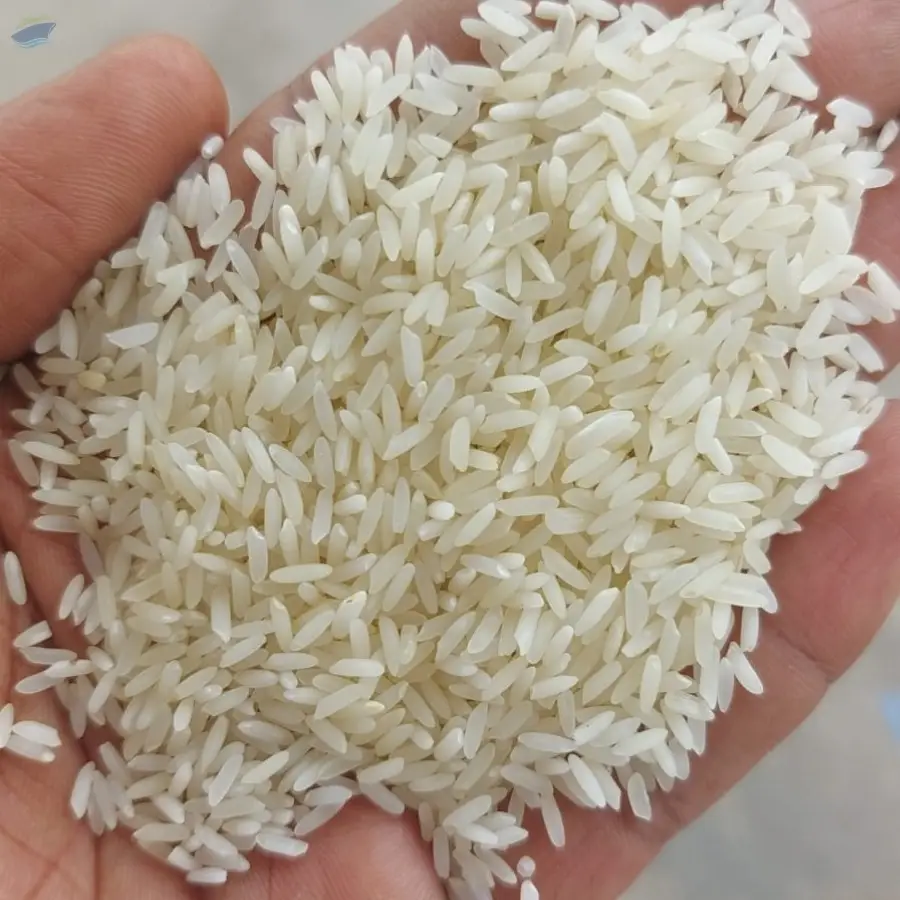
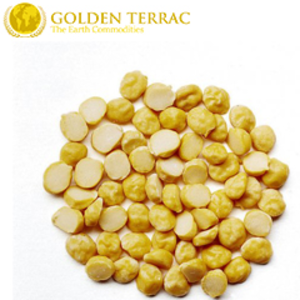
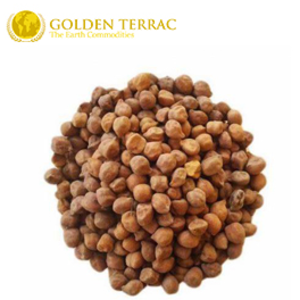
The catalogue includes refined white beet sugar marketed as ICUMSA 45, which conforms to the International Commission for Uniform Methods of Sugar Analysis standard of 45 mg purity per 100 g. Polished beet sugar under the same HS code typically meets moisture limits of 0.5 % and ash content below 0.02 %. Basmati and non‑basmati rice fall under HS 1006.30 and are usually graded by kernel length (≥7 mm for long‑grain) and moisture (12‑14 %). Dried pigeon peas (HS 0713.90) and chickpeas (HS 0713.20) are commonly exported with moisture ≤12 % and free from foreign matter below 0.5 %. Cloves (HS 0907.00) and black peppercorns (HS 0904.11) are graded by oil content (cloves ≈ 5‑7 % volatile oil, pepper ≈ 5‑7 % piperine) and moisture ≤13 %. Raw cashew kernels (HS 0801.32) are typically classified by kernel size (large ≥ 15 mm) and moisture ≤5 %. Green coffee beans (HS 0901.11) are evaluated by screen size (e.g., 15/18) and moisture 10‑12 %.
Industry practice adds that buyers often request certificates of analysis confirming these specifications, as well as phytosanitary certificates for legumes and spices. Typical packaging includes 20‑ft containers with inner bulk bags (e.g., 1 ton polypropylene bags for sugar, 20 kg jute bags for legumes, 25 kg cartons for spices) and moisture‑resistant liners for coffee beans.
Trade and Export Information - MIRCHILLIS AGRO TRADERS
South Africa is a recognized exporter of sugar, legumes, coffee and spice products to the European Union, the Middle East and Asian markets such as India, China and the United Arab Emirates. HS chapter 17 sugar shipments normally require a phytosanitary certificate and a certificate of origin, while legumes under HS 0713 often need a fumigation certificate and compliance with EU pesticide residue limits (maximum residue limits, MRLs). Coffee beans (HS 0901) are subject to EU coffee quality standards, including cup‑profile testing and moisture verification. Spices like cloves and black pepper (HS 0907 and 0904) frequently require ISO 22000 or HACCP certification and a declaration of volatile oil content for customs clearance. South African exporters typically use FOB or CIF Incoterms, with cargo packed in 20‑ft or 40‑ft containers, bulk bags for bulk commodities and cartonised packs for higher‑value items. Export documentation commonly includes the commercial invoice, packing list, bill of lading, certificate of origin, phytosanitary certificate and, where required, a fumigation certificate.
The regional logistics hub at Durban handles the bulk of containerised shipments, offering refrigerated containers for coffee and climate‑controlled storage for sugar. Buyers in the EU often request compliance with EU food safety regulations (Regulation (EC) No 178/2002) and may ask for third‑party laboratory test reports on pesticide residues, mycotoxins and heavy metals.
Sourcing from MIRCHILLIS AGRO TRADERS - Buyer Guidance
When sourcing from MIRCHILLIS AGRO TRADERS, buyers should request a recent Certificate of Analysis for each product, confirming parameters such as moisture, ash, purity (for sugar) and oil content (for spices). A phytosanitary certificate issued by South African authorities is mandatory for all dried legumes and nuts, while coffee shipments usually require a fumigation certificate and a moisture test report. Buyers are advised to verify the HS code on the commercial invoice matches the product description to avoid customs delays. Sample requests should specify the desired grade (e.g., ICUMSA 45 for sugar, long‑grain length ≥7 mm for rice) and include a test for pesticide residues if the destination market enforces strict MRLs. Confirm that packaging meets the buyer’s logistics plan - bulk bags for sugar, jute bags for legumes, sealed cartons for spices - and that the supplier can provide a bill of lading and insurance documentation under the chosen Incoterm.
Frequently Asked Questions About MIRCHILLIS AGRO TRADERS
What HS codes does MIRCHILLIS AGRO TRADERS use for its sugar products?
Both the ICUMSA 45 refined beet sugar and the generic polished beet sugar are classified under HS code 1701.99, which covers other refined sugars not elsewhere specified.
Which certifications should I ask for when importing the legumes listed by MIRCHILLIS AGRO TRADERS?
Request a phytosanitary certificate, a Certificate of Analysis showing moisture ≤12 % and foreign matter ≤0.5 %, and, if exporting to the EU, evidence of compliance with EU pesticide residue limits.
How are the coffee beans packaged for export?
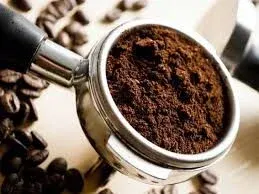
Green coffee beans (HS 0901.11) are typically packed in jute sacks of 60 kg each, placed inside a 20‑ft container with a moisture‑controlled liner to maintain 10‑12 % moisture content during transit.
What quality grade is expected for the ICUMSA 45 sugar?
ICUMSA 45 sugar must meet the International Commission for Uniform Methods of Sugar Analysis standard of 45 mg purity per 100 g, with moisture not exceeding 0.5 % and ash below 0.02 %.
Are there specific test reports required for cloves and black pepper?
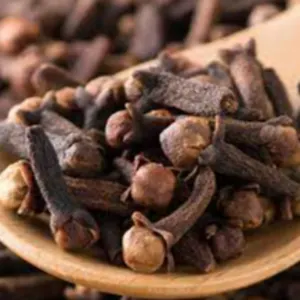
Buyers usually request a test report confirming volatile oil content (cloves 5‑7 % oil, black pepper 5‑7 % piperine) and moisture ≤13 %, along with an ISO 22000 or HACCP compliance statement.
What are the typical container sizes used for the rice products?
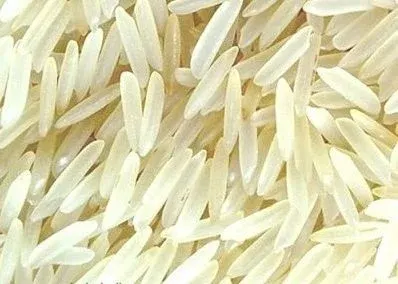
Basmati and non‑basmati rice (HS 1006.30) are commonly loaded in 20‑ft or 40‑ft containers, using bulk bags of 1 ton or palletised 25 kg cartons, depending on the buyer’s handling facilities.
What documentation is needed for customs clearance of cashew kernels?
A commercial invoice, packing list, bill of lading, certificate of origin, phytosanitary certificate and a Certificate of Analysis showing moisture ≤5 % and kernel size ≥15 mm are standard for HS 0801.32 shipments.
How can I verify the authenticity of the product listings?
Cross‑check the HS code, request recent laboratory test reports, and confirm that the supplier can provide the required export certificates (phytosanitary, fumigation, origin) before finalising the order.




 , South Africa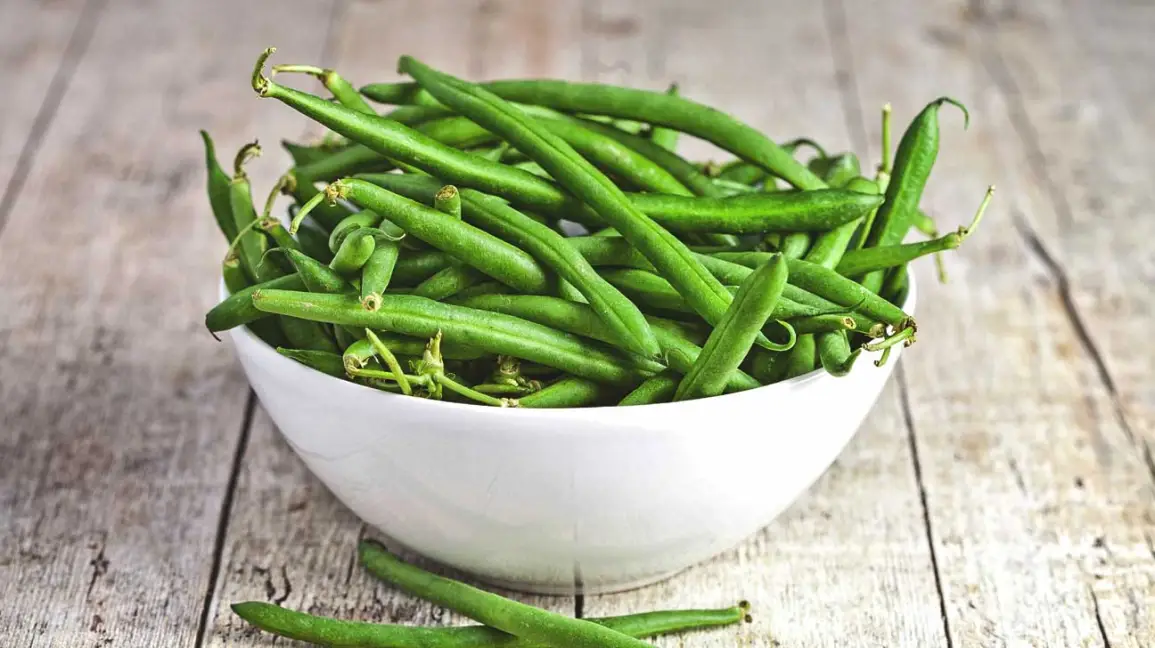



.jpg.png)