PPTE JNL — Verified Supplier
About PPTE JNL - Food Raw Material Supplier in Ukraine
PPTE JNL is located in Chernigov, Ukraine, and currently lists 17 distinct food raw material products. The company operates a grain‑processing complex with a daily groats milling capacity of 160 tons and grain elevators providing up to 15 000 tons of storage 20 km from the city. Its catalogue includes a range of legumes, cereals, and oilseeds that are typical outputs of Ukrainian grain agriculture. The product mix reflects the country's strong production of peas, wheat, barley, millet, corn and sunflower. All items are classified under HS chapters relevant to cereals (10), oil seeds (12) and milled products (21).
The listed items comprise yellow split peas, whole yellow polished peas, chickpeas, durum wheat, food‑grade wheat, pearl barley, yellow millet, millet gluten‑free, millet creamy white and red, buckwheat, yellow corn polenta, corn feed, pea flour, green pea flour, sunflower seeds, rape seeds and peas yellow kibble. These products fall into the categories of legumes (HS 0713), cereals (HS 1001‑1008), millets (HS 1008), corn milling products (HS 1005), and oil seeds (HS 1201‑1209). The catalogue does not specify individual HS codes, but each product aligns with the standard HS headings for its commodity group. The range is intended for food‑grade and feed applications. The supplier’s import tier is listed as “imported” with a trust tier of “harbor.”
Product Range and Specialties of PPTE JNL
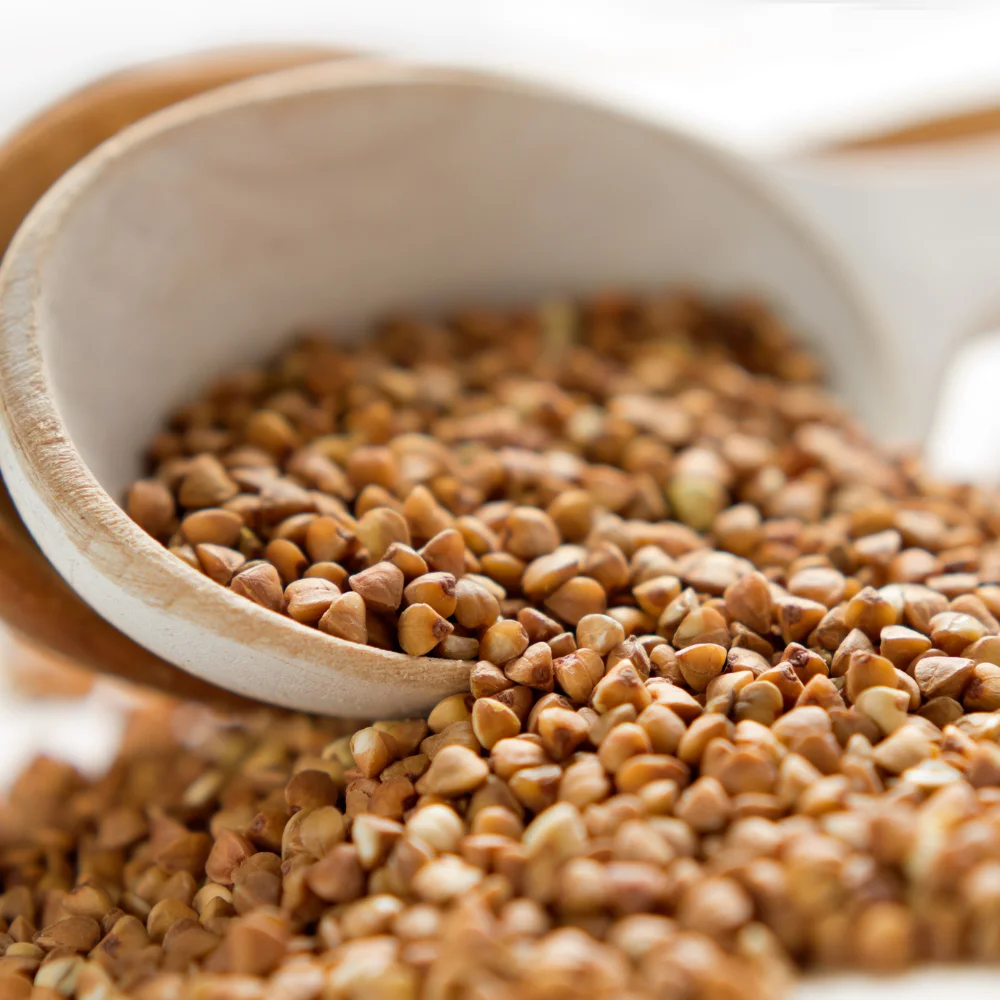
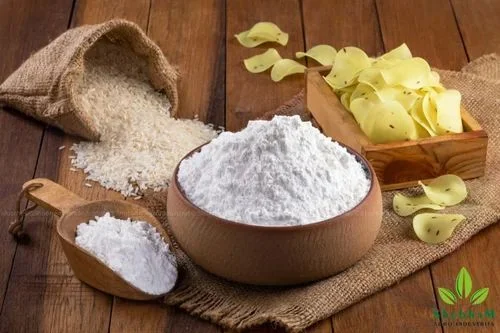
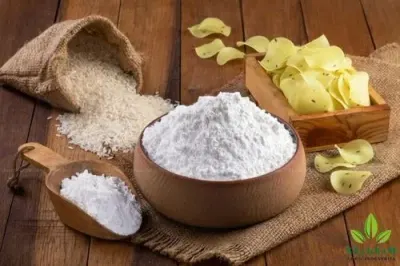
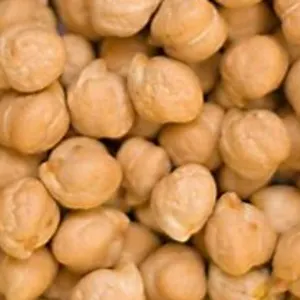
Legume products such as yellow split peas, whole peas and chickpeas are commonly supplied with moisture content below 13 % and protein levels between 20 % and 25 % for yellow peas, and 21 % - 24 % for chickpeas. International buyers often require size grading (e.g., 14 mm + for whole peas) and verification of low ash and foreign matter, typically documented in a Certificate of Analysis. Pea flour and green pea flour are milled to a particle size of 150‑250 µm, with moisture under 12 % and protein retention above 20 %. Millet varieties, including gluten‑free and creamy white/red, are usually graded by kernel size (2.5 mm + ) and have moisture limits of 12 % and ash below 1.5 %. Buckwheat is generally exported with moisture under 14 % and hull‑to‑kernel ratio below 10 %.
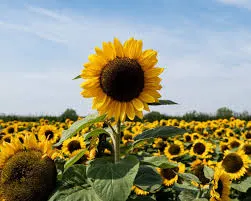
Cereal products such as durum wheat, food‑grade wheat, pearl barley and yellow corn polenta are evaluated against standard specifications for protein (durum wheat 12‑14 % protein, common wheat 10‑12 %), gluten strength and test weight. Corn feed is typically a feed‑grade grain with moisture under 14 % and mycotoxin limits set by EU regulations (aflatoxin B1 < 20 µg/kg). Sunflower and rape seeds are oilseed commodities where oil content (40‑45 % for sunflower, 38‑42 % for rape) and moisture under 5 % are key quality parameters. Standard export packaging includes 25 kg polypropylene bags, and a 20 ft container can accommodate roughly 800‑900 bags depending on product density. HS Chapter 10 covers the cereal grains while Chapter 12 applies to the oilseed products.
Trade and Export Information - PPTE JNL
Ukraine ranks among the top global exporters of cereals, legumes and oilseeds, supplying the EU, North Africa and East Asian markets. Export shipments from Chernigov are typically routed via rail to Black Sea ports such as Odesa, where they are loaded in 20 ft or 40 ft containers under FOB terms or as CIF to destination ports. Buyers commonly request phytosanitary certificates, EU‑compliant residue reports and, where applicable, ISO 22000 or HACCP audit reports. The HS code families involved (10, 12, 21) are subject to customs valuation based on weight and FOB price, and may trigger inspections for mycotoxins, pesticide residues and GMO status.
European Union importers frequently require compliance with Commission Regulation (EC) No 1881/2006 for maximum levels of contaminants, while MENA countries often stipulate Halal certification for legume products. Standard packaging of 25 kg bags includes moisture‑resistant liners and is palletized for container loading, allowing efficient handling and reduced breakage. Typical incoterms used by Ukrainian grain exporters include FCA (Free Carrier) at the rail terminal and CIF to major ports, providing flexibility for buyers’ logistics chains. Seasonal peak export volumes occur between May and September, aligning with the Ukrainian harvest calendar.
Sourcing from PPTE JNL - Buyer Guidance
When sourcing from PPTE JNL, buyers should request a recent Certificate of Analysis that details moisture, protein, ash, foreign matter and any contaminant testing for each lot. A phytosanitary certificate issued by the Ukrainian State Service of Ukraine on Plant Protection and Seed Inspection is standard for all food‑grade legumes and cereals. For oilseed shipments, an oil content analysis and pesticide residue report are advisable to meet EU and MENA import standards.
Buyers are recommended to verify the HS code used on the commercial invoice matches the product category (e.g., HS 0713 for dried peas, HS 1008 for millet). Minimum order quantities are typically expressed in metric tons; confirming the exact tonnage will determine the number of 25 kg bags and container space required. Lead times from order confirmation to shipment generally range from 15 to 30 days, depending on product availability and seasonal harvest timing.
Frequently Asked Questions About PPTE JNL
What product categories are listed by PPTE JNL?
The catalogue includes yellow split peas, whole yellow peas, chickpeas, durum wheat, food‑grade wheat, pearl barley, yellow millet, millet gluten‑free, millet creamy white and red, buckwheat, yellow corn polenta, corn feed, pea flour, green pea flour, sunflower seeds, rape seeds and peas yellow kibble.
Which HS code chapters apply to these commodities?
Legumes such as peas and chickpeas fall under HS Chapter 07, cereals and millets under Chapter 10, corn milling products under Chapter 10 (sub‑heading 1005), and oilseeds such as sunflower and rape under Chapter 12. The specific six‑digit HS code depends on the exact product form.
What are the typical moisture and protein specifications for the legume products?
Yellow split peas and whole peas are usually shipped with moisture ≤13 % and protein 20‑25 %. Chickpeas generally have moisture ≤13 % and protein 21‑24 %. Pea flour variants are commonly delivered with moisture ≤12 % and protein ≥20 %.
Which certifications or documents should a buyer request before purchasing?
Buyers should ask for a Certificate of Analysis, a phytosanitary certificate from Ukrainian authorities, and, where required by the destination market, ISO 22000 or HACCP audit reports. For oilseed shipments, an oil‑content analysis and pesticide‑residue report are also advisable.
How are the cereal and millet products packaged for export?
The standard export packaging is 25 kg polypropylene bags placed on wooden pallets. A 20 ft container typically holds 800‑900 bags, while a 40 ft container can accommodate about 1 600‑1 800 bags, depending on product density.
What are the common minimum order quantities and lead times?
Minimum orders are usually expressed in metric tons; for most products a practical MOQ is 5 tons, which translates to roughly 200 bags. Lead time from order confirmation to shipment is generally 15‑30 days, varying with harvest season and product availability.
Which regions are the main importers of Ukrainian grain and legume products?
The European Union, North African countries (e.g., Egypt, Morocco) and East Asian markets such as China and South Korea are the primary import destinations for Ukrainian cereals, legumes and oilseeds.




 , Ukraine