Mid East Company — Verified Supplier
About Mid East Company - Mixed Goods Supplier in United States
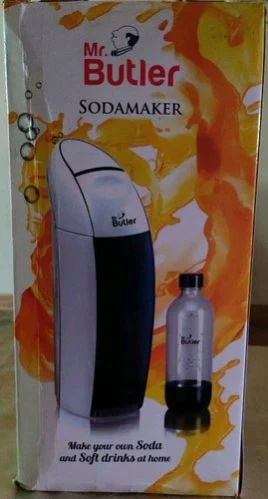
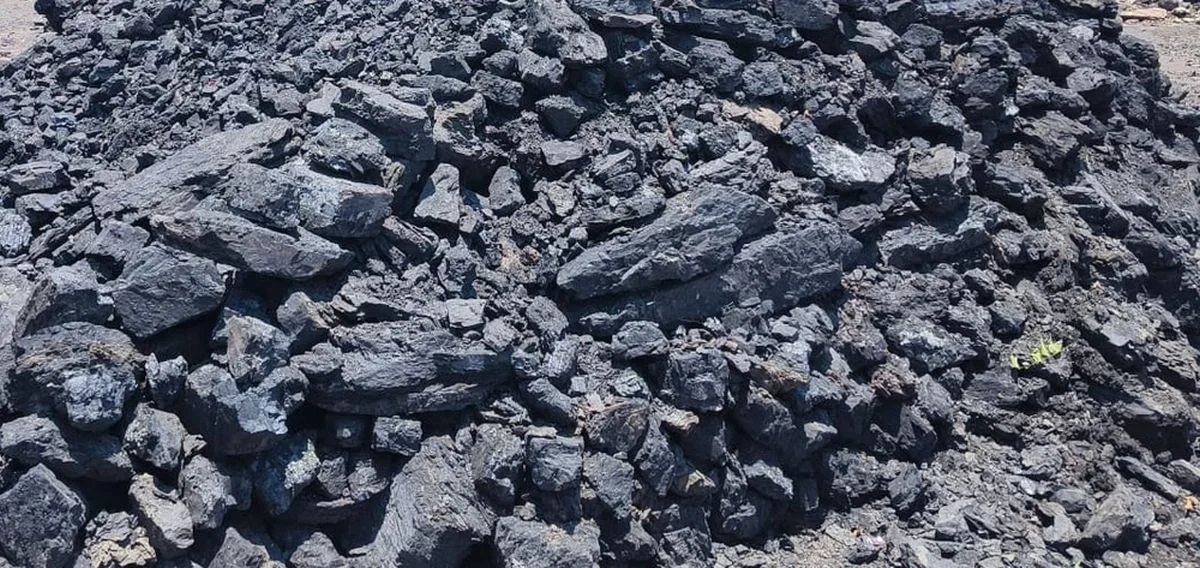
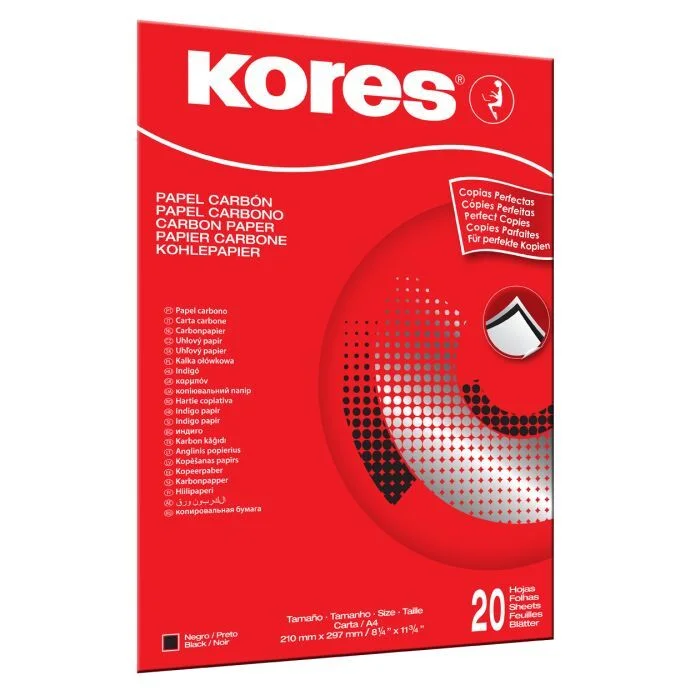
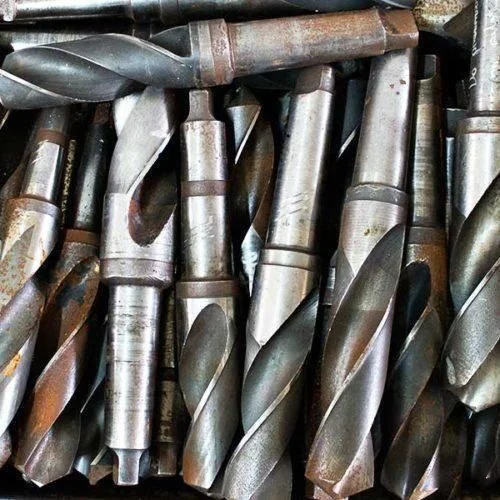
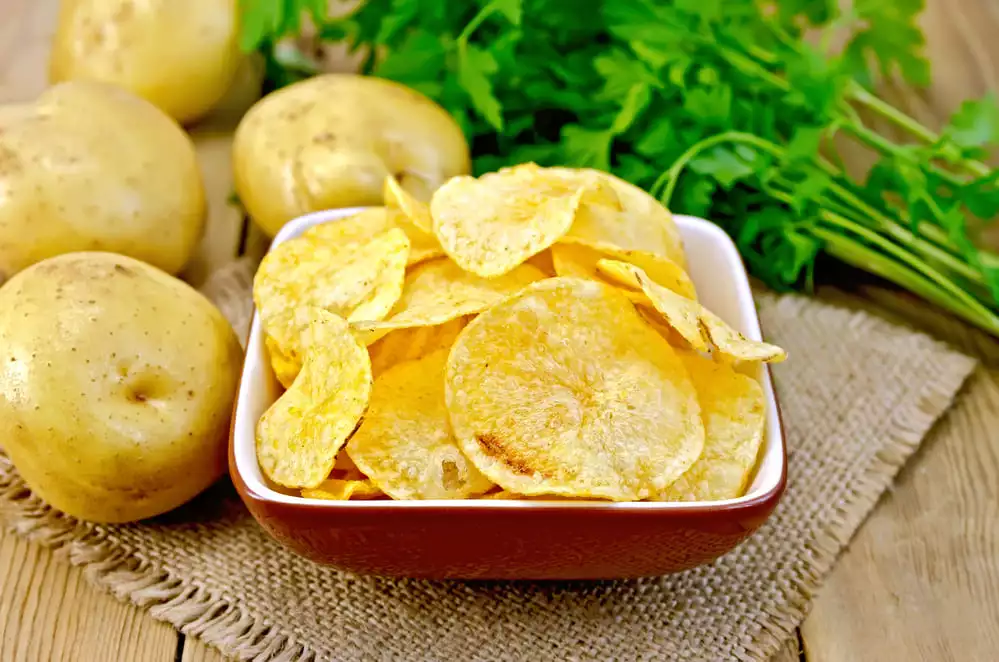
Mid East Company is based in the United States and currently lists eleven active products across a mixed portfolio that includes carbon materials, meat and poultry items, fresh vegetables, soft‑drink beverages, fruit, and herbal extracts. The supplier’s top categories are recorded as Carbon, Meat & Poultry, Fresh Potato, Soft Drinks, Beverages, Fruits, Coke, and Herbal Products. The catalogue contains both food products such as Chicken Liver, Fresh Potatoes, Fresh Bananas, Fresh Chicken, and Cherry Coke Zero, and industrial carbon products including Coal Based Powder Activated Carbon, Bulk Coal Based Powder Activated Carbon, Petroleum Coke, and Graphitized Petroleum Coke With Fixed Carbon. In addition, the company offers a herbal oil and a specialty soda identified as Moxie Original Elixir Soda. All items are presented without additional HS codes except where noted in the catalogue.
Product Range and Specialties of Mid East Company
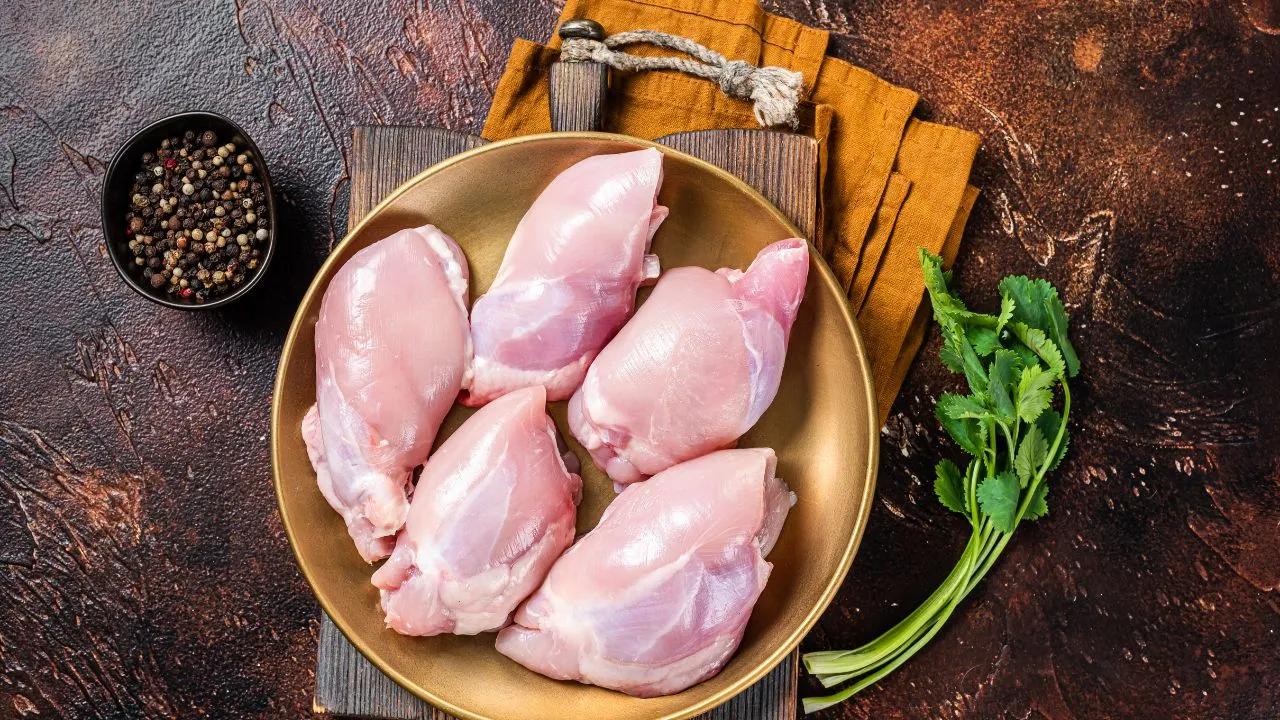
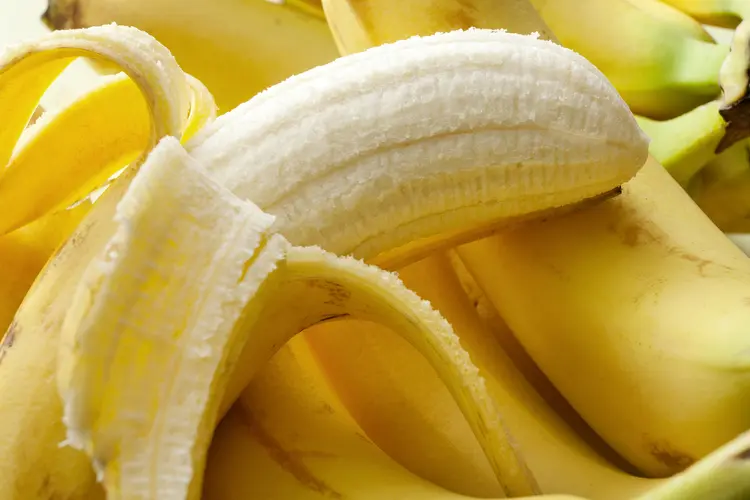
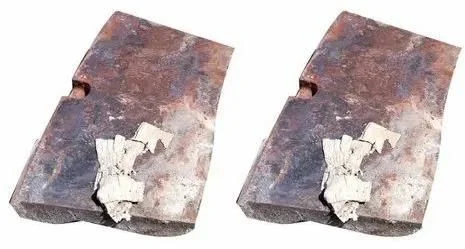
The catalogue features powder‑grade activated carbon derived from coal, offered both as standard and bulk quantities, as well as two grades of petroleum coke - a conventional grade and a graphitized grade with higher fixed carbon. Food items include fresh potatoes, bananas, whole chicken, and chicken liver, together with two carbonated soft‑drink products, one of which is a Coke‑style zero‑sugar variant.
Industry standards for powder activated carbon typically require an iodine number between 800 and 1200 mg/g, a BET surface area above 900 m²/g, and moisture content below 5 %, conforming to ASTM D2867 or EN 14675. Petroleum coke grades are evaluated on fixed carbon (≥ 95 % for standard coke, ≥ 97 % for graphitized coke) and ash content under 5 %, as defined in ASTM C1220. Fresh produce such as potatoes and bananas is usually graded by size, moisture level (12 - 14 % for potatoes) and packaged in mesh bags or 18 kg cartons, while poultry must meet USDA or FDA inspection criteria and be chilled to 0 °C to 4 °C.
Trade and Export Information - Mid East Company
United States exporters of activated carbon and petroleum coke commonly ship to industrial hubs in Europe, the Middle East, and Southeast Asia, using the HS 2701 family for customs clearance. Fresh agricultural commodities from the U.S. are largely destined for Canada, Mexico, and Asian markets, where HS chapters 07 and 08 guide tariff treatment.
Buyers of soft‑drink beverages typically request compliance with FDA food‑additive regulations and may require a COA confirming carbonation level (usually 2.5 - 3.0 vol % CO₂) and aluminum can specifications such as 0.25 mm wall thickness. Standard export documentation includes a commercial invoice, packing list, certificate of origin, and for food items a phytosanitary certificate or meat inspection certificate, with common Incoterms being FOB at a U.S. port and CIF to the destination hub.
Sourcing from Mid East Company - Buyer Guidance
When sourcing the activated carbon line, buyers should request a Certificate of Analysis that details iodine number, BET surface area, moisture, and ash content, and verify that the product meets ASTM D2867 or EN 14675 specifications. For petroleum coke and graphitized coke, the COA must show fixed carbon, volatile matter, and ash percentages, and confirm compliance with ISO 9001 or relevant ASTM standards. Food items such as fresh chicken, chicken liver, potatoes and bananas require a recent USDA or FDA inspection certificate, a phytosanitary certificate for the fruit, and laboratory test results for microbial limits.
Samples are typically provided in 1 kg bags for carbon products, 25 kg mesh bags for potatoes, and 18 kg cartons for bananas, allowing buyers to run independent lab checks before full orders. Lead times for bulk carbon and coke range from 2 to 4 weeks, while perishable produce usually ships within 7 to 10 days after harvest, packed in refrigerated containers (30 ft or 40 ft) under appropriate temperature controls.
Frequently Asked Questions About Mid East Company
What product categories does Mid East Company list?
Mid East Company lists eleven distinct items that cover activated carbon, petroleum coke, graphitized coke, fresh poultry, chicken liver, fresh potatoes, fresh bananas, and two carbonated beverages. The product names include Chicken Liver, Fresh Potatoes, Cherry Coke Zero, Moxie Original Elixir Soda, Coal Based Powder Activated Carbon, Bulk Coal Based Powder Activated Carbon, Fresh Bananas, Petroleum Coke, Fresh Chicken, Graphitized Petroleum Coke With Fixed Carbon, and Herbal Oil.
How many active products are in the catalogue?
The catalogue currently contains eleven active products. This count reflects the full range presented in the supplier’s public listing.
Which HS code is provided for any product?
The only HS code disclosed in the catalogue is 2202.10, which classifies Moxie Original Elixir Soda as a carbonated soft drink in an aluminum can. Other products fall under broader HS chapters such as 2701 for carbon and coke, 07 for fresh vegetables, and 16 for meat, but specific codes are not provided.
What are typical specifications buyers should verify for the activated carbon products?
For the powder activated carbon products, buyers typically request an iodine number of 800‑1200 mg/g and a BET surface area exceeding 900 m²/g. Additional required data include moisture under 5 % and compliance with ASTM D2867 or EN 14675.
What documentation is normally required for the fresh chicken and chicken liver?
Fresh chicken and chicken liver imports usually require a USDA or FDA inspection certificate and a health certificate confirming the absence of Salmonella and Campylobacter. Buyers also often ask for a recent laboratory report on bacterial counts and a cold‑chain compliance statement.
What packaging is common for the fresh potatoes and bananas?
Fresh potatoes are commonly packed in 25 kg woven mesh bags, while bananas are shipped in 18 kg cartons with protective liners to preserve ripeness. Both formats are suited to bulk sea freight in 40 ft containers with adequate ventilation.
Which certifications are commonly expected for the petroleum coke and graphitized coke?
Petroleum coke and graphitized petroleum coke are generally supplied with a Certificate of Analysis showing fixed carbon content (≥ 95 % for standard coke, ≥ 97 % for graphitized coke) and ash content below 5 %. Buyers often look for ISO 9001 certification or compliance with ASTM C1220 as part of the quality assurance package.
What incoterms are usually used for these types of exports from the United States?
Export transactions from the United States frequently use FOB terms at ports such as New York, Savannah, or Los Angeles, and CIF terms for major destination hubs in Europe, the Middle East, and Southeast Asia. The choice of Incoterm influences who arranges freight, insurance, and customs clearance.




 , United States