MFQ Mining And Trading Company — Supplier
About MFQ Mining And Trading Company - Other Ores & Minerals Supplier in Pakistan
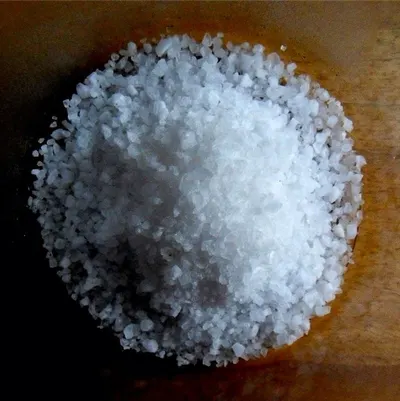
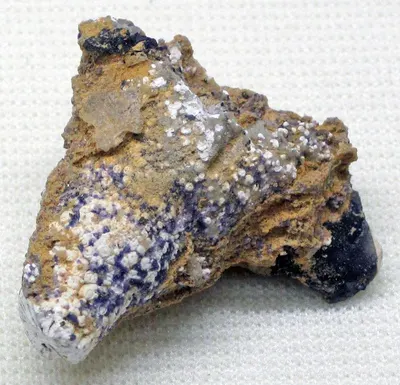
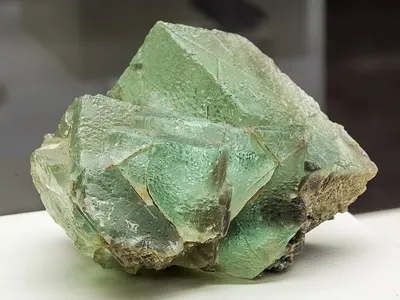
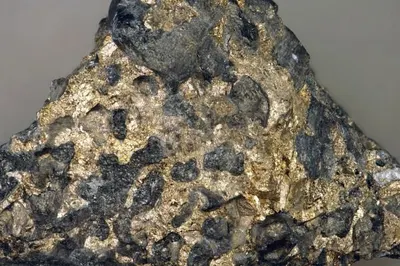
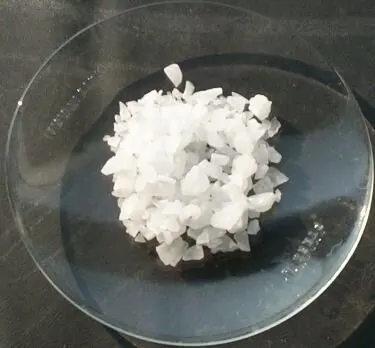
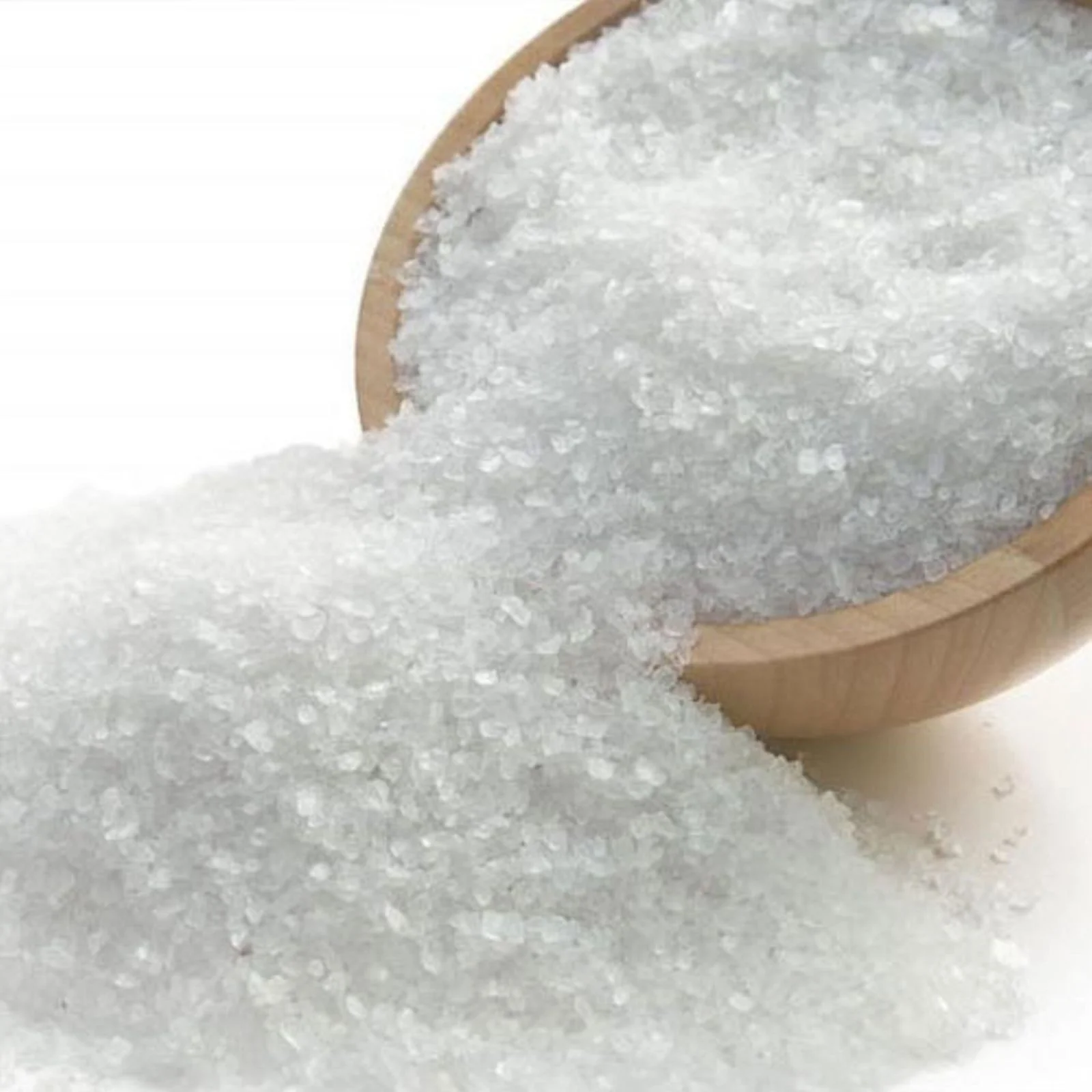
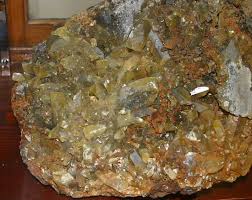
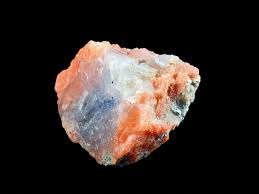
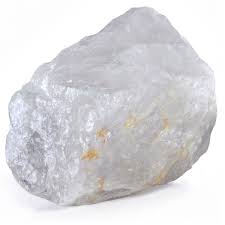
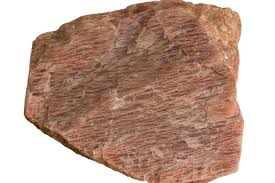
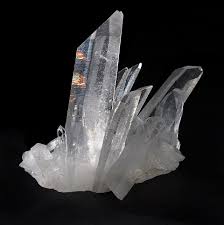
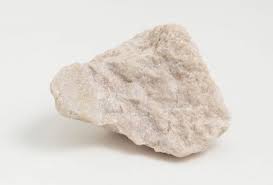
MFQ Mining And Trading Company operates from Pakistan and currently lists five distinct mineral products in its catalogue. The listed items cover raw magnesite (natural magnesium carbonate), silica quartz and silica sand, Himalayan sea salt, barite ore, and fluorspar (calcium fluoride). Each product is identified with its respective HS code: 2519.10 for magnesite, 2505.10 for silica sand, 2511.10 for barite, and 2529.21 for fluorspar. The salt entry does not include an HS code in the supplied data. The catalogue groups these minerals under the broader categories of Other Ores & Minerals, Silica Sand, Salt, Barite Ore, and Fluorspar.
The supplier’s portfolio reflects typical raw mineral exports from Pakistan, focusing on bulk commodities used in industries such as refractories, glass manufacturing, chemical processing, and food seasoning. The five products represent both silicate and fluoride mineral families, each exported under the HS code families noted above, which determine customs treatment and duty rates. The catalogue does not specify additional processing levels, indicating the goods are offered in natural or minimally processed form.
Product Range and Specialties of MFQ Mining And Trading Company
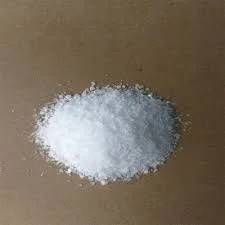
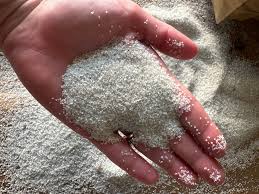
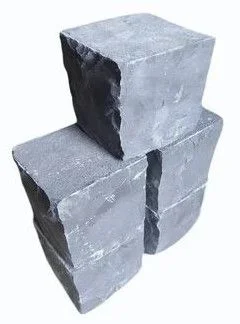
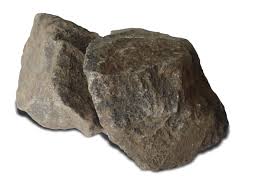
The catalogue lists raw magnesite (MgCO3) under HS 2519.10, a mineral commonly graded by MgO content; international buyers usually seek 90‑95 % MgO purity for refractory applications. Silica sand and quartz (SiO2) under HS 2505.10 are typically supplied with SiO2 purity above 99 % and grain sizes ranging from 0.1 mm to 2 mm, suitable for glass and foundry use. Himalayan sea salt, while not assigned an HS code in the data, is generally marketed with NaCl purity of 97‑99 % and low mineral impurity levels for food‑grade applications. Barite (BaSO4) under HS 2511.10 is evaluated by specific gravity (4.2‑4.5) and purity (typically > 95 %) for drilling‑fluid formulations. Fluorspar (CaF2) under HS 2529.21 is usually supplied with 80‑95 % CaF2 purity for hydrofluoric acid production and optical glass manufacturing. These industry benchmarks help buyers compare the supplier’s raw offerings against global standards.
Trade and Export Information - MFQ Mining And Trading Company
Pakistan’s mineral sector primarily ships bulk ores to South‑Asian, Middle‑Eastern and East‑Asian markets, with major importers including India, United Arab Emirates, China, Saudi Arabia and several European countries. The HS code families 2519, 2505, 2511 and 2529 are subject to standard customs procedures, often requiring a certificate of origin, a material safety data sheet (MSDS) and an independent laboratory assay (e.g., SGS or Bureau Veritas) before clearance. Buyers typically request ISO 9001 quality‑management certification and compliance with REACH or equivalent chemical safety regulations for fluorspar and silica products. Bulk shipments are commonly packed in 1‑ton or 2‑ton polypropylene bags for silica sand and barite, while magnesite and fluorspar may be loaded in 20 ft or 40 ft containers with moisture barriers. Incoterms such as FOB Karachi or CIF Dubai are standard for these commodities, and freight rates are calculated on a per‑metric‑ton basis.
Sourcing from MFQ Mining And Trading Company - Buyer Guidance
When sourcing raw magnesite, request an assay report showing MgO percentage, loss on ignition and bulk density; these parameters confirm suitability for refractory linings. For silica sand, buyers should obtain particle‑size distribution curves, SiO2 purity analysis and moisture content, as high moisture can affect furnace operations. Salt shipments require a food‑grade analysis confirming NaCl purity, iodine content (if applicable) and microbial test results. Barite purchases should be accompanied by specific‑gravity measurements and BaSO4 purity assays, especially for drilling‑fluid applications where density control is critical. Fluorspar orders need a CaF2 purity certificate, fluoride‑ion concentration, and an MSDS addressing handling precautions. Across all products, a verified certificate of origin from Pakistani authorities and an independent third‑party inspection report are standard verification steps before finalizing a contract.
Frequently Asked Questions About MFQ Mining And Trading Company
What HS code applies to the raw magnesite offered by MFQ Mining And Trading Company?
The raw magnesite is listed under HS code 2519.10, which covers natural magnesium carbonate ores and concentrates.
Which purity level is typical for the silica sand in the supplier’s catalogue?
International buyers usually expect silica sand with SiO2 purity above 99 % and grain sizes between 0.1 mm and 2 mm. The supplier’s product falls within the HS 2505.10 family, which is assessed on those criteria.
Does MFQ provide certification for its barite product?
The facts do not specify any certifications held by the supplier. Buyers should request a barite assay report showing BaSO4 purity (typically > 95 %) and specific gravity (4.2‑4.5) along with a certificate of origin.
What documentation is recommended for fluorspar shipments?
For fluorspar (HS 2529.21) buyers normally request a CaF2 purity certificate, an MSDS, and an independent inspection report (e.g., SGS) to verify chemical composition and handling requirements.
Is there any HS code provided for the Himalayan sea salt?
The catalogue entry for Himalayan sea salt does not include an HS code, so buyers should confirm the appropriate HS classification (commonly 2501) during the order process.
What packaging formats are typical for the minerals listed?
Bulk minerals such as silica sand, barite and magnesite are frequently packed in 1‑ton or 2‑ton polypropylene bags or loaded in 20 ft/40 ft containers with moisture‑proof liners. Salt may be bagged similarly or shipped in bulk silos.
Which markets commonly import the types of minerals MFQ offers?
Key import markets for Pakistani ores include South‑Asia (India, Bangladesh), the Middle East (UAE, Saudi Arabia), East‑Asia (China, South Korea) and European countries that use these minerals in refractories, glass, chemicals and drilling‑fluid production.
What quality inspections are advisable before accepting a shipment?
Buyers should arrange for a pre‑shipment inspection covering assay results, moisture content, particle‑size analysis (for sand), and verification of the certificate of origin. An ISO‑accredited third‑party lab can provide the necessary test reports.




 , Pakistan