Indo Java International — Verified Supplier
About Indo Java International - Agricultural Products Supplier in Indonesia
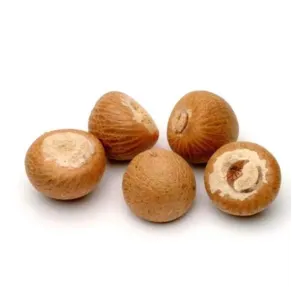
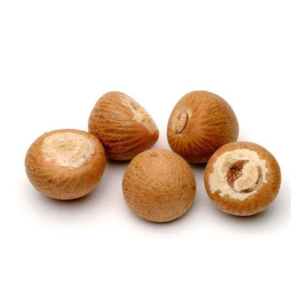
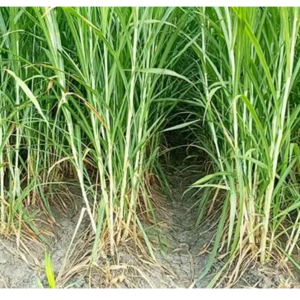
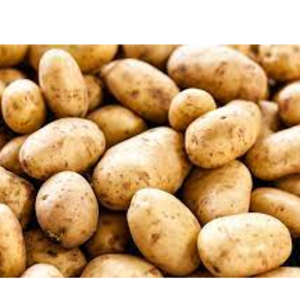
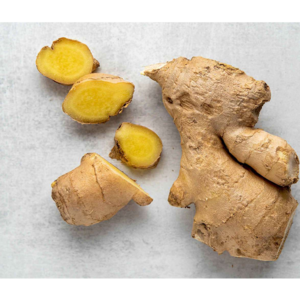
Indonesia lists 14 active products for Indo Java International, covering fresh fruits, root vegetables, spices, nuts, and mineral salts. The catalogue includes items classified under HS‑2008 (pineapple and sliced pineapple), HS‑0714 (sweet potato and potato), HS‑0901 (green coffee beans), HS‑1701 (organic coconut palm sugar), HS‑0908 (Ceylon cinnamon powder), HS‑0910 (dried ginger), HS‑4402 (coconut charcoal), HS‑0709 (pumpkin and taro leaves), HS‑0802 (betel nut), HS‑5305 (pakchong grass fiber), and HS‑2501 (volcanic mineral salt).
Product Range and Specialties of Indo Java International
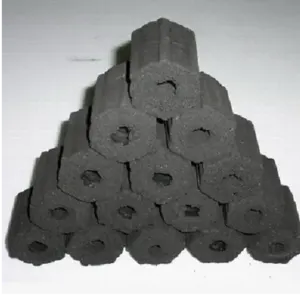
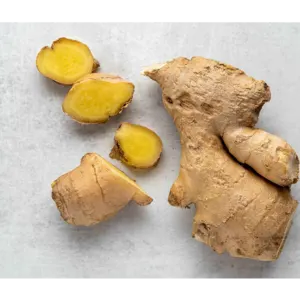
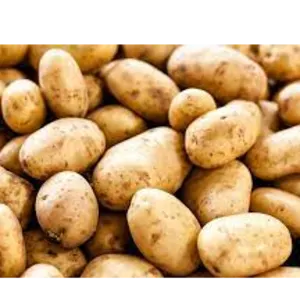
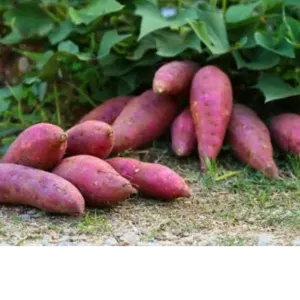
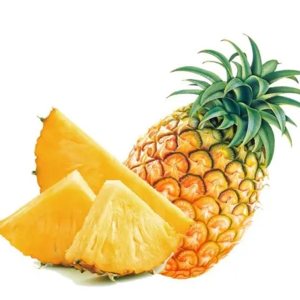
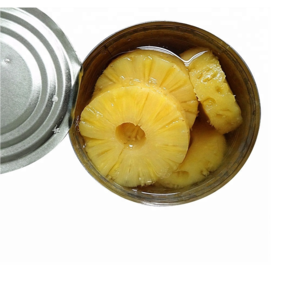
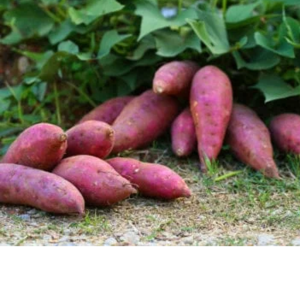
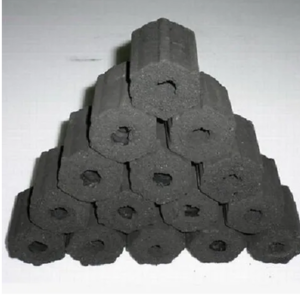
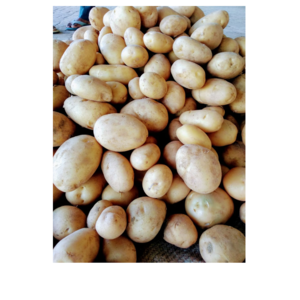
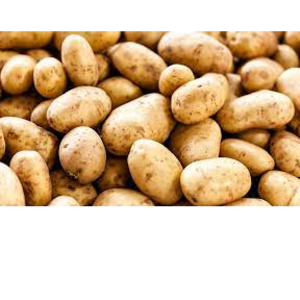
The product list reflects typical export categories from Indonesia. Fresh pineapple (HS 2008.11) is usually harvested at 12‑14 % Brix, packed in 20 kg bulk boxes or 1 ton wooden crates for shipment in refrigerated containers. Sliced pineapple (HS 2008.30) follows similar specifications but is often vacuum‑packed in PET trays. Sweet potato and potato (HS 0714) are graded by size (U‑S, U‑M, U‑L) and moisture content below 78 %. Green coffee beans (HS 0901.11) are commonly graded by screen size (AA, A, B) and cup quality scores, and shipped in 60 kg jute bags. Organic coconut palm sugar (HS 1701.90) typically meets moisture ≤ 10 % and sucrose ≥ 95 %, while Ceylon cinnamon powder (HS 0908.30) is graded as Grade 1 with oil content ≥ 1.5 % and ash ≤ 5 %. Dried ginger (HS 0910.11) is dried to ≤ 12 % moisture and packaged in 25 kg polypropylene bags. Coconut charcoal (HS 4402.00) conforms to ISO 9001 for particle size distribution, and salts (HS 2501.00) are screened for purity ≥ 99 %.
Trade and Export Information - Indo Java International
Indonesia is a leading exporter of tropical fruits, coffee, and spices, with the EU, United States, Middle East and Southeast Asian markets accounting for the bulk of demand. HS‑2008 fruit categories generally require a phytosanitary certificate, compliance with maximum residue limits (MRLs) set by the importing country, and, for organic claims, a recognized organic certification such as EU‑Organic or USDA‑NOP. Coffee under HS‑0901 is subject to fumigation certificates, moisture ≤ 13 % and may need a coffee cupping report for specialty grades. Spices like cinnamon and ginger (HS‑0908, 0910) often require a food safety certificate (e.g., ISO 22000 or HACCP) and a certificate of origin. Coconut charcoal (HS‑4402) is classified as a biomass product and may need a fire‑safety test report. Standard Incoterms used by Indonesian exporters include FOB Jakarta or CIF major ports, with cargo typically loaded in 20 ft or 40 ft containers depending on product volume.
Sourcing from Indo Java International - Buyer Guidance
Buyers should request a current phytosanitary certificate and, where applicable, an organic certification before placing an order. For fresh produce such as pineapple, pumpkin or taro leaves, ask for a recent Brix test report, moisture analysis and a sample of the packaging condition. Coffee buyers normally ask for a cupping score sheet, screen size documentation and a mycotoxin test result. For dried spices and nuts, request moisture content, ash analysis and pesticide residue reports that meet EU or US MRLs. Verify that the supplier can provide ISO 22000 or HACCP audit reports for food‑safety compliance, and confirm container type (reefer vs dry) and lead time for each product line.
Frequently Asked Questions About Indo Java International
What HS codes are used for Indo Java International's pineapple products?
Fresh pineapple is classified under HS 2008.11 and sliced pineapple under HS 2008.30, both falling within the fruit chapter for tropical produce.
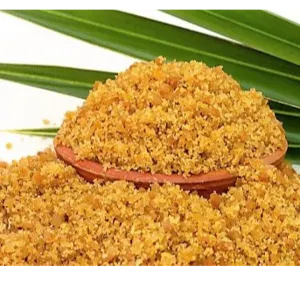
Which certifications should a buyer request for the organic palm sugar?
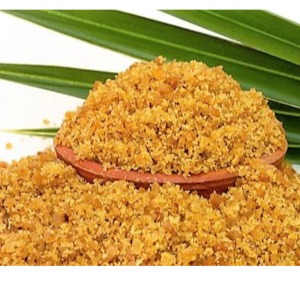
Buyers should ask for an organic certification recognized by the EU or USDA (e.g., EU‑Organic, USDA‑NOP) and a phytosanitary certificate confirming the product is free of pests.
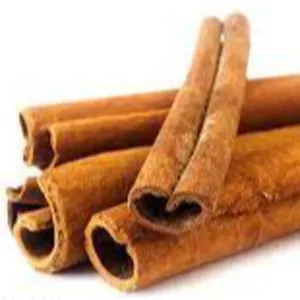
How is the quality of the Ceylon cinnamon measured?
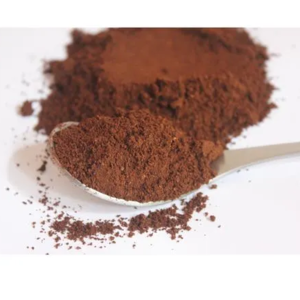
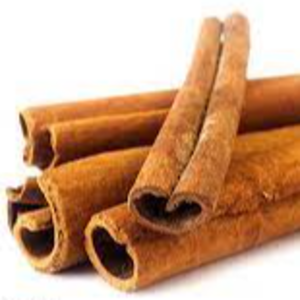
Ceylon cinnamon is typically graded as Grade 1 based on oil content ≥ 1.5 %, low ash (< 5 %) and absence of cassia adulteration; a lab analysis report should be provided.
What packaging is common for the dried ginger export?
Dried ginger is usually packed in 25 kg polypropylene bags, placed inside 20 ft dry containers with a moisture content not exceeding 12 %.
What documentation is required for coffee bean shipments?
A phytosanitary certificate, moisture analysis (≤ 13 %), screen size certification, and a cupping score sheet are standard documents for green coffee beans.
Which markets typically import Indonesian coconut charcoal?
Major importers include the United States, European Union members, and Southeast Asian countries, often for use in fuel, filtration and activated carbon applications.
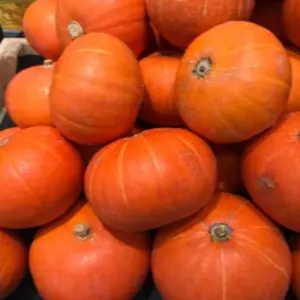
What are the typical lead times for fresh pumpkin shipments?
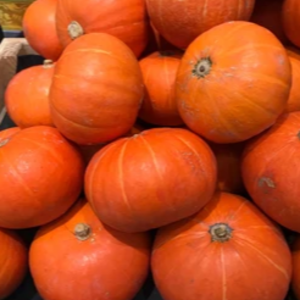
Fresh pumpkin shipments generally require 2‑3 weeks from order confirmation to loading, allowing for harvest, post‑harvest handling and refrigerated container preparation.
Are there any special handling requirements for the pakchong grass fiber?
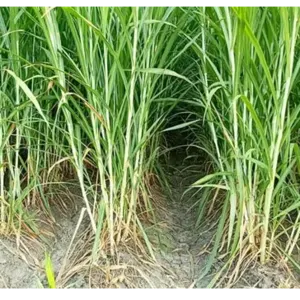
Pakchong grass fiber (HS 5305.00) is a natural fiber that should be kept dry, packed in breathable burlap or polypropylene sacks, and shipped in dry containers to prevent mold growth.




 , Indonesia



.jpg.png)