Kimba International — Verified Trader & Wholesale Supplier
About Kimba International - Himalayan Salt Supplier in Pakistan
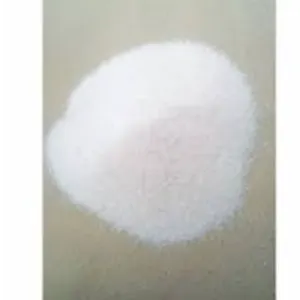
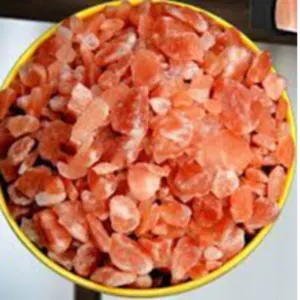
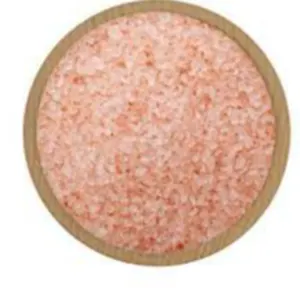
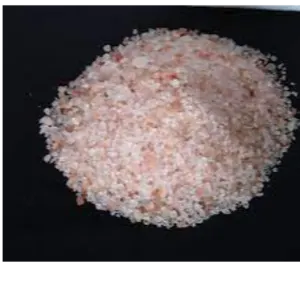
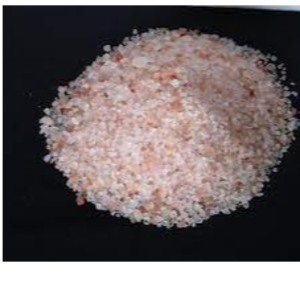
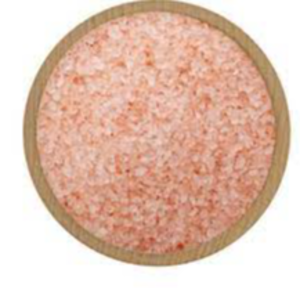
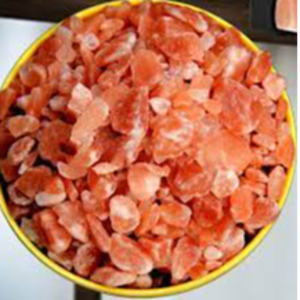
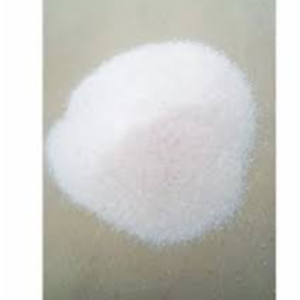
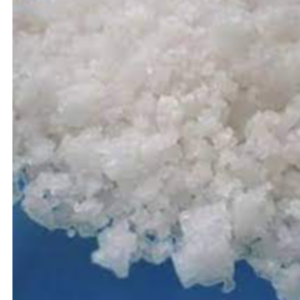
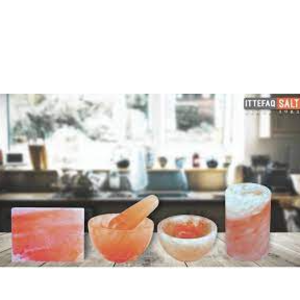
Kimba International is based in Lahore, Pakistan and lists nine active products across the salt category. The catalogue covers various forms of Himalayan and common salt, all classified under HS chapter 25 (HS code 2501.00) except for decorative salt lamps (HS 6802.99) and stoneware crockery (HS 6912.00). The product list includes Himalayan Rock Salt, Light pink salt, medium pink salt, dark pink salt, white salt, industrial salt, pink salt tiles, salt lamps and salt crockery. The supplier’s tier is indicated as organic and its trust tier is voyage, reflecting its market positioning.
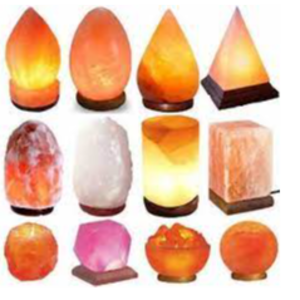
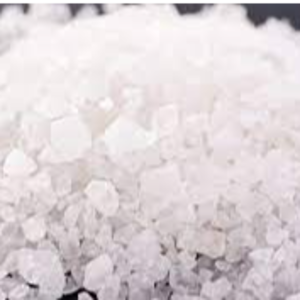
The salt offerings are described by material composition: natural pink halite with trace minerals for the rock and pink salts, pure sodium chloride for white and industrial salts, and a blend of 85‑95 % NaCl with iron, potassium and magnesium for the lamps. The pink salt tiles retain 95‑99 % NaCl content, while the stoneware crockery is produced from glazed ceramic. All products fall under HS code 2501.00 for edible and industrial salt, 6802.99 for lamp articles of stone, and 6912.00 for ceramic tableware.
Product Range and Specialties of Kimba International
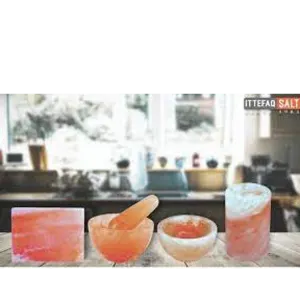
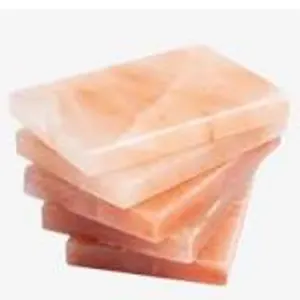
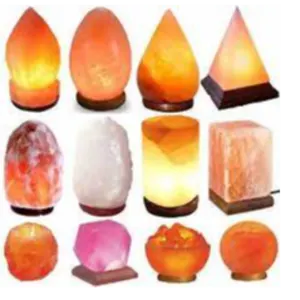
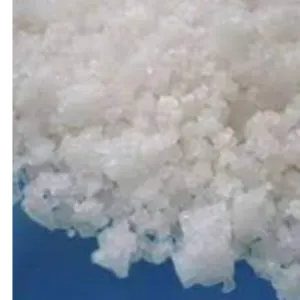
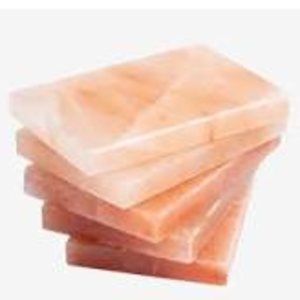
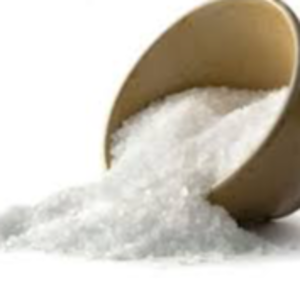
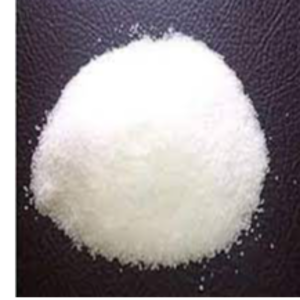
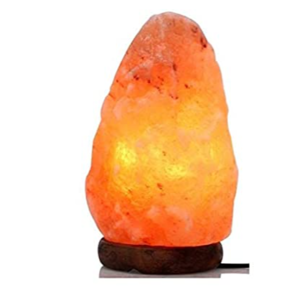
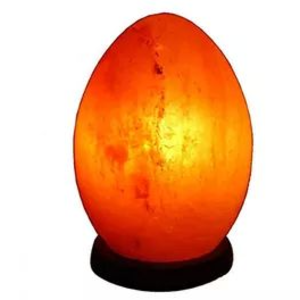
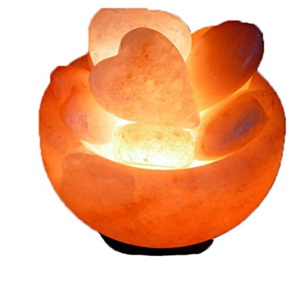
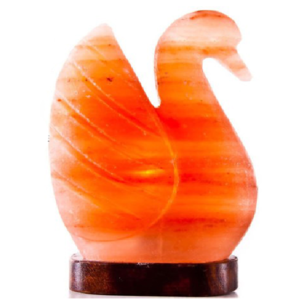
The catalogue spans edible salts (Himalayan Rock Salt, Light, Medium and Dark Pink salts, White salt) and industrial salt, each typically meeting food‑grade purity of 99.5 % NaCl (ICUMSA 45) with moisture below 0.2 %. Common packaging is 25 kg polypropylene bags, allowing 20‑ft containers to hold up to 20 tons of bulk salt. Decorative items such as pink salt tiles are usually cut to 30 × 30 cm panels with a thickness of 2 cm and retain 95‑99 % NaCl; salt lamps are cast blocks ranging from 5 kg to 10 kg and often feature a built‑in LED. The stoneware salt crockery is manufactured from glazed ceramic, typically shipped in cartons of 12‑24 pieces per box.
Industry standards for salt products include compliance with Codex Alimentarius for edible salt, ASTM D1152 for industrial granules, and CE marking for decorative lamps sold in the EU. Buyers frequently request certificates of analysis that detail sodium chloride percentage, trace mineral content, grain size distribution, and microbial limits. For ceramic crockery, ISO 1302 surface texture and lead‑free glaze certifications are common requirements.
Trade and Export Information - Kimba International
Pakistan is a notable exporter of bulk rock and culinary salts, with primary destinations in the Middle East, the European Union, and North America. HS chapter 25 (2501.00) salts are subject to food safety inspections, requiring a Certificate of Analysis, a sanitary certificate, and often ISO 9001 or HACCP compliance for bulk shipments. Decorative salt lamps (HS 6802.99) may need CE conformity or other safety marks depending on the market, while stoneware crockery (HS 6912.00) follows standard ceramic export regulations, including lead‑free glaze certification.
Typical logistics involve loading 25 kg bags onto 20‑ft or 40‑ft containers, with a net weight of up to 22 tons per container for bulk salts. For lamps and crockery, wooden crates or reinforced cardboard boxes are used to protect against breakage. Common Incoterms are FOB Lahore Port or CIF destination, and exporters must provide a commercial invoice, packing list, and, where required, a phytosanitary or commodity inspection certificate.
Sourcing from Kimba International - Buyer Guidance
When sourcing edible salts from Kimba International, request a recent Certificate of Analysis that lists NaCl purity, moisture content, and trace mineral percentages. Verify that the product meets Codex Alimentarius limits for microbial load and heavy metals, and ask for any ISO 9001 or HACCP audit reports the supplier can provide. For industrial salt, confirm compliance with ASTM D1152 specifications for granule size and solubility.
For decorative lamps and tiles, obtain product dimensions, weight per unit, and a safety data sheet that includes fire‑resistance rating and any required CE documentation. Minimum order quantities are typically 500 kg for bulk salts, 100 units for lamps, and 200 pieces for crockery, with lead times of 30‑45 days after receipt of a pro‑forma invoice. Ensure packaging meets the destination’s import regulations, such as moisture‑proof bags for edible salt and reinforced crates for fragile items.
Frequently Asked Questions About Kimba International
What HS codes are assigned to Kimba International’s salt products?
Edible and industrial salts are classified under HS code 2501.00, decorative salt lamps under 6802.99, and stoneware crockery under 6912.00.
Which material composition is typical for the Himalayan pink salts listed?
The pink salts consist of natural halite (NaCl) with trace minerals such as iron, magnesium and potassium, usually containing 95‑99 % NaCl.
What quality specifications should a buyer check for the edible salts?
Buyers should verify a NaCl purity of at least 99.5 % (ICUMSA 45), moisture below 0.2 %, and compliance with Codex Alimentarius limits for microbial and heavy‑metal content.
Are any certifications required before importing the salt lamps?
Importers typically request CE conformity or equivalent safety certification for lamps, as well as a material safety data sheet and a Certificate of Analysis.
What is the standard packaging for bulk salt shipments?
Bulk salts are usually packed in 25 kg polypropylene bags, stacked in wooden pallets that fit standard 20‑ft or 40‑ft containers.
What are typical minimum order quantities and lead times?
Typical MOQ is 500 kg for bulk edible or industrial salt, 100 units for salt lamps, and 200 pieces for crockery, with a lead time of 30‑45 days after order confirmation.
Which documents should a buyer request before placing an order?
A commercial invoice, packing list, Certificate of Analysis, any applicable ISO or HACCP audit reports, and, where required, a sanitary or phytosanitary certificate.
Which markets commonly import Pakistani salt products?
Major import markets include the United Arab Emirates, Saudi Arabia, European Union member states, and the United States, where buyers often seek food‑grade or decorative salt items.




 , Pakistan