Nutritive Himalayan Salt — Verified Supplier
About Nutritive Himalayan Salt - Himalayan Salt Supplier in Pakistan
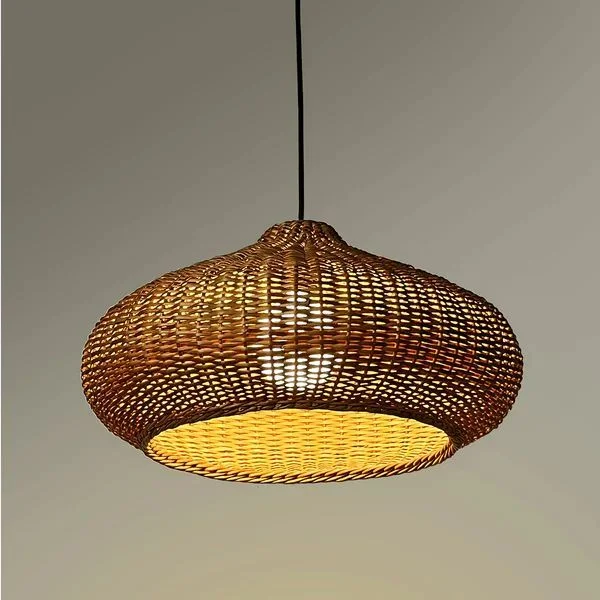
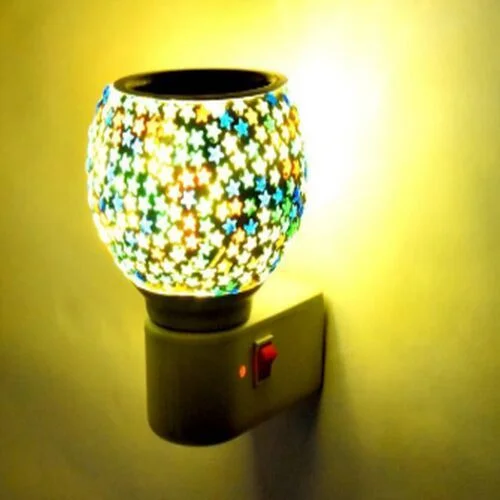
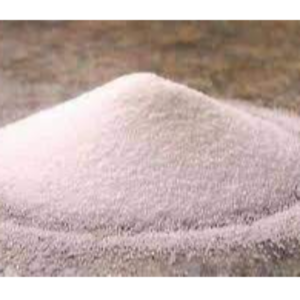
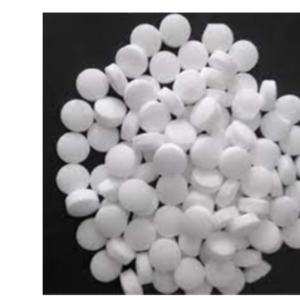
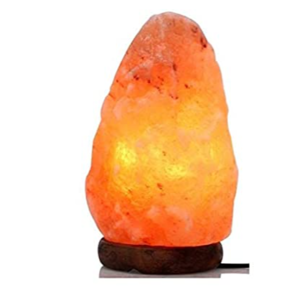
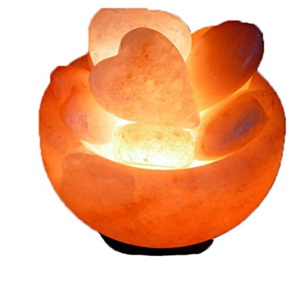
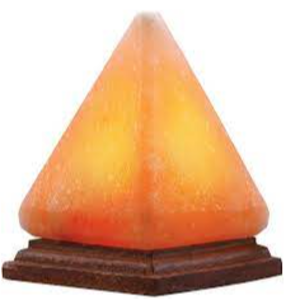
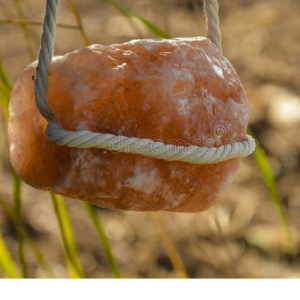
Pakistan, Sindh province hosts Nutritive Himalayan Salt, which currently lists eight distinct products in its catalogue. The portfolio includes edible Himalayan pink salt (HS 2501.00), natural Himalayan rock salt variants, black salt (HS 2501.00.11), and two lamp categories - decorative 3D Himalayan salt lamps (HS 9405.10) and animal‑shape lamps (HS 9405.49). Each entry references the material composition, such as NaCl 85‑99 % with trace minerals like iron, potassium and magnesium, or natural crystalline halite for the black salt variety.
The supplier’s top categories span Himalayan Salt, Black Salt, Common Salt, Rock Salt, Sea Salt, Table Salt, generic Salt and Metal Halide Lamp. Although the catalogue emphasizes salt products, the inclusion of lamp items reflects the use of raw Himalayan salt crystals for decorative lighting. All listed items are classified under the HS‑code families for edible salt (2501) and lighting fixtures (9405), providing a clear customs classification for international trade.
Product Range and Specialties of Nutritive Himalayan Salt
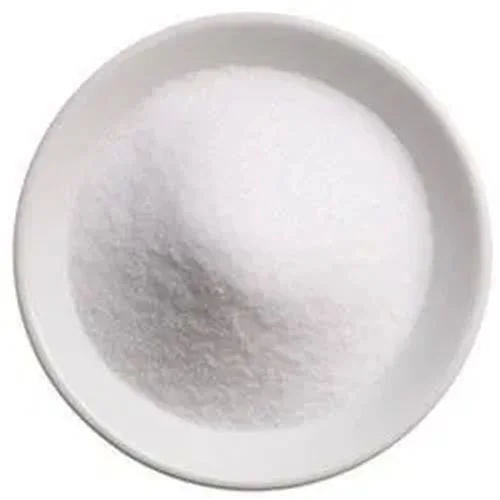
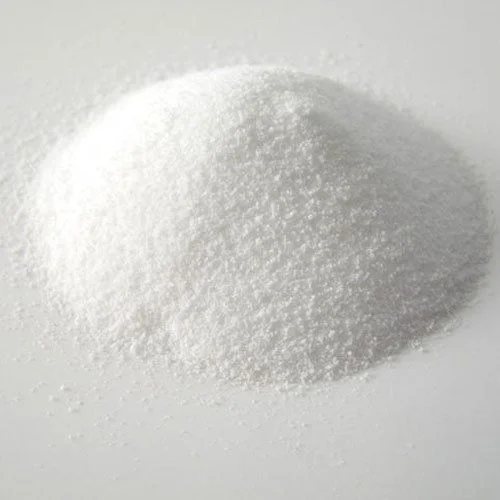
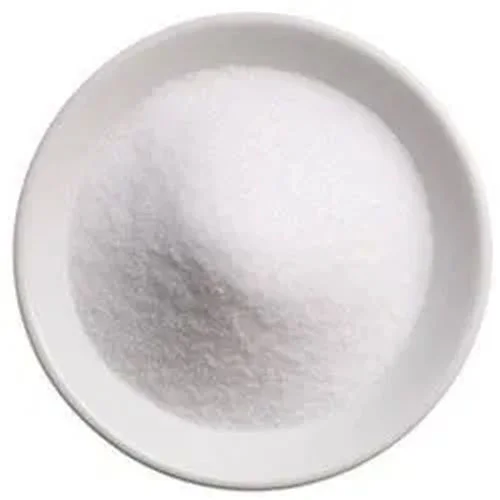
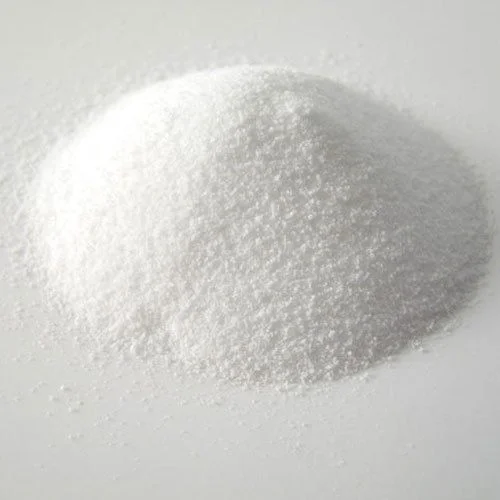
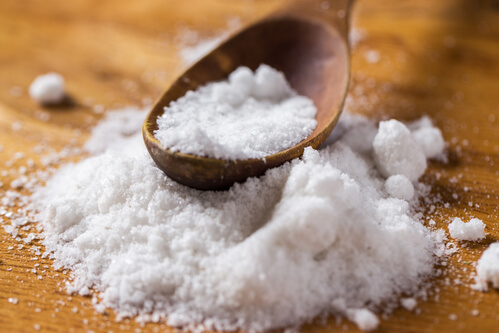
The catalogue offers edible Himalayan pink salt graded for food use, typically meeting ICUMSA 45 standards with moisture below 0.5 % and sodium chloride purity between 95 % and 99 %. Black salt (Kala Namak) is marketed as a culinary specialty, containing sulfur compounds that give its characteristic dark colour and distinct flavor profile. Lamp products are crafted from natural Himalayan salt crystals, commonly supplied in sizes ranging from 10 cm to 30 cm height and packaged in cardboard or wooden crates for protection during shipment. Industry practice also includes offering fine, coarse and extra‑coarse grain sizes for culinary salts, and optional infused or smoked variants for niche markets.
Trade and Export Information - Nutritive Himalayan Salt
Pakistan is a recognized exporter of Himalayan salt, with major import destinations in the United Arab Emirates, European Union, United States and Southeast Asia. Export shipments under HS 2501.00 are typically loaded in 20‑ft containers holding up to 22 metric tonnes of bulk salt, while lamp items under HS 9405 are packed in smaller cartons, often consolidated in 40‑ft containers. Buyers frequently require food‑grade certifications such as ISO 22000, HACCP compliance, and laboratory analysis reports confirming mineral composition and microbial safety. For decorative lamps, compliance with IEC 60598 lighting safety standards and CE marking is common for EU markets.
Sourcing from Nutritive Himalayan Salt - Buyer Guidance
When sourcing edible salt from Nutritive Himalayan Salt, request an up‑to‑date Certificate of Analysis that details NaCl purity, moisture content, and trace mineral percentages. Verify that the supplier can provide food‑safety documentation (e.g., HACCP plan or ISO 22000 certificate) and confirm packaging specifications, such as 25 kg food‑grade bags or 1 kg retail packs. For lamp orders, ask for material safety data sheets, IEC compliance certificates, and dimensional drawings to ensure the crystals fit the intended retail display. Confirm the HS code used on the commercial invoice matches the product type to avoid customs delays.
Frequently Asked Questions About Nutritive Himalayan Salt
What HS codes are used for the edible salt products?
Edible Himalayan pink salt and related rock salt variants are classified under HS 2501.00, while the black salt (Kala Namak) uses HS 2501.00.11.
Are the salt products suitable for food‑grade applications?
The catalogue lists NaCl purity between 85 % and 99 % with trace minerals, which aligns with food‑grade specifications such as ICUMSA 45. Buyers should obtain a current Certificate of Analysis to confirm compliance.
What packaging formats are available for bulk salt shipments?
Typical bulk packaging includes 25 kg polypropylene bags or 1 kg retail cartons. Large orders are usually consolidated in 20‑ft containers, allowing up to 22 tonnes of salt per container.
What certifications should a buyer request for the salt lamps?
Buyers should request IEC 60598 lighting safety compliance, CE marking for EU markets, and a material safety data sheet confirming the natural salt crystal composition.
How are the decorative salt lamps shipped to avoid damage?
Lamps are packed in double‑wall cardboard boxes with protective padding; shipments are commonly consolidated in 40‑ft containers to accommodate multiple units while minimizing movement.
What are typical lead times for bulk salt orders?
Suppliers in Pakistan generally require 30‑45 days from order confirmation to shipment for bulk salt, depending on production scheduling and container availability.
Can the supplier provide sample quantities for quality verification?
Small samples, such as 500 g retail packs for edible salt or a single lamp unit, can be supplied on request to allow buyers to evaluate mineral content and product finish before a larger order.
What documentation is needed for customs clearance of the lamp products?
Customs clearance for lamp items under HS 9405 requires a commercial invoice, packing list, and any applicable CE or IEC compliance certificates. Providing the correct HS code helps streamline the clearance process.




 , Pakistan