Sawera Export Work — Verified Manufacturer & Wholesale Supplier
About Sawera Export Work - Edible Salt & Rice Supplier in Pakistan
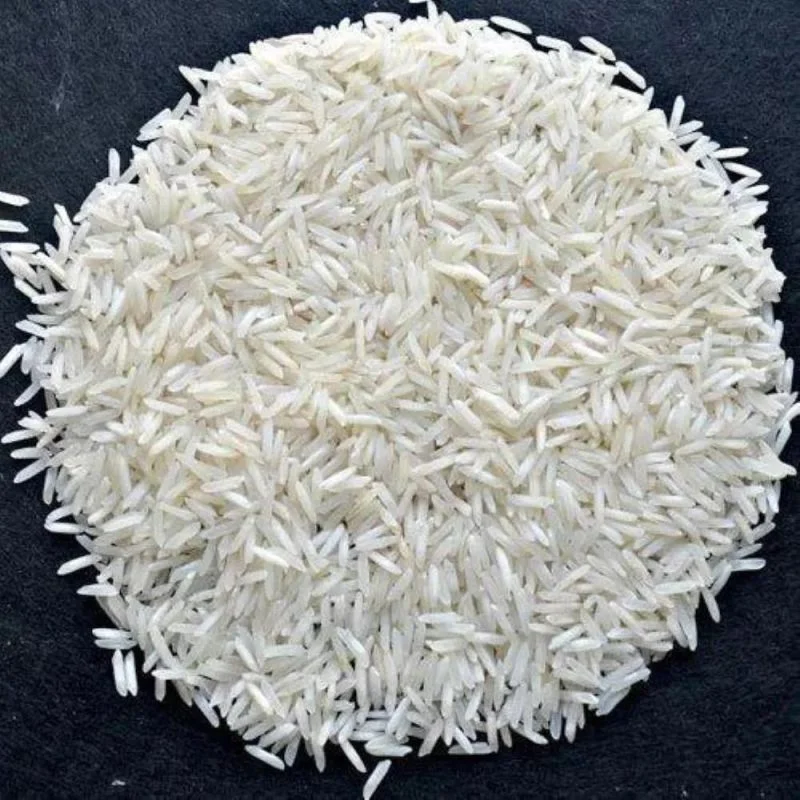
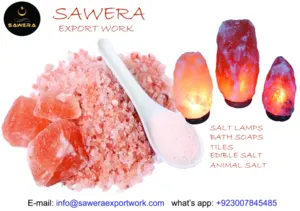
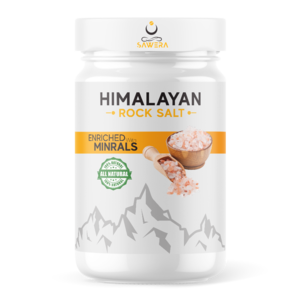
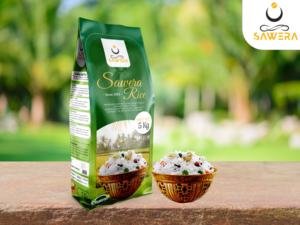
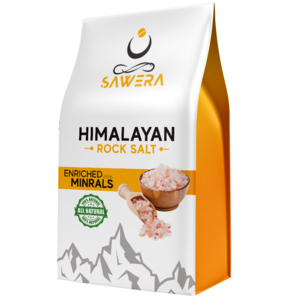
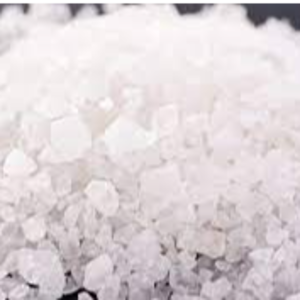
Sawera Export Work operates from the Punjab province of Pakistan and currently lists nine distinct products in its catalogue. The company’s catalogue covers a spectrum of salt types - including common, sea, table, black, Himalayan, pink, and rock salt - as well as rice varieties such as non‑Basmati, long‑grain white rice and Basmati rice. All salt entries fall under HS chapter 25.01, while the rice entries are classified under HS chapter 10.06. The supplier is categorized as an organic tier with a harbor trust tier, indicating compliance with certain sustainability criteria. The listed products are marketed for edible use and, in some cases, for crafted items such as lamps.
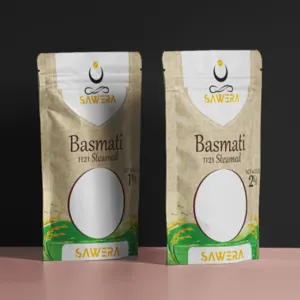
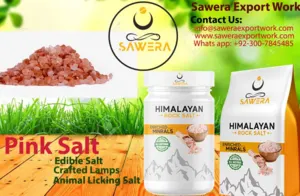
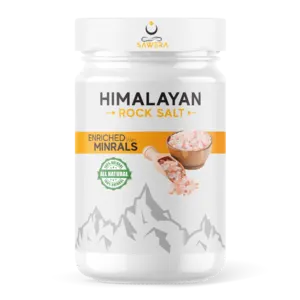
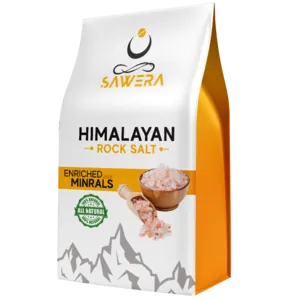
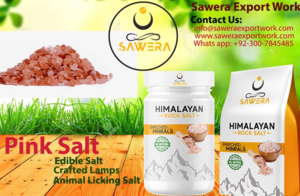
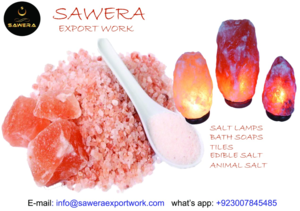
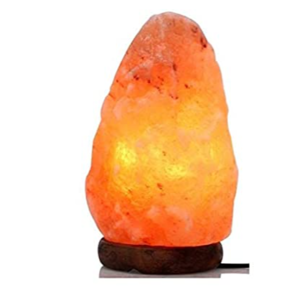
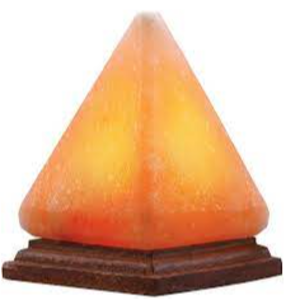
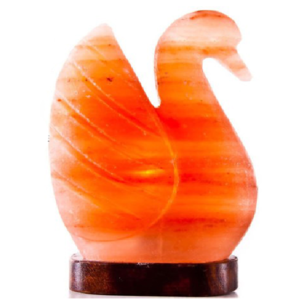
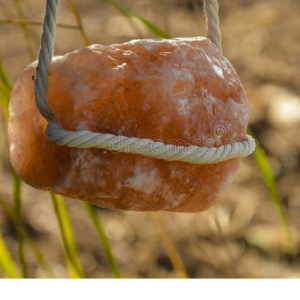
Specific entries include Pink Himalayan Salt (HS 2501.00) described as natural sodium chloride containing iron, magnesium and potassium, and Edible Salt (HS 2501.00) presented as a natural blend of pink and white rock salt with purity above 99.5 %. The rice side lists Basmati Rice (HS 1006.30) and long‑grain white rice (HS 1006.30), both identified as whole‑grain Oryza sativa. A separate line for Non‑Basmati Rice is provided without an HS code, and a combined entry for Edible Salt & Crafted Lamps also uses HS 2501.00 for the salt component. The catalogue therefore spans both food‑grade mineral products and staple grain commodities.
Product Range and Specialties of Sawera Export Work
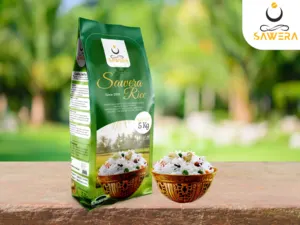
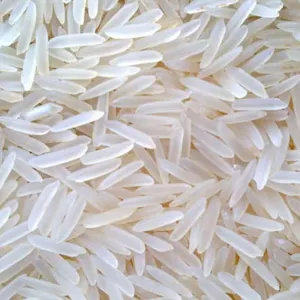
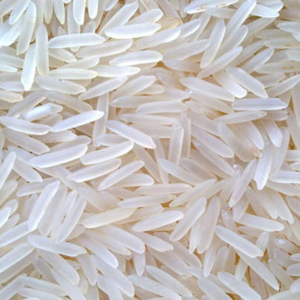
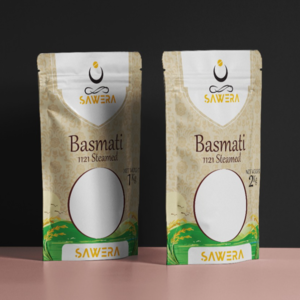
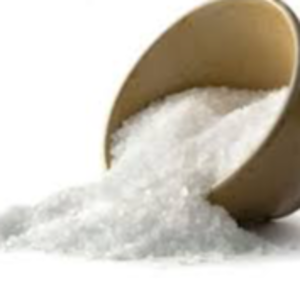
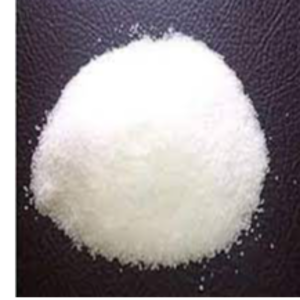
Within the nine‑item catalogue, Sawera Export Work offers multiple salt variants all classified under HS 2501.00. In international trade, edible salt is commonly graded by purity (typically 99.5 % - 99.9 % NaCl) and by moisture content below 0.2 %. Pink Himalayan Salt is frequently sold in 5 kg bags or 25 kg bulk bags, with ICUMSA 45 or higher standards applied to guarantee low insoluble matter. Black salt and rock salt variants may be marketed for culinary or decorative use and often require certification of mineral composition. The rice portfolio includes Basmati and long‑grain white rice under HS 1006.30, where buyers usually specify a grain length of 6.5 mm ± 0.5 mm for Basmati and a moisture content of 12 % - 14 % for export quality. Non‑Basmati rice is generally assessed by head‑rice count and broken grain percentage. Standard packaging for rice includes 20 kg polypropylene bags or 25 kg jute bags, compatible with container loading of 20‑foot or 40‑foot containers.
Typical certifications for these commodities include ISO 22000 or HACCP for food safety, and for rice, a Phytosanitary Certificate and possibly a Halal certification for certain markets. Salt exporters often provide analysis reports covering NaCl purity, mineral content, and microbial limits. The combined Edible Salt & Crafted Lamps entry suggests a dual‑use product line where the salt component must meet food‑grade specifications while the lamp component follows material safety standards for metal, ceramic or glass.
Trade and Export Information - Sawera Export Work
Pakistan ranks among the top global exporters of both edible salt and rice. Salt from the Khewra region, which includes pink Himalayan varieties, is regularly shipped to the Middle East, Europe and North America, where buyers reference HS code 2501.00 for customs clearance. Rice, especially Basmati, is exported primarily to the Gulf Cooperation Council (GCC) states, the United Kingdom, and the United States, using HS code 1006.30. Export logistics typically involve 20‑foot or 40‑foot containers, with salt loaded in bulk bags and rice in 20 kg or 25 kg bags, sealed against moisture.
Customs authorities commonly require a Certificate of Origin, a Food Safety Certificate (e.g., ISO 22000), and, for rice, a Phytosanitary Certificate confirming freedom from pests. Buyers often request lab analysis reports that verify salt purity above 99.5 % and rice moisture within 12 % - 14 %. Incoterms such as FOB Karachi or CIF Dubai are standard for shipments from Pakistan. The organic tier designation of Sawera Export Work suggests that its salt may meet organic‑certified trace mineral standards, which can be an additional selling point for health‑focused markets.
Sourcing from Sawera Export Work - Buyer Guidance
When sourcing salt from Sawera Export Work, buyers should request a recent purity analysis confirming NaCl content of at least 99.5 % and a mineral composition report for the pink Himalayan variant. Verification of the organic tier status can be done by asking for the relevant organic certification or audit report. For the crafted lamp component, a material safety data sheet (MSDS) should be obtained to ensure compliance with destination country regulations.
For rice products, buyers need to obtain a phytosanitary certificate, a moisture content test (12 % - 14 % typical), and a grain length measurement for Basmati (minimum 6.5 mm). Requesting a sample batch analysis for pesticide residues and a Halal certification, if required, helps mitigate import risks. Confirming packaging details - such as 20 kg polypropylene bags sealed with a moisture barrier - and lead times (typically 30‑45 days from order confirmation) will aid planning.
Frequently Asked Questions About Sawera Export Work
What HS codes are used for the salt products listed by Sawera Export Work?
All salt items, including Pink Himalayan Salt, Edible Salt and the salt component of the crafted lamps, are classified under HS code 2501.00 for natural mineral salts.
Which certifications should a buyer request for the rice products?
Buyers should ask for a Phytosanitary Certificate, an ISO 22000 or HACCP food safety certificate, and, where relevant, a Halal certification to confirm compliance with destination market requirements.
What typical purity level is expected for the Pink Himalayan Salt?
International buyers generally require a NaCl purity of 99.5 % or higher, with trace mineral analysis confirming the presence of iron, magnesium and potassium.
How is Basmati Rice usually graded for export?
Export‑grade Basmati is assessed on grain length (minimum 6.5 mm), moisture content (12 % - 14 %), and a low percentage of broken grains, often verified by laboratory testing.
What packaging formats are standard for the listed rice and salt products?
Salt is typically packed in 5 kg or 25 kg bulk bags, while rice is shipped in 20 kg or 25 kg polypropylene or jute bags that are moisture‑proof and suitable for container loading.
Which Incoterms are commonly used for shipments from Pakistan?
FOB Karachi and CIF Dubai are the most frequently applied Incoterms for both salt and rice exports from Pakistan.
Are there any specific documentation requirements for the crafted lamp products?
The lamp component should be accompanied by a Material Safety Data Sheet (MSDS) and, if the lamps are marketed for decorative use, a compliance statement for any metal or glass content according to the destination country's regulations.
What is the typical lead time for orders from Sawera Export Work?
Lead times are usually 30 to 45 days from order confirmation, depending on product availability and required certifications.





 , Pakistan