vasu enterprises — Verified Supplier
About vasu enterprises - Sea Salt Supplier in India
India, Ganganagar in the state of Rajasthan hosts vasu enterprises, which currently lists five distinct products in its catalogue. The supplier identifies as organic and belongs to the voyage trust tier, and its active product count of five includes black pepper, a herbal‑infused crystalline sugar, natural tragacanth gum, pink Himalayan salt flakes and black salt flakes derived from sea salt blended with activated charcoal and volcanic clay. Each item is recorded with a specific HS‑code family: black pepper under 0904.11, the infused sugar under 1701.99, tragacanth gum under 1301.90, and both salt varieties under 2501.00. The catalogue reflects the broader top‑category list that also mentions sea salt, herbal products and medicinal herbs, but only the five products are enumerated with material details such as Piper nigrum, sucrose, Astragalus gummifer resin and natural halite.
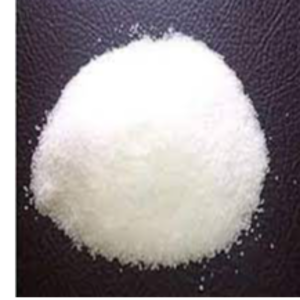
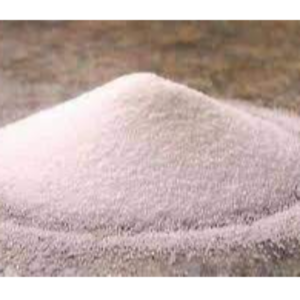
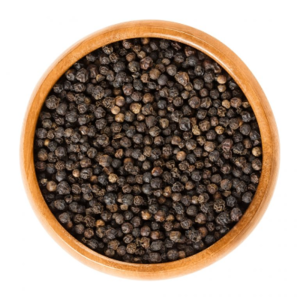
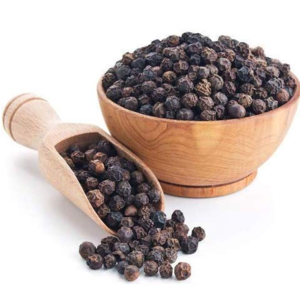
The five listed products cover common commodity groups in the spice, sugar and mineral salt markets. Black pepper (0904.11) is typically sold as whole peppercorns of 5‑7 mm length with moisture below 12 % and ash content under 2 %. The DHAGA MISHRI sugar (1701.99) is a crystalline sucrose product where buyers often require ICUMSA 45 grade or better, indicating ≥99.5 % sucrose purity and low color values. Tragacanth gum (1301.90) is a natural polysaccharide resin used for its viscosity, usually specified in water at 20 °C ranging from 1 000 to 5 000 mPa·s. Pink salt flakes (2501.00) are natural Himalayan halite, commonly graded by crystal size (2‑5 mm) and mineral content (up to 84 % NaCl). Black salt flakes (2501.00) combine sea salt with charcoal or volcanic clay, with typical moisture limits of 5‑7 % and a characteristic dark coloration. All products are generally packed in food‑grade polyethylene bags, polypropylene containers or bulk drums depending on order size.
Product Range and Specialties of vasu enterprises
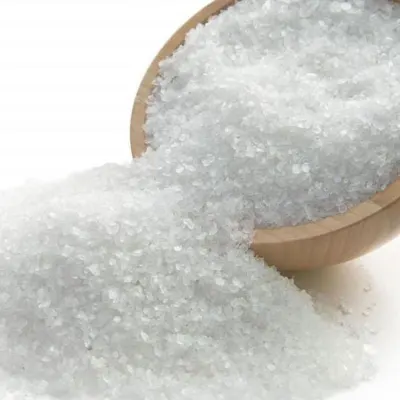
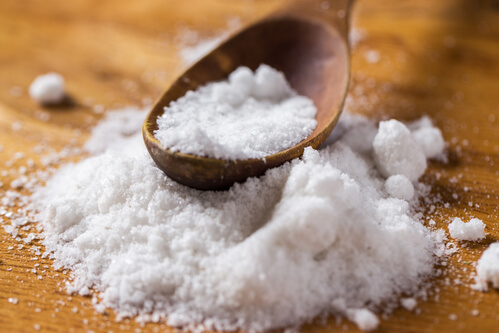
The catalogue presents a focused selection of spice, sugar and mineral products. Black pepper is a staple seasoning, while the infused sugar blends traditional sucrose with herbal extracts, catering to niche confectionery applications. Tragacanth gum serves as a stabilizer in pharmaceuticals and food formulations. Pink Himalayan salt flakes are marketed for culinary and decorative uses, and black salt flakes target specialty culinary markets that value the smoky, mineral profile from charcoal additions. In the broader industry, black pepper grades are classified as Grade A or Export Standard, with moisture and oil content as key quality parameters. Sugar of the ICUMSA 45 grade meets most international food safety standards, and buyers often request laboratory analysis confirming sucrose purity and absence of foreign matter. Natural gums like tragacanth are evaluated for viscosity, gel strength and ash content, with specifications aligned to ISO 9001 or food‑grade GMP processes. Salt products are frequently assessed for NaCl purity, mineral composition (e.g., calcium, magnesium) and microbial load, with many importers preferring products that meet Codex Alimentarius salt standards.
Trade and Export Information - vasu enterprises
India is a major exporter of spices, sugars and mineral salts, and shipments from Rajasthan typically reach markets in the European Union, the United States, the Middle East and Southeast Asia. The HS‑code families represented - 0904 for pepper, 1701 for sugar and 2501 for salts - are subject to routine customs verification, and many importing countries require a Certificate of Origin and a Phytosanitary Certificate for the spice and gum items. Organic‑labelled goods such as those from vasu enterprises are often expected to hold an internationally recognised organic certification (e.g., EU organic, USDA‑NOP) in addition to India’s FSSAI food safety registration and ISO 22000 or HACCP compliance for processing facilities. Salt products may be inspected for heavy metals and moisture content under Codex standards, while sugar imports are frequently checked for ICUMSA colour and moisture levels. Typical packaging for bulk orders includes 25 kg food‑grade polyethylene bags for pepper and salt, 20 kg jute‑lined bags for sugar, and 5 kg kraft bags for gum resin, all suitable for 20‑ft or 40‑ft container loading.
Logistics from Ganganagar usually involve road transport to the nearest major port such as Kandla or Mundra, followed by ocean freight. Buyers often specify Incoterms CIF or FOB, with container loading plans that accommodate the product’s packaging - e.g., 40‑ft containers can hold approximately 1 200 kg of black pepper or 1 500 kg of pink salt flakes. Export documentation generally includes a commercial invoice, packing list, bill of lading, Certificate of Origin, and any required quality certificates (organic, ISO, HACCP). Importing countries may also request a laboratory analysis report for moisture, microbial count or heavy metal content, especially for salt and gum products.
Sourcing from vasu enterprises - Buyer Guidance
When sourcing from vasu enterprises, buyers should request the latest laboratory test reports for each product: moisture and oil content for black pepper, ICUMSA colour and sucrose purity for DHAGA MISHRI, viscosity and ash for tragacanth gum, and NaCl purity plus mineral analysis for both salt types. Confirmation of organic status should be supported by a valid organic certification issued by an accredited body, and the supplier’s FSSAI licence should be reviewed to ensure compliance with Indian food‑safety regulations. Samples are typically provided in 1 kg polyethylene bags for pepper and salts, and 500 g sealed containers for sugar and gum, allowing buyers to verify sensory attributes and analytical specifications before placing a larger order.
Before confirming a purchase, verify the HS‑code declared on the commercial invoice matches the product description and that the packaging complies with the buyer’s import regulations (e.g., food‑grade materials, sealed containers). Request the supplier’s ISO 22000 or HACCP audit report if the buyer’s market requires a food‑safety management system. For larger shipments, ensure the supplier can provide a Certificate of Origin and, where applicable, an organic certification with traceability documentation. Clarifying lead times - typically 15‑25 days for production and packaging - and minimum order quantities (often 500 kg for pepper, 1 000 kg for salts, 200 kg for sugar, and 100 kg for gum) helps align logistics planning.
Frequently Asked Questions About vasu enterprises
What HS‑code should I reference when ordering black pepper from vasu enterprises?
Use HS code 0904.11, which covers whole black peppercorns. Ensure the commercial invoice lists this code to match customs requirements.
Does the supplier provide laboratory analysis for the infused sugar product?
Yes, the supplier can supply a recent test report showing ICUMSA colour, sucrose purity (≥99.5 %), moisture content and any foreign matter analysis.
Which certifications are available for the salt products?
The salt flakes can be accompanied by an organic certification if requested, along with a food‑grade safety certificate such as FSSAI registration and a laboratory report confirming NaCl purity and low heavy‑metal levels.
What is the typical minimum order quantity for pink Himalayan salt flakes?
The usual MOQ is 1 000 kg, packed in 25 kg food‑grade polyethylene bags, suitable for 20‑ft container loading.
Can I obtain a sample of tragacanth gum before placing a bulk order?
Samples are provided in 500 g sealed kraft bags, and the supplier includes a viscosity test result (water, 20 °C) with the sample.
What packaging options are offered for black salt flakes?
Black salt flakes are packed in 25 kg polyethylene bags or 1 ton bulk drums, depending on order size, and each package is sealed to preserve moisture levels below 7 %.
Which documents should I request to verify organic status?
Ask for the current organic certification issued by an accredited body (e.g., EU organic, USDA‑NOP) and a traceability sheet linking the product batch to certified organic farms.
What lead time should I expect for a 40‑ft container shipment?
Lead time ranges from 15 to 25 days for production and packaging, plus additional time for inland transport to the port and vessel loading, typically resulting in a total of 3‑4 weeks before departure.




 Ganganagar, India