Marina Seafood — Supplier
About Marina Seafood - Seafood Supplier in Indonesia
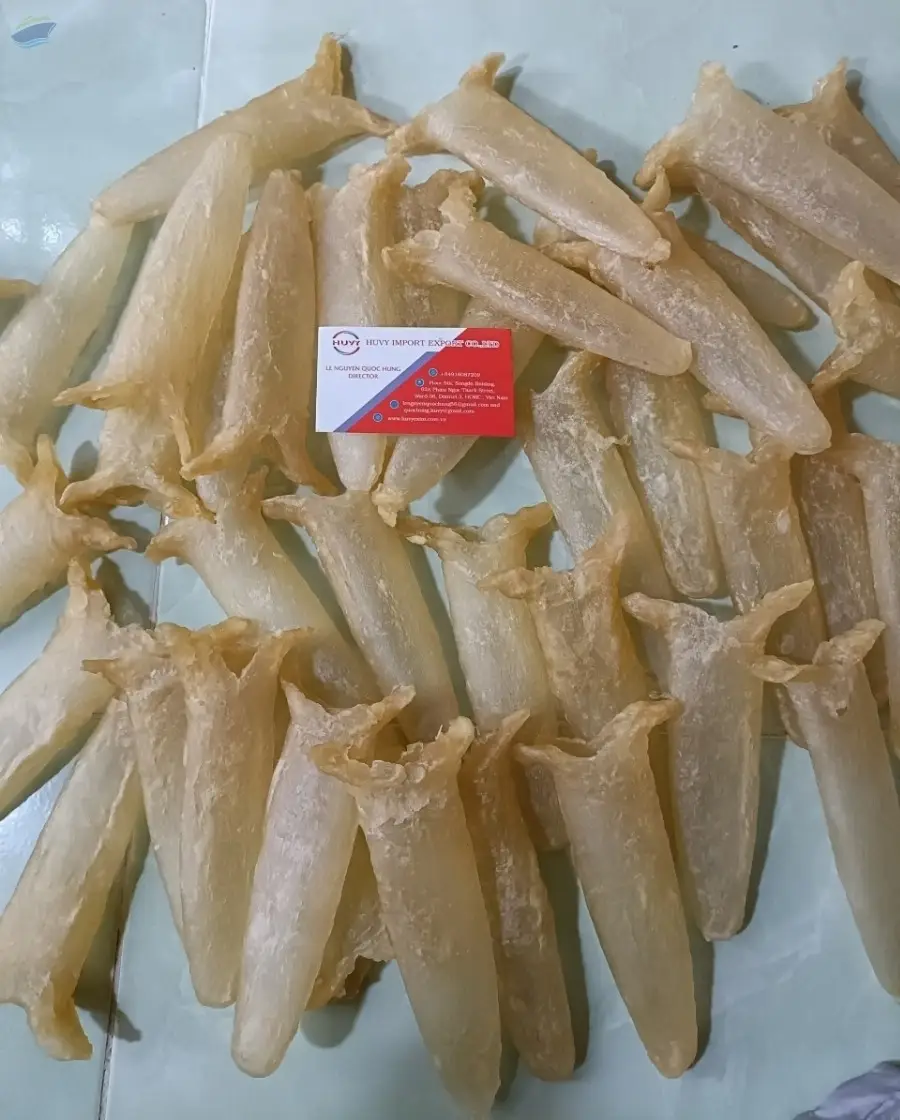
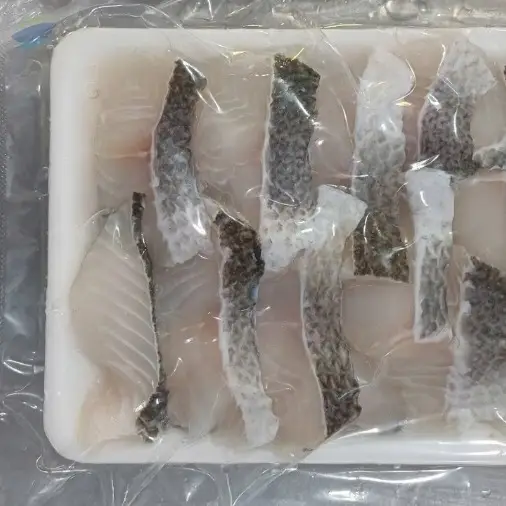
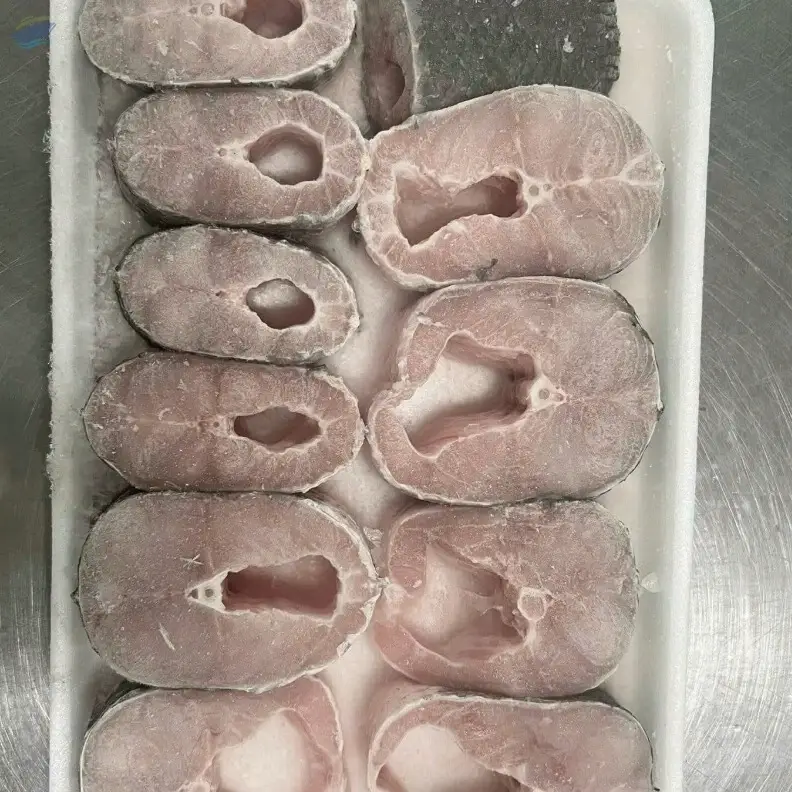
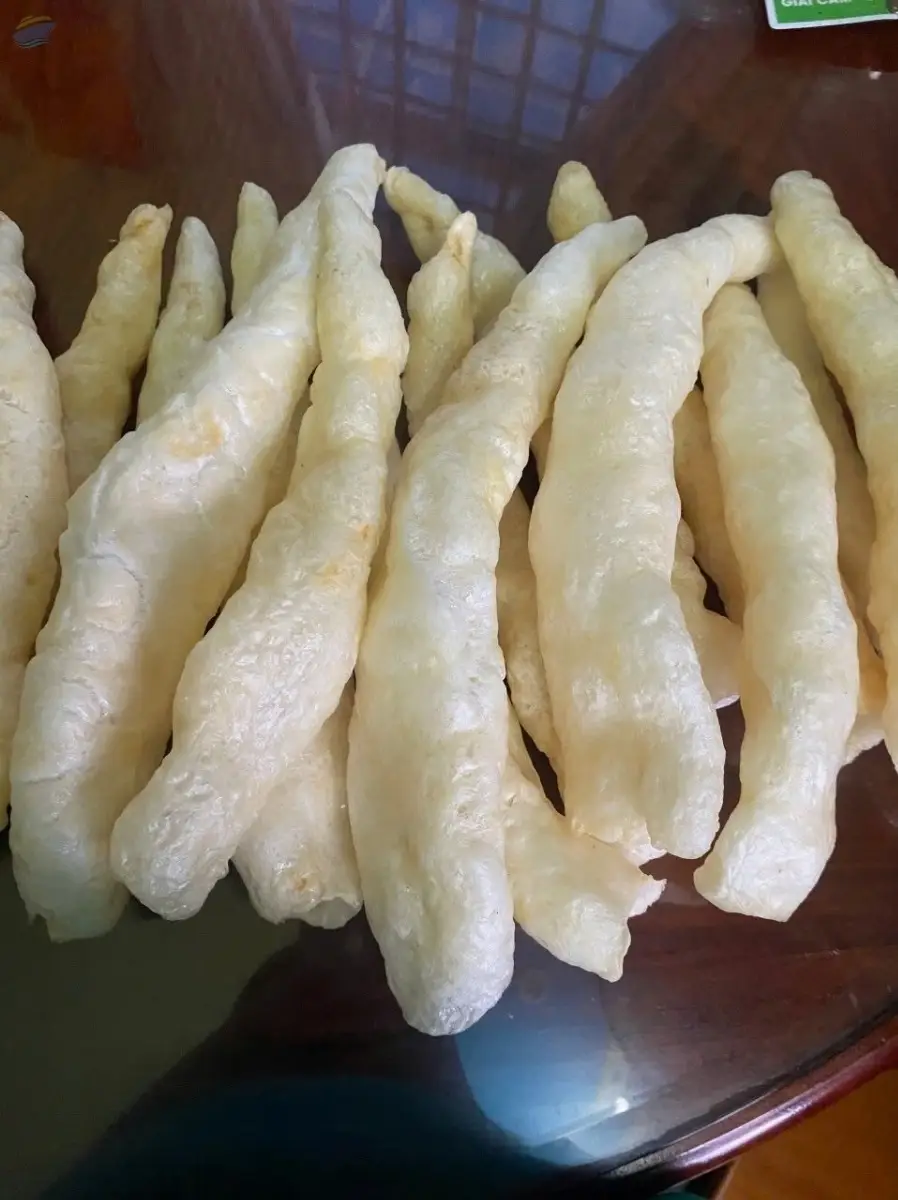
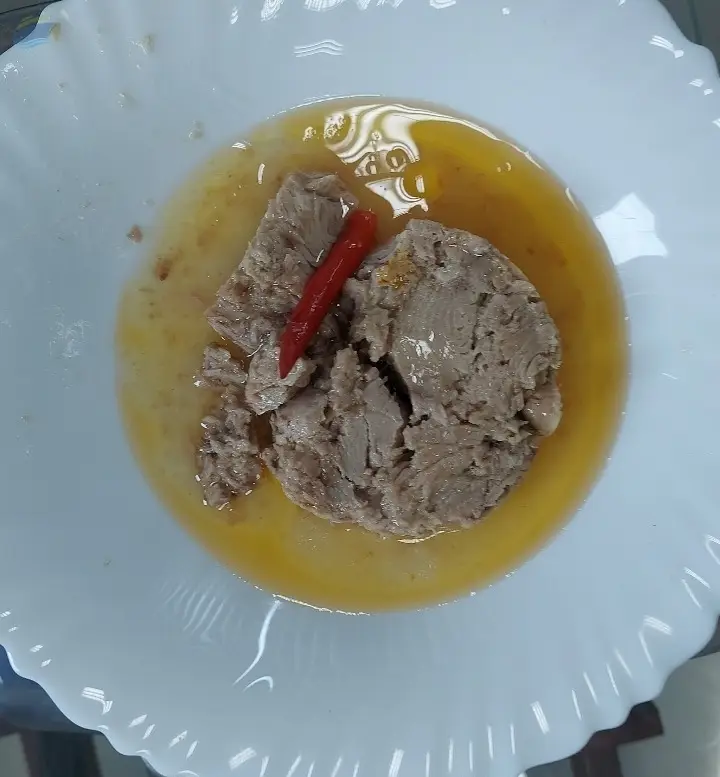
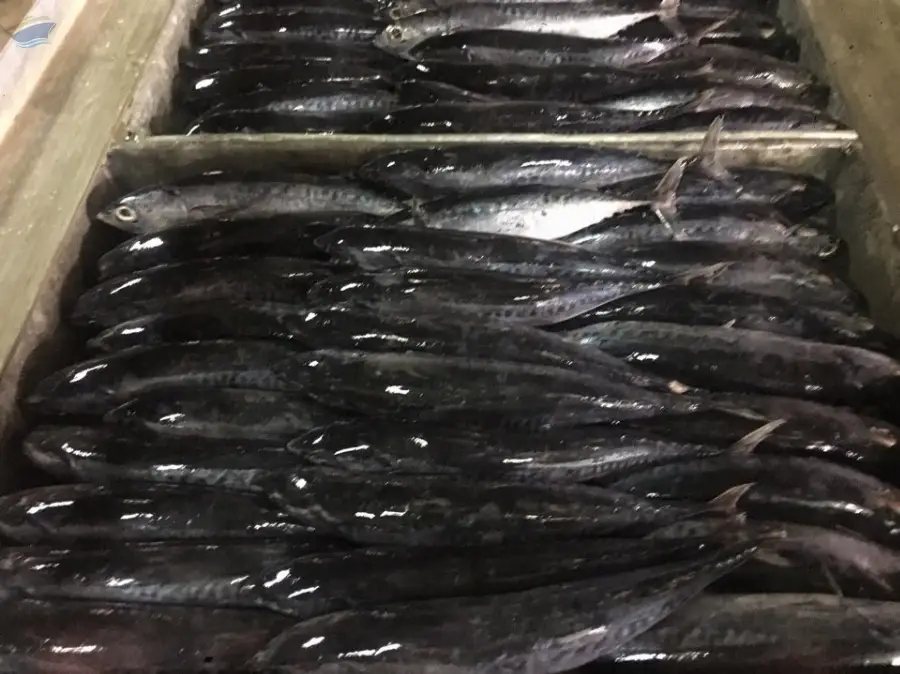
Indonesia, Jakarta, hosts Marina Seafood with an active catalogue of 11 products. The list includes Frozen Fish, Lobster, Loligo Squid, Dried Anchovies, Frozen Lobster, Mackerel Steak, Ribbon Fish, Seaweed, Baby Octopus (Frozen), Spanish Mackerel and Woodchip/Wood Pellet. Each entry is recorded under the supplier’s top categories such as Fresh Mackerel Fish, Frozen Fish, Fresh Lobsters, Fresh Squid, Fresh or Chilled Seafood, Frozen Lobsters, Fresh Ribbon Fish and Health Products. The supplier is classified as an imported tier with a harbor trust tier, indicating it operates within Indonesia’s major export channels. The catalogue reflects a focus on both finfish and crustacean products as well as a non‑seafood line of wood pellets for energy applications.
Product Range and Specialties of Marina Seafood
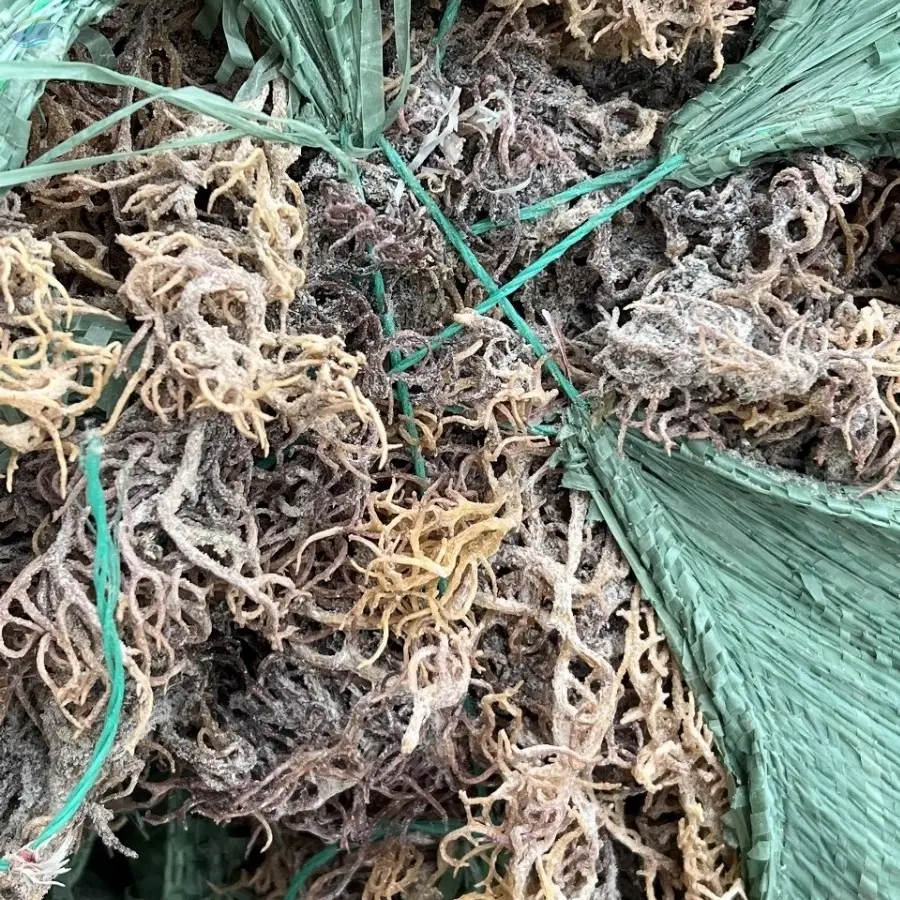
Marina Seafood’s catalogue covers a typical Indonesian seafood export profile. Frozen Fish items are usually processed by flash‑freezing at - 18 °C and packed in insulated cartons of 10 kg or 20 kg blocks, conforming to standard HS‑0302 specifications. Lobster products, both fresh and frozen, are commonly graded by carapace length (e.g., 60‑80 mm) and shipped on ice or in chilled seawater to preserve meat quality. Loligo Squid and Baby Octopus are supplied whole, often vacuum‑packed, with moisture content below 75 % for frozen variants. Dried Anchovies and Seaweed fall under HS‑0304 and are typically dried to a moisture level of 8‑12 % and may be graded by size and colour. Woodchip/Wood Pellet items are generally sized 10‑30 mm, moisture below 12 %, and used for biomass fuel, aligning with HS‑4401 classifications.
Trade and Export Information - Marina Seafood
Indonesia ranks among the top global exporters of marine products, supplying the United States, European Union, Japan and South‑East Asian markets. Buyers of frozen finfish and crustaceans usually require compliance with HACCP, BRC Global Standards or MSC certification, and a phytosanitary certificate issued by the Indonesian Ministry of Agriculture. Seaweed and dried fish are subject to food safety audits and may need a Certificate of Origin for tariff preferences under ASEAN trade agreements. Wood pellets are classified as renewable energy material; exporters often provide a CO₂ emission factor and comply with ISPM‑15 treatment for wood packaging. Typical shipping terms are FOB Jakarta with container loads of 20 ft (≈14 t) for frozen seafood and 40 ft for bulk wood pellets, using refrigerated reefers or standard dry containers respectively.
Sourcing from Marina Seafood - Buyer Guidance
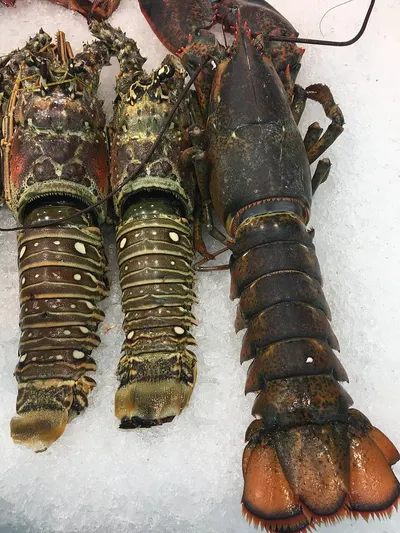
When sourcing from Marina Seafood, buyers should request a recent HACCP audit report, a BRC or MSC copy if available, and a laboratory analysis confirming moisture, ice‑crystal content and microbial limits for frozen products. For lobsters, verify carapace size specifications and whether the product is live, chilled or frozen. Dried Anchovies and Seaweed require a moisture analysis (≤12 %) and a mycotoxin test where applicable. Wood pellet orders should be accompanied by a moisture content certificate and a calorific value report (typically 4,500 - 5,000 kcal/kg). Confirm packaging details - insulated cartons for frozen goods, vacuum‑sealed bags for dried items, and bulk pallets for wood pellets - and ensure that the supplier can meet the buyer’s Incoterm preferences, such as CIF or DAP, for the target market.
Frequently Asked Questions About Marina Seafood
What types of frozen fish does Marina Seafood offer?
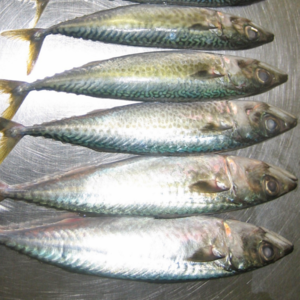
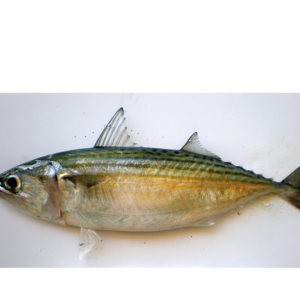
The catalogue lists generic "Frozen Fish" which in Indonesian export practice includes species such as Mackerel Steak, Spanish Mackerel and Ribbon Fish, flash‑frozen at - 18 °C and packed in 10 kg insulated boxes.
Are the lobsters supplied live or processed?
Both fresh (chilled) lobster and frozen lobster are listed. Fresh lobsters are typically shipped on ice with a maximum holding temperature of 2 °C, while frozen lobsters are flash‑frozen and packed in insulated containers.
What size grades are used for the Loligo Squid?
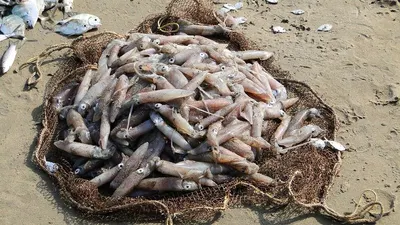
Loligo Squid is normally supplied whole, with mantle lengths of 12‑18 cm, and packed in vacuum‑sealed bags to preserve texture.
What documentation is required for the dried anchovies?
Buyers should request a moisture content certificate (≤12 %), a laboratory analysis for microbial load, and a phytosanitary certificate confirming the product is free from pests.
How is seaweed packaged for export?
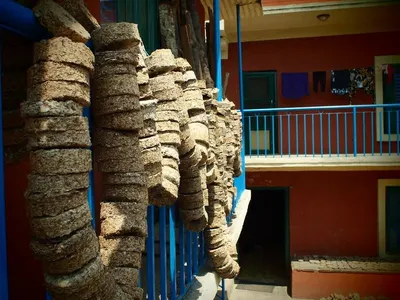
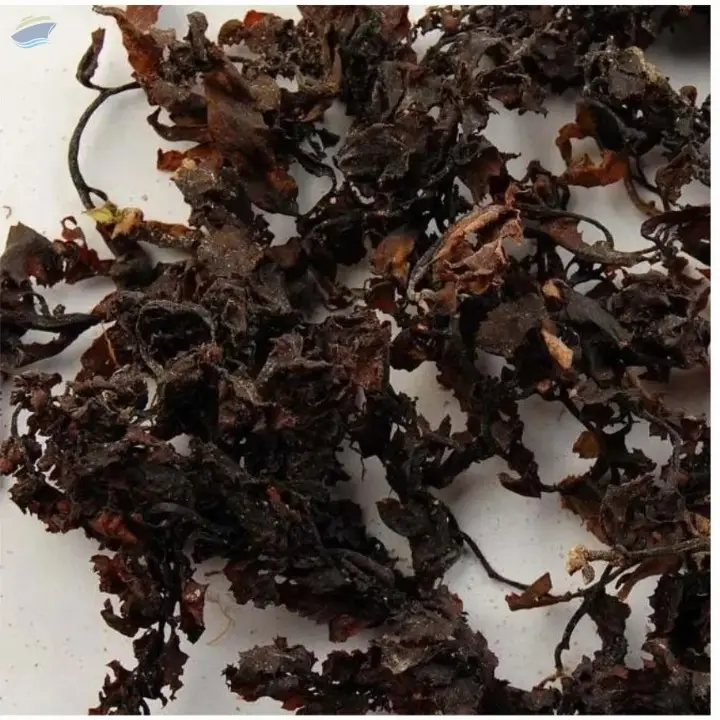
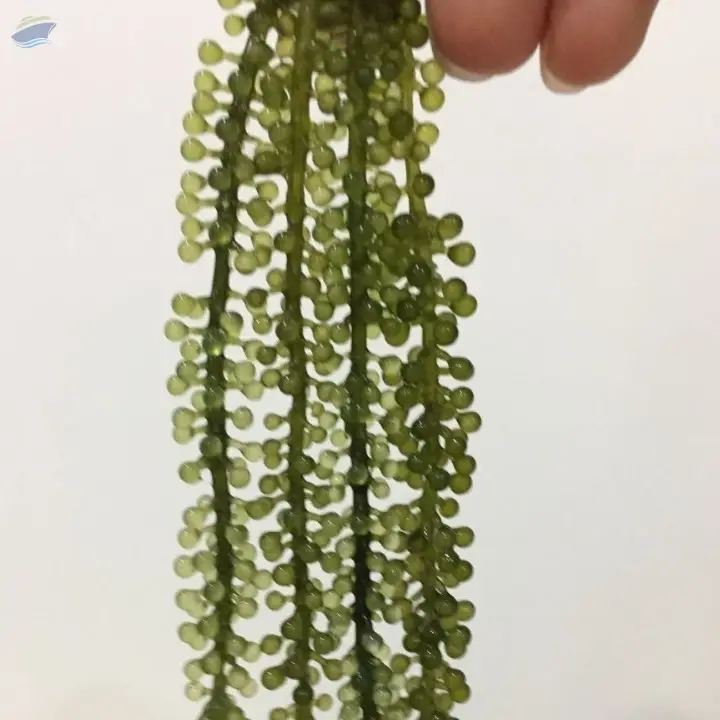
Seaweed is typically dried, graded by colour and thickness, and packed in multi‑layer polypropylene bags or bulk cartons with moisture content verified at 8‑12 %.
What are the standard container capacities for the wood pellets?
Woodchip/Wood Pellet orders are usually loaded in 40 ft dry containers, with a net weight of up to 22 t, meeting ISPM‑15 treatment for the pallet wood.
Which certifications should a buyer verify before purchasing?
Buyers should confirm HACCP compliance, request BRC or MSC certificates if applicable, and obtain a Certificate of Origin for tariff‑preference claims.
What are typical lead times for frozen seafood shipments from Jakarta?
Lead times for frozen seafood from Jakarta are commonly 2‑4 weeks after order confirmation, allowing for processing, packaging, and refrigerated container booking.




 , Indonesia