AIZA SEAFOOD — Verified Trader & Wholesale Supplier
About AIZA SEAFOOD - Seafood Supplier in India
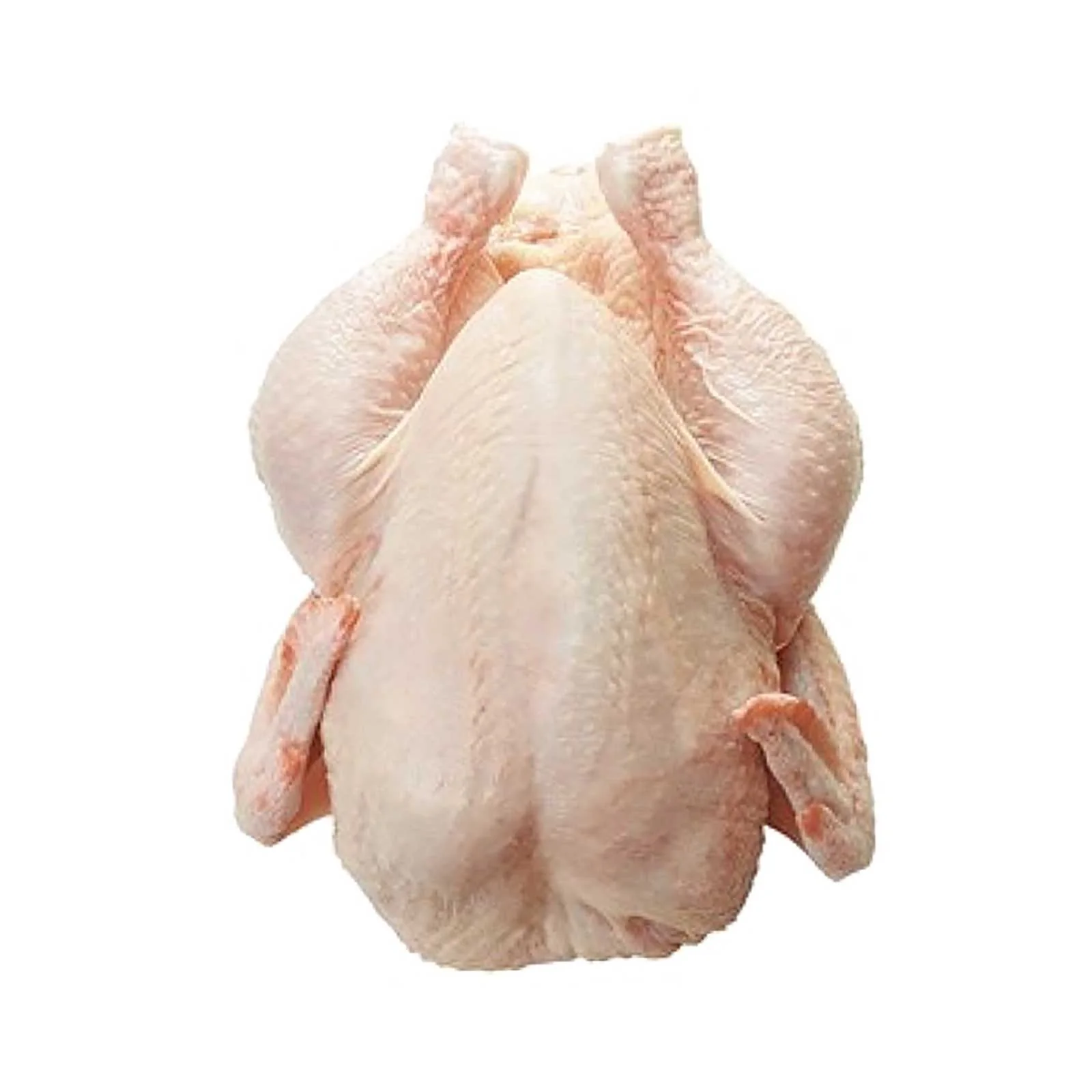
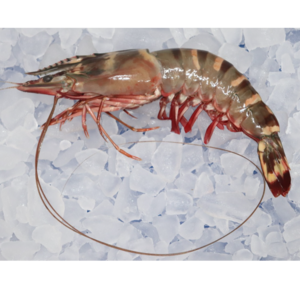
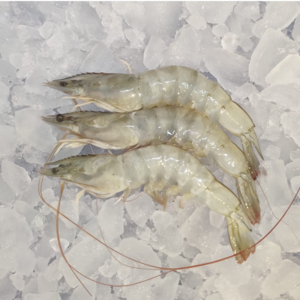
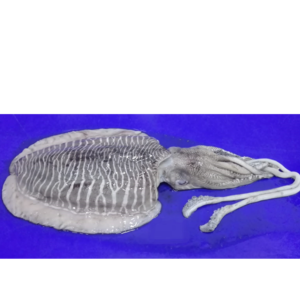
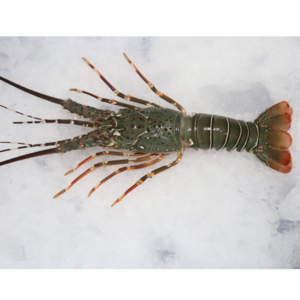
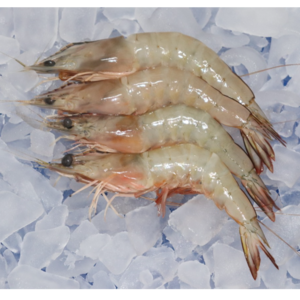
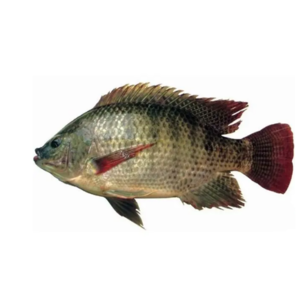
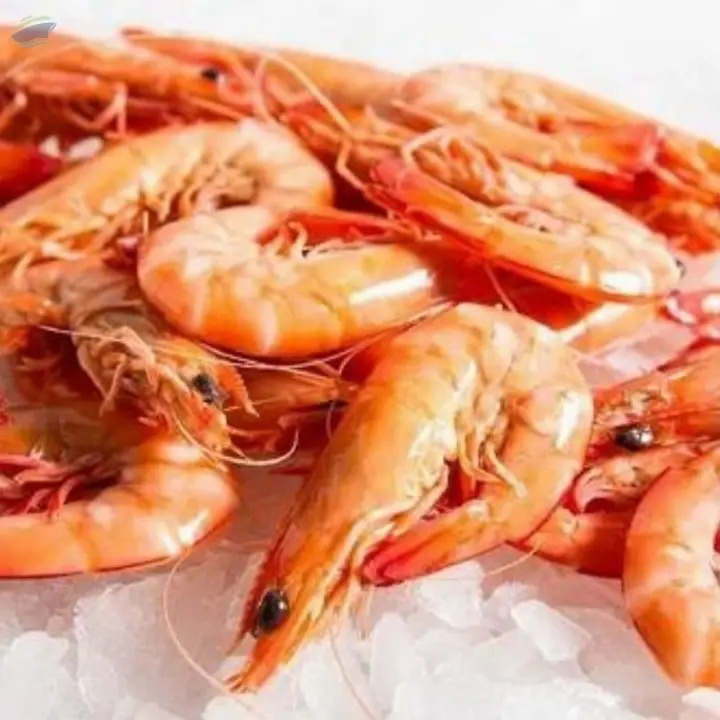
India, Mumbai City in the state of Maharashtra hosts AIZA SEAFOOD, which currently lists 19 active seafood products. The catalogue includes frozen lobster whole (HS 0306.11), several frozen shrimp lines under HS 0306.17, frozen cuttlefish (HS 0307.49) and a variety of frozen finfish such as emperor, tilapia, crabs, sole and others. Product titles follow standard industry descriptors - for example “Frozen Head‑on Sea White Shrimp” and “Frozen Cuttlefish Whole” - matching the HS‑code families for crustaceans and cephalopods. The supplier’s top categories are reported as frozen shellfish, frozen cuttlefish, frozen shrimps, fresh shrimps, frozen emperor fish, frozen tilapia fish, frozen crabs and frozen sole fish. Each entry specifies the biological material, e.g., Homarus spp. for lobster or Litopenaeus vannamei for vannamei shrimp, aligning with the HS‑code classifications used globally for seafood trade.
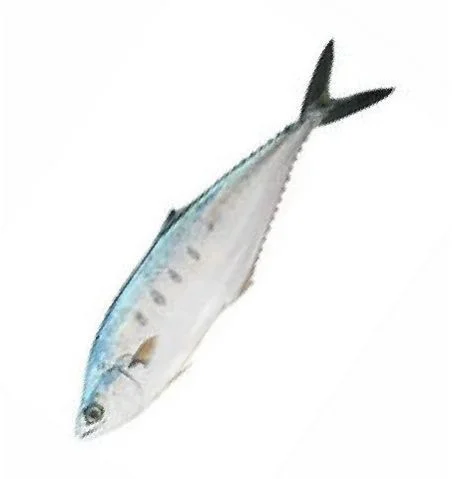
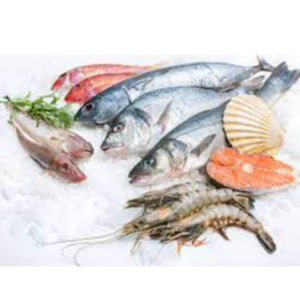
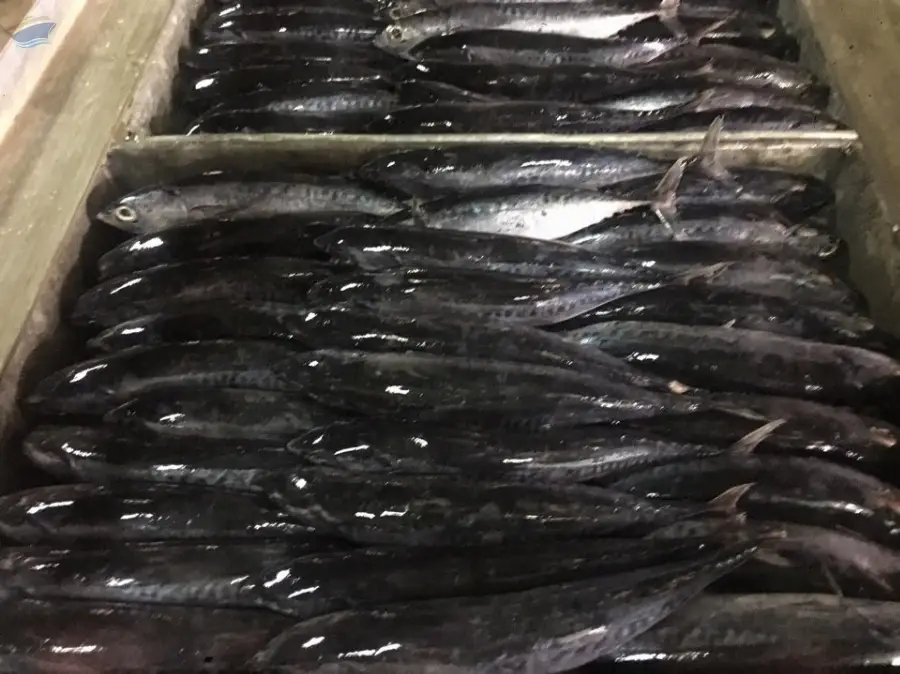
The remaining catalogue entries, although lacking explicit HS codes, are consistent with Indian export classifications for frozen or fresh fish such as blue swimming crabs, silver/yellow croaker, horse mackerel, Indian mackerel, silver/white pomfret, black pomfret, squid whole, frozen octopus whole, frozen mahi‑mahi and frozen sardine fish. These products fall under HS Chapter 03 headings for fish and crustaceans, which are the primary tariff lines used by customs authorities worldwide. By listing both frozen and fresh forms, AIZA SEAFOOD covers the full temperature‑controlled supply chain from processing plants in Maharashtra to international buyers.
Product Range and Specialties of AIZA SEAFOOD
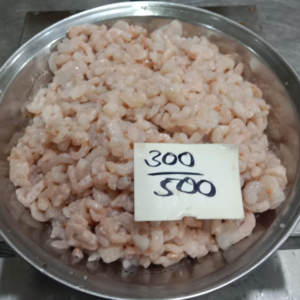
AIZA SEAFOOD’s catalogue contains whole‑body frozen lobster, several shrimp varieties (black tiger, sea white, vannamei) and whole cuttlefish, each supplied in insulated cartons typically ranging from 20 kg to 40 kg per box. In the broader list, Indian exporters commonly grade shrimp by count per kilogram (e.g., 16‑20/ lb or 30‑40/ lb) and lobster by weight (500 g‑800 g per piece). Frozen finfish such as emperor, tilapia, crabs and sole are usually packed in vacuum‑sealed trays or bulk ice boxes, with moisture content below 78 % to meet BRC and HACCP standards. Industry practice for these categories includes providing a product specification sheet that details size, weight, colour, shell integrity, and microbial limits (e.g., total plate count ≤ 5 × 10⁴ CFU/g, E. coli ≤ 10 CFU/g).
Trade and Export Information - AIZA SEAFOOD
India ranks among the top global exporters of frozen shrimp and other crustaceans, with the United States, European Union, Middle East and Southeast Asian markets accounting for the majority of shipments. HS 0306 covers frozen crustaceans, while HS 0307 covers frozen cephalopods; both chapters are subject to phytosanitary certificates, health certificates issued by the Indian Export Inspection Council, and, for EU destinations, compliance with the EU’s Food Hygiene Regulation (Regulation (EC) No 852/2004). Buyers typically require HACCP, BRC or ISO 22000 certification, as well as a catch‑statement confirming that the seafood was harvested in accordance with local fisheries regulations. Shipping is usually performed in refrigerated containers (40 ft reefer) at 0 °C ± 2 °C, with standard loading capacities of 20‑22 tonnes for frozen shrimp and 12‑14 tonnes for whole lobster.
Sourcing from AIZA SEAFOOD - Buyer Guidance
When sourcing from AIZA SEAFOOD, buyers should request the latest HACCP or BRC audit reports, a copy of the Indian sanitary and phytosanitary certificate, and laboratory test results for key microbiological parameters (e.g., TVB‑N, total viable count). For shrimp and lobster, confirm size grading and weight specifications in the product data sheet, and verify that the frozen chain integrity is maintained through temperature‑controlled transport documentation. It is advisable to obtain a sample batch for sensory and lab analysis before confirming a full order, and to ensure the supplier can provide a Certificate of Origin and any required aquaculture sustainability documentation if organic or eco‑label claims are needed.
Typical minimum order quantities for frozen whole lobster range from 500 kg, while shrimp batches often start at 1 tonne. Lead times for processing and cold‑chain logistics in Maharashtra are generally 15‑25 days from order confirmation to vessel loading, depending on product seasonality and container availability.
Frequently Asked Questions About AIZA SEAFOOD
What HS codes apply to the frozen shrimp products listed by AIZA SEAFOOD?
The frozen shrimp lines - Black Tiger Shrimp, Sea White Shrimp and Vannamei Shrimp - are classified under HS code 0306.17, which covers frozen crustaceans of the suborder Natantia.
Which certifications should a buyer request for the frozen lobster whole product?
Buyers should ask for the supplier’s HACCP or BRC certification, a recent health certificate issued by the Indian Export Inspection Council, and any organic certification if the product is marketed as organic.
How is the frozen cuttlefish packaged for export?
Frozen cuttlefish (HS 0307.49) is typically packed in insulated cartons of 20 kg to 40 kg, sealed in vacuum‑packed trays, and loaded into refrigerated containers maintaining 0 °C ± 2 °C.
What documentation is required for importing the shrimp to the EU?
EU importers normally require a health certificate, a sanitary/phytosanitary certificate, proof of compliance with EU Regulation (EC) No 852/2004, and a recent HACCP audit report.
What are the typical size specifications for the vannamei shrimp offered?
Vannamei shrimp are commonly graded by count per kilogram; AIZA SEAFOOD’s frozen head‑on vannamei shrimp are typically in the 30‑40 pieces per kilogram range, with an average individual weight of 25‑30 g.
What is the standard lead time for a full container load of frozen shrimp from Mumbai?
From order confirmation, processing, icing and container loading in Mumbai usually takes 15 to 25 days, depending on product availability and seasonal demand.
Are there any specific import restrictions for frozen octopus whole?
Frozen octopus (HS 0307) is subject to the same health and sanitary certification requirements as other frozen cephalopods, and some destination countries may require a specific marine‑product import permit.
What temperature controls are required during transport of the frozen fish products?
All frozen fish and crustaceans should be transported in refrigerated containers set to 0 °C ± 2 °C, with continuous temperature monitoring and insulated packaging to prevent thawing.




 Mumbai City, India