JSC Globus — Verified Manufacturer & Wholesale Supplier

About JSC Globus - Fruit Beverages Supplier in Russian Federation

The Russian Federation supplier JSC Globus is registered in Moscow and operates a production site in Opochka, Pskov region. The catalogue lists ten active products, all packaged in glass bottles or bag‑in‑box containers, and each entry is assigned to HS code families 2009.89 for fruit juices and 2103.90 for syrup preparations. The company processes wild berries sourced from the ecologically clean regions of Karelia, Pskov, Vologda and Novgorod, converting them into fruit morses, nectars and syrups without the use of preservatives. Production follows GOST requirements and the facility is certified to FSSC 22000 ver. 5, indicating compliance with international food safety management standards.

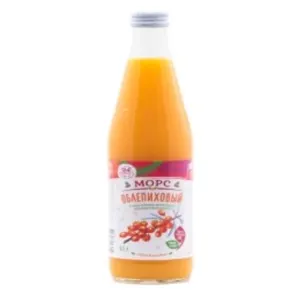
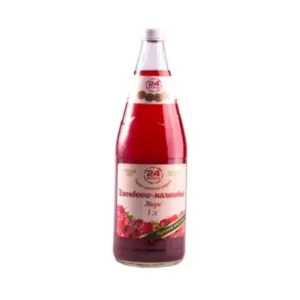
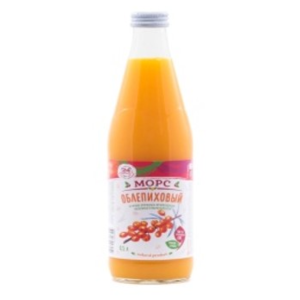
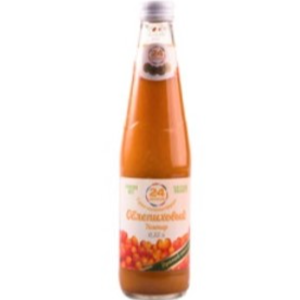
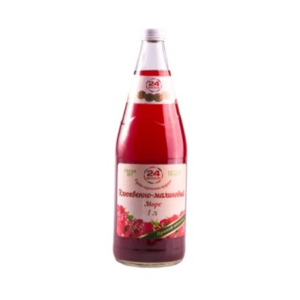
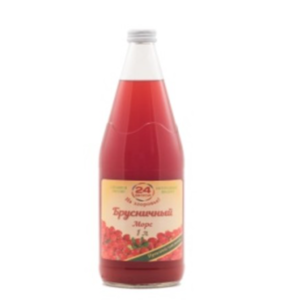
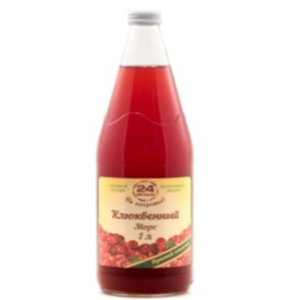
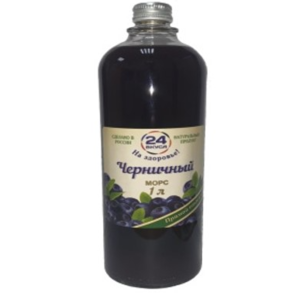
JSC Globus’s product list includes cranberry‑raspberry mors (1 L), black chokeberry mors (1 L), lingonberry mors (1 L), cranberry mors (1 L), blueberry mors (1 L), sea buckthorn mors (0.5 L), sea buckthorn nectar (200 mL, with and without sugar), sea buckthorn syrup (5 kg bag‑in‑box) and cranberry syrup (5 kg bag‑in‑box). All glass‑bottled items carry HS code 2009.89, while the cranberry syrup is classified under HS code 2103.90. The packaging materials are specified as glass bottles for the 0.5‑1 L beverages and bag‑in‑box for the 5 kg syrup formats, providing a clear view of the logistics and handling requirements.

Product Range and Specialties of JSC Globus

The catalogue focuses on fruit‑based beverages derived from berries native to northern Russia. Morses are essentially low‑water‑content fruit purees with typical soluble solids content (Brix) between 30 % and 35 % and acidity around 0.3‑0.5 % citric acid, which aligns with industry specifications for premium berry concentrates. Sea buckthorn nectar is produced in 200 mL glass bottles, a common format that supports a shelf life of up to two years when stored at ambient temperature. Syrups in 5 kg bag‑in‑box units are standard for bulk foodservice and industrial use, often requiring a minimum Brix of 65 % for stability. Industry standards for these categories reference ISO 22000 for food safety, HACCP procedures, and, where applicable, organic certification according to EU Regulation 834/2007. Typical material grades include food‑grade glass (transparent, 0.5 mm thickness) and multilayered polyethylene‑aluminum‑polyethylene (PE‑Al‑PE) for bag‑in‑box containers, both compliant with EU food contact regulations.

Trade and Export Information - JSC Globus

Russian berry products such as those produced by JSC Globus are regularly exported to the European Union, the Middle East, and East Asian markets, where demand for natural fruit beverages and organic ingredients is high. HS chapter 20 (2009.89) covers fruit juices and nectars, while chapter 21 (2103.90) includes prepared syrups; customs authorities in import‑receiving countries often request a phytosanitary certificate, a certificate of origin, and compliance with GOST or EU food safety standards. Buyers typically require documentation of FSSC 22000 or ISO 22000 certification, as well as laboratory test reports confirming Brix, pH, microbiological limits (e.g., total plate count < 10 CFU/g) and the absence of pesticide residues. Glass‑bottled products are usually shipped in wooden crates or cardboard cartons, with a standard 20‑ft container holding approximately 1,200 L of 1 L bottles, while bag‑in‑box syrups are palletized for 40‑ft containers. Russian export regulations mandate that all fruit‑based beverages meet the state sanitary‑epidemiological standards (GOST) and be accompanied by a sanitary‑veterinary passport for customs clearance.

Sourcing from JSC Globus - Buyer Guidance

When sourcing from JSC Globus, buyers should request the latest FSSC 22000 audit report, GOST compliance certificates, and a detailed specification sheet that lists Brix, acidity, shelf life and microbial limits for each product. Samples of the glass‑bottled morses or nectars are commonly provided in 250 mL trial bottles, enabling verification of flavor profile and vitamin retention after the patented hot‑fill process. Verify the material safety data for the bag‑in‑box packaging, and confirm that the polyethylene‑aluminum barrier meets the required food‑contact migration limits. Typical minimum order quantities range from 500 L for bottled beverages to 2 pallets (≈10 kg) for syrup, with lead times of 30‑45 days from order confirmation, subject to seasonal berry harvest schedules.

Frequently Asked Questions About JSC Globus

What product formats does JSC Globus offer for berry beverages?

The supplier provides 1 L glass‑bottled fruit morses, 200 mL glass‑bottled nectars and 5 kg bag‑in‑box syrups, all classified under HS codes 2009.89 and 2103.90.

Which certifications does JSC Globus hold for its production facilities?

JSC Globus is certified to FSSC 22000 version 5 and complies with Russian GOST food safety standards; buyers should request the current audit report.

What are the typical quality parameters for the morses?

Morses usually have a soluble solids content (Brix) of 30‑35 %, acidity around 0.3‑0.5 % citric acid, and microbiological limits not exceeding 10 CFU/g for total plate count.

How are the syrups packaged for export?

Syrups are packed in food‑grade bag‑in‑box containers of 5 kg capacity, using multilayer PE‑Al‑PE material that meets EU food‑contact migration standards.

What documentation should be requested before placing an order?

Buyers should ask for a certificate of origin, phytosanitary certificate, GOST compliance certificate, FSSC 22000 audit report, and laboratory analysis sheets showing Brix, pH, and microbiological results.

What are the standard minimum order quantities and lead times?

Typical MOQ is 500 L for bottled morses or 2 pallets (≈10 kg) for syrups, with an estimated lead time of 30‑45 days, depending on the harvest season.

Which markets commonly import Russian berry juices and syrups?

Key import markets include the EU, the Gulf Cooperation Council states, and East Asian countries such as Japan and South Korea, where buyers look for natural, preservative‑free fruit beverages.

Are the glass bottles used for the beverages recyclable?

The glass bottles are made from food‑grade recyclable glass and are generally accepted in standard recycling streams in most importing countries.


Featured Products from JSC Globus

Other Suppliers in Fruit Concentrates

Top Trusted Suppliers

Related Products in Fruit Concentrates

Trending in Parent Category

More Suppliers in Parent Category

Related Products

Other Suppliers

EximNext
58.4K+ live requirements
Register Free🎁 5 free buy-lead credits
Post Requirement
🌍 Trusted by 224.4K+ businesses in 200+ countries|
58.4K+ active requirements right now
✉️ [email protected]
|
Sell on EximNextPost Requirement
EximNext
AgricultureApparelConstructionElectronicFoodHomeIndustrialMineralsMiscellaneous
🔥 Deals|✨ AI Match|🏭 Suppliers|📋 Buy Leads|💰 Trade Finance|⭐ Upgrade
58.4K+ live RFQs·194.4K+ suppliers
🎁 5 free credits →
EximNext
EximNext
Register Free
🎁 5 free buy-lead credits
Sign In
📋Post Requirement💬Get QuotesAI Match📋RFQ Marketplace
All Categories
Services & Tools
🏭Supplier Directory🔥Today's Deals💰Trade FinanceMembership
Sell on EximNext
AboutContactBlogHelp
🏭

JSC Globus

Harbor
Country flag , Russian FederationEst. 2007-12-31
🏆
19+
Years in Business
🛡️
59/100
Trust Score

JSC Globus Product Catalog

Showing 10 of 10 products
View all products →
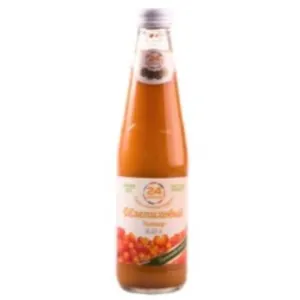
Sea buckthorn nectar 200 ml without sugar
Harbor
Sea buckthorn nectar 200 ml without sugar
Contact
MOQ: 1 Unit
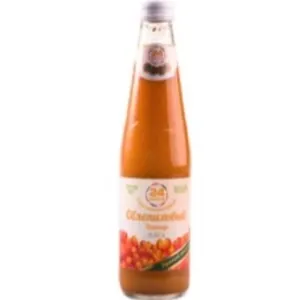
Sea buckthorn nectar 200 ml
Harbor
Sea buckthorn nectar 200 ml
Contact
MOQ: 1 Unit
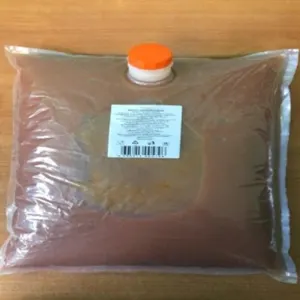
Sea buckthorn syrup (Topping) 5 kg
Harbor
Sea buckthorn syrup (Topping) 5 kg
Contact
MOQ: 1 Unit
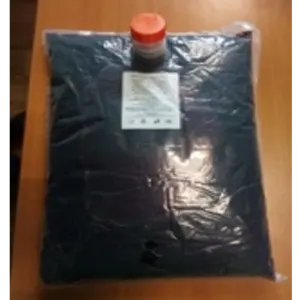
Cranberry syrup (Topping) 5 kg
Harbor
Cranberry syrup (Topping) 5 kg
Contact
MOQ: 1 Unit
Sea Buckthorn Mors 0.5 liter
Harbor
Sea Buckthorn Mors 0.5 liter
Contact
MOQ: 1 Unit
Blueberry Mors 1 liter
Harbor
Blueberry Mors 1 liter
Contact
MOQ: 1 Unit
Cranberry Mors 1 liter
Harbor
Cranberry Mors 1 liter
Contact
MOQ: 1 Unit
Lingonberry Mors 1 liter
Harbor
Lingonberry Mors 1 liter
Contact
MOQ: 1 Unit
Black chokeberry morses 1 liter
Harbor
Black chokeberry morses 1 liter
Contact
MOQ: 1 Unit
Cranberry Raspberry Mors 1 liter
Harbor
Cranberry Raspberry Mors 1 liter
Contact
MOQ: 1 Unit

About JSC Globus - Fruit Beverages Supplier in Russian Federation

The Russian Federation supplier JSC Globus is registered in Moscow and operates a production site in Opochka, Pskov region. The catalogue lists ten active products, all packaged in glass bottles or bag‑in‑box containers, and each entry is assigned to HS code families 2009.89 for fruit juices and 2103.90 for syrup preparations. The company processes wild berries sourced from the ecologically clean regions of Karelia, Pskov, Vologda and Novgorod, converting them into fruit morses, nectars and syrups without the use of preservatives. Production follows GOST requirements and the facility is certified to FSSC 22000 ver. 5, indicating compliance with international food safety management standards.

JSC Globus’s product list includes cranberry‑raspberry mors (1 L), black chokeberry mors (1 L), lingonberry mors (1 L), cranberry mors (1 L), blueberry mors (1 L), sea buckthorn mors (0.5 L), sea buckthorn nectar (200 mL, with and without sugar), sea buckthorn syrup (5 kg bag‑in‑box) and cranberry syrup (5 kg bag‑in‑box). All glass‑bottled items carry HS code 2009.89, while the cranberry syrup is classified under HS code 2103.90. The packaging materials are specified as glass bottles for the 0.5‑1 L beverages and bag‑in‑box for the 5 kg syrup formats, providing a clear view of the logistics and handling requirements.

Product Range and Specialties of JSC Globus

The catalogue focuses on fruit‑based beverages derived from berries native to northern Russia. Morses are essentially low‑water‑content fruit purees with typical soluble solids content (Brix) between 30 % and 35 % and acidity around 0.3‑0.5 % citric acid, which aligns with industry specifications for premium berry concentrates. Sea buckthorn nectar is produced in 200 mL glass bottles, a common format that supports a shelf life of up to two years when stored at ambient temperature. Syrups in 5 kg bag‑in‑box units are standard for bulk foodservice and industrial use, often requiring a minimum Brix of 65 % for stability. Industry standards for these categories reference ISO 22000 for food safety, HACCP procedures, and, where applicable, organic certification according to EU Regulation 834/2007. Typical material grades include food‑grade glass (transparent, 0.5 mm thickness) and multilayered polyethylene‑aluminum‑polyethylene (PE‑Al‑PE) for bag‑in‑box containers, both compliant with EU food contact regulations.

Trade and Export Information - JSC Globus

Russian berry products such as those produced by JSC Globus are regularly exported to the European Union, the Middle East, and East Asian markets, where demand for natural fruit beverages and organic ingredients is high. HS chapter 20 (2009.89) covers fruit juices and nectars, while chapter 21 (2103.90) includes prepared syrups; customs authorities in import‑receiving countries often request a phytosanitary certificate, a certificate of origin, and compliance with GOST or EU food safety standards. Buyers typically require documentation of FSSC 22000 or ISO 22000 certification, as well as laboratory test reports confirming Brix, pH, microbiological limits (e.g., total plate count < 10 CFU/g) and the absence of pesticide residues. Glass‑bottled products are usually shipped in wooden crates or cardboard cartons, with a standard 20‑ft container holding approximately 1,200 L of 1 L bottles, while bag‑in‑box syrups are palletized for 40‑ft containers. Russian export regulations mandate that all fruit‑based beverages meet the state sanitary‑epidemiological standards (GOST) and be accompanied by a sanitary‑veterinary passport for customs clearance.

Sourcing from JSC Globus - Buyer Guidance

When sourcing from JSC Globus, buyers should request the latest FSSC 22000 audit report, GOST compliance certificates, and a detailed specification sheet that lists Brix, acidity, shelf life and microbial limits for each product. Samples of the glass‑bottled morses or nectars are commonly provided in 250 mL trial bottles, enabling verification of flavor profile and vitamin retention after the patented hot‑fill process. Verify the material safety data for the bag‑in‑box packaging, and confirm that the polyethylene‑aluminum barrier meets the required food‑contact migration limits. Typical minimum order quantities range from 500 L for bottled beverages to 2 pallets (≈10 kg) for syrup, with lead times of 30‑45 days from order confirmation, subject to seasonal berry harvest schedules.

Frequently Asked Questions About JSC Globus

What product formats does JSC Globus offer for berry beverages?

The supplier provides 1 L glass‑bottled fruit morses, 200 mL glass‑bottled nectars and 5 kg bag‑in‑box syrups, all classified under HS codes 2009.89 and 2103.90.

Which certifications does JSC Globus hold for its production facilities?

JSC Globus is certified to FSSC 22000 version 5 and complies with Russian GOST food safety standards; buyers should request the current audit report.

What are the typical quality parameters for the morses?

Morses usually have a soluble solids content (Brix) of 30‑35 %, acidity around 0.3‑0.5 % citric acid, and microbiological limits not exceeding 10 CFU/g for total plate count.

How are the syrups packaged for export?

Syrups are packed in food‑grade bag‑in‑box containers of 5 kg capacity, using multilayer PE‑Al‑PE material that meets EU food‑contact migration standards.

What documentation should be requested before placing an order?

Buyers should ask for a certificate of origin, phytosanitary certificate, GOST compliance certificate, FSSC 22000 audit report, and laboratory analysis sheets showing Brix, pH, and microbiological results.

What are the standard minimum order quantities and lead times?

Typical MOQ is 500 L for bottled morses or 2 pallets (≈10 kg) for syrups, with an estimated lead time of 30‑45 days, depending on the harvest season.

Which markets commonly import Russian berry juices and syrups?

Key import markets include the EU, the Gulf Cooperation Council states, and East Asian countries such as Japan and South Korea, where buyers look for natural, preservative‑free fruit beverages.

Are the glass bottles used for the beverages recyclable?

The glass bottles are made from food‑grade recyclable glass and are generally accepted in standard recycling streams in most importing countries.

About JSC Globus - Fruit Beverages Supplier in Russian Federation

The Russian Federation supplier JSC Globus is registered in Moscow and operates a production site in Opochka, Pskov region. The catalogue lists ten active products, all packaged in glass bottles or bag‑in‑box containers, and each entry is assigned to HS code families 2009.89 for fruit juices and 2103.90 for syrup preparations. The company processes wild berries sourced from the ecologically clean regions of Karelia, Pskov, Vologda and Novgorod, converting them into fruit morses, nectars and syrups without the use of preservatives. Production follows GOST requirements and the facility is certified to FSSC 22000 ver. 5, indicating compliance with international food safety management standards.

JSC Globus’s product list includes cranberry‑raspberry mors (1 L), black chokeberry mors (1 L), lingonberry mors (1 L), cranberry mors (1 L), blueberry mors (1 L), sea buckthorn mors (0.5 L), sea buckthorn nectar (200 mL, with and without sugar), sea buckthorn syrup (5 kg bag‑in‑box) and cranberry syrup (5 kg bag‑in‑box). All glass‑bottled items carry HS code 2009.89, while the cranberry syrup is classified under HS code 2103.90. The packaging materials are specified as glass bottles for the 0.5‑1 L beverages and bag‑in‑box for the 5 kg syrup formats, providing a clear view of the logistics and handling requirements.

Product Range and Specialties of JSC Globus

The catalogue focuses on fruit‑based beverages derived from berries native to northern Russia. Morses are essentially low‑water‑content fruit purees with typical soluble solids content (Brix) between 30 % and 35 % and acidity around 0.3‑0.5 % citric acid, which aligns with industry specifications for premium berry concentrates. Sea buckthorn nectar is produced in 200 mL glass bottles, a common format that supports a shelf life of up to two years when stored at ambient temperature. Syrups in 5 kg bag‑in‑box units are standard for bulk foodservice and industrial use, often requiring a minimum Brix of 65 % for stability. Industry standards for these categories reference ISO 22000 for food safety, HACCP procedures, and, where applicable, organic certification according to EU Regulation 834/2007. Typical material grades include food‑grade glass (transparent, 0.5 mm thickness) and multilayered polyethylene‑aluminum‑polyethylene (PE‑Al‑PE) for bag‑in‑box containers, both compliant with EU food contact regulations.

Trade and Export Information - JSC Globus

Russian berry products such as those produced by JSC Globus are regularly exported to the European Union, the Middle East, and East Asian markets, where demand for natural fruit beverages and organic ingredients is high. HS chapter 20 (2009.89) covers fruit juices and nectars, while chapter 21 (2103.90) includes prepared syrups; customs authorities in import‑receiving countries often request a phytosanitary certificate, a certificate of origin, and compliance with GOST or EU food safety standards. Buyers typically require documentation of FSSC 22000 or ISO 22000 certification, as well as laboratory test reports confirming Brix, pH, microbiological limits (e.g., total plate count < 10 CFU/g) and the absence of pesticide residues. Glass‑bottled products are usually shipped in wooden crates or cardboard cartons, with a standard 20‑ft container holding approximately 1,200 L of 1 L bottles, while bag‑in‑box syrups are palletized for 40‑ft containers. Russian export regulations mandate that all fruit‑based beverages meet the state sanitary‑epidemiological standards (GOST) and be accompanied by a sanitary‑veterinary passport for customs clearance.

Sourcing from JSC Globus - Buyer Guidance

When sourcing from JSC Globus, buyers should request the latest FSSC 22000 audit report, GOST compliance certificates, and a detailed specification sheet that lists Brix, acidity, shelf life and microbial limits for each product. Samples of the glass‑bottled morses or nectars are commonly provided in 250 mL trial bottles, enabling verification of flavor profile and vitamin retention after the patented hot‑fill process. Verify the material safety data for the bag‑in‑box packaging, and confirm that the polyethylene‑aluminum barrier meets the required food‑contact migration limits. Typical minimum order quantities range from 500 L for bottled beverages to 2 pallets (≈10 kg) for syrup, with lead times of 30‑45 days from order confirmation, subject to seasonal berry harvest schedules.

Frequently Asked Questions About JSC Globus
What product formats does JSC Globus offer for berry beverages?
The supplier provides 1 L glass‑bottled fruit morses, 200 mL glass‑bottled nectars and 5 kg bag‑in‑box syrups, all classified under HS codes 2009.89 and 2103.90.
Which certifications does JSC Globus hold for its production facilities?
JSC Globus is certified to FSSC 22000 version 5 and complies with Russian GOST food safety standards; buyers should request the current audit report.
What are the typical quality parameters for the morses?
Morses usually have a soluble solids content (Brix) of 30‑35 %, acidity around 0.3‑0.5 % citric acid, and microbiological limits not exceeding 10 CFU/g for total plate count.
How are the syrups packaged for export?
Syrups are packed in food‑grade bag‑in‑box containers of 5 kg capacity, using multilayer PE‑Al‑PE material that meets EU food‑contact migration standards.
What documentation should be requested before placing an order?
Buyers should ask for a certificate of origin, phytosanitary certificate, GOST compliance certificate, FSSC 22000 audit report, and laboratory analysis sheets showing Brix, pH, and microbiological results.
What are the standard minimum order quantities and lead times?
Typical MOQ is 500 L for bottled morses or 2 pallets (≈10 kg) for syrups, with an estimated lead time of 30‑45 days, depending on the harvest season.
Which markets commonly import Russian berry juices and syrups?
Key import markets include the EU, the Gulf Cooperation Council states, and East Asian countries such as Japan and South Korea, where buyers look for natural, preservative‑free fruit beverages.
Are the glass bottles used for the beverages recyclable?
The glass bottles are made from food‑grade recyclable glass and are generally accepted in standard recycling streams in most importing countries.

🏭
JSC Globus
Country flag , Russian Federation
Harbor
59/100
Trust Score
📦
10
Products
Free to contact — no commission
Escrow payment available
Verified business identity
Compare more suppliers
Post a requirement — get 10 quotes free
Let verified suppliers compete for your business. Free, fast, no commitment.
EximNext Verified Supplier
Business identity verified
Physical address confirmed
Financial history checked
Certifications authenticated
Trade references validated
Due Diligence
Verify this supplier's real shipping history.
Every shipment, every buyer, every port. Trade data that can't be faked.
Run due diligence →
Discover More

Related Suppliers & Products

Explore similar suppliers, related products and trending categories

Featured Products from JSC Globus

Other Suppliers in Fruit Concentrates

Top Trusted Suppliers

Related Products in Fruit Concentrates

Trending in Parent Category

More Suppliers in Parent Category

Stay ahead in global trade
Weekly market insights & new supplier alerts.
EximNext
Exim Next is a leading global B2B marketplace, connecting over 205,000 verified suppliers and buyers across 200+ countries. As a trusted import export marketplace, it serves as the essential B2B portal for businesses worldwide, empowering them to expand their international reach. With Exim Next, businesses can trade smarter and grow faster.
SECURE PAYMENTS
VISAMastercardPayPalSWIFTL/CEscrow
Follow us
© 2026 EximNext