HACCP — Verified Manufacturer & Wholesale Supplier

About HACCP - Seafood Supplier in Pakistan

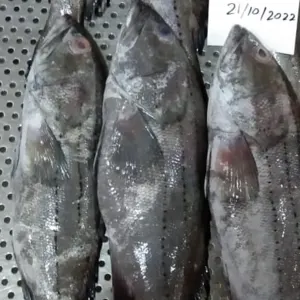
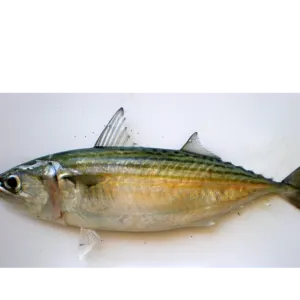
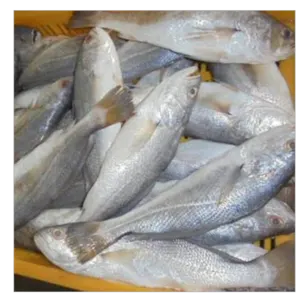
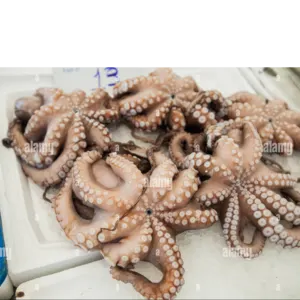
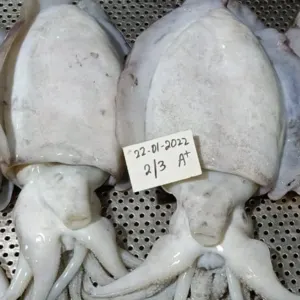
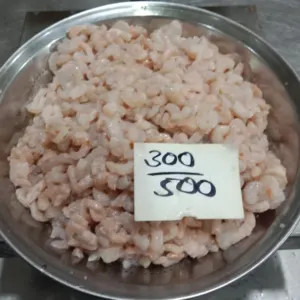
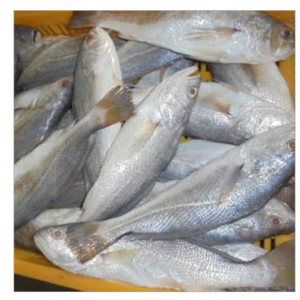
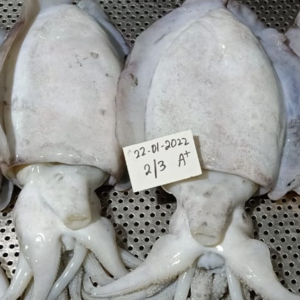
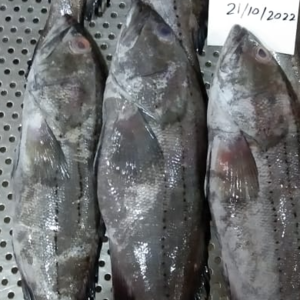
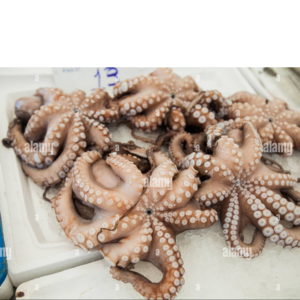
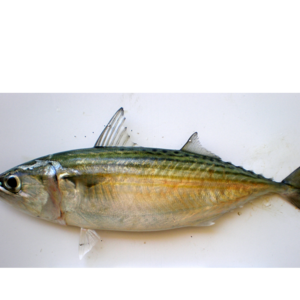
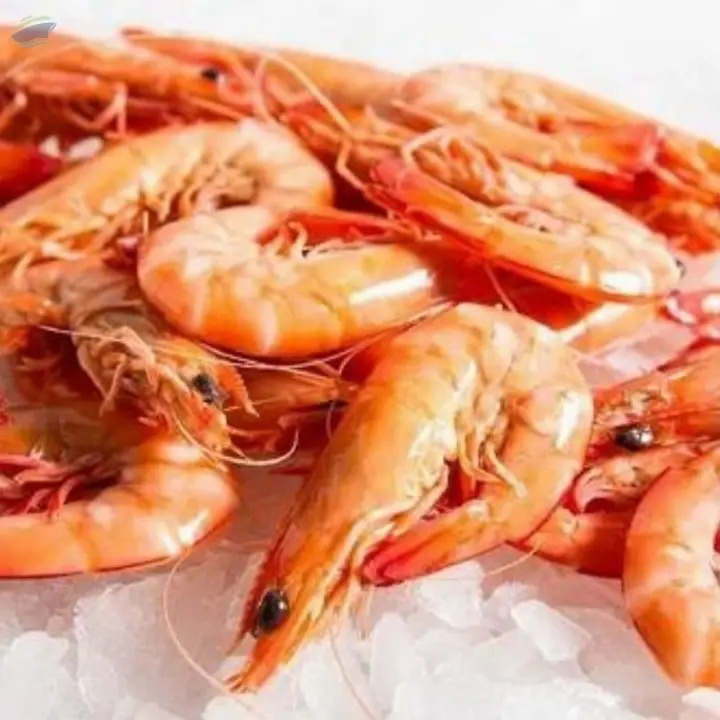
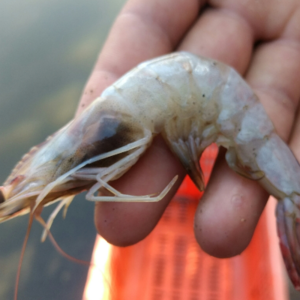
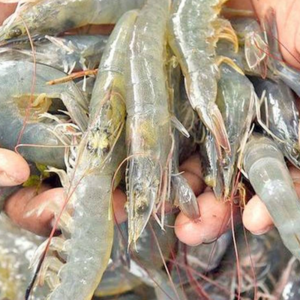
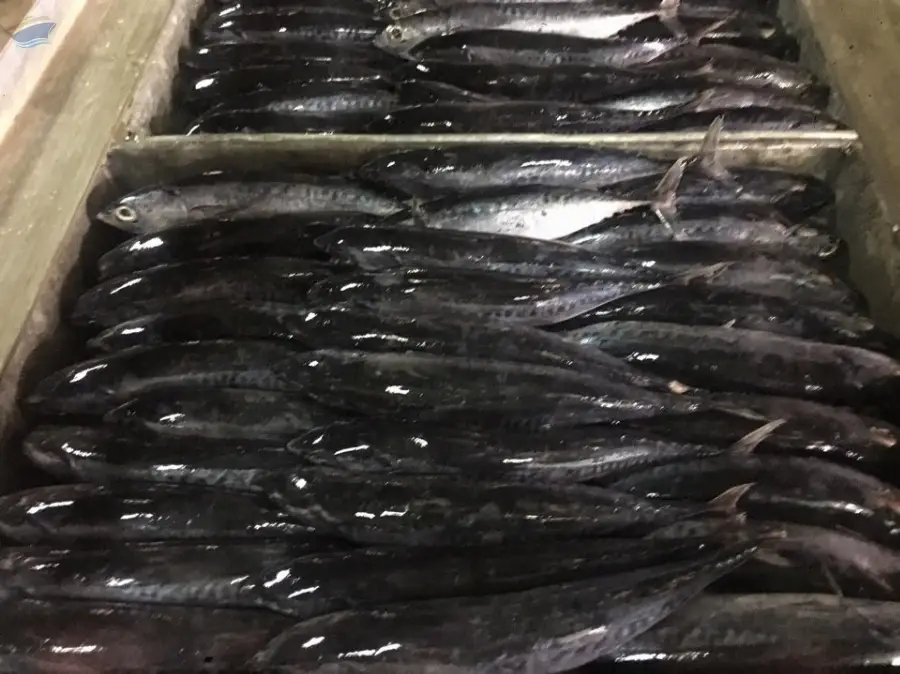
Pakistan, with processing facilities in Karachi, lists six active seafood products. The catalogue includes Frozen Pud Karikkadi Shrimps (HS 0306.17, frozen crustacean Penaeus indicus), whole cuttlefish (HS 0307.43, Cephalopoda), octopus (HS 0307.51, Octopus vulgaris/cyanea), whole croaker fish (HS 0303.89, Sciaenidae family), Indian mackerel (HS 0302.44, Scomberomorus commerson) and reef cod (HS 0303.89, Epinephelus diacanthus). These items cover HS chapters 0302 (fresh fish), 0303 (fresh/frozen fish), 0306 (frozen crustaceans) and 0307 (other marine products). The supplier’s profile notes activity in both fresh and frozen segments, with a focus on whole fish and selected mollusks.

The product set reflects typical Pakistani export lines: frozen white shrimp prepared for retail or processing, whole pelagic species such as mackerel and reef cod, and cephalopods used in Asian and Middle‑Eastern cuisines. All items are described by species and are classified under the appropriate HS codes, enabling clear customs declaration. The catalogue does not list processed fillets or value‑added preparations, limiting the range to whole or minimally processed seafood. The supplier’s tier is identified as organic and harbor trust, indicating a willingness to meet higher traceability standards.

Product Range and Specialties of HACCP

The six catalogued items comprise two crustacean products, two cephalopod products and three fin‑fish products. In the shrimp segment, frozen Indian White Shrimp are commonly graded by size (e.g., U20‑30 or U30‑40) and required to meet a moisture content below 8 % and an ice glaze thickness of 2‑3 mm. Cuttlefish and octopus are typically sold whole, with average whole weight ranging from 200 g to 500 g, and buyers often require a total volatile basic nitrogen (TVB‑N) value under 30 mg N/100 g. For the fin‑fish, croaker, mackerel and reef cod are usually shipped fresh or chilled at 0‑4 °C, with a minimum fillet yield of 45 % for croaker and 50 % for mackerel, and a permissible total bacterial count below 5 × 10⁴ CFU/g.

Industry practice for these categories includes compliance with HACCP plans, ISO 22000 food safety systems, and, where applicable, MSC or ASC eco‑label certification for wild‑caught fish. Buyers often specify packaging such as insulated boxes with gel ice, vacuum‑sealed bags for shrimp, or bulk cartons for whole fish, each designed to maintain the required temperature for up to 14 days in transit.

Trade and Export Information - HACCP

Pakistan ranks among the top exporters of shrimp and pelagic fish in the Indian Ocean region, with the EU, Middle East and Southeast Asia representing the largest destination markets. HS 0306.17 shrimp, HS 0307 series cephalopods and HS 0302/0303 fish are subject to phytosanitary certificates, a health certificate issued by the Pakistani Ministry of National Food Security, and often a certificate of origin for preferential duty rates. Importing countries typically request BRC Global Standard for Food Safety or EU organic certification for organic‑tier suppliers.

Standard logistics involve refrigerated containers (20 ft or 40 ft) with a temperature set point of - 18 °C for frozen shrimp and - 2 °C for fresh/chilled fish, packed in polyethylene bags with 1‑2 kg net weight per bag, or bulk cartons for whole fish up to 30 kg. Common Incoterms used by Pakistani seafood exporters include FOB Karachi Port and CIF destination, with pre‑loading inspections conducted by the Pakistan Export Inspection Agency. Buyers should verify that the shipment complies with the relevant HS code declaration to avoid customs delays.

Sourcing from HACCP - Buyer Guidance

When sourcing from HACCP, buyers should request the latest HACCP validation report, ISO 22000 certificate, and any MSC or organic certification that matches the supplier’s organic tier. Product specifications to confirm include shrimp size range (e.g., U20‑30), ice glaze thickness, fish total bacterial count, and cephalopod TVB‑N values. A sample analysis for heavy metals (e.g., mercury below 0.5 ppm) and microbiological limits (e.g., total coliforms <10 CFU/g) is standard practice before finalizing a contract.

Buyers are advised to verify the HS codes listed in the catalogue against the commercial invoice and ensure that the health certificate references the correct species and processing method (frozen, fresh, or chilled). Minimum order quantities in the Pakistani seafood sector commonly start at one 20‑ft container (approximately 8‑10 metric tonnes for frozen shrimp) or 5 metric tonnes for fresh fish, with lead times of 3‑5 weeks from order confirmation to shipment.

Frequently Asked Questions About HACCP

What product categories does HACCP export?

HACCP lists six seafood products: frozen Indian White Shrimp (HS 0306.17), whole cuttlefish (HS 0307.43), whole octopus (HS 0307.51), whole croaker fish (HS 0303.89), fresh/chilled Indian mackerel (HS 0302.44) and frozen reef cod (HS 0303.89).

Which HS code is associated with the shrimp product?

The frozen Pud Karikkadi Shrimp is classified under HS code 0306.17, the specific heading for frozen crustaceans of the Penaeus genus.

What quality parameters are typically required for the shrimp?

Buyers usually require a size grade such as U20‑30, moisture content ≤8 %, ice glaze thickness of 2‑3 mm, total bacterial count ≤5 × 10⁴ CFU/g and compliance with a HACCP food safety plan.

How are the whole fish products packaged for export?

Whole croaker, Indian mackerel and reef cod are commonly packed in insulated cartons with gel ice, each fish wrapped in polyethylene film, with cartons holding up to 30 kg and container temperatures maintained at 0‑4 °C for fresh/chilled fish or - 18 °C for frozen cod.

Which certifications should a buyer request from HACCP?

Buyers should request the supplier’s HACCP validation report, ISO 22000 certification, and any MSC, ASC or organic certification that aligns with the supplier’s organic tier.

What documentation is required for customs clearance of these products?

Typical documents include a phytosanitary health certificate, a certificate of origin, a commercial invoice matching the HS codes, and, where applicable, a sanitary inspection report issued by the Pakistan Export Inspection Agency.

What are the typical lead times and minimum order quantities?

Standard lead times are 3‑5 weeks from order confirmation. Minimum orders are usually one 20‑ft refrigerated container (≈8‑10 tonnes) for frozen shrimp or a 5‑tonne bulk shipment for fresh/chilled fish.

Featured Products from HACCP

Other Suppliers in Fresh Shrimps

Top Trusted Suppliers

Related Products in Fresh Shrimps

Trending in Parent Category

More Suppliers in Parent Category

Related Products

Other Suppliers

EximNext
58.4K+ live requirements
Register Free🎁 5 free buy-lead credits
Post Requirement
🌍 Trusted by 224.4K+ businesses in 200+ countries|
58.4K+ active requirements right now
✉️ [email protected]
|
Sell on EximNextPost Requirement
EximNext
AgricultureApparelConstructionElectronicFoodHomeIndustrialMineralsMiscellaneous
🔥 Deals|✨ AI Match|🏭 Suppliers|📋 Buy Leads|💰 Trade Finance|⭐ Upgrade
58.4K+ live RFQs·194.4K+ suppliers
🎁 5 free credits →
EximNext
EximNext
Register Free
🎁 5 free buy-lead credits
Sign In
📋Post Requirement💬Get QuotesAI Match📋RFQ Marketplace
All Categories
Services & Tools
🏭Supplier Directory🔥Today's Deals💰Trade FinanceMembership
Sell on EximNext
AboutContactBlogHelp
HACCP

HACCP

Harbor
Country flag , Pakistan
🛡️
59/100
Trust Score

HACCP Product Catalog

Showing 6 of 6 products
View all products →
Reef Cod (EPINEPHELUS DIACANTHUS)
Harbor
Reef Cod (EPINEPHELUS DIACANTHUS)
Contact
MOQ: 1 Unit
Indian Mackerel
Harbor
Indian Mackerel
Contact
MOQ: 1 Unit
CROAKER FISH
Harbor
CROAKER FISH
Contact
MOQ: 1 Unit
octopus
Harbor
octopus
Contact
MOQ: 1 Unit
Cuttlefish Whole
Harbor
Cuttlefish Whole
Contact
MOQ: 1 Unit
Frozen Pud Karikkadi Shrimps
Harbor
Frozen Pud Karikkadi Shrimps
Contact
MOQ: 1 Unit

About HACCP - Seafood Supplier in Pakistan

Pakistan, with processing facilities in Karachi, lists six active seafood products. The catalogue includes Frozen Pud Karikkadi Shrimps (HS 0306.17, frozen crustacean Penaeus indicus), whole cuttlefish (HS 0307.43, Cephalopoda), octopus (HS 0307.51, Octopus vulgaris/cyanea), whole croaker fish (HS 0303.89, Sciaenidae family), Indian mackerel (HS 0302.44, Scomberomorus commerson) and reef cod (HS 0303.89, Epinephelus diacanthus). These items cover HS chapters 0302 (fresh fish), 0303 (fresh/frozen fish), 0306 (frozen crustaceans) and 0307 (other marine products). The supplier’s profile notes activity in both fresh and frozen segments, with a focus on whole fish and selected mollusks.

The product set reflects typical Pakistani export lines: frozen white shrimp prepared for retail or processing, whole pelagic species such as mackerel and reef cod, and cephalopods used in Asian and Middle‑Eastern cuisines. All items are described by species and are classified under the appropriate HS codes, enabling clear customs declaration. The catalogue does not list processed fillets or value‑added preparations, limiting the range to whole or minimally processed seafood. The supplier’s tier is identified as organic and harbor trust, indicating a willingness to meet higher traceability standards.

Product Range and Specialties of HACCP

The six catalogued items comprise two crustacean products, two cephalopod products and three fin‑fish products. In the shrimp segment, frozen Indian White Shrimp are commonly graded by size (e.g., U20‑30 or U30‑40) and required to meet a moisture content below 8 % and an ice glaze thickness of 2‑3 mm. Cuttlefish and octopus are typically sold whole, with average whole weight ranging from 200 g to 500 g, and buyers often require a total volatile basic nitrogen (TVB‑N) value under 30 mg N/100 g. For the fin‑fish, croaker, mackerel and reef cod are usually shipped fresh or chilled at 0‑4 °C, with a minimum fillet yield of 45 % for croaker and 50 % for mackerel, and a permissible total bacterial count below 5 × 10⁴ CFU/g.

Industry practice for these categories includes compliance with HACCP plans, ISO 22000 food safety systems, and, where applicable, MSC or ASC eco‑label certification for wild‑caught fish. Buyers often specify packaging such as insulated boxes with gel ice, vacuum‑sealed bags for shrimp, or bulk cartons for whole fish, each designed to maintain the required temperature for up to 14 days in transit.

Trade and Export Information - HACCP

Pakistan ranks among the top exporters of shrimp and pelagic fish in the Indian Ocean region, with the EU, Middle East and Southeast Asia representing the largest destination markets. HS 0306.17 shrimp, HS 0307 series cephalopods and HS 0302/0303 fish are subject to phytosanitary certificates, a health certificate issued by the Pakistani Ministry of National Food Security, and often a certificate of origin for preferential duty rates. Importing countries typically request BRC Global Standard for Food Safety or EU organic certification for organic‑tier suppliers.

Standard logistics involve refrigerated containers (20 ft or 40 ft) with a temperature set point of - 18 °C for frozen shrimp and - 2 °C for fresh/chilled fish, packed in polyethylene bags with 1‑2 kg net weight per bag, or bulk cartons for whole fish up to 30 kg. Common Incoterms used by Pakistani seafood exporters include FOB Karachi Port and CIF destination, with pre‑loading inspections conducted by the Pakistan Export Inspection Agency. Buyers should verify that the shipment complies with the relevant HS code declaration to avoid customs delays.

Sourcing from HACCP - Buyer Guidance

When sourcing from HACCP, buyers should request the latest HACCP validation report, ISO 22000 certificate, and any MSC or organic certification that matches the supplier’s organic tier. Product specifications to confirm include shrimp size range (e.g., U20‑30), ice glaze thickness, fish total bacterial count, and cephalopod TVB‑N values. A sample analysis for heavy metals (e.g., mercury below 0.5 ppm) and microbiological limits (e.g., total coliforms <10 CFU/g) is standard practice before finalizing a contract.

Buyers are advised to verify the HS codes listed in the catalogue against the commercial invoice and ensure that the health certificate references the correct species and processing method (frozen, fresh, or chilled). Minimum order quantities in the Pakistani seafood sector commonly start at one 20‑ft container (approximately 8‑10 metric tonnes for frozen shrimp) or 5 metric tonnes for fresh fish, with lead times of 3‑5 weeks from order confirmation to shipment.

Frequently Asked Questions About HACCP

What product categories does HACCP export?

HACCP lists six seafood products: frozen Indian White Shrimp (HS 0306.17), whole cuttlefish (HS 0307.43), whole octopus (HS 0307.51), whole croaker fish (HS 0303.89), fresh/chilled Indian mackerel (HS 0302.44) and frozen reef cod (HS 0303.89).

Which HS code is associated with the shrimp product?

The frozen Pud Karikkadi Shrimp is classified under HS code 0306.17, the specific heading for frozen crustaceans of the Penaeus genus.

What quality parameters are typically required for the shrimp?

Buyers usually require a size grade such as U20‑30, moisture content ≤8 %, ice glaze thickness of 2‑3 mm, total bacterial count ≤5 × 10⁴ CFU/g and compliance with a HACCP food safety plan.

How are the whole fish products packaged for export?

Whole croaker, Indian mackerel and reef cod are commonly packed in insulated cartons with gel ice, each fish wrapped in polyethylene film, with cartons holding up to 30 kg and container temperatures maintained at 0‑4 °C for fresh/chilled fish or - 18 °C for frozen cod.

Which certifications should a buyer request from HACCP?

Buyers should request the supplier’s HACCP validation report, ISO 22000 certification, and any MSC, ASC or organic certification that aligns with the supplier’s organic tier.

What documentation is required for customs clearance of these products?

Typical documents include a phytosanitary health certificate, a certificate of origin, a commercial invoice matching the HS codes, and, where applicable, a sanitary inspection report issued by the Pakistan Export Inspection Agency.

What are the typical lead times and minimum order quantities?

Standard lead times are 3‑5 weeks from order confirmation. Minimum orders are usually one 20‑ft refrigerated container (≈8‑10 tonnes) for frozen shrimp or a 5‑tonne bulk shipment for fresh/chilled fish.

About HACCP - Seafood Supplier in Pakistan

Pakistan, with processing facilities in Karachi, lists six active seafood products. The catalogue includes Frozen Pud Karikkadi Shrimps (HS 0306.17, frozen crustacean Penaeus indicus), whole cuttlefish (HS 0307.43, Cephalopoda), octopus (HS 0307.51, Octopus vulgaris/cyanea), whole croaker fish (HS 0303.89, Sciaenidae family), Indian mackerel (HS 0302.44, Scomberomorus commerson) and reef cod (HS 0303.89, Epinephelus diacanthus). These items cover HS chapters 0302 (fresh fish), 0303 (fresh/frozen fish), 0306 (frozen crustaceans) and 0307 (other marine products). The supplier’s profile notes activity in both fresh and frozen segments, with a focus on whole fish and selected mollusks.

The product set reflects typical Pakistani export lines: frozen white shrimp prepared for retail or processing, whole pelagic species such as mackerel and reef cod, and cephalopods used in Asian and Middle‑Eastern cuisines. All items are described by species and are classified under the appropriate HS codes, enabling clear customs declaration. The catalogue does not list processed fillets or value‑added preparations, limiting the range to whole or minimally processed seafood. The supplier’s tier is identified as organic and harbor trust, indicating a willingness to meet higher traceability standards.

Product Range and Specialties of HACCP

The six catalogued items comprise two crustacean products, two cephalopod products and three fin‑fish products. In the shrimp segment, frozen Indian White Shrimp are commonly graded by size (e.g., U20‑30 or U30‑40) and required to meet a moisture content below 8 % and an ice glaze thickness of 2‑3 mm. Cuttlefish and octopus are typically sold whole, with average whole weight ranging from 200 g to 500 g, and buyers often require a total volatile basic nitrogen (TVB‑N) value under 30 mg N/100 g. For the fin‑fish, croaker, mackerel and reef cod are usually shipped fresh or chilled at 0‑4 °C, with a minimum fillet yield of 45 % for croaker and 50 % for mackerel, and a permissible total bacterial count below 5 × 10⁴ CFU/g.

Industry practice for these categories includes compliance with HACCP plans, ISO 22000 food safety systems, and, where applicable, MSC or ASC eco‑label certification for wild‑caught fish. Buyers often specify packaging such as insulated boxes with gel ice, vacuum‑sealed bags for shrimp, or bulk cartons for whole fish, each designed to maintain the required temperature for up to 14 days in transit.

Trade and Export Information - HACCP

Pakistan ranks among the top exporters of shrimp and pelagic fish in the Indian Ocean region, with the EU, Middle East and Southeast Asia representing the largest destination markets. HS 0306.17 shrimp, HS 0307 series cephalopods and HS 0302/0303 fish are subject to phytosanitary certificates, a health certificate issued by the Pakistani Ministry of National Food Security, and often a certificate of origin for preferential duty rates. Importing countries typically request BRC Global Standard for Food Safety or EU organic certification for organic‑tier suppliers.

Standard logistics involve refrigerated containers (20 ft or 40 ft) with a temperature set point of - 18 °C for frozen shrimp and - 2 °C for fresh/chilled fish, packed in polyethylene bags with 1‑2 kg net weight per bag, or bulk cartons for whole fish up to 30 kg. Common Incoterms used by Pakistani seafood exporters include FOB Karachi Port and CIF destination, with pre‑loading inspections conducted by the Pakistan Export Inspection Agency. Buyers should verify that the shipment complies with the relevant HS code declaration to avoid customs delays.

Sourcing from HACCP - Buyer Guidance

When sourcing from HACCP, buyers should request the latest HACCP validation report, ISO 22000 certificate, and any MSC or organic certification that matches the supplier’s organic tier. Product specifications to confirm include shrimp size range (e.g., U20‑30), ice glaze thickness, fish total bacterial count, and cephalopod TVB‑N values. A sample analysis for heavy metals (e.g., mercury below 0.5 ppm) and microbiological limits (e.g., total coliforms <10 CFU/g) is standard practice before finalizing a contract.

Buyers are advised to verify the HS codes listed in the catalogue against the commercial invoice and ensure that the health certificate references the correct species and processing method (frozen, fresh, or chilled). Minimum order quantities in the Pakistani seafood sector commonly start at one 20‑ft container (approximately 8‑10 metric tonnes for frozen shrimp) or 5 metric tonnes for fresh fish, with lead times of 3‑5 weeks from order confirmation to shipment.

Frequently Asked Questions About HACCP
What product categories does HACCP export?
HACCP lists six seafood products: frozen Indian White Shrimp (HS 0306.17), whole cuttlefish (HS 0307.43), whole octopus (HS 0307.51), whole croaker fish (HS 0303.89), fresh/chilled Indian mackerel (HS 0302.44) and frozen reef cod (HS 0303.89).
Which HS code is associated with the shrimp product?
The frozen Pud Karikkadi Shrimp is classified under HS code 0306.17, the specific heading for frozen crustaceans of the Penaeus genus.
What quality parameters are typically required for the shrimp?
Buyers usually require a size grade such as U20‑30, moisture content ≤8 %, ice glaze thickness of 2‑3 mm, total bacterial count ≤5 × 10⁴ CFU/g and compliance with a HACCP food safety plan.
How are the whole fish products packaged for export?
Whole croaker, Indian mackerel and reef cod are commonly packed in insulated cartons with gel ice, each fish wrapped in polyethylene film, with cartons holding up to 30 kg and container temperatures maintained at 0‑4 °C for fresh/chilled fish or - 18 °C for frozen cod.
Which certifications should a buyer request from HACCP?
Buyers should request the supplier’s HACCP validation report, ISO 22000 certification, and any MSC, ASC or organic certification that aligns with the supplier’s organic tier.
What documentation is required for customs clearance of these products?
Typical documents include a phytosanitary health certificate, a certificate of origin, a commercial invoice matching the HS codes, and, where applicable, a sanitary inspection report issued by the Pakistan Export Inspection Agency.
What are the typical lead times and minimum order quantities?
Standard lead times are 3‑5 weeks from order confirmation. Minimum orders are usually one 20‑ft refrigerated container (≈8‑10 tonnes) for frozen shrimp or a 5‑tonne bulk shipment for fresh/chilled fish.

HACCP
HACCP
Country flag , Pakistan
Harbor
59/100
Trust Score
📦
6
Products
Free to contact — no commission
Escrow payment available
Verified business identity
Compare more suppliers
Post a requirement — get 10 quotes free
Let verified suppliers compete for your business. Free, fast, no commitment.
EximNext Verified Supplier
Business identity verified
Physical address confirmed
Financial history checked
Certifications authenticated
Trade references validated
Due Diligence
Verify this supplier's real shipping history.
Every shipment, every buyer, every port. Trade data that can't be faked.
Run due diligence →
Discover More

Related Suppliers & Products

Explore similar suppliers, related products and trending categories

Featured Products from HACCP

Other Suppliers in Fresh Shrimps

Top Trusted Suppliers

Related Products in Fresh Shrimps

Trending in Parent Category

More Suppliers in Parent Category

Stay ahead in global trade
Weekly market insights & new supplier alerts.
EximNext
Exim Next is a leading global B2B marketplace, connecting over 205,000 verified suppliers and buyers across 200+ countries. As a trusted import export marketplace, it serves as the essential B2B portal for businesses worldwide, empowering them to expand their international reach. With Exim Next, businesses can trade smarter and grow faster.
SECURE PAYMENTS
VISAMastercardPayPalSWIFTL/CEscrow
Follow us
© 2026 EximNext