Maltra Foods — Verified Supplier
About Maltra Foods - Beverages Supplier in Australia
Maltra Foods operates as an Australian supplier with 64 active product listings centred on the beverages category, with secondary coverage in tea, food additives, coffee, chocolate and confectionery, pickles and sauces, cocoa powder, and iced tea. The catalogue is heavily weighted toward café-style and ready-to-drink beverage formulations rather than raw commodities, with named lines spanning cold brew coffee blends, drinking chocolate powders, chai spice blends, and flavoured syrups. Geographically, the supplier is positioned in Australia, a country whose domestic food manufacturing sector is known for compliance with Food Standards Australia New Zealand (FSANZ) regulations and for serving both the domestic hospitality trade and export markets in the Asia-Pacific region. The product mix reflects the structure of an Australian specialty beverage manufacturer supplying cafés, bars, and foodservice operators. Listings include dairy-based smoothie bases classified under HS 0403.20, coffee extracts and cold brew concentrates under HS 2101.12, non-alcoholic ready-to-drink beverages under HS 2202.99, cocoa-based drinking powders under HS 1806.10 and HS 1806.90, and tea-based syrups under HS 2103.90. The range covers both single-serve sachet formats (such as 20 x 25 g drinking chocolate sachets) and bulk 1 kg catering packs, indicating a distribution model aimed at both retail and high-volume foodservice channels. Maltra Foods' catalogue sits at the intersection of beverage ingredients and finished or semi-finished drink preparations, a segment where Australian suppliers typically compete on formulation variety rather than commodity volume.
Product Range and Specialties of Maltra Foods
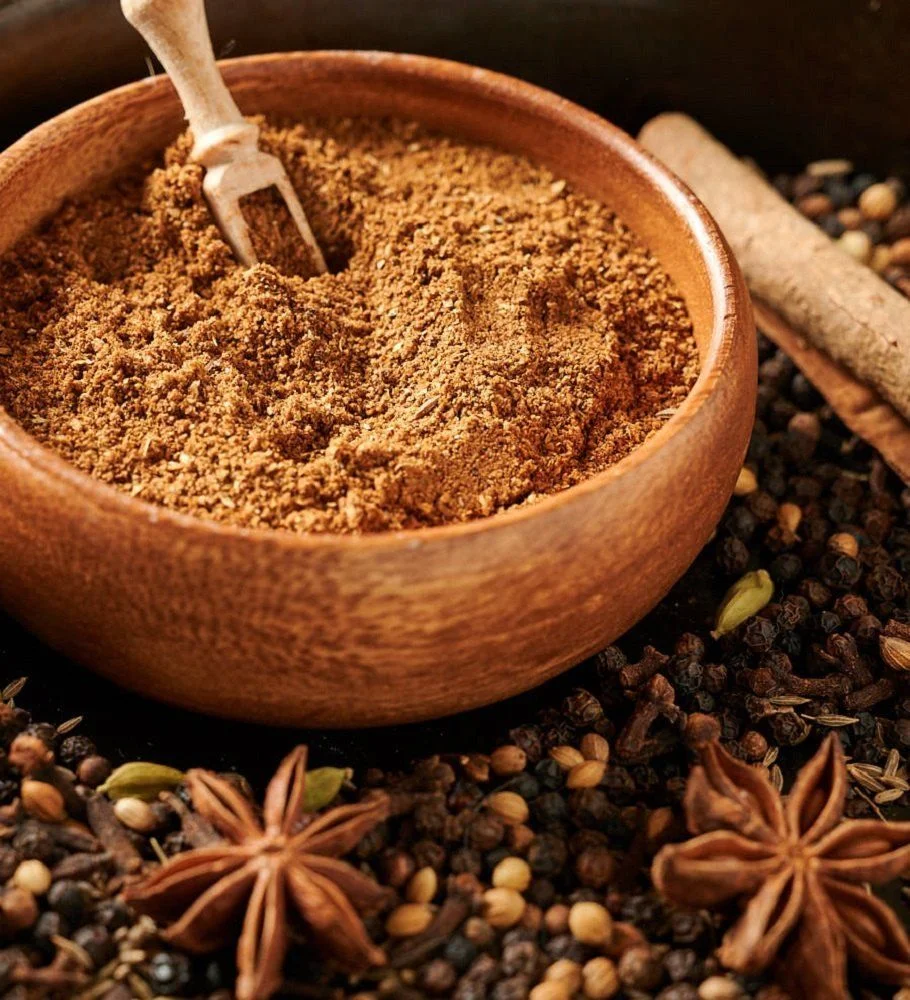
Maltra Foods' catalogue is built around three core beverage families: coffee-based drinks, tea-based drinks, and chocolate-based drinks. Within coffee, the listings include Salted Caramel Cold Brew (HS 2101.12), Coconut Cold Brew (HS 2202.99), and Iced Golden Latte (HS 2202.99) made with cold brew or espresso, turmeric, and plant-based dairy alternatives such as oat or almond milk. Cold brew coffee concentrates in this segment are typically specified by brew ratio (commonly 1:4 to 1:8 concentrate-to-milk), extraction time (12-24 hours), and total dissolved solids, and buyers in this category generally expect declarations on caffeine content, sugar (g per 100 ml), and shelf life after opening. The tea range covers chai blends in multiple formats, including Chai Tea Masala 1 kg, Sticky Chai Blend, Chai Tea Spice, Chai Tea Vanilla, Matcha Chai Latte, Chai Tea Vanilla 240 g, Chai Tea Matcha 220 g, Golden Turmeric Latte 240 g, and Dirty Chai 240 g. Chai spice blends in the Australian and broader specialty tea market are typically traded as dry mixes with stated spice composition (cinnamon, cardamom, ginger, clove, black pepper, star anise), particle size, and water activity for shelf stability. The drinking chocolate line spans cocoa solids from 20% to 40%, including Arkadia Drinking Chocolate at 20%, 24%, 28%, 33%, and 40% cocoa, Fair Trade Organic Drinking Chocolate 1 kg, White Drinking Chocolate 1 kg (cocoa butter, sugar, milk solids), Thickened Drinking Chocolate 400 g, and 24% Cocoa 250 g retail packs. Drinking chocolate powders in this category are commonly specified by cocoa butter content, fineness (typically 75-99% through 75 micron), and milk powder inclusion, and are graded against cocoa percentage rather than bean origin. The catalogue also includes flavoured syrups such as Premium Black Tea Syrup (HS 2103.90), Premium Lemon Iced Tea Syrup (HS 2202.99), Premium Peach Iced Tea Syrup (HS 2202.99), and Premium Strawberry Syrup, which are typically classified by Brix level (commonly 60-65°Bx), preservative system, and dilution ratio for finished beverages.
Trade and Export Information - Maltra Foods
Beverage products in Maltra Foods' catalogue fall across several HS chapters that buyers should be familiar with: HS 0403 (yoghurt and other fermented or acidified milk and cream), HS 1806 (chocolate and other food preparations containing cocoa), HS 2101 (extracts, essences, concentrates of coffee, tea or maté and preparations thereof), HS 2103 (sauces and preparations therefor, mixed condiments, mustard flour and meal, and prepared mustards, including tea-based syrups), and HS 2202 (waters, including mineral and aerated, containing added sugar or other sweetening matter or flavoured, and other non-alcoholic beverages). These HS families are the standard classification lines used by customs authorities in importing markets including New Zealand, Singapore, Malaysia, the United Arab Emirates, and the broader ASEAN bloc, where Australian specialty beverages have established distribution. For these product categories, buyers and importing regulators typically require a defined set of documents and certifications. Standard expectations include a Health Certificate issued by the Australian Department of Agriculture, Fisheries and Forestry (or equivalent state authority), a Certificate of Free Sale for finished food and beverage products, full ingredient declarations compliant with FSANZ Standard 1.2.4, nutritional information panels per FSANZ Standard 1.2.8, allergen statements per FSANZ Standard 1.2.3, and country-of-origin labelling. For organic and Fair Trade lines such as the Fair Trade Organic Drinking Chocolate 1 kg, buyers should expect to see current organic certification (ACO, USDA NOP, or EU equivalent) and a valid Fair Trade certificate from an accredited body. For dairy-containing items like the Gingerbread Yoghurt Smoothie (HS 0403.20), export documentation typically includes dairy export permits and, for markets with restrictive dairy import regimes, additional veterinary or sanitary certificates. Packaging for this category is typically food-grade plastic bottles (PET or HDPE) for syrups and RTD beverages, multi-layer laminated pouches or sachets for dry mixes, and poly-lined paper bags or rigid plastic containers for 1 kg bulk powders, and shipments are commonly consolidated on pallets and exported by sea in 20 ft or 40 ft dry containers under standard Incoterms such as FOB, CIF, or DDP depending on the buyer's distribution model.
Sourcing from Maltra Foods - Buyer Guidance
Buyers sourcing from Maltra Foods should treat the catalogue as a specialty beverage ingredient and finished drink range rather than a commodity offering, and tailor their specification requests accordingly. For cold brew and RTD coffee items, request the brew ratio, caffeine content per serving, sugar content in grams per 100 ml, Brix level, pH, total plate count, and shelf life both unopened and after opening. For drinking chocolate powders, confirm the cocoa percentage (the catalogue lists 20%, 24%, 28%, 33%, and 40% variants), the cocoa butter content, fineness of grind, milk powder inclusion or dairy-free status, and whether the product is suitable for vending or barista steam wand use, as viscosity specifications differ between these applications. For chai and tea-based dry blends, request the spice bill with percentage composition, country of origin for each spice, leaf grade for any black tea component, and water activity (typically below 0.6 for ambient shelf stability). For flavoured syrups such as the Premium Lemon, Peach, and Black Tea syrups, confirm Brix (typically 60-65°Bx), preservative system (commonly potassium sorbate and/or sodium benzoate), dilution ratio for finished drinks, and allergen status. Across all categories, buyers should request a Certificate of Analysis (COA) per batch, a Safety Data Sheet (SDS) where required by the destination market, full FSANZ-compliant ingredient and nutritional declarations, and samples for sensory evaluation before committing to volume. For organic and Fair Trade lines, current copies of the relevant certificates should be requested and verified with the issuing body. Lead times, minimum order quantities, and pallet or container configurations should be confirmed in writing prior to order placement, as these vary between retail-pack and bulk 1 kg foodservice lines.
Frequently Asked Questions About Maltra Foods
What product categories does Maltra Foods supply?
Maltra Foods lists 64 active products across beverages, tea, food additives, coffee, chocolate and confectionery, pickles and sauces, cocoa powder, and iced tea. The catalogue is dominated by café-style beverage ingredients including cold brew coffees, chai blends, drinking chocolate powders at 20% to 40% cocoa, and flavoured syrups.
Which HS code families apply to Maltra Foods' products?
Products are classified across HS 0403.20 (yoghurt preparations such as the Gingerbread Yoghurt Smoothie), HS 1806.10 and HS 1806.90 (drinking chocolate powders at various cocoa percentages), HS 2101.12 (coffee extracts and preparations such as Salted Caramel Cold Brew), HS 2103.90 (tea-based syrups such as Premium Black Tea Syrup), and HS 2202.99 (non-alcoholic flavoured beverages including iced tea and cold brew blends).
What cocoa percentage options are available in the drinking chocolate range?
The drinking chocolate line includes Arkadia variants at 20%, 24%, 28%, 33%, and 40% cocoa, a Fair Trade Organic Drinking Chocolate 1 kg, White Drinking Chocolate 1 kg, Thickened Drinking Chocolate 400 g, and a 24% retail 250 g pack. Buyers should confirm cocoa butter content and dairy versus dairy-free status for each variant.
What documents and certifications should buyers request?
Buyers should request a Health Certificate, Certificate of Free Sale, FSANZ-compliant ingredient and nutritional declarations, allergen statements, and a Certificate of Analysis per batch. For the Fair Trade Organic Drinking Chocolate, current organic certification (ACO, USDA NOP, or EU equivalent) and a valid Fair Trade certificate should be requested and verified with the issuing body.
What specifications matter for the cold brew and RTD coffee products?
For cold brew items such as Salted Caramel Cold Brew (HS 2101.12) and Coconut Cold Brew (HS 2202.99), buyers should request the brew ratio (commonly 1:4 to 1:8 concentrate-to-milk), caffeine content per serving, sugar in grams per 100 ml, Brix, pH, microbiological limits, and shelf life both unopened and after opening.
What packaging formats are used across the catalogue?
Dry products are supplied in retail formats such as 240 g and 250 g pouches, single-serve 20 x 25 g sachets, and bulk 1 kg packs for foodservice. Syrups and RTD beverages are typically packed in food-grade PET or HDPE bottles. Shipments are commonly palletised and exported in 20 ft or 40 ft dry containers under Incoterms such as FOB, CIF, or DDP.
What is the typical shelf life and storage requirement for these products?
Dry drinking chocolate and chai blends are typically ambient-stable with 12 to 24 month shelf life when stored cool and dry. Syrups and RTD beverages typically require ambient storage away from direct sunlight with 9 to 18 month shelf life unopened, and refrigeration after opening. Specific shelf life should be confirmed on the product label and COA.




 , Australia