Agriculture›
 Apparel and fashion accessories›
 Construction & real estate›💡Electronic & Electrical›🍎Food & Beverages›🛋️Home furnishing & supplies›⚗️Industrial goods & chemical›🪨Minerals & metals›📦Miscellaneous›Agriculture›Apparel and fashion accessories›Construction & real estate›💡Electronic & Electrical›🍎Food & Beverages›🛋️Home furnishing & supplies›⚗️Industrial goods & chemical›🪨Minerals & metals›📦Miscellaneous›
Authenmole Inc. Product Catalog

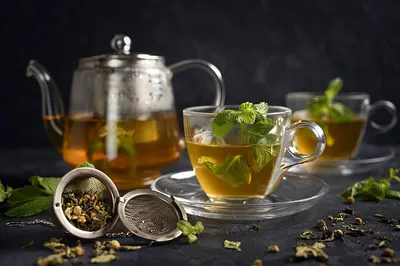
About Authenmole Inc. - Tea Extracts Supplier in China
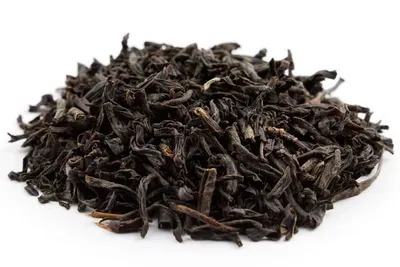
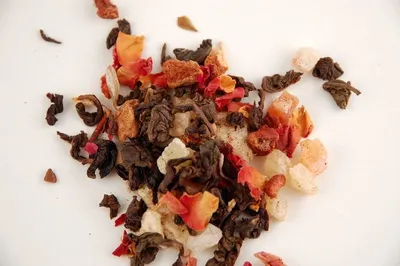
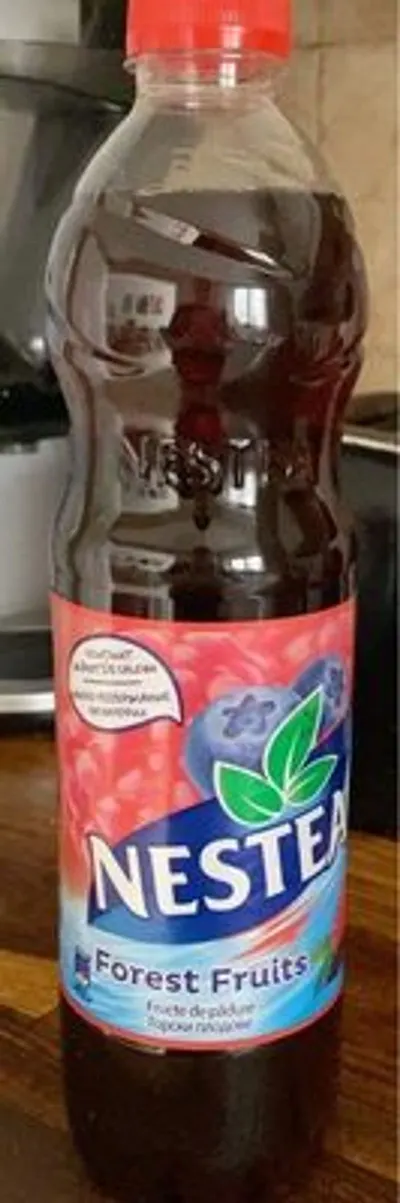
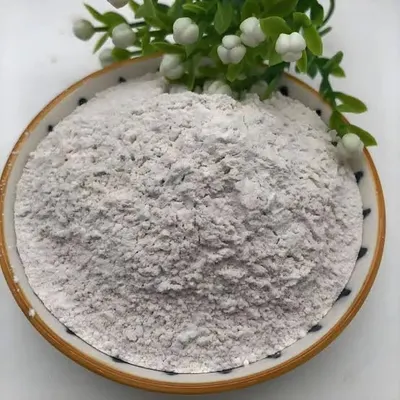
Authenmole Inc. is based in China and currently lists 17 active products. The catalogue is centred on tea‑based extracts and instant tea powders, covering a variety of functional and flavored formats such as slimming tea extract, higher‑grade Taiwan Oolong extract, green‑tea fitness drinks, and a series of fruit‑flavoured instant tea powders. Each entry is identified by its product name only, without additional technical specifications in the source data.
The product set falls under the broader categories of Tea Extracts and Tea, which are commonly classified under HS chapter 09 (tea) and HS chapter 21 (preparations of foodstuffs). The listings include both single‑origin extracts (e.g., Taiwan Oolong) and blended or flavoured powders (e.g., lemon, blueberry, apple ice). The focus is on ready‑to‑mix powders and concentrated extracts suitable for beverage or supplement applications.
Product Range and Specialties of Authenmole Inc.
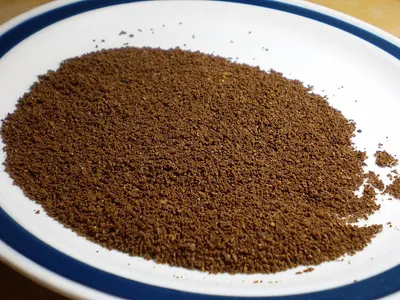
The catalogue offers a spectrum of instant tea and extract powders: slimming tea extract, Taiwan Oolong extract, instant green‑tea powder for fitness drinks, pure instant tea extracts with lemon, blueberry, apple, cherry, peach, black tea, jasmine, mint, ginger, and a herbal detox blend. In the tea industry, such powders are typically produced by spray‑drying or freeze‑drying, yielding moisture levels below 5 % and particle sizes between 150 - 300 µm for good solubility. Common quality grades for tea extracts include specifications for catechin content (e.g., EGCG ≥ 8 % for green‑tea extracts) and total polyphenol levels (often expressed as gallic‑acid equivalents). Flavoured powders usually contain natural flavourings and may be standardised to 2 - 5 % fruit‑extract solids.
Industry practice for tea extracts also involves setting limits for heavy metals (e.g., Pb < 10 ppm, Cd < 0.5 ppm) and pesticide residues in line with Codex Alimentarius. Buyers often look for certifications such as ISO 9001, HACCP, GMP, and organic‑certification where natural‑product claims are made. Packaging formats range from 1 kg sachets to 25 kg food‑grade drums, enabling flexible bulk or retail‑size orders.
Frequently Asked Questions About Authenmole Inc.
What types of tea extracts does Authenmole Inc. list in its catalogue?
The catalogue includes slimming tea extract, higher‑grade Taiwan Oolong extract, instant green‑tea powder for fitness drinks, and a range of flavoured instant powders such as lemon, blueberry, apple, cherry, peach, black tea, jasmine, mint, ginger and a herbal detox blend.
Are HS codes available for the listed products?
The products fall under the typical HS chapters for tea and tea preparations - HS 0902 for tea and HS 2101 for food preparations - which are the standard classifications used by Chinese exporters of tea extracts.
Which certifications should a buyer request when sourcing these tea extracts?
Buyers should request a Certificate of Analysis, and where applicable ask for ISO 9001, HACCP, GMP or organic certification, as these are the common standards required for food‑grade tea extracts.
What is a typical packaging format for the instant tea powders?
Instant tea powders are commonly packed in 1 kg sachets for retail or 25 kg food‑grade drums for bulk shipments, both sealed to protect against moisture.
What are the usual minimum order quantities and lead times?
Minimum order quantities generally start at 500 kg per product line, with lead times ranging from 30 to 45 days after order confirmation, depending on production scheduling.
 China
Related Suppliers & Products
Explore similar suppliers, related products and trending categories